The sweeping U.S. Senate effort to establish a comprehensive legal framework for cryptocurrency trading and oversight is likely to be pushed back for weeks or even months, after key legislative momentum stalled this week in the wake of major industry backlash.
The Senate Banking Committee indefinitely postponed work on its long-anticipated market structure bill — widely seen as the centerpiece of U.S. crypto regulation — after Coinbase, one of the industry’s largest exchanges, publicly withdrew its support for the measure.
The withdrawal came at a crucial moment before a scheduled markup hearing, where lawmakers would have debated amendments and potentially advanced the bill toward a floor vote. With Coinbase no longer backing the legislation “as written,” the committee has shifted its immediate focus to other priorities, including housing affordability initiatives tied to President Donald Trump’s agenda.
Industry insiders say the delay could stretch into late February or March, according to Bloomberg reporting. Lawmakers wrestled with unresolved policy disputes and are trying to rebuild bipartisan consensus in a sharply divided Senate.
Several factors are contributing to the slowdown. Coinbase’s withdrawal of support, following CEO Brian Armstrong’s decision, shows there are some deep divisions between crypto firms and portions of the bill’s drafters, mainly around stablecoin rewards.
Industry leaders argue that provisions in the current text could weaken the Commodity Futures Trading Commission’s authority, restrict decentralized finance (DeFi), and curtail stablecoin rewards — measures widely viewed as essential to continued crypto innovation.
Political dynamics are slowing the crypto bill’s progress
At the same time, the traditional banking sector has pushed lawmakers to impose tighter restrictions on yield-bearing crypto products, warning that such features could draw deposits away from banks and destabilize lending markets; that lobbying effort appears to have shaped the bill’s language and intensified industry opposition.
Also, shifting legislative priorities ahead of the midterm elections have further slowed momentum, as senators face pressure to focus on voter-facing issues such as housing affordability.
While some lawmakers insist the delay is temporary and that robust crypto rules remain achievable, the interruption highlights the fragile nature of legislative consensus on digital assets.
Senate Agriculture Committee members have released a separate market structure draft, but industry observers caution it may lack the bipartisan backing necessary to prevail.
Patrick Witt, executive director of the White House council on digital assets, has publicly urged continued negotiation, describing regulatory clarity as “a question of when, not if.” However, he warned that without industry cooperation, future iterations could be less favorable to crypto firms.
https://bitcoindevelopers.org/wp-content/uploads/2026/01/Crypto-Bill-Delayed-Several-Months-as-Senate-Pivots-to-Trumps-Housing-Initiatives-CwjF01.jpg10801920Bitcoin Developerhttps://bitcoindevelopers.org/wp-content/uploads/2024/08/loho_hor_1-300x108.pngBitcoin Developer2026-01-22 14:47:412026-01-22 14:47:41Crypto Bill Delayed Several Months as Senate Pivots to Trump’s Housing Initiatives
Strive announced today that it intends to raise up to $150 million through a follow-on offering of its Variable Rate Series A Perpetual Preferred Stock, known as SATA Stock, subject to market conditions.
The offering is registered under the Securities Act of 1933 and marks Strive’s latest move to expand its bitcoin holdings while addressing outstanding debt.
Strive plans to use the proceeds from the offering, along with cash on hand and potentially funds from terminating certain derivative contracts tied to convertible debt, to repurchase or redeem all or a portion of the 4.25% Convertible Senior Notes due 2030 issued by its subsidiary Semler Scientific, Inc.
These Semler Convertible Notes, guaranteed by Strive, were originally issued under an indenture with U.S. Bank Trust Company, National Association acting as trustee.
Strive wants to buy more bitcoin
The company may also use funds to pay down Semler Scientific’s borrowings under its loan agreements with Coinbase Credit Inc., acquire additional bitcoin and related products, and support general corporate needs.
In addition, Strive is negotiating with some holders of the Semler Convertible Notes to potentially exchange their notes for shares of SATA Stock.
SATA Stock is structured as a variable-rate, cumulative dividend security with a stated value of $100 per share. Dividends are currently set at an annualized rate of 12.25%, payable monthly, though Strive reserves the right to adjust the rate within certain limits.
If a dividend is missed, it accrues additional compounded interest, which can rise up to 20% per year. The company intends to manage the dividend rate to help the stock trade within a target range of $95 to $105 per share.
Strive also retains the right to redeem SATA Stock at $110 per share (or higher at its discretion), plus accrued dividends. Redemption can occur at any time, but the company generally cannot redeem less than $50 million of SATA Stock unless a clean-up or tax-related redemption applies.
The liquidation preference for SATA Stock is $100 per share, adjusted daily to the greater of the stated value, the previous trading day’s closing price, or the 10-day average price.
Strive said that Barclays and Cantor are joint book-running managers for the offering, with Clear Street acting as co-manager.
After SATA briefly hit $100 today, the company’s approach to set a follow-on offering price based on current market conditions is seen as a cleaner alternative to an “at-the-market” (ATM) offering, avoiding dilution and allowing Strive to capitalize on favorable pricing.
The raised funds will help the company retire legacy convertible debt and expand its Bitcoin holdings, signaling continued commitment to its crypto-focused growth strategy.
The bitcoin price experienced several intraday spikes on Wednesday, swinging by several thousand dollars as traders reacted to shifting geopolitical headlines and fresh comments from U.S. President Donald Trump.
The world’s largest cryptocurrency started the day near $88,000 before surging above $90,000 in early trading. The rally proved short-lived, however, with bitcoin sliding back into the upper $87,000 range after markets opened and dipped. Prices then roared higher once again, rebounding toward $90,000 after Trump announced a delay to planned trade tariffs.
Bitcoin price was last trading around $90,000 at the time of writing, having briefly reclaimed the level for the second time in the same session.
Trump comments spark bitcoin price rally
The latest move followed comments from Trump at the World Economic Forum in Davos, Switzerland, and a subsequent post on his Truth Social platform.
Trump said he would delay tariffs that were scheduled to take effect on February 1 after what he described as a “very productive meeting” with NATO Secretary General Mark Rutte.
In the post, Trump outlined a preliminary framework for a broader agreement involving Greenland and the Arctic region, calling the potential deal “a great one for the United States of America, and all NATO nations.” He added that, based on the discussions, the planned tariffs would not move forward.
Markets responded positively to the news. U.S. equities bounced sharply, with the S&P 500, Nasdaq and Dow Jones Industrial Average all rising roughly 1.5% on the day.
Risk assets across the board followed suit, lifting the bitcoin price and other major cryptocurrencies back toward recent highs.
During his Davos remarks, Trump also reiterated his support for digital assets, saying he hopes to sign comprehensive crypto market structure legislation “very soon.”
“Now, Congress is working very hard on crypto market structure legislation — Bitcoin, all of them — which I hope to sign very soon, unlocking new pathways for Americans to reach financial freedom,” Trump said.
Bitcoin price analysis as macro risks linger
Despite the relief rally, macroeconomic concerns remain in the background. Analysts have pointed to renewed stress in Japan’s bond market as a potential headwind for global risk assets.
Japan’s 10-year government bond yield has climbed to around 2.29%, a level not seen since 1999. QCP Capital highlighted in a note that Japan’s government debt exceeds 240% of GDP, with debt servicing costs projected to consume roughly a quarter of fiscal spending by 2026.
According to Bitcoin Magazine analysis, the bitcoin price held its bullish structure above $90,000 last week, rallying to $98,000 and closing around $93,600, keeping a mildly bullish bias.
Bulls will want the bitcoin price to reclaim $94,000 and retest $98,000 this week, with a sustained break potentially reaching $103,500 and the $106,000–$109,000 resistance zone.
Key support is at $91,400, with a loss possibly leading to a deeper pullback toward $87,000 or $84,000.
While momentum has improved, the $103,500–$109,000 area is expected to be strong resistance, where rejection could decide whether the rally continues or drops toward sub-$80,000 levels.
Wednesday’s dramatic price action proved costly for leveraged crypto traders. According to CoinGlass data, more than $1 billion in crypto positions were liquidated over the past 24 hours as prices whipsawed higher and lower and then higher.
Long positions bore the brunt of the damage, accounting for approximately $672 million in liquidations, while short positions made up about $335 million.
Bitcoin led the losses with roughly $426 million in liquidations, followed by Ethereum at around $366 million.
Currently, the bitcoin price is trading at $90,019 with a 24-hour volume of $67 B, holding steady over the past day. Its market cap stands at $1.798 T, just below its 7-day high of $90,296 and above the 7-day low of $87,304.
U.S. President Donald Trump said Wednesday that he wants to sign sweeping cryptocurrency market structure legislation “very soon,” arguing that digital assets are both a political priority and a strategic battleground in the United States’ economic competition with China.
Speaking during a wide-ranging address to world leaders and financial executives at the World Economic Forum in Davos, Switzerland, Trump framed his administration’s embrace of crypto as central to preserving U.S. leadership in financial innovation.
His comments came as bitcoin surged above $90,000, extending gains amid optimism that clearer U.S. regulation could further legitimize the asset class.
“To unleash innovation and savings and financing, I’m also working to ensure America remains the crypto capital of the world,” Trump said.
He pointed to legislation he said he signed last year — the GENIUS Act, focused on stablecoins — as a foundational step toward that goal, while signaling that broader crypto market structure rules are now close to becoming law.
“Congress is working very hard on crypto market structure legislation — bitcoin, all of them — which I hope to sign very soon,” Trump said, adding that the effort would unlock new pathways for Americans to achieve what he described as “financial freedom.”
Trump openly acknowledged the political calculus behind his support for crypto, saying it delivered “tremendous political support,” but stressed that geopolitical competition was the more important driver.
“China wanted that market too,” he said. “It’s just like they want the AI. And we’ve got that market, I think, pretty well locked up.”
He also took aim at former President Joe Biden, claiming Democrats only softened their stance on crypto late in the 2024 election cycle after realizing how many voters cared about digital assets.
“All of a sudden they loved it very much, but it was too late,” Trump said. “They blew it.”
Trump’s support for crypto legislation in the United States
Trump’s remarks come as U.S. lawmakers continue to negotiate a long-awaited framework to define how cryptocurrencies are regulated, including whether tokens fall under securities or commodities law and which agencies will oversee the sector.
The Senate is currently advancing market structure legislation through multiple committees, though final language has yet to be released and markups keep getting delayed.
Political action committees backed by crypto firms spent hundreds of millions of dollars during the 2024 election cycle and are already mobilizing ahead of the 2026 midterms.
As Trump speaks, Bitcoin is trading at $89,942, down 1% over the past 24 hours on $60 billion in volume, leaving it about 1% below its seven-day high of $90,778 and 2% above its seven-day low of $87,902.
https://bitcoindevelopers.org/wp-content/uploads/2026/01/Trump-Vows-to-Sign-Major-Bitcoin-Bill-E28098Very-Soon-Says-U.S.-Must-Remain-Crypto-Capital-iNueU5.jpg10801920Bitcoin Developerhttps://bitcoindevelopers.org/wp-content/uploads/2024/08/loho_hor_1-300x108.pngBitcoin Developer2026-01-21 15:50:272026-01-21 15:50:27Trump Vows to Sign Major Bitcoin Bill ‘Very Soon,’ Says U.S. Must Remain Crypto Capital
Coinbase CEO Brian Armstrong challenged skepticism earlier today toward Bitcoin from the head of France’s central bank during a World Economic Forum panel in Davos.
Armstrong took a public stand on stage arguing that the asset’s lack of centralized control makes it more independent than traditional monetary authorities.
The exchange unfolded after Banque de France Governor François Villeroy de Galhau questioned Bitcoin’s credibility, saying he places more trust in independent central banks with democratic mandates than in what he described as “private issuers” of Bitcoin.
François Villeroy de Galhau said “I trust more independent central banks with a democratic mandate than private issuers of Bitcoin”.
Armstrong leaned in and hit back, saying, “bitcoin is a decentralized protocol. There’s actually no issuer of it. So in the sense that central banks have independence, Bitcoin is even more independent. There’s no country or company or individual who controls it in the world.”
“Bitcoin doesn’t have a money printer,” Armstrong said. “It’s more independent”
The discussion took place during a panel focused on tokenization at the WEF Annual Meeting, an event where conversations more commonly center on blockchain infrastructure and central bank digital currencies rather than BTC itself.
Framing Bitcoin as a monetary counterweight, Armstrong argued that competition between state-issued currencies and decentralized alternatives is healthy.
He said BTC’s fixed supply and lack of a “money printer” provide a check on government overspending, likening its role during periods of uncertainty to gold’s historical function.
Villeroy de Galhau maintained that trust ultimately comes from central bank independence paired with accountability to citizens.
JUST IN: Coinbase CEO calls out Franch Central Bank governer:
At events centered around the conference, Armstrong also reiterated his long-held prediction that BTC could reach $1 million by 2030, arguing that its fixed 21 million supply and rising global demand matter more than short-term volatility, even as prices hovered near $89,000 and the broader crypto market lost $160 billion in a day.
Speaking at Bloomberg House during the World Economic Forum in Davos, Armstrong urged investors to focus on long-term trends and said he remains optimistic about U.S. crypto legislation.
Armstrong also said Coinbase can no longer support the current Senate Banking Committee crypto market structure bill, calling it worse than the status quo and harmful to innovation and competition.
For context, the U.S. Senate committee postponed debate last week on the landmark crypto “Clarity Act” after Armstrong said the company could not support the bill, dealing a major blow to its prospects.
In essence, the legislation would establish a regulatory framework for cryptocurrencies by defining when tokens are securities or commodities and clarifying the SEC’s authority, marking the culmination of years of industry lobbying for clearer rules.
https://bitcoindevelopers.org/wp-content/uploads/2026/01/Coinbase-CEO-Clashes-With-French-Central-Banker-HARIlY.jpg10801920Bitcoin Developerhttps://bitcoindevelopers.org/wp-content/uploads/2024/08/loho_hor_1-300x108.pngBitcoin Developer2026-01-21 14:39:062026-01-21 14:39:06‘Bitcoin Has No Issuer’: Coinbase CEO Clashes With French Central Banker at Davos
U.S. Commodity Futures Trading Commission (CFTC) Chairman Mike Selig posted an op-ed on Tuesday outlining an aggressive push to modernize U.S. financial regulation, pledging to move away from what he called years of “regulation by enforcement” and toward clear, tailored rules for digital assets, prediction markets and other emerging technologies.
In a policy statement and accompanying opinion piece, Selig framed the effort as a pivotal moment for American financial markets, arguing that advances in blockchain and artificial intelligence are enabling entirely new products, platforms and business models that legacy regulations were never designed to oversee.
“Advances in technology are transforming the financial services landscape as we know it,” Selig said, adding that Congress is now “on the cusp” of passing the Digital Asset Market Clarity Act, which would establish a formal market structure for crypto in the United States.
If enacted, the legislation would expand the CFTC’s authority over digital asset markets, positioning the agency as a primary regulator for large segments of the crypto economy.
Selig said the CFTC is prepared to take on that role and ensure innovation remains onshore rather than being driven overseas by regulatory uncertainty.
CFTC’s ‘Future-Proof’ Initiative
The chairman announced the launch of a new “Future-Proof” initiative, under which agency staff will conduct a comprehensive review of existing CFTC rules — many of which were originally written for agricultural futures markets — to determine which should be updated or replaced to better accommodate new asset classes and trading venues.
“Decades-old rules designed for pork bellies and wheat futures do not contemplate blockchain-native markets that trade 24/7,” Selig said. “The CFTC must meet innovators where they are.”
Selig drew a sharp contrast with the Biden administration’s approach, criticizing prior regulators for applying legacy rules to novel products such as digital assets and perpetual futures through enforcement actions rather than formal rulemaking.
That strategy, he argued, pushed startups offshore and limited access for U.S. market participants.
Under the new approach, Selig said the agency will focus on “the minimum effective dose of regulation” — rules that protect against fraud, manipulation and abuse without stifling experimentation. Future policy, he added, should be established through notice-and-comment rulemaking to provide durability across administrations.
The chairman also highlighted rapid growth in areas such as prediction markets and digital assets, noting that crypto has expanded from a niche experiment into a market exceeding $3 trillion in value. These developments, he said, require regulatory frameworks that are purpose-built rather than retrofitted.
“Anyone with a smartphone and an internet connection can now access peer-to-peer markets that operate around the clock,” Selig said, pointing to both blockchain-based platforms and the increasing use of artificial intelligence in risk management and trading strategies.
Selig credited President Donald Trump’s broader regulatory agenda for creating the conditions for what he described as a potential “golden age” of American financial markets. He said coordination among financial regulators will be critical as new legislation reshapes oversight of digital assets.
“If Congress passes market structure legislation and hands us the torch, we will ensure these markets flourish at home,” Selig said. “The great innovations of today and tomorrow should be made in America.”
Bitcoin price fell sharply over the past 36 hours, sliding more than 5% over that time and briefly dipping below $90,000 early Tuesday as macroeconomic uncertainty and renewed scrutiny of corporate bitcoin treasuries weighed on the market.
The world’s largest cryptocurrency was trading near $95,500 on Sunday night but fell to around $89,800 by Tuesday morning, extending losses that began with a violent sell-off late Saturday and into Sunday evening and Monday morning.
The move erased nearly $5,700 from bitcoin’s price in less than two days, according to Bitcoin Magazine Pro data.
The initial leg lower came Sunday night, when the bitcoin price plunged nearly $4,000 in a two-hour window amid heavy selling across crypto markets.
Around 6 p.m. EST, a wave of liquidation-driven selling hit derivatives markets, wiping out more than $500 million in leveraged long positions in roughly an hour, with total crypto long liquidations topping $525 million during the period.
Tariff drama
The sell-off coincided with heightened macro uncertainty after U.S. President Donald Trump announced plans to impose sweeping new tariffs on European nations beginning February 1.
Under the proposal, a 10% tariff would apply to goods from eight countries — Denmark, Norway, Sweden, France, Germany, the United Kingdom, the Netherlands and Finland — rising to 25% by June 1 if no agreement is reached.
Trump tied the measures to U.S. efforts to secure Greenland, further escalating transatlantic tensions.
European leaders pushed back strongly, warning the tariff threats could trigger a “dangerous downward spiral.”
All this is happening as gold surges to a new all-time high near $4,750, underscoring a flight toward traditional safe-haven assets as risk markets sold off. This flight hasn’t been reflected in the bitcoin price.
Adding to uncertainty, the U.S. Supreme Court is expected to rule on whether Trump had the authority to impose broad tariffs under emergency powers.
The case centers on the use of the International Emergency Economic Powers Act (IEEPA) to declare trade deficits a national emergency.
A ruling against the administration could force the government to refund more than $100 billion in tariffs already collected, potentially disrupting budget and defense funding assumptions.
Corporations affecting the bitcoin price
On-chain data shows GameStop allegedly transferring a total of 2,396 BTC to Coinbase Prime in January, including 100 BTC on Jan. 17 and 2,296 BTC on Jan. 20.
The transfers represent roughly 51% of the company’s original 4,710 BTC holdings, sparking speculation that the meme-stock retailer may be preparing to sell part of its bitcoin position.
GameStop added bitcoin to its corporate treasury in mid-2025, purchasing 4,710 BTC during a brief window in May at an average price near $106,000 per coin.
While transfers to brokerage wallets are often interpreted as potential selling signals, the company has made no official announcement confirming a sale.
In contrast, Strategy (MSTR), the world’s largest publicly traded corporate bitcoin holder, continued to buy aggressively last week.
The company disclosed the purchase of 22,305 BTC for approximately $2.13 billion at an average price of $95,284 per bitcoin. As of Jan. 19, Strategy holds 709,715 BTC acquired at an average price of $75,979, representing more than 3% of bitcoin’s circulating supply.
Despite the accumulation, Strategy shares fell about 7% in early trading as the bitcoin price slid below $90,000, highlighting the growing sensitivity of bitcoin-exposed equities to short-term price moves.
The bitcoin price is trading at $90,252, down 3% over the past 24 hours on $45 billion in volume, leaving it about 3% below its seven-day high of $93,302.
The network’s market capitalization stands at roughly $1.8 trillion, with 19.98 million BTC in circulation out of a capped supply of 21 million.
Strategy (MSTR), the world’s largest publicly traded corporate holder of bitcoin, has added another major tranche of BTC to its balance sheet, purchasing 22,305 bitcoin for approximately $2.13 billion over the past week.
The acquisition, disclosed today, was made at an average price of roughly $95,284 per bitcoin, roughly 4% more than current prices. As of Jan. 19, 2026, Strategy now holds a total of 709,715 BTC, acquired for approximately $53.92 billion at an average price of $75,979 per coin.
The latest purchase marks Strategy’s largest weekly bitcoin acquisition since November 2024 and its fifth-largest bitcoin purchase announcement to date.
Led by executive chairman Michael Saylor, the company has continued its aggressive, near-weekly accumulation strategy, using capital markets activity to convert traditional financial assets into bitcoin exposure.
The latest purchase was funded through a combination of common stock issuance and sales of the company’s perpetual preferred equity, Stretch (STRC).
Strategy’s aggressive bitcoin purchasing strategy
According to regulatory filings, the company raised about $2.125 billion in net proceeds between Jan. 12 and Jan. 19 through its at-the-market (ATM) programs. The bulk of the funds came from the sale of 10.4 million shares of MSTR Class A common stock, generating approximately $1.83 billion.
An additional $294.3 million was raised through the issuance of roughly 2.95 million STRC preferred shares. Smaller amounts were generated via STRK preferred stock, while no shares were issued under the STRF or STRD programs during the period.
Despite the continued accumulation, Strategy shares were under pressure in early trading, falling about 5% as bitcoin prices slid below $91,000. The pullback follows a broader crypto market sell-off after BTC traded above $94,000 late last week.
With more than 709,000 bitcoin now held, Strategy controls over 3% of bitcoin’s total circulating supply.
Several weeks ago, the company also announced they are increasing their U.S. dollar reserve to $2.25 billion, up from $1.44 billion in December, intended to support dividend payments on preferred shares and interest obligations on outstanding debt.
Earlier this month, the company was relieved of some selling pressure when MSCI concluded its review of digital asset treasury companies and decided not to exclude them from its major global equity indexes.
The index provider said bitcoin-heavy firms will remain eligible under existing rules while it conducts further research on how to distinguish operating companies from investment-like entities.
The decision eased months of market anxiety after MSCI had proposed reclassifying companies with more than 50% of assets in digital assets as fund-like and therefore ineligible for inclusion.
Companies like Strategy, along with industry groups, pushed back strongly, warning that exclusions could trigger billions of dollars in forced passive selling.
Well, the bitcoin price action was looking quite bearish after last week’s close, but the bulls managed to maintain the bullish structure around the $90,000 level and made that push up to $98,000 resistance. The price retreated from there and closed the week out at $93,638. Expect the bulls to take another run at the $98,000 resistance level this week and aim for the upper end of this resistance zone at $103,500 if they can sustain price action above $98,000. Early in the week, support at $91,400 may be tested and must hold for the bulls to continue their charge.
Key Support and Resistance Levels Now
The bulls have finally made some progress, chipping away at overhead resistance. The bulls will look to regain the $94,000 level as short-term support this week. If they can keep the momentum going, they will once again challenge the $98,000 resistance and try to push to the upper end of this zone at $103,500. Closing days at the upper end of this zone should usher in a move up to the next major resistance zone at $106,000 to $109,000. This area should be very strong resistance, but $116,000 lies beyond this range at the 0.786 Fibonacci retracement if the bulls’ strength can persist.
Look for bulls to defend the $91,400 level with authority, as losing this level would give the bears some renewed confidence to push the price down even lower. $87,000 would look to contain price action below there, and act as a doorway to the major $84,000 support level. Breaking $84,000 support opens up the low $70,000 area for a test.
Outlook For This Week
Bulls should attempt to capitalize on their recent resolve heading into this week. Look for another test of $98,000 if they can manage to regain $94,000 early this week. However, a more bearish test of the $91,400 support is possible here as well, but as long as bulls can hold this level, bullish bias remains, and re-challenging $98,000 is in the cards. Closing a day above $98,000 should lead the price towards $103,500.
Market mood: Slightly Bullish – The bulls finally managed to show some resilience here as they defended the $90,000 area last week. Price action leans in their favor heading into this week.
The next few weeks The bulls have held onto some momentum over the past week, but they are entering some heavier resistance areas now. If bulls can push even higher, above $100,000, they will start entering an area where we could see a major price reversal. $103,500 to $109,000 should be a tough zone to conquer, and we should not be surprised to see price kicked back down with authority from this area over the coming weeks. Holding support from there would be critical in determining whether this rally can keep going to new highs or if it finally gives way to new lows below $80,000.
Terminology Guide:
Bulls/Bullish: Buyers or investors expecting the price to go higher.
Bears/Bearish: Sellers or investors expecting the price to go lower.
Support or support level: A level at which the price should hold for the asset, at least initially. The more touches on support, the weaker it gets and the more likely it is to fail to hold the price.
Resistance or resistance level: Opposite of support. The level that is likely to reject the price, at least initially. The more touches at resistance, the weaker it gets and the more likely it is to fail to hold back the price.
Fibonacci Retracements and Extensions: Ratios based on what is known as the golden ratio, a universal ratio pertaining to growth and decay cycles in nature. The golden ratio is based on the constants Phi (1.618) and phi (0.618).
Blockspace Media has acquired Bitcoin Layers, an independent data platform tracking metrics across Bitcoin’s layer-2 and scaling ecosystem, as the company expands beyond journalism into data and intelligence products.
The acquisition brings Bitcoin Layers’ research and on-chain analytics directly into Blockspace’s content and product suite, including a forthcoming data dashboard designed to track adoption, total value locked (TVL), and activity across Bitcoin L2s and other scaling platforms, the company wrote to Bitcoin Magazine.
Bitcoin Layers will serve as Blockspace’s first proprietary data product, with plans to expand coverage to bitcoin-related equities, ETFs, and additional market intelligence offerings in the coming year.
Bitcoin Layers maintainer Janusz will remain involved as an advisor following the acquisition.
“Blockspace is more than a Bitcoin publication,” said William Foxley, co-founder of Blockspace. “We’re building a platform to cover the investable landscape of Bitcoin-related assets. With Bitcoin Layers joining Blockspace, we’ll be working directly with investors, token foundations, and Bitcoin startups to better understand real on-chain user metrics.”
According to Bitcoin Layers data as of January 14, more than 361,830 BTC, worth over $34.5 billion, is currently locked across Bitcoin bridging protocols, layer-2 networks, and other scaling solutions.
While the market has grown rapidly, it remains fragmented, with “L2” often used as a catch-all term for a wide range of architectures and trust models.
“Bitcoin Layers established itself as the premier research platform for Bitcoin layer-2s and bitcoin-backed assets across chains,” Janusz said. “By integrating with Blockspace, we can expand our data platforms to help investors and protocol developers deeply understand user trends, while continuing to educate users on the architectures behind the protocols they interact with.”
Blockspace’s use of Bitcoin Layers tech
The company said they plan to use Bitcoin Layers data to better differentiate the growing L2 ecosystem for both retail and institutional investors, highlighting distinctions between rollups, sidechains, federated models, and other scaling approaches.
Additional metrics covering bitcoin-adjacent public companies and financial products are expected to roll out in 2026.
The acquisition also reinforces the company’s focus on technical infrastructure and scaling research. Many of the projects tracked by Bitcoin Layers have been featured at OPNEXT, Blockspace’s technical conference, with the next event scheduled for April 16, 2026, in New York.
The company said it will build on its existing studio and research initiatives while developing new data-driven products for investors and builders across the Bitcoin ecosystem.
The bitcoin price plunged nearly $4,000 in a sharp evening sell-off after President Donald Trump announced plans to impose sweeping new tariffs on Europe on Saturday.
Around 6 p.m. EST, massive amounts of selling hit the crypto market triggering a wave of forced liquidations across the bitcoin price and altcoins.
The world’s largest cryptocurrency fell from around $95,500 to an intraday low of $91,935 in a span of roughly two hours, according to Bitcoin Magazine Pro data.
The sudden drop wiped out more than $500 million in leveraged long positions in just 60 minutes, with total crypto long liquidations topping $525 million during the same period, according to market data.
The bitcoin price has since stabilized near $92,600, but remains down about 2.5% over the past 24 hours.
The sell-off coincided with heightened macro uncertainty after Trump said the U.S. would introduce new tariffs on European nations beginning February 1.
Under the proposal, a 10% tariff would be applied to goods from eight countries — Denmark, Norway, Sweden, France, Germany, the United Kingdom, the Netherlands, and Finland — rising to 25% by June 1 if no agreement is reached.
Trump linked the measures to U.S. efforts to secure Greenland, escalating already tense transatlantic relations.
European leaders pushed back strongly. In a joint statement, the affected countries warned that the tariff threats risk a “dangerous downward spiral,” while Danish Prime Minister Mette Frederiksen said Europe “will not be blackmailed.”
Protests were reported in Denmark and Greenland over the weekend, adding to the political fallout.
Gold prices also climbed to a new all-time high of around $4,670 at the time of writing.
On top of this, the U.S. Supreme Court is set to rule on a closely watched case that could determine whether President Donald Trump had the authority to impose sweeping tariffs under emergency powers, a decision with major implications for trade policy and federal revenues.
At issue is Trump’s use of the International Emergency Economic Powers Act (IEEPA) to declare trade deficits a national emergency and levy broad tariffs, including a baseline 10% duty on most imports.
A ruling against Trump could force the government to refund more than $100 billion in tariffs already collected, undermining funding assumptions tied to defense and budget plans, according to reports from Reuters and the Tax Foundation.
If the court upholds Trump’s authority, existing tariffs would remain in place and future measures — such as those duties on European goods tied to Greenland — could proceed. Importers are already preparing for both outcomes, with many keeping shipments “unliquidated” to preserve potential refund claims.
The bitcoin price is down roughly 3% from its seven-day high of $95,468, and trades within a tight range above its seven-day low of $92,284. The asset has a circulating supply of 19.98 million BTC, with a maximum supply capped at 21 million.
The global Bitcoin market capitalization stands at approximately $1.85 trillion, down about 2% on the day, while 24-hour trading volume reached $32 billion.
Popular fast-food chain Steak ’n Shake added $10 million worth of bitcoin to its corporate treasury, deepening its commitment to bitcoin eight months after rolling out BTC payments across all U.S. locations.
The company said on social media that the move follows a “self-reinforcing cycle” driven by bitcoin adoption, where customers paying in BTC help generate incremental revenue that is then recycled into business improvements.
According to Steak ’n Shake, all bitcoin-denominated revenue flows directly into what it calls its strategic bitcoin reserve, which is used to fund restaurant upgrades, ingredient improvements, and remodeling initiatives—without raising menu prices.
“Eight months ago today, Steak ’n Shake launched its burger-to-bitcoin transformation when we started accepting bitcoin payments,” the company wrote on social media. “Our same-store sales have risen dramatically ever since.”
Steak ’n Shake began accepting bitcoin payments in May 2025 using the Lightning Network, positioning the rollout as a way to cut card processing fees while attracting a younger, crypto-native customer base. The strategy is working.
Same-store sales rose more than 10% in the second quarter of 2025, according to the company.
Chief Operating Officer Dan Edwards previously said Steak ’n Shake saves roughly 50% in processing fees when customers choose to pay with bitcoin rather than traditional card networks.
NEW: Fast food giant Steak ‘n Shake announces it acquired $10 million #Bitcoin for its Strategic Bitcoin Reserve
The chain has leaned into its bitcoin branding over the past year, introducing a Bitcoin-themed burger in October and pledging to donate a small portion of revenue from its “Bitcoin Meal” to support open-source Bitcoin development.
The recent $10 million purchase—roughly 105 BTC at current prices—marks Steak ’n Shake’s most direct treasury allocation to bitcoin to date.
While the position is modest compared with major corporate holders such as Strategy, which holds more than 687,000 BTC worth over $65 billion, it underscores a broader trend of corporate bitcoin accumulation.
According to data from Bitcointreasuries, total bitcoin held in treasuries—including public companies, private firms, governments, and exchange-traded funds—has now surpassed 4 million BTC.
Last fall, the company ran a poll on X over the weekend asking its 468,800 followers whether it should expand its crypto options to include Ethereum.
Nearly 49,000 votes were cast, with 53% in favor.
However, just four hours later, the company suspended the poll, declaring its allegiance to Bitcoiners. “Poll suspended. Our allegiance is with Bitcoiners. You have spoken,” Steak ‘n Shake posted.
https://bitcoindevelopers.org/wp-content/uploads/2026/01/Steak-n-Shake-Adds-10-Million-in-Bitcoin-to-Corporate-Treasury-SYwORh.jpg10801920Bitcoin Developerhttps://bitcoindevelopers.org/wp-content/uploads/2024/08/loho_hor_1-300x108.pngBitcoin Developer2026-01-17 20:40:092026-01-17 20:40:09Steak ’n Shake Adds $10 Million in Bitcoin to Corporate Treasury
Coinbase CEO Brian Armstrong has accused major U.S. banks of attempting to sabotage President Donald Trump’s pro-crypto agenda, warning that proposed changes to a Senate market structure bill could stifle innovation, ban entire categories of digital assets and strip Americans of the ability to earn yield on stablecoins.
In a wide-ranging interview with Fox Business anchor Maria Bartiromo on Mornings With Maria, Armstrong said the latest draft of legislation emerging from the Senate Banking Committee represents a “giveaway to the banks” that risks regulatory overreach and undermines recent bipartisan progress on crypto policy.
“After reviewing the Senate Banking draft over the last 48 hours, Coinbase unfortunately can’t support this bill as written,” Armstrong said, citing provisions that would effectively ban tokenized securities, impose broad prohibitions on decentralized finance (DeFi), weaken the Commodity Futures Trading Commission (CFTC), and eliminate rewards on stablecoins.
While praising the Senate’s broader efforts — including work led by Senators Tim Scott and Cynthia Lummis — Armstrong said the draft text circulated earlier this week raised “dangerous” issues that would be harder to fix once the bill reached the Senate floor.
Stablecoins at the center of the crypto conflict
At the center of the dispute is stablecoin rewards. Armstrong argued that recent legislation, including the GENIUS Act signed into law under President Trump, explicitly enabled stablecoin issuers to pay yield, a feature he described as critical to giving Americans better returns on their money.
“The banks are really coming and trying to undermine the president’s crypto agenda,” Armstrong said. “They’re trying to protect their own profit margins, taking money out of the pockets of hardworking, average Americans and putting it into the coffers of big banks hitting record profits.”
Armstrong contrasted stablecoins — which under the GENIUS Act must be backed 100% by short-term U.S. Treasuries — with traditional fractional-reserve banking, arguing that stablecoins carry less systemic risk. “There is no fractional reserve with these stablecoins,” he said. “They should not be subject to the same regulation as banks.”
Bartiromo pressed Armstrong on whether crypto platforms should face the same regulatory burdens as banks, including deposit insurance and investor protections.
Armstrong responded that such frameworks exist primarily to manage risks created by fractional-reserve lending, noting that FDIC insurance only covers deposits up to $250,000.
“If customers want to opt in to lending out their funds, they can do that,” he said. “You don’t need a bank license to do that. What requires a bank license is lending out people’s money without their permission.”
Armstrong also pushed back on claims that stablecoins threaten community banks, calling the argument a “red herring” advanced by large financial institutions. He said there is no evidence that community banks are losing deposits to stablecoins, adding that consolidation driven by big banks has posed a far greater threat since the Dodd-Frank era.
The Coinbase CEO also criticized Senate language that would subordinate the CFTC to the Securities and Exchange Commission (SEC), requiring crypto assets to pass through the SEC before potentially falling under CFTC jurisdiction.
“I can’t imagine why the Senate Ag Committee would make the CFTC a subsidiary of the SEC,” he said, pointing to the House-passed CLARITY Act, which clearly delineates oversight between digital commodities and securities.
Looking ahead, Armstrong said he remains optimistic that lawmakers can revise the Senate bill to align with President Trump’s crypto agenda. However, he issued a clear warning: “It’s better to have no bill than a bad bill.”
“If it prohibits entire categories of new products like tokenized equities, I’d rather have no bill,” Armstrong said. “We’re not going to cement something into law if it harms ordinary Americans and bans competition.”
https://bitcoindevelopers.org/wp-content/uploads/2026/01/Coinbase-CEO-Brian-Armstrong-Accuses-Banks-of-Undermining-Trumps-Crypto-Agenda-4p68nC.jpg10801920Bitcoin Developerhttps://bitcoindevelopers.org/wp-content/uploads/2024/08/loho_hor_1-300x108.pngBitcoin Developer2026-01-16 21:31:572026-01-16 21:31:57Coinbase CEO Brian Armstrong Accuses Banks of Undermining Trump’s Crypto Agenda
Christopher Wood, global head of equity strategy at Jefferies, has eliminated Bitcoin from his flagship Greed & Fear model portfolio, citing concerns that developments in quantum computing could pose an existential threat to the cryptocurrency’s cryptographic foundations.
In the latest edition of the widely followed newsletter, Wood confirmed that Jefferies has removed its entire 10% Bitcoin allocation, replacing it with a split allocation of 5% to physical gold and 5% to gold-mining equities, according to Bloomberg.
The strategist said the move reflects rising uncertainty over whether Bitcoin can maintain its role as a long-term store of value in the face of accelerating technological change.
“While Greed & Fear does not believe that the quantum issue is about to hit the Bitcoin price dramatically in the near term, the store-of-value concept is clearly on less solid foundation from the standpoint of a long-term pension portfolio,” Wood wrote.
Wood was an early institutional supporter of Bitcoin, first adding it to the model portfolio in December 2020 amid pandemic-era stimulus and fears of fiat currency debasement. He later increased the allocation to 10% in 2021.
Since that initial inclusion, Bitcoin has risen approximately 325%, compared with a 145% gain in gold over the same period.
Quantum computing presents structural risks to Bitcoin
Despite the strong performance, Wood argues that quantum computing presents a structural risk that cannot be ignored. Bitcoin’s security relies on cryptographic algorithms that are effectively unbreakable using classical computers.
However, sufficiently powerful quantum machines could theoretically derive private keys from public keys, enabling unauthorized transfers and undermining confidence in the network.
Security researchers estimate that roughly 20% to 50% of Bitcoin’s total supply — between 4 million and 10 million BTC — could be vulnerable under certain conditions.
Coinbase researchers have identified approximately 6.5 million BTC held in older wallet formats where public keys are already exposed on-chain, making them susceptible to so-called long-range quantum attacks.
The issue has sparked a growing divide within the Bitcoin ecosystem. Some think that developers are underestimating the risk. Others, including Blockstream CEO Adam Back, maintain that the threat remains distant and that quiet preparatory work toward quantum-resistant signatures is preferable to alarming investors.
The debate has also begun to reach mainstream finance. BlackRock has listed quantum computing as a potential long-term risk in its spot Bitcoin ETF disclosures, while Solana co-founder Anatoly Yakovenko recently suggested there is a 50% chance of a meaningful quantum breakthrough within five years.
For Wood, the uncertainty itself strengthens the case for gold.
He described the metal as a historically tested hedge in an increasingly volatile geopolitical and technological landscape, concluding that the long-term questions raised by quantum computing are “only positive for gold.”
Gold climbed to record highs this month, topping $4,600 per ounce, as investors piled into the safe-haven asset amid escalating geopolitical tensions involving Iran and growing expectations that the Federal Reserve will cut interest rates following softer U.S. inflation and labor market data.
Members of the U.S. government have denied reports that bitcoin forfeited by Samourai Wallet developers was liquidated in violation of President Trump’s executive order mandating the retention of government-held bitcoin.
In a brief statement on X on January 16, Patrick Witt, Executive Director of the President’s Council of Advisors for Digital Assets and Deputy Director at the Department of War’s Office of Strategic Capital, said the Department of Justice (DOJ) has confirmed that the forfeited digital assets “have not been liquidated and will not be liquidated” pursuant to Executive Order 14233.
According to Witt, the bitcoin will remain on the U.S. government’s balance sheet as part of the Strategic Bitcoin Reserve (SBR).
“We have received confirmation from DOJ that the digital assets forfeited by Samourai Wallet have not been liquidated and will not be liquidated,” Witt said. “They will remain on the USG balance sheet as part of the SBR.”
The clarification follows reporting by Bitcoin Magazine earlier this month that raised questions about whether the U.S. Marshals Service (USMS), acting under DOJ direction, had sold approximately 57.55 bitcoin — worth roughly $6.3 million at the time — using Coinbase Prime in November 2025.
That reporting cited an “Asset Liquidation Agreement” and on-chain data suggesting the forfeited bitcoin may have been transferred directly to a Coinbase Prime address that later showed a zero balance, fueling speculation that the assets had already been sold.
BREAKING: President Trump Executive Director says the government has not sold any bitcoin forfeited by Samourai Wallet and the bitcoin will NOT be sold.
The Samourai BTC will stay in the Strategic Bitcoin Reserve
If true, such a sale would have potentially violated EO 14233, which explicitly states that bitcoin acquired by the U.S. government through criminal or civil forfeiture “shall not be sold” and must instead be retained as part of the Strategic Bitcoin Reserve.
The executive order was designed to reverse the long-standing practice of liquidating seized bitcoin and to formally recognize bitcoin as a strategic reserve asset of the United States.
The Samourai Wallet case has been closely watched within Bitcoin and crypto policy circles, not only because of the forfeiture issue but also due to broader concerns about continued prosecutions of developers of noncustodial software.
Samourai developers Keonne Rodriguez and William Lonergan Hill pleaded guilty and were charged in 2025 to conspiracy to operate an unlicensed money transmitting business, a charge critics argue is incompatible with the noncustodial nature of the software.
Those concerns have been heightened by what many view as inconsistencies between DOJ actions and guidance issued under the Trump administration, including Deputy Attorney General Todd Blanche’s April 2025 memo calling for an end to “regulation by prosecution” of noncustodial crypto tools, according to Bitcoin journalist Frank Corva.
If true, the administration’s confirmation that the Samourai bitcoin remains intact and earmarked for the Strategic Bitcoin Reserve will likely be seen as a win for proponents of the bitcoin industry.
https://bitcoindevelopers.org/wp-content/uploads/2026/01/U.S.-Government-Denies-Sale-of-Forfeited-Samourai-Wallet-Bitcoin-Ac4JnK.jpg10801920Bitcoin Developerhttps://bitcoindevelopers.org/wp-content/uploads/2024/08/loho_hor_1-300x108.pngBitcoin Developer2026-01-16 19:11:512026-01-16 19:11:51U.S. Government Denies Sale of Forfeited Samourai Wallet Bitcoin, Says BTC Will Remain in Strategic Bitcoin Reserve
A new report from blockchain analytics firm Chainalysis shows that Iran’s crypto ecosystem boomed in 2025, with Bitcoin playing a growing central role for both ordinary citizens seeking financial refuge and the Islamic Revolutionary Guard Corps (IRGC), which now dominates much of the country’s on-chain activity.
According to the report, Iran’s crypto economy processed more than $7.78 billion in value in 2025, growing faster for most of the year than in 2024.
The report found that crypto activity in Iran is closely correlated with major political shocks, regional conflict, and domestic unrest, making blockchain data a real-time barometer of instability inside the country.
Bitcoin as a flight to safety
One of the clearest trends identified in the report is a surge in Bitcoin withdrawals to personal wallets during mass protests in late 2025 and early 2026. Comparing activity before protests began with the period leading up to Iran’s nationwide internet blackout on January 8, Chainalysis observed sharp increases in both transaction volumes and transfers from Iranian exchanges to self-custodied Bitcoin wallets.
The behavior suggests Iranians are using Bitcoin as a flight to safety amid accelerating currency collapse and political uncertainty.
The Iranian rial has lost roughly 90% of its value since 2018, with inflation running between 40% and 50%. In that environment, Bitcoin’s censorship resistance and portability offer a rare form of financial optionality — especially during protests, capital controls, or the risk of needing to flee the country.
Chainalysis notes that this pattern mirrors Bitcoin adoption during crises elsewhere, where citizens turn to self-custody when trust in state-controlled financial systems breaks down.
The report shows pronounced spikes in Iranian crypto activity following major geopolitical and domestic events, including, the January 2024 Kerman bombings, which killed nearly 100 people at a memorial for IRGC-Quds Force commander Qasem Soleimani.
The report also marked a spike in activity after Iran’s October 2024 missile strikes against Israel, following the assassinations of Hamas and Hezbollah leaders and during the 12-day war in June 2025, which included the U.S.-Israeli strikes on Iranian military infrastructure, cyberattacks on Iran’s largest crypto exchange Nobitex, and disruptions at Bank Sepah, a key IRGC-linked financial institution.
IRGC is dominating Iran’s crypto economy
While Bitcoin has become a lifeline for many civilians, Chainalysis warns that Iran’s crypto ecosystem is increasingly dominated by the IRGC. Addresses linked to IRGC-affiliated networks accounted for around 50% of all crypto value received in Iran in Q4 2025, a share that has steadily grown over time.
IRGC-linked wallets received more than $3 billion on-chain in 2025, up from over $2 billion in 2024.
Chainalysis said this figure is a lower-bound estimate, based only on wallets publicly identified through sanctions designations by the U.S. Treasury’s OFAC and Israel’s National Bureau for Counter Terror Financing.
The true scale is likely larger, given the use of shell companies, facilitators, and undisclosed wallets.
These networks span multiple countries and are used to move illicit oil revenues, launder funds, evade sanctions, and finance Iran’s regional proxy groups.
Iran’s currency has collapsed and is now officially worth $0.
Chainalysis concluded in their report that crypto, particularly Bitcoin, is playing somewhat of a dual role in Iran: its a financial escape valve for citizens and a sanctions-evasion tool for the state and its security apparatus.
As Iran faces mounting internal dissent, economic dysfunction, and external pressure, on-chain data shows Bitcoin increasingly being used outside government control, especially during moments of crisis.
These findings underscore how Bitcoin’s permissionless design cuts both ways — serving as a lifeline for civilians facing political instability while also enabling state and paramilitary actors, reinforcing the case that Bitcoin itself is neutral infrastructure for a couple different actors.
West Virginia lawmakers introduced legislation this week that would authorize the state treasurer to invest a portion of public funds in bitcoin, precious metals, and regulated stablecoins, marking a significant step toward integrating digital assets into state-level finance.
West Virginia Senate Bill 143, introduced by Sen. Chris Rose during the 2026 regular legislative session, would create a new section of state law titled the “Inflation Protection Act of 2026.” The measure permits the Board of Treasury Investments to allocate up to 10% of funds it oversees into gold, silver, platinum, and certain digital assets, subject to existing investment rules.
Under the bill, the West Virginia could invest in digital assets that maintained an average market capitalization above $750 billion over the prior calendar year. That threshold currently limits eligibility to only bitcoin, without naming the asset directly in statute.
At the end of the digital bill, there is text that says “The purpose of this bill is to empower the Treasurer to invest in gold, silver, and bitcoin.”
The proposed 10% cap would apply at the time an investment is made. If asset prices rise and push the allocation above that threshold, the board would not be required to sell holdings, though it would be barred from making additional purchases until the allocation falls back below the limit.
The legislation includes detailed custody requirements for digital assets. Holdings would need to be secured either directly by the West Virginia treasurer through a defined secure custody system, by a qualified third-party custodian, or through a registered exchange-traded product.
The bill outlines standards for key control, geographic redundancy, access controls, audits, and disaster recovery.
In addition to holding digital assets, the bill would allow the treasurer to pursue yield-generating activities. Digital assets could be staked using third-party providers if legal ownership remains with West Virginia. The treasurer could also loan digital assets under rules designed to avoid added financial risk.
JUST IN: West Virginia introduces a bill to allow allocating 10% of state funds to #Bitcoin
Precious metals investments could be held through exchange-traded products, by qualified custodians, or directly by West Virginia in physical form. The bill allows for cooperative custody arrangements with other states, subject to rules established by the treasurer.
West Virginia retirement funds would face tighter limits. Under the proposal, retirement systems could invest only in exchange-traded products registered with federal or state regulators, rather than holding digital assets directly.
The bill grants the treasurer authority to propose implementing rules, which would require legislative approval.
The proposal reflects a growing interest among U.S. states in using bitcoin and hard assets as long-term stores of value for public funds.
West Virginia and other states exploring bitcoin
Several states have explored or enacted similar measures allowing limited exposure to digital assets, though most have relied on exchange-traded products rather than direct custody.
Most recently, Rhode Island lawmakers reintroduced Senate Bill S2021, which would temporarily exempt small Bitcoin transactions from state income and capital gains taxes, allowing up to $5,000 per month and $20,000 annually to be tax-free.
Introduced January 9 by Senator Peter A. Appollonio, the bill was referred to the Senate Finance Committee and is framed as a pilot program to reduce tax friction for everyday Bitcoin use.
This marks the second consecutive year Rhode Island legislators have proposed a targeted Bitcoin tax exemption.
West Virginia Senate Bill 143 has been referred to the Senate Committee on Banking and Insurance, with a subsequent referral to the Committee on Finance.
At the time of writing, Bitcoin is trading at $95,494 with a 24-hour volume of $52 billion, down 1% on the day and roughly 1% below its seven-day high of $96,933. The asset’s market cap stands at $1.91 trillion, supported by a circulating supply of 19.98 million BTC out of a maximum 21 million.
https://bitcoindevelopers.org/wp-content/uploads/2026/01/West-Virginia-Lawmakers-Propose-Bitcoin-Investments-With-State-Funds-cxpTcz.jpg10801920Bitcoin Developerhttps://bitcoindevelopers.org/wp-content/uploads/2024/08/loho_hor_1-300x108.pngBitcoin Developer2026-01-16 14:42:552026-01-16 14:42:55West Virginia Lawmakers Propose Bitcoin Investments With State Funds
We had high hopes for the bitcoin price in 2025. It was supposed to be the crescendo of the four-year cycle, the most bullish setup in recent memory. It was the year after the halving, the ETFs had just been approved, a new president was elected, with the promise of the money printer roaring back to life. Everything looked primed for a Q4 blow-off top, and instead of a new life in Monaco, all you got was this lousy article.
What follows is my interpretation of the events of 2025 and my outlook for 2026. I’m not a trader, not an analyst, and like you, I’ve been outperforming professional funds for years, by simply stacking Sats, of course. I’m more of a “fix the money, fix the world” kinda guy, but like everyone else, it’s hard to ignore Bitcoin’s price movements, which I think of as the game of “Snakes and Ladders”.
The bitcoin price as a game of Snakes and Ladders.
In the game of Snakes and Ladders, momentum drives us forward, but it can also provide a false sense of confidence. You can be one roll away from victory, only to land on a snake that sends you sliding back ten places. As much as hopium dictates that we pray for the price to go ‘up and to the right’, markets rarely oblige. Switching from the board to the chart, price action is played on a board of global liquidity and market sentiment. When sentiment is low or liquidity dries up, no amount of good news can sustain momentum. We simply crab sideways or find a snake that slides us down into further despair.
On the other hand, when liquidity floods the system, we often find the ladders that shoot us through resistance levels. For most of 2025, we were stuck playing the former, while dreaming of the “ladder”. So let’s take this time to review 2025 from the perspective of hindsight, as foresight proved to be of little benefit.
What Happened To Our 2025 Bull Run?
If there is a phrase that defines the Bitcoin market of 2025, it is exactly that: a Year of Snakes and precious few ladders. Interestingly, and unbeknownst to me, 2025 was indeed the year of the snake according to the 12-year Chinese zodiac cycle, starting January 29, 2025, and ending February 16, 2026.
The bitcoin price in 2025, overlayed with the Chinese Year of the Snake.
We began the year with the kind of euphoria that usually marks a cycle top. The halving was behind us, and the political stars had aligned perfectly. Google trends showed search queries were soaring. In fact, the year kicked off with a quiet but massive victory before the political fireworks even started: FASB fair value accounting rules took effect on January 1st, finally allowing companies to report bitcoin profits rather than just losses.
Then came the main event. We witnessed the inauguration of a “Bitcoin President.” Gary Gensler departed, leaving behind a legacy that, in hindsight, was perhaps less villainous than we assumed, and Ross Ulbricht walked free within 48 hours. With the new administration came a few allies: Paul Atkins took over the SEC and Mike Selig the CFTC, securing a pro-crypto cabinet.
The financial plumbing was finally completed. The ETFs were fully operational, options trading on IBIT were unleashed, and it quickly became clear that Michael Saylor was not about to let Larry Fink steal his thunder. MicroStrategy went on a $25 billion buying spree, 100x what they bought in 2020, and the corporate treasury list exploded from 60 companies to nearly 200.
By October, the engines were well and truly revving. We hit the All-Time High on October 6th, ready to punch the accelerator for the glorious Q4 end-of-cycle run. Instead, we shifted the gear into reverse and slid all the way down to $80,000.
First, we got our knickers in a twist over the “Knots vs. Core” drama. Then came the Binance incident, where the snake manifested itself as a “technical issue” at precisely the wrong time, and right as Gold broke out. We essentially got rug-pulled by a glitch. The issue of October 10th likely created added sell pressure through forced liquidations, whilst also triggering the 4-year cycle sellers who have been trained to sell Q4 of the 4th year. Few understood the gravity of it at the time, though I tip my hat to Jesse Olson for calling it early.
Then the FUD machine was turned on. First, it targeted MicroStrategy with threats of MSCI exclusion; it didn’t help sentiment that its mNAV has been dropping all year. Then it pivoted back to Bitcoin with the return of the “quantum attack” narrative.
While the headlines swirled, the bitcoin price became stuck in purgatory, range-bound between $84,000 and $95,000 and trapped by options traders, even though the handcuffs had theoretically been taken off IBIT options earlier in the year. Bitcoin was having an Austin Powers moment, while Peter Schiff enjoyed his first day out in the sun since high school. Bless him.
Is The Tide About to Turn?
While some fear 2026 will bring the hangover of a post-cycle bear market, I, like countless other optimists believe otherwise. If 2025 was the year of snakes, 2026 is the year we finally climb a few ladders.
The setup is favourable. We have a Bitcoin-ish president, who’s hungry to fire up the printing press, we’ve a developing multipolar world, where the process of game theory should be heating up, there’s a $7 trillion debt wall to be paid, the old guard are positioned, the regulation stranglehold has been loosened, the cowboys (FTX, Terra-Luna, etc.) are gone, gold and silver have both had their runs, and Bitcoin’s supposed to follow next, or so we hope.
Not to mention, the tax year is done, and new budgets have been allocated to fund managers and businesses alike. FASB fair value accounting is now live, smoothing the runway for corporate balance sheets. Michael Saylor is still buying with the relentless intensity of a man who understands math better than Archimedes. Even the “MSCI FUD” was defeated early, so credit to George and the Bitcoin for Corporations team for that victory.
At the point in time as the price is beginning to climb higher, the bears are finally showing signs of exhaustion, that’s according to James Check and countless others. By far the most significant headwind Bitcoin faced in 2025 was the relentless onslaught of coins sold by long-term holders. That pressure looks to finally be ending. On November 1st, approximately 67% of the Realised Cap was invested above $95k. The last two months have seen a massive supply redistribution occur, with that metric declining to 47%.
Over the last 30 days, around 80% of the coins which have transacted came from higher prices. This is the definition of capitulation. The weak hands who bought the top have flushed out, and new buyers have stepped in with a lower and stronger cost basis.
Incidentally, the Year of the Snake officially ends on February 16, 2026, to be followed by a horse, which as we all know has the ability to outrun any bull. This coincides almost perfectly with the monthly CME Futures expiry on February 27th. The shedding of a snake’s skin happens right before the growth returns.
Is the 4-Year Cycle Dead?
Really, who can truly say they know? What we do know is that the four-year cycle is no longer connected to the halvings or the presidential cycles in the way we once thought, and the halvings are less likely to have an effect going forward, as the new coins distributed are a lower percentage of supply, and the miners are supported by huge funds which can help them weather any potential death spiral.
We have not seen a Pi Cycle top signal, the 200 week moving average has not crossed the prior cycle top, the MVRV score is just 1.3, the Puell multiple is just .99, we’ve not had a considerable drawdown, and we’re still at the bottom of the range of almost every metric imaginable. For those of you who are old enough to remember the KitKat ad from the 90’s, “the 4 year cycle is not dead, it was just takin’ a break.”
As the 4-year cycle is a purely Liquidity Based Cycle, it can be measured by proxy using the ISM Manufacturing PMI, a qualitative index sourced from purchasing managers in the manufacturing industry. I give credit to Raoul Pal for highlighting this metric; he was the first I observed to point out that bitcoin is a “Liquidity” asset rather than a “Halving” asset. Bitcoin, as the highest-beta risk asset in existence, responds to shifts in global risk appetite with greater force and speed than any other asset class. The PMI tracks the business cycle, and it has been in contraction for nearly two years. The current PMI at 47.9 signals ongoing contraction, but ISM projections indicate a 4.4% revenue growth for manufacturing in 2026, crossing 50 in Q2 as Trump’s policies kick in. The bitcoin price should follow. When the ISM PMI is below 50, we’re generally in a bear market, and we’ve been that way for over two years now. The bull markets have historically topped out between 55 and 65. The question remains, when is the business cycle going to see an upturn? TechDev is of the view that it’s happening very soon, as the bullish divergence reversal momentum is decidedly building.
The US government has to address the $9 trillion debt wall that’s due to mature this year. But the nuance is in how they do it. President Trump has made it clear he intends to build a “Dream Military” for 2027 and is pushing for a budget increase to $1.5 trillion. When you combine that with the $4.1 trillion of debt maturing in 2026 and the standard annual deficit, the US Treasury faces a $9 trillion liquidity gap, and a further $7.4 trillion before 2028.
Does the US have to print all $9 trillion? No. And through this lens, the recent geopolitical moves make sense. Trump didn’t only capture Maduro for a photo-op; he has likely taken control over 303B barrels of reserves and is enforcing USD oil sales, creating artificial dollar demand and easing the liquidity gap by $2-3T annually.
Can he cover the gap via a mix of tariffs (that Americans actually pay for!), Petro-Dollar demand, and the inevitable monetization of the rest by the Federal Reserve? I guess he’ll have to. With Jerome Powell expected to leave his chair in May, the path will be cleared to give the printer engines a whir.
There’s another $5 – $10 tr due globally in 2026, and the same again in 2027. So the fed chair won’t be without company.
My View: 2026–2027
The four-year cycle OGs may be stepping aside, but the Liquidity Cycle is just gearing up, and Bitcoin, as Raoul Pal has long argued, remains the ultimate liquidity barometer.
Samuel Benner’s famous 19th-century forecasting chart (first published in 1875), maps long-term cycles of panics (“A” years), booms/high prices (“B” years), and depressions/low prices (“C” years). Interestingly, 2026 falls squarely in one of Benner’s “B” years, which is a period of “Good Times, High Prices and the time to sell Stocks and values of all kinds.” The chart places 2026 right alongside previous boom years like 2016, 2007, 1999, and 1989, suggesting we are entering a structurally favorable window for risk assets.
How Long Will The Next Money Printing Last?
Prediction: 18–24 months
Why: History shows that once the dam gates open, it takes roughly two years to stabilize and reflate. If the official aggressive printing phase begins in late 2025 (as the liquidity uptick and Benner timeline imply, and as M2 shows), it will likely run strong through mid-2027.
How Much LIquidity Will Be Added?
Prediction: ~$9–$10 trillion in the U.S. Treasury debt is maturing in 2026 alone (about one-third of outstanding marketable debt) and a further $5 – $10 tr globally.
Why: As discussed above, the maturity walls for 2026 are nearly double what we faced during the COVID crisis. Yellen extended the pain by leaning on short-term issuance back then, but come hell or high water, that debt has to be paid or refinanced—the money will arrive from somewhere. Because of this, we can expect a new wave of inflation, the 70’s and 80’s have a story to tell about that!
How High Will The Bitcoin Price Go?
Prediction: $250,000
Why: During that $5 trillion COVID expansion, BTC rallied roughly 20x from the $3k–$4k lows to $69k. With the potential for double that liquidity entering the system this cycle, the upside is significant even if diminishing returns apply. From our $16k effective low, a conservative 10x to 12x multiple lands us in the $160k to $200k range as a base case. However, models suggest we could push higher. PlanC’s quantile model points toward $300k+ by the end of 2026, and Giovanni Santostasi’s Power Law projects a peak potentially around $210k early on, with room to stretch as high as $600k in outlier scenarios. But hey, I was expecting +$200k last cycle too.
Oh, if the Strategic Bitcoin Reserve Act moves out of the committee, and if the U.S. Treasury officially starts side-stacking alongside MicroStrategy, all bets are off the table.
When Will The Price Top Out?
Prediction: Late 2026 to mid-2027
The Logic: Bitcoin historically tops out 12–18 months after the liquidity expansion enters its “mania” phase. If the ISM Manufacturing PMI crosses back above 50 in early 2026, the perfect storm should unfold throughout 2026, setting up a blow-off top, potentially in the first half of 2027.
Bitcoin is unlikely to go straight up, nothing ever does. We’ll almost certainly encounter a few snakes along the way: sharp corrections, regulatory noise, profit-taking, or some form of shenanigans. But the ladders are built, ready and waiting. The Year of the Snake is coming to an end, just ahead of the February 27 CME futures expiry, our potential ignition point, right before the anticipated PMI uptick in Q2.
2025 was a year of snakes and sideways pain, with long-term holders finally capitulated and weak hands flushed out. Now, with a wall of liquidity heading our way, 2026 looks like the ladder we’ve been waiting for. The horse year is coming, so stack and secure accordingly.
https://bitcoindevelopers.org/wp-content/uploads/2026/01/image-40-2c42tV.png6281200Bitcoin Developerhttps://bitcoindevelopers.org/wp-content/uploads/2024/08/loho_hor_1-300x108.pngBitcoin Developer2026-01-16 13:07:182026-01-16 13:07:18After A Snake-Like 2025, Is The Bitcoin Price Ready to Break Out In 2026?
In 2025, Strategy and Michael Saylor set their sights on the fixed-income market. The company transformed Bitcoin into a durable source of yield, creating a credit layer on top of it.
“Our goal is to bring transparent yield to DeFi at a scale of billions of dollars. We are building the first application on Michael Saylor’s digital credit – a whole new platform layer, where banks, insurance, investing and money will be all reshaped,” said Kevin Li, Co-founder of Saturn. “We’re proud to have YZi Labs and Sora’s support from day one, and we will become the Tether of digital credit” Li added, “Today, yield is generated through a combination of Strategy’s STRC and U.S. Treasury bills.”
“Stablecoins are moving beyond simple payments toward yield-driven products, and few projects connect institutional credit with DeFi in a meaningful way,” said Jason Fang, Founder of Sora Ventures. “We backed Saturn because USDat is pioneering the first on-chain use of Strategy’s credit products, and we believe it can redefine how institutional capital interacts with decentralized finance.
The Saturn team brings deep expertise across DATs, DeFi, and stablecoins, with engineering experience from Artemis – a leading blockchain data company focused on stablecoin and onchain analytics – and M31 Capital, a DeFi-focused venture and liquid fund. All founders are alumni of the University of Pennsylvania.
With support from YZi Labs and Sora Ventures, Saturn is well positioned for global market penetration and to become a dominant force in DeFi. Li notes that as Bitcoin transforms into a new credit layer, Saturn will be the first stablecoin protocol to offer double-digit yields at $10B scale.
Disclaimer: This is a sponsored press release. Readers are encouraged to perform their own due diligence before acting on any information presented in this article.
https://bitcoindevelopers.org/wp-content/uploads/2026/01/Release-1716-image-safe-HoulYh.jpg10801920Bitcoin Developerhttps://bitcoindevelopers.org/wp-content/uploads/2024/08/loho_hor_1-300x108.pngBitcoin Developer2026-01-15 16:00:572026-01-15 16:00:57Saturn raises $800k from YZi Labs and Sora Ventures to build USDat, a 11%+ yield-bearing stablecoin protocol backed by Strategy’s Digital Credit
The bitcoin price surged above $97,000 this week, marking its strongest level in more than two months, on a mix of economic news and renewed inflows into U.S. spot Bitcoin exchange-traded funds (ETFs.
Crypto investors appear to be kicking off 2026 with a familiar playbook: allocating heavily to Bitcoin ETFs.
On Tuesday, the dozen U.S.-listed spot Bitcoin funds recorded roughly $760 million in net inflows, the largest single-day total since October. Fidelity’s Wise Origin Bitcoin Fund (FBTC) led the pack, absorbing about $351 million, while Bitwise’s BITB and BlackRock’s iShares Bitcoin Trust (IBIT) also posted strong gains.
The momentum accelerated on Wednesday. Data from SoSoValue shows spot Bitcoin ETFs took in another $843.6 million, extending the positive streak to three consecutive days and bringing total inflows over that period to approximately $1.71 billion.
Eight of the 12 funds reported net inflows, with BlackRock’s IBIT alone drawing in $648 million, underscoring its dominance among institutional allocators.
Bitcoin’s price action reflected that renewed interest. After spending much of November and December trading below $92,000, BTC broke decisively higher this week, reclaiming the $94,000–$97,000 range and pushing toward $100,000.
The move triggered roughly $700 million in short liquidations, amplifying volatility and accelerating the rally, according to Bitcoin Magazine Data.
ETF flows have become a key barometer of institutional sentiment since spot products launched in early 2024. While cumulative inflows reached more than $56 billion by mid-January, flows turned negative in late December amid typical year-end caution.
The sharp reversal this week suggests investors are once again viewing Bitcoin as both a growth asset and a diversification tool. This reflects in a growing bitcoin price.
Economic conditions affecting the bitcoin price
Macro conditions have also played a role. A softer-than-expected U.S. Consumer Price Index (CPI) reading released on January 13 eased fears of further aggressive monetary tightening, lifting “risk-on” sentiment.
At the same time, escalating geopolitical tensions and political uncertainty in the U.S. have boosted interest in alternative stores of value, including the Bitcoin price.
Still, volatility risks remain. Markets are closely watching a potential U.S. Supreme Court ruling on President Donald Trump’s tariffs, which could inject fresh uncertainty into global trade and financial markets.
At the time of writing, Bitcoin price is trading at $97,046, up 2% over the past 24 hours, with roughly $67 billion in daily trading volume.
The asset is sitting about 1% below its seven-day high of $97,705 and 2% above its seven-day low of $95,318. Bitcoin’s circulating supply stands at 19.98 million BTC, giving it a total market capitalization of approximately $1.94 trillion, also up 2% on the day.
Coinbase CEO Brian Armstrong said the exchange cannot support the Senate Banking Committee’s latest draft of the CLARITY Act, warning that the bill, as written, would leave the U.S. crypto industry worse off than the current regulatory status quo.
In a post on X, Armstrong cited several concerns, including what he described as a de facto ban on tokenized equities, new restrictions on decentralized finance that could grant the government broad access to users’ financial data, and provisions that weaken the Commodity Futures Trading Commission while expanding the Securities and Exchange Commission’s authority.
“After reviewing the Senate Banking draft text over the last 48hrs, Coinbase unfortunately can’t support the bill as written,” Armstrong posted.
He also criticized draft amendments that would eliminate rewards on stablecoins, arguing they would allow banks to suppress emerging competitors.
“We’d rather have no bill than a bad bill,” Armstrong said on X, adding that Coinbase would continue pushing for a framework that treats crypto on a level playing field with traditional financial services.
BREAKING: Coinbase CEO Brian Armstrong says Coinbase “can’t support” the crypto market structure legislation as currently written
The legislation is trying to clarify U.S. digital asset market structure by defining categories such as digital commodities, investment contracts, and payment stablecoins, while dividing oversight between the SEC and CFTC.
Coinbase’ issues with stablecoin rewards
Stablecoin rewards have emerged as a flashpoint in negotiations. Coinbase had reportedly warned lawmakers it may withdraw support for the bill if it restricts yield programs tied to stablecoins like USD Coin.
Coinbase shares in interest income generated from USDC reserves and uses part of that revenue to offer incentives to users, including rewards of roughly 3.5% for Coinbase One customers.
Stablecoin-related revenue may have reached $1.3 billion in 2025, making the issue central to Coinbase’s business model.
Banking groups argue that yield-bearing stablecoins could draw deposits away from traditional banks, while crypto firms counter that banning rewards would stifle innovation and push users toward offshore platforms.
“I’m actually quite optimistic that we will get to the right outcome with continued effort,” Armstrong later posted on X. “We will keep showing up and working with everyone to get there.”
Michael Saylor, executive chairman of Strategy, retweeted Armstrong’s post, showing his own support with the decision.
Rhode Island lawmakers have introduced a bill that would temporarily exempt small-scale Bitcoin transactions from state income taxes, marking the second consecutive year legislators have proposed the measure as somewhat of a pilot program to reduce tax friction on everyday Bitcoin use.
Senate Bill S2021, introduced on January 9 by Senator Peter A. Appollonio and referred to the Senate Finance Committee, would create a limited income tax exemption for Bitcoin transactions conducted by Rhode Island residents and Rhode Island–based businesses.
Under the proposal, Bitcoin sales or exchanges would be exempt from state income and capital gains taxes up to $5,000 per month, with a $20,000 annual cap.
The bill amends Rhode Island’s personal income tax code by adding a new section specifically addressing Bitcoin.
It defines Bitcoin as a “digital, decentralized currency based on blockchain technology,” and applies the exemption to both individuals residing in the state and businesses that are based and operate primarily within Rhode Island.
If passed, qualifying Bitcoin transactions below the exemption thresholds would not be included in taxable income for state purposes.
Taxpayers would be allowed to self-certify eligibility on their annual state tax returns and would not be required to report individual transactions, provided they maintain reasonable records demonstrating compliance with the annual limit. Those records would only need to be produced if requested by the state for audit purposes.
The legislation also directs Rhode Island’s Department of Business Regulation to issue plain-language guidance outlining acceptable recordkeeping practices and valuation methods, using publicly available Bitcoin price indices to determine market value at the time of each transaction.
It’s important to note that the proposal is explicitly temporary. The exemption would take effect on January 1, 2027, and sunset on January 1, 2028, unless extended or amended by the General Assembly after reviewing its fiscal and economic impact, per the bill.
Lawmakers characterize the measure as a practical program aimed at treating digital money more like traditional money for small, everyday transactions rather than speculative investments.
Other states like Rhode Island taking on pro-bitcoin initiatives
Only a handful of U.S. states have taken steps similar to Rhode Island’s proposed Bitcoin tax exemption, and most stop well short of treating Bitcoin like everyday money.
Ohio is a close comparison, which is trying to adopt a narrow “de minimis” exemption that removes state capital gains taxes on small crypto purchases under a low dollar threshold.
New Hampshire is another state actively championing Bitcoin. In May 2025, New Hampshire became the first U.S. state to allow its treasury to invest in Bitcoin and other large-cap digital assets, authorizing up to 5% of certain public funds to be allocated into crypto under House Bill 302. Bitcoin currently qualifies under the market-cap rule.
https://bitcoindevelopers.org/wp-content/uploads/2026/01/Rhode-Island-Reintroduces-Bitcoin-Tax-Exemption-Bill-for-Second-Straight-Year-u3r4Ve.jpg10801920Bitcoin Developerhttps://bitcoindevelopers.org/wp-content/uploads/2024/08/loho_hor_1-300x108.pngBitcoin Developer2026-01-14 13:15:052026-01-14 13:15:05Rhode Island Reintroduces Bitcoin Tax Exemption Bill for Second Straight Year
The Bitcoin price surged through the $96,000 level this afternoon, pushing decisively above a key resistance zone and signaling a renewed wave of bullish momentum after weeks of choppy, range-bound trading.
At the time of writing, the bitcoin price is trading around $96,000 up roughly 4.4% over the past 24 hours, according to market data.
The breakout marks a clear move beyond the upper boundary of January’s consolidation range. Bitcoin price is now hovering near its weekly highs, sitting approximately 5% above its seven-day low near $91,700, as buyers regain control of short-term market structure.
All this is happening as the US Senate Agriculture Committee has delayed its key markup of the Digital Asset Market Structure CLARITY Act until late January. The Senate’s Banking Committee markup is still scheduled for January 15.
Senate Agriculture Committee Chairman John Boozman announced a timeline for advancing crypto market structure legislation, with legislative text set for release by the close of business on Wednesday, January 21, and a committee markup scheduled for Tuesday, January 27, at 3 p.m.
Boozman said the schedule is designed to ensure transparency and thorough review while providing regulatory clarity for crypto markets and supporting consumer protection and U.S. innovation.
The delay signals that Senate leaders may lack the votes to advance the bill amid disagreements over stablecoin rewards, DeFi oversight, and SEC–CFTC authority.
Although the House passed its version in mid-2025, the bill cannot move forward unless both Senate committees approve it.
Despite this, Bitcoin trading activity is rallying alongside the price rally, with 24-hour volume climbing to roughly $55 billion, reflecting renewed participation as price accelerated higher.
Bitcoin’s total market capitalization has risen to approximately $1.92 trillion, reinforcing its dominance within the digital asset market. Circulating supply currently stands at just under 19.98 million BTC, inching closer to the protocol’s fixed 21 million coin cap.
Shares of Strategy (MSTR) jumped sharply today as well, closing at $172.99 USD with a 6.63% gain today and extending strength in after-hours trading up to $177.00, up +2 after hours, as investors continue to price in the company’s high-risk, bitcoin-linked strategy.
On January 12, Strategy announced they added 13,627 bitcoin for $1.25 billion, lifting its total holdings to 687,410 BTC.
The purchases were made between January 5 and January 11 and funded through the company’s at-the-market offering program, which included sales of Class A common stock (MSTR) and its 10.00% Series A perpetual preferred stock, Stretch (STRC).
Bitcoin price outlook
Tuesday’s surge follows several failed breakout attempts over the last couple of months, when bitcoin repeatedly tested resistance near the mid-$94,000 range before pulling back.
For much of the past month, price action remained compressed between roughly $85,000 and $94,000, prompting analysts to warn that bulls needed a decisive move higher to reassert control. That move now appears to be underway.
If the bitcoin price can sustain acceptance above $96,000, the next major resistance zones sit between $98,000 and $104,000, levels that previously capped upside momentum. A failure to hold current levels, however, could see price retrace toward former resistance turned potential support.
The breakout arrives as investors continue to weigh inflation trends, interest-rate expectations, and escalating political uncertainty tied to U.S. monetary policy.
According to Powell, the DOJ served the Federal Reserve with grand jury subpoenas and threatened a criminal indictment tied to his June 2025 testimony about a $2.5 billion plus renovation of Fed office buildings.
In recent months, the bitcoin price has increasingly traded in response to macro narratives, with many participants viewing it as a hedge against policy instability and long-term currency debasement.
At the time of publication, the bitcoin price is near $96,000.
Bitcoin price surged above the $94,000 level this afternoon, breaking through a key resistance zone and signaling renewed bullish momentum after weeks of range-bound trading.
At the time of writing, the bitcoin price is trading at $94,435, up roughly 3% over the past 24 hours, according to market data.
The move marks a decisive reclaim of the upper end of January’s consolidation range, with the bitcoin price now sitting effectively flat relative to its seven-day high of $94,040 and roughly 4% above its seven-day low of $90,897.
Trading volume over the past 24 hours totaled approximately $52 billion, reflecting heightened market participation as price pushed higher.
Bitcoin’s total market capitalization rose to $1.88 trillion, also up about 3% on the day, as the asset continues to assert its position as the dominant cryptocurrency.
Bitcoin’s circulating supply currently stands at 19,975,465 BTC, just under the protocol’s hard-capped maximum of 21 million coins.
Is Powell getting pushed out of the Fed?
Over the weekend, the U.S. Department of Justice opened a criminal investigation into Federal Reserve Chair Jerome Powell, a development that rippled through financial markets and coincided with renewed volatility in the bitcoin price.
The probe marks a sharp escalation in a months-long standoff between the White House and the U.S. central bank and its Chair.
Powell disclosed via a social media post that the DOJ served the Federal Reserve with grand jury subpoenas and raised the possibility of criminal charges tied to his June 2025 congressional testimony regarding the more than $2.5 billion renovation of Fed office buildings.
The Fed chair characterized the investigation as politically motivated, arguing it reflects mounting pressure from the Trump administration to push through deeper interest rate cuts rather than maintain the central bank’s data-dependent policy framework.
President Donald Trump has repeatedly criticized Powell’s leadership and the broader Fed monetary policy. Trump has somewhat denied direct involvement in the DOJ action, but he has continued to publicly express frustration with the central bank’s reluctance to ease policy (mainly interest rates) more aggressively.
The widening dispute unsettled traditional markets over the last two days. U.S. stock futures slid, while investors rotated into perceived safe-haven assets, driving gold and silver prices to fresh record highs. Bitcoin, often framed as an alternative hedge against political and monetary uncertainty, is reacting to this tension.
Tuesday’s rally follows a period of technical indecision earlier in the week, when bitcoin repeatedly tested resistance near $94,000 but failed to hold above it.
Market structure over the past several weeks had been defined by choppy price action between roughly $84,000 and $94,000, with analysts warning that bulls needed a clean breakout above resistance to regain control.
That breakout now appears to be materializing. A sustained move above a bitcoin price of $94,000 could open the door to higher resistance zones between $98,000 and $103,500, levels that previously capped upside attempts.
Failure to hold above this threshold, however, could see bitcoin slip back into its prior trading range.
The price surge comes amid continued macro uncertainty, with investors closely monitoring inflation trends, interest-rate expectations, and broader political developments tied to monetary policy.
In recent months, bitcoin has increasingly traded in tandem with macro narratives, with some market participants viewing the asset as a hedge against policy instability and long-term currency debasement.
While near-term volatility remains likely, bitcoin’s ability to reclaim and hold the $94,000 level marks a notable shift in market sentiment. Traders and analysts alike are now watching whether bulls can build follow-through and convert former resistance into support in the days ahead.
At the time of writing, the bitcoin price is $94,323.
The shadow economy of FPC Morgantown runs on pouches of mackerel. Yes, the fish. Much like any fiat, or precious metal standard there is no intrinsic value to the currency, to the mackerel.
You might be a smart ass thinking to yourself that surely you can eat the mackerel if you wanted and there is some amount of protein that some prison economist has a model for deriving intrinsic value based on caloric density and protein richness. But alas, no.
If you have time to read this article, you have time to sign the petition to free Samourai Wallet developers Keonne Rodriguez and William Hill. Every signature counts. CLICK THE IMAGE ABOVE OR HERE.
Most of the mackerel in circulation is so old that eating it would most certainly result in a visit to the medical station or worse a nasty case of the runs. Trust me when I say the last place you want to have the runs is in a communal toilet block that 100 other guys make use of as well.
So no, the mackerel – also known as Macks – are certainly not for eating. But why mackerel? Why not chicken, salmon, tuna, or like other prisons, stamps? Stamps seem like a more logical choice, they have multiple face value denominations, they are a form of government tender, they have some value on the outside, they are hard to counterfeit, they do not go rancid after time, and in the words of the gentleman I met in the laundry room last night “doggon thangs smell like pussy that gon’ rotten”.
Before we can get into the reason for “The Mack Standard” at FPC Morgantown let us examine more deeply the grey market forces at play by first understanding what the white market looks like.
Each prisoner has two ways to earn dollars while incarcerated. A friend or family member on the outside can “add money to your books” – This means they deposit a sum of money into your prisoner trust fund account held by the BOP on your behalf.
The other way is by earning the dollars through your prison job. Each person in a Federal prison must have a job. The pay for these jobs range from $0.20 to $1.00 an hour, so needless to say if you’re relying on your prison job solely to earn money while inside there is going to need to be some creativity on your part.
What is money actually used for anyway? Where does one spend the money they earn or that friends and family send? Every week there is a designated day that you are allowed to “shop” at the commissary.
You fill out a sheet like you would have found in an old mail order catalog. You mark what item you want and then quantity you want. You then wait in line for over an hour while commissary employees gather the items to be distributed.
You can buy all sorts of items to make your stay in prison more comfortable. Your sentence goes much smoother with limited creature comforts on your side.
For example, you can buy what prisoners call “greys” which is a grey sweatshirt and grey sweatpants so that during off hours you can remove your stiff uncomfortable uniform you can change into something more comfortable.
They sell comfortable sneakers so that during recreation time you can wear something other than your heavy and mightily uncomfortable prison issued work boots. The commissary also sells shelf stable food items and snacks.
Of course, the most important shelf stable item they sell are pouches of mackerel. One pouch goes for $1.40 – They used to be a dollar, but that is inflation for you.
There are several other factors of the white market prison economy to be aware of. These factors really drive the grey market in a prison.
The first is each prisoner has a spending limit imposed on them of $360 per month. It isn’t too difficult to hit that limit.
A tablet for watching rented movies costs $148, a pair of sneakers $70, a pair of more comfortable work boots $100. A pouch of Chicken $4.00.
You have to be quite strategic about what you buy and when in order to make sure you do not run over your allocated spending amount too early in the month.
The second factor is the artificial limits placed on certain items. For example, you can only buy up to 10 pouches of tuna, or only 1 notebook at a time, or only 20 $0.78 stamps, or 10 $1.00 stamps.
Understanding these factors of artificial limits, inflated prices, and suppressed wages we can begin to discover why a grey market exists in every single prison institution, globally.
There exists two primary needs to prisoners participating in the economy. The ability to overcome the artificial limits imposed by the administration and the ability to earn more than is possible by their prison jobs alone.
Quite frankly, it is the same needs and motivations that were readily apparent and well studied by economists during the reign of the Soviet Union. It is the same factors and motivations that ensure a thriving black and grey market in communist Cuba today.
Whenever these types of limits and restrictions are imposed within the otherwise free and unencumbered market by top down administrators, market participants find a work-around.
That is why the black/grey market is the largest market on earth. It has nothing to do with criminality and everything to do with honest actors being pushed out of the permissioned system.
For the guys who don’t have help on the outside, they need to make money on the inside – to supplement the pittance they will earn from their prison job – as such, people run various hustles.
Some guys will do your laundry for you, running what essentially amounts to a wash, dry, and fold service with pickup and delivery. This usually runs for 1 mack per garment with some sort of volume discount for large orders.
Some guys are chefs and will prepare hot food to sell right from their cell like some sort of food stall in a third world bazaar.
You can often smell the (frankly delicious) scents radiating from the chefs makeshift kitchen (by the way, there is a sort of symbiotic relationship with the chef and the laundry man. The chef hoards the iron for use in cooking thereby limiting availability to iron your own clothes. The laundry man has the only other iron, so if you want pressed clothing you must engage his services).
The chef will often have runners that take the hot prepared food from cell to cell, collecting packets of mackerel as payment – a sort of prison equivalent of Uber Eats. I am sure they get some commission for this job they perform.
Of course some guys operate on the wrong side of the “law” and sell contraband items such as cell phones, cigarettes, and vapes though I haven’t seen this personally yet, I have heard of it within the prison.
Apparently the CO’s have heard about it too, as I have experienced two shakedowns (we all are required to leave our living area while a pair of CO’s search our cells and everywhere else in the room including air vents and lighting fixtures).
When sports games are on the TV there will be bookmakers and gamblers trying out their luck at a mackerel windfall. Just like on the outside people will do what they have to do to make a buck – or a mack.
For the guys who do have help on the outside and money flowing onto their books they have slightly different motivations.
Some just want to be able to purchase more than the artificial limits allow for. Some are required by their sentence to pay fines or restitution and if they place too much money on their books, the amount they will be required to repay each month will increase, so it makes financial sense for them to keep their books light on cash, and handle only mackerel. Sort of like the way on the outside a businessman will keep their taxable income as low as possible (think Jeff Bezos famously being paid a salary of $1.00).
And some just want to corner the Keebler Chocolate Cookie market (a very popular item, by the way) and become the go to market maker for that product.
Whatever the motivations or desires, humans make rational decisions in their own economic self interests, being institutionalized in a prison will not change that. In fact, it will amplify it.
Successful hustler will accrue a large amount of macks while in prison. What do they do with it? You may be wondering how they convert some of that to “real money”.
Like every other economy there are currency converters / money changers, and in a prison filled with highly educated white collar criminals, it appears to be a pretty sophisticated operation.
I really haven’t participated in the hustle and bustle. I have only been here long enough to shop at commissary once, and I was able to buy everything I needed without breaking the spending limits or item limits. So while I do not know exactly how this part works I have some inkling of an understanding.
From what I gather converting Macks to Dollars works by the buyer of the macks getting an associate on the outside to send the seller of the macks USD via Cash App or by depositing money onto their books directly using something like Western Union.
Like all economies there is some degree of barter that occurs in the prison system.
Some guys refuse to bother with Macks and instead will trade with higher value chicken, or soda, or flaming hot Cheetos, it all depends on who you are dealing with and what they want. Everything is always open to negotiation.
However, barter soon becomes ineffective at scale and currency must be utilized. Much like all economies, what is used as currency is generally worthless – be it paper, metal, or pukka shells – but there is a sort of shared acceptance (or delusion) that the thing we choose represents some sort of value that we all can agree on.
In FPC Morgantown, that is pouches of Mackerel, and they are worth roughly $1.00
As we close this letter let us return to our original question. Why Macks? Why not stamps?
The short answer is I don’t know. I have theories but I am not certain. My best theory so far is 1) Most people don’t actually want to eat the mackerel, so they stay in circulation longer than something desirable like chicken which more people want to eat; 2) There appears to be no limit on how many mackerel pouches you can buy from the commissary.
From what I gather, stamps are always limited – in fact, most things are – but not mackerel pouches. I think these two observations are what lead my forefather prisoners to found an entire shadow economy based on the Mackerel Standard.
As I write this it is December 26th, The day after Christmas. My 8th night as a prisoner. It hasn’t taken long to start seeing the way things really work, the way the real economy functions, the way humans will adapt to any situation we find ourselves in.
Just like on the outside there are winners and losers, moguls and paupers, blue collar and white collar.
But unlike the outside, there is a shared camaraderie between the classes and strata of prisoner, an “us versus them” undertone, prisoner versus cop.
Merry Christmas everyone. I wish I was there to celebrate with my family and with you.
Please note: You can only send letters (no more than 3 pages long). No packages or other items are allowed. Books, magazines, and newspapers must be sent directly from the publisher or an online retailer like Amazon. All letters must include a full return address and sender name to be delivered.
This is a guest post by Keonne Rodriguez. Opinions expressed are entirely their own and do not necessarily reflect those of BTC Inc or Bitcoin Magazine.
https://bitcoindevelopers.org/wp-content/uploads/2026/01/Rage-Letters-1-caXlFw.webp6301200Bitcoin Developerhttps://bitcoindevelopers.org/wp-content/uploads/2024/08/loho_hor_1-300x108.pngBitcoin Developer2026-01-13 15:59:382026-01-13 15:59:38Samourai Letter #2: Notes From The Inside
The bitcoin price briefly climbed above $92,500 today after U.S. inflation data came in line with expectations as markets assessed the Federal Reserve’s policy outlook and rising political tensions surrounding the central bank.
The consumer price index rose 2.7% year over year in December, unchanged from November and matching economists’ estimates, according to the Bureau of Labor Statistics.
On a month-over-month basis, headline inflation increased 0.3%, also in line with forecasts.
Core CPI, which excludes food and energy, rose 2.6% from a year earlier, compared with expectations for 2.7% and a prior reading of 2.6%. Core inflation increased 0.2% month over month.
December’s CPI report cleared late-2025 “data fog,” bolstering the soft-landing narrative and raising the odds of further Fed cuts, according to Matt Mena, Crypto Research Strategist at 21shares.
“The cooling core data, paired with the jobs data, seem to be inline with the fed’s dual mandate and increase chances of further cuts this year even amidst the political noise surrounding the DOJ’s investigation into Chair Powell,” Mena wrote to Bitcoin Magazine. “Bitcoin is increasingly behaving as a sophisticated macro hedge; in a world of weaponized energy and heightened geopolitical tensions, Bitcoin is being repriced as an international reserve that remains indifferent to sovereign border disputes.”
Bitcoin price analysis
Bitcoin, which had been trading just below $92,000 around the time of the report, spiked to around $92,800 in the minutes following market open before retreating to roughly $92,300. The cryptocurrency was up about 1%–1.7% over the past 24 hours at the time of writing.
Traditional markets showed a muted response. U.S. stock index futures rose about 0.3%, while the yield on the 10-year Treasury fell to 4.175% from above 4.19% ahead of the data. Interest-rate futures pricing reflected a roughly 95% probability that the Federal Reserve will leave rates unchanged at its January meeting.
The bitcoin price move followed a rally late Sunday that pushed prices back above $92,000 after new headlines involving Federal Reserve Chair Jerome Powell intensified concerns about central bank independence.
The bitcoin price rose roughly 1.5% late Sunday to around $92,000 after Powell released a video message stating that the U.S. Department of Justice had threatened criminal charges tied to his June 2025 congressional testimony. Powell said the dispute stemmed from the Fed setting interest rates based on its assessment of economic conditions rather than political pressure.
“The threat of criminal charges is a consequence of the Federal Reserve setting interest rates based on our best assessment of what will serve the public,” Powell said in the video.
The DOJ has opened a criminal investigation related to Powell’s testimony on a renovation project for Federal Reserve office buildings that exceeded $2.5 billion in cost. Powell has characterized the investigation as politically motivated, while the White House has denied direct involvement, despite President Donald Trump’s repeated criticism of the Fed’s monetary policy.
Market participants said the headlines triggered a “safe-haven” response across some assets. Gold rose alongside the bitcoin price, with spot prices climbing about 1.3% during Sunday’s move.
The broader macro backdrop remains uncertain. Reuters reported that Goldman Sachs recently pushed back its expectations for Federal Reserve rate cuts to June and September 2026, from earlier forecasts of March and June.
Bitcoin price has traded largely between $88,000 and $94,000 so far in January, consolidating after pulling back from record highs above $126,000 reached in October 2025. Bitcoin Magazine Pro data shows the cryptocurrency reached an intraday high near $92,400 over the weekend.
At the time of writing, the bitcoin price was trading near $92,300, with a 24-hour trading volume of about $48 billion. The asset remains within its recent range as traders weigh inflation data, interest-rate expectations, and continued political developments tied to U.S. monetary policy.
Analysts said near-term price action is likely to remain volatile, with markets watching whether bitcoin can hold support above $87,000 or reclaim resistance near $94,000 in the days ahead.
At the time of writing, the bitcoin price is near $92,400.
21Shares today launched its Bitcoin and gold exchange-traded product, the 21Shares Bitcoin Gold ETP (BOLD), on the London Stock Exchange, expanding the range of crypto-linked investment products available to UK retail investors.
BOLD is the fifth cryptocurrency product from 21Shares to receive prospectus approval from the UK Financial Conduct Authority. It follows the firm’s existing Bitcoin and Ethereum offerings and comes as demand grows for regulated exposure to digital assets through traditional market infrastructure.
The product trades on the LSE in pounds sterling under the ticker BOLD and carries a 0.65% annual management fee, the company said.
It is fully physically backed by its underlying assets, with Bitcoin and gold held in institutional-grade custody and stored offline, a structure intended to reduce counterparty and custody risk compared to many retail investment options.
Bitcoin and gold as a means of risk management
Developed in partnership with ByteTree Asset Management, BOLD combines Bitcoin and gold into a single vehicle designed around risk management rather than fixed allocations.
The ETP rebalances monthly using inverse historical volatility, allocating more weight to the less volatile asset at each rebalance. The aim is to achieve roughly equal risk contribution from both Bitcoin and gold, rather than a simple 50/50 capital split.
This structure is happening as gold surges to new highs. Gold’s long-standing role as a store of value is intended to offset Bitcoin’s sharper price swings, particularly during risk-off environments, the company said.
As of January 12, 2026, BOLD had $40.1 million in assets under management and reported a three-year Sharpe ratio of 1.79, according to 21Shares. The product adjusts its holdings each month to stay aligned with its volatility-based framework, trimming the stronger asset and adding to the weaker one.
Russell Barlow, CEO of 21Shares, said the London listing reflects the firm’s push to broaden access to regulated crypto products in the UK.
“BOLD aims to give investors exposure to Bitcoin’s growth potential while retaining the relative stability of gold,” Barlow said, adding that the product is positioned as a potential hedge against inflation.
Charles Morris, founder and chief investment officer of ByteTree Asset Management, described Bitcoin and gold as increasingly complementary assets. He said BOLD applies a rules-based process to combine them in a transparent structure designed for investors navigating persistent inflation and monetary uncertainty.
Back in October 2025, the U.K.’s Financial Conduct Authority lifted its four-year ban on retail access to bitcoin and crypto exchange-traded notes, allowing firms to offer cETNs on FCA-approved exchanges such as the London Stock Exchange and Cboe UK.
The move followed months of consultation and signaled a more open—though still cautious—approach to crypto regulation.
FCA digital finance executive David Geale said the decision reflected a more mature and better-understood market, while maintaining investor protections.
Unlike ETFs, ETNs are debt instruments that track the price of assets like bitcoin without requiring investors to hold the underlying crypto.
https://bitcoindevelopers.org/wp-content/uploads/2026/01/21Shares-Launches-Bitcoin-and-Gold-ETP-on-London-Stock-Exchange-4YM6x7.jpg10801920Bitcoin Developerhttps://bitcoindevelopers.org/wp-content/uploads/2024/08/loho_hor_1-300x108.pngBitcoin Developer2026-01-13 14:23:322026-01-13 14:23:3221Shares Launches Bitcoin and Gold ETP on London Stock Exchange
Crypto custody firm BitGo has launched its initial public offering, seeking to raise up to $201 million, according to a filing with the U.S. Securities and Exchange Commission.
The Palo Alto, California-based company is offering roughly 11.8 million shares of Class A common stock at an expected price range of $15 to $17 per share.
The offering includes 11 million shares sold by BitGo and about 821,600 shares offered by existing stockholders, with the company not receiving proceeds from those secondary sales. Underwriters will also have a 30-day option to purchase up to an additional 1.77 million shares.
Founded in 2013, BitGo is one of the largest crypto custody providers in the U.S., offering secure storage and infrastructure services for digital assets as institutional participation in crypto continues to expand.
The company plans to list on the New York Stock Exchange under the ticker symbol BTGO. Goldman Sachs is serving as lead book-running manager, with Citigroup and several other banks participating in the offering.
Bitgo receives nod from OCC
In December, Bitgo was one of five digital asset firms to receive conditional approval from the U.S. Office of the Comptroller of the Currency (OCC) to become a federally chartered national trust bank, alongside Ripple, Circle, Fidelity Digital Assets, and Paxos.
The decision marked a significant step in bringing major crypto companies further into the U.S. federal banking system.
The conditional approvals allow the firms to convert from state-level trust charters to national trust bank status, pending the fulfillment of OCC requirements. Once finalized, the companies will join roughly 60 existing national trust banks overseen by the OCC, enabling them to offer fiduciary and custody services nationwide.
Unlike full-service national banks, trust banks cannot take deposits or issue loans, but they can safeguard and manage customer assets, including digital assets.
BitGo’s IPO adds to the growing wave of crypto companies testing the public markets, but it stands apart from the usual exchange-led listings. Instead of relying on trading activity, BitGo makes its money by providing custody, compliance, and infrastructure services tied to safeguarding digital assets.
That difference could resonate with regulators and investors who have grown more cautious about trading-driven crypto businesses.
As attention shifts toward firms focused on compliance, settlement, and asset protection, BitGo’s debut fits a broader narrative gaining momentum in U.S. markets.
https://bitcoindevelopers.org/wp-content/uploads/2026/01/Crypto-Firm-BitGo-Eyes-Near-2-Billion-Valuation-in-US-IPO-p3DdGP.jpg10801920Bitcoin Developerhttps://bitcoindevelopers.org/wp-content/uploads/2024/08/loho_hor_1-300x108.pngBitcoin Developer2026-01-12 15:12:502026-01-12 15:12:50Crypto Firm BitGo Eyes Near $2 Billion Valuation in US IPO
Strategy added to its bitcoin treasury for a third straight week, acquiring 13,627 BTC for roughly $1.25 billion at an average price of $91,519 per coin, according to an SEC filing dated January 12.
The purchases were made between January 5 and January 11 and funded through the company’s at-the-market offering program, which included sales of Class A common stock (MSTR) and its 10.00% Series A perpetual preferred stock, Stretch (STRC).
The sales generated about $1.2 billion in net proceeds, with $1.1 billion coming from common stock and $119 million from preferred equity.
The latest buy brings Strategy’s total bitcoin holdings to 687,410 BTC, acquired for an aggregate cost of $51.8 billion at an average purchase price of $75,353 per bitcoin.
At current prices, the stash is worth roughly $62 billion.
Last week, Strategy disclosed another sizable bitcoin purchase, acquiring 1,286 BTC for about $116 million in a filing with the U.S. Securities and Exchange Commission.
The buys, made between late December and early January, lifted the company’s total holdings to 673,783 BTC at the time, funded through Class A share sales under its at-the-market program.
Strategy also increased its U.S. dollar reserves last week to $2.25 billion to support preferred dividends and debt obligations, while reporting an average bitcoin cost basis of roughly $75,000 per coin.
Despite bitcoin rebounding above $90,000 to start 2026, the firm recorded a $17.44 billion unrealized loss in the fourth quarter of 2025 after prices fell sharply from October highs.
Strategy’s recent MSCI drama
Over the past several months, Strategy has been at the center of attention tied to its inclusion in MSCI’s global equity indexes due to its massive Bitcoin treasury strategy.
MSCI — one of the world’s most influential index providers — launched a review in late 2025 to consider whether companies with more than ~50 % of assets in digital assets (so-called Digital Asset Treasury Companies, or DATCOs) should remain in major benchmarks like the MSCI World and MSCI USA indexes.
If excluded, passive funds tracking these indexes could be forced to sell billions of dollars of MSTR shares, with estimates suggesting up to ~$2.8 billion in outflows from MSCI-linked funds alone and even more if other providers followed suit. Analysts from JPMorgan and TD Cowen estimated that exclusion from these indices could threaten billions in additional market value on top of that.
Strategy’s stock endured some declines and heightened risk-off sentiment as markets priced in the threat of index exclusion, with its share price dropping sharply in late 2025 amid these concerns.
Company leadership, including Michael Saylor, publicly defended its positioning as a legitimate operating company rather than a passive fund, engaging with MSCI during the consultation and stressing its enterprise operations alongside Bitcoin holdings.
In a statement on X, Saylor said that the company is “not a fund, not a trust, and not a holding company.” He described the firm as a publicly traded operating company with a $500 million software business and a unique treasury strategy that uses Bitcoin as productive capital.
In early January 2026, MSCI announced it would not implement proposed exclusions of DATCOs from its indexes at this time, effectively postponing any removal for the upcoming February 2026 review. This decision was widely interpreted as short-term relief for Strategy — lifting some selling pressure and leading to a 4 %–6 % rise in MSTR stock as investors welcomed the reprieve.
However, MSCI also signaled a broader consultation on how to classify non-operating companies, indicating that similar debates could resurface later in 2026.
Despite all this buying, the price of bitcoin has been little-changed over the last couple of months. Bitcoin has bounced around the $90,000 range and is currently trading at $90,555.
The number of Bitcoin addresses (bitcoin whales) holding at least 100 BTC has climbed to a new all-time high, according to on-chain data from Bitcoin Magazine Pro, pointing to continued accumulation among large holders despite some recent bitcoin price dips and broader crypto market volatility.
The metric tracks the total number of unique Bitcoin addresses with balances of 100 BTC or more — a cohort commonly associated with so-called “bitcoin whales,” including high-net-worth individuals, funds, corporations, and long-term strategic holders.
The latest data shows the count has surpassed all previous peaks, extending a multi-year uptrend that has persisted across several market cycles, according to Bitcoin Magazine Pro.
Unlike price charts, bitcoin whale and address balance data shows how bitcoin is actually being held across the network. When the number of wallets with large BTC balances grows, it suggests capital is concentrating in bigger holders, often read by analysts as a sign of long-term confidence rather than short-term speculation.
The milestone comes as bitcoin continues to trade down 30% from historic highs, following a year marked by increased institutional participation, growing acceptance of bitcoin as a treasury asset, and expanding access through regulated investment products.
Analysts note that accumulation by large holders has remained resilient even during periods of consolidation and pullbacks, indicating limited distribution from this cohort.
While a single entity can control multiple addresses — meaning address counts do not directly equate to individual holders — changes in the metric are still widely used to assess structural trends in the market.
Historically, sustained increases in bitcoin whale addresses have coincided with periods of long-term accumulation and reduced sell-side pressure.
JUST IN: The number of addresses holding more than 100 #Bitcoin hit a NEW ALL TIME HIGH
Bitcoin hovered near the $90,000 level on Friday as markets steadied following a delay in a closely watched U.S. Supreme Court ruling related to President Donald Trump’s tariff policy. The postponement eased near-term macroeconomic uncertainty, helping limit volatility across risk assets, including digital currencies.
At the time of writing, bitcoin was trading at roughly $90,443, down about 1% over the past 24 hours. Daily trading volume stood near $45 billion, while total market capitalization slipped to around $1.80 trillion.
Despite the modest pullback, bitcoin remains tightly rangebound near recent highs, sitting about 2% below its seven-day peak and slightly above its weekly low.
Bitcoin’s circulating supply has climbed to nearly 20 million coins, reinforcing long-term scarcity narratives.
In the near term, however, traders see the asset consolidating after an early-year rally, with the $90,000–$91,000 range emerging as a key technical support zone as markets await a clearer catalyst, according to Bitcoin Magazine Pro analysis.
https://bitcoindevelopers.org/wp-content/uploads/2026/01/Bitcoin-Whales-Keep-Buying-as-100-BTC-Addresses-Set-New-Record-XtF1mS.jpg10801920Bitcoin Developerhttps://bitcoindevelopers.org/wp-content/uploads/2024/08/loho_hor_1-300x108.pngBitcoin Developer2026-01-09 21:46:312026-01-09 21:46:31Bitcoin Whales Keep Buying as 100+ BTC Addresses Set New Record
The bitcoin price was trading near the $90,000 mark on Friday as crypto markets steadied following a delay from the U.S. Supreme Court on a closely watched ruling tied to President Donald Trump’s tariff policy, temporarily easing near-term macro uncertainty.
The price of bitcoin stood at $90,443 at the time of writing, down about 1% over the past 24 hours, according to market data. Daily trading volume totaled roughly $45 billion, while bitcoin’s total market capitalization slipped to approximately $1.80 trillion, also down 1% on the day.
Despite the modest pullback, the bitcoin price remains tightly rangebound near recent highs. The asset is currently about 2% below its seven-day high of $91,839 and roughly 1% above its seven-day low of $89,671, per Bitcoin Magazine Pro data.
Bitcoin’s circulating supply now stands at 19,973,659 BTC, inching closer to its fixed cap of 21 million coins — a structural feature that continues to underpin long-term bullish narratives.
Tariff uncertainty weighs, then lifts the bitcoin price
Crypto prices initially wavered this week as traders positioned ahead of a potential Supreme Court decision on the legality of Trump-era global tariffs, widely viewed as a major macro catalyst.
However, markets moved higher on Friday after the court delayed its ruling until next week, reducing immediate downside risk across equities, bonds, and digital assets.
The bitcoin price hovered around $90,000 near the U.S. equity market open as investors reassessed risk exposure.
Analysts said the delay eased concerns about abrupt fiscal disruptions, including the possibility that the U.S. Treasury could be forced to refund more than $130 billion to importers if the tariffs were struck down.
Bitcoin has increasingly traded as a macro-sensitive asset, reacting to shifts in policy expectations, liquidity conditions, and geopolitical uncertainty.
As a result, major legal or political developments continue to influence short-term price action, even as long-term adoption trends remain intact.
Bitcoin price in consolidation following early-year rally
The current price reflects a cooling period after the bitcoin price surged in the opening days of the year, briefly pushing toward new short-term highs.
That early-January rally reignited bullish sentiment but also triggered profit-taking as momentum faded near resistance.
Technically, traders are watching the $90,000–$91,000 zone as a key support area. A sustained break lower could expose downside toward the high-$80,000 range, while a move back above $92,000 would likely reopen the path toward higher resistance levels.
For now, bitcoin remains locked in consolidation, with volatility compressed and traders awaiting a clearer catalyst.
Will the United States buy Bitcoin?
Cathie Wood of ARK Invest said in a podcast recently that politics could drive the U.S. to actively buy bitcoin in 2026. Wood argues that crypto has become a durable political issue for President Trump, potentially shaping policy ahead of the midterm elections.
While the U.S. currently holds a bitcoin reserve made up of seized assets, Trump has pledged not to sell any of the bitcoin, and the original goal was to acquire one million BTC.
Wood suggested in her conversation that the administration may move from holding only confiscated bitcoin to purchasing BTC outright for a national strategic reserve.
Crypto has also emerged as a more organized political constituency, supporting Trump and engaging with the White House through events and donations. On the policy side, executive orders have established the reserve and stockpile, with recommendations for Treasury-led expansion.
Wood sees government purchases as a potential market inflection point, reinforcing bitcoin’s scarcity as nearly 20 million of its 21 million cap have already been mined. If the United States would start buying bitcoin, its safe to assume that the bitcoin price would react positively.
At the time of writing, the bitcoin price is $90,814.
Cathie Wood is betting that politics, not just markets, could be the catalyst that pushes the United States into actively buying bitcoin.
The ARK Invest founder said this week that cryptocurrency has become a durable political issue for President Donald Trump, one that could shape policy decisions as the White House looks ahead to the 2026 midterm elections.
In Wood’s view, that dynamic increases the odds that the federal government eventually moves beyond holding seized BTC and begins purchasing BTC outright for a national strategic reserve.
Crypto was “part of the reason he won the presidency,” Wood said on a recent episode of ARK’s Bitcoin Brainstorm podcast. With midterms looming, she argued, Trump has incentives to keep the industry onside and to deliver visible progress.
“The most important one is that he doesn’t want to be a lame duck. He wants to have another one or two productive years, and I think he sees crypto as a path to the future,” Wood said.
The U.S. BTC reserve was created by executive order less than a week into Trump’s second term, alongside a broader digital asset stockpile and a new interagency working group chaired by Special Advisor for AI and Crypto David Sacks.
So far, however, the reserve has been capitalized only with bitcoin seized through criminal forfeitures — assets Trump has pledged not to sell.
“It seems as though there has been reticence about actually buying bitcoin for the strategic reserve,” Wood said. “So far, it’s confiscated [bitcoin].” That posture, she suggested, may not last. “The original intent was to own one million bitcoins, so I actually think they will start buying.”
Crypto has emerged as a more organized political constituency over the past election cycle. Industry-backed political action committees poured money into congressional races, while prominent executives publicly endorsed Trump and, in some cases, donated personally. Wood herself was among those supporters.
The administration has also made a point of signaling engagement with the sector. The White House has hosted crypto-related events, and firms including Coinbase, Tether and Ripple are among those contributing to the construction of a new White House ballroom.
Bitcoin as a ‘scarce value’
On the policy front, Trump has signed executive orders establishing the bitcoin reserve and crypto stockpile, and backed legislative efforts such as the GENIUS Act, which would formalize stablecoin rules.
A July report from Sacks’ working group laid out additional recommendations, including granting the Commodity Futures Trading Commission authority over spot markets in non-security digital assets. It reaffirmed that the bitcoin reserve and crypto stockpile would be administered by the Treasury Department and, at least initially, funded with forfeited assets. The order also directed the Treasury and Commerce Departments to explore “budget-neutral” ways to acquire additional bitcoin.
Wood sees that constraint as the key hurdle, but not an insurmountable one. She framed potential government buying as a market inflection point, especially as bitcoin’s supply tightens. Nearly 20 million of bitcoin’s 21 million cap have already been mined.
“If we get the U.S. not just adding confiscated bitcoin to a strategic reserve but actually out there buying,” Wood said, “that would set off what we’re all waiting for — the scarcity value to reassert itself.”
https://bitcoindevelopers.org/wp-content/uploads/2026/01/This-Investor-Thinks-the-United-States-is-Going-to-Start-Buying-Bitcoin-waoPHA.jpg10801920Bitcoin Developerhttps://bitcoindevelopers.org/wp-content/uploads/2024/08/loho_hor_1-300x108.pngBitcoin Developer2026-01-09 14:54:592026-01-09 14:54:59This Investor Thinks the United States Could Start Buying Bitcoin in 2026
South Korea is reportedly preparing to open its financial markets to spot bitcoin exchange-traded funds (ETFs) this year, marking a shift in the country’s long-standing approach to digital assets as regulators accelerate work on a comprehensive new crypto law.
The plan was outlined in the government’s newly released 2026 Economic Growth Strategy, with the Financial Services Commission (FSC) taking the lead on implementation.
If approved, spot bitcoin ETFs would become available to domestic investors for the first time, placing South Korea alongside markets such as the United States and Hong Kong, where similar products have already attracted billions of dollars in inflows.
Until now, Korea’s capital markets rules have not recognized cryptocurrencies like bitcoin or bitcoin ETFs as eligible underlying assets for ETFs, effectively blocking their launch. That stance is now changing as policymakers look to bring more crypto activity into regulated channels and reduce the flow of capital to offshore platforms.
The bitcoin ETF push is moving in parallel with a broader overhaul of digital asset regulation. The FSC is fast-tracking what it calls “Phase Two” digital asset legislation, a bill expected to focus heavily on stablecoins.
According to government plans, the law will introduce a licensing system for stablecoin issuers, minimum capital requirements, and strict reserve rules requiring at least 100% backing of issued tokens. Issuers would also be required to guarantee user redemption rights.
Regulators say the framework is designed to prevent failures like the 2022 Terra-Luna collapse, which wiped out roughly $40 billion and had deep ties to South Korea.
Alongside domestic rules, authorities are drafting standards for cross-border stablecoin transfers and transactions, reflecting growing use of digital tokens in trade and remittances. The effort is being coordinated between the FSC and the Ministry of Economy and Finance.
Global bitcoin ETF implementation
Officials point to global precedents as a key influence. Spot bitcoin ETFs in the U.S. and Hong Kong have seen strong demand, with major asset managers now treating the products as mainstream investment tools.
Korea’s Financial Intelligence Unit estimates that more than 10 million people are eligible to trade digital assets domestically, underscoring the scale of potential demand.
Beyond private markets, blockchain is also moving into public finance. The government plans to digitize parts of the national treasury using so-called “deposit tokens,” a form of government-linked digital currency distinct from stablecoins, according to reports.
By 2030, up to 25% of treasury operations could be conducted via blockchain-based payments.
Pilot programs are already underway, and lawmakers are reviewing amendments to the Bank of Korea Act and the National Treasury Act to establish a legal foundation for these systems.
Officials say the goal is faster settlement, lower administrative costs, and improved transparency.
In an era where centralized exchanges dominate cryptocurrency trading, Vexl stands out as a peer-to-peer (P2P) application designed to connect Bitcoin users within their personal networks for direct, non-custodial trades. The app facilitates buying and selling Bitcoin without intermediaries, emphasizing in-person meetings for cash exchanges while also supporting fiat transfers arranged privately between users.
As Viliam Klamarcik, CEO of Vexl, explained in an interview with Bitcoin Magazine, “we are an application that helps people to buy and sell Bitcoin directly with each other, without any intermediaries, without KYC. Vexl works without custody, so peer-to-peer, but what’s most important is that it is always within your own community, meaning we are not a global marketplace. We are basically a peer-to-peer notice board where you can connect with your first and second level degree of connections.”
At its core, Vexl prioritizes privacy, functioning as a high-trust notice board within your personal social network, rather than an exchange. It does not escrow Bitcoin or fiat, it does not hold user funds, nor store balances, messages, or personal data. All communications occur via end-to-end encrypted chats, and trades happen off-app, placing responsibility on users to verify counterparts. This design aligns with Vexl’s mission to support non-KYC Bitcoin acquisition and local economies, as confirmed on the app’s official website, which states, “We do not store any personal information or any of your messages, period.”
User connections in Vexl are built on a web-of-trust model, drawing from imported phone contacts to create a personalized order book. Offers are visible only to first- and second-degree connections—your contacts and their contacts—enhancing liquidity while maintaining high trust through shared social links. This limits exposure to strangers, reducing scam risks, and usernames remain anonymous until users mutually reveal identities. Klamarcik noted, “The biggest difference between Vexel and the other applications is, first of all, its web of trust, which means you don’t trade with users; you trade with people with whom you are connected through real social links.” The app’s privacy measures include hashing contact data and separating components like profiles, chats, offers, and contacts into microservices that converge only on the user’s device, ensuring no centralized database exists.
To enable this system, Vexl requires a phone number for registration, serving as proof of humanity to deter bots and facilitating contact imports. Privacy concerns are addressed through encryption and hashing; as the website affirms, “Your contacts always remain encrypted, which means no one can see them. Not even us.” Klamarcik acknowledged imperfections but emphasized its necessity: “The phone numbers are a big topic, and we are aware of that. And it’s not perfect, but also it’s probably the best solution that we have out there to build trust upon that.” This mirrors mechanisms in apps like Signal and major social networks, primarily as a spam-prevention and authentication tool.
For users hesitant to import full contacts—particularly in privacy-focused regions like Germany—Vexl offers “clubs,” curated groups managed by local moderators, often meetup organizers. These act as public rooms where members can view offers without broad network sharing, though trust shifts to the moderator. Entry requires a one-time code or QR scan, regenerable for security, providing an onboarding boost for newcomers until they build direct connections.
Vexl is available on both Android and iOS, but iOS users face restrictions. The app is not officially listed on the App Store, limited to TestFlight beta slots or sideloading in the EU, due to Apple’s claims of “reckless behavior” for encouraging in-person trades (Tinder, however, remains in iOS without restrictions). Android offers seamless access via Google Play or APK downloads, making it the optimal platform for unrestricted use.
As a non-profit under the Vexl Foundation, the app avoids for-profit models that could attract regulatory scrutiny, focusing instead on donations and grants to preserve its peer-to-peer ethos. This structure reflects a broader trend in Bitcoin privacy tools, where governments have effectively criminalized for-profit operations. Samourai Wallet’s founders were sentenced in 2025 to prison terms for money laundering conspiracy and unlicensed transmission after facilitating over $2 billion in transactions via a non-custodial Bitcoin wallet. Tornado Cash faced U.S. sanctions in 2022 for billions in volume, accused of money laundering for a service that profited from giving Ethereum users basic financial privacy. These cases highlight how privacy-focused entities are opting for non-profit status to sustain operations without attracting the ire of regulators. Vexl is fully open source and is a project by Satoshi Labs, the creators of the Trezor hardware wallet.
Looking ahead, Klamarcik signaled expansion: “This year is hopefully going to be the year when we actually go overseas and also focus on markets outside of Europe when it makes sense.”
Florida lawmakers have revived a push to put bitcoin on the state’s balance sheet, filing new legislation for the 2026 session that would create a state-run cryptocurrency reserve after a similar effort stalled last year.
House Bill 1039, filed Jan. 7 by Republican Rep. John Snyder, would establish a Strategic Cryptocurrency Reserve Fund that sits outside Florida’s main treasury.
The proposal authorizes the state’s chief financial officer to invest public funds in digital assets under a set of guardrails that include audits, reporting requirements, and advisory oversight.
The bill marks a reset rather than a clean break. Florida lawmakers floated broader crypto investment proposals in 2025, but those measures were withdrawn after facing resistance over scope and risk.
The new framework narrows the focus and reflects a growing preference among Republican lawmakers for treating bitcoin as a reserve-style asset rather than a speculative trade.
Under HB 1039, the CFO would have discretion over whether and when to invest. The bill does not mandate a minimum allocation.
Earlier versions of Florida legislation proposed allowing up to 10% of certain state-managed funds to be invested in bitcoin. While the new bill revives that concept, it leaves deployment decisions to the CFO and places the reserve outside pension and retirement accounts.
The legislation includes requirements for independent audits and the creation of an advisory committee to guide investment strategy and risk management. Supporters say those provisions are meant to address concerns about volatility while still giving the state flexibility to act.
The renewed effort is closely tied to parallel legislation in the Senate. Republican Sen. Joe Gruters, a longtime bitcoin supporter and ally of President Donald Trump, has filed companion bills that lay out the trust structure and funding mechanics for the reserve.
Together, the House and Senate measures would govern how Florida acquires, holds, and manages any digital assets.
Bitcoin as a financial hedge for Florida
While the bills do not explicitly name bitcoin, they effectively limit eligibility to it. Only digital assets that maintained an average market capitalization of at least $500 billion over the past 24 months would qualify.
At present, bitcoin is the sole asset that meets that threshold, with a market cap above $1 trillion. Ethereum and other crypto fall well short.
Backers frame the proposal as a hedge rather than a bet. Florida Chief Financial Officer Jimmy Patronis has publicly described bitcoin as “digital gold” and said limited exposure could help diversify state-managed funds over long time horizons. The bill states that the reserve is intended to help protect public assets against inflation and currency debasement.
Florida’s approach mirrors moves in other states that have narrowed their focus to bitcoin after initial attempts to authorize broader crypto exposure.
New Hampshire became the first state to explicitly allow public funds to be invested in crypto, granting its treasurer authority to allocate up to 5% of certain portfolios.
Texas approved a small bitcoin ETF purchase in late 2025 as part of its own reserve strategy.
Wyoming, meanwhile, has passed a slate of laws clarifying the legal status of digital assets without committing public funds.
The proposal also fits within Florida’s broader stance on digital money. In 2023, Gov. Ron DeSantis signed legislation blocking central bank digital currencies from recognition under the state’s commercial code.
The move positioned Florida as skeptical of federally issued digital money while remaining open to decentralized alternatives like bitcoin.
If passed, Florida would become one of the largest U.S. states to formally experiment with crypto as a reserve-class asset. Supporters argue that a tightly governed reserve could allow the state to gain exposure without putting core public funds at risk. Critics, however, point to bitcoin’s history of sharp price swings and question whether public money should be exposed at all.
HB 1039 and its Senate companions must clear committee hearings and floor votes during the 2026 legislative session.
The bills include a conditional effective date of July 1, 2026, meaning implementation would only begin if the full legislative package is approved and signed into law.
https://bitcoindevelopers.org/wp-content/uploads/2026/01/Florida-Revives-Bitcoin-Reserve-Push-With-New-2026-Bill-vGxyHG.jpg10801920Bitcoin Developerhttps://bitcoindevelopers.org/wp-content/uploads/2024/08/loho_hor_1-300x108.pngBitcoin Developer2026-01-08 14:22:512026-01-08 14:22:51Florida Revives Bitcoin Reserve Push With New 2026 Bill
Crypto crime surged to unprecedented levels in 2025, fueled by a combination of nation-state activity, large-scale thefts, and increasingly professionalized criminal infrastructure, according to newly compiled data from Chainalysis shared with Bitcoin Magazine.
Illicit crypto addresses, an account involved in criminal activities like scams, ransomware, darknet markets, etc, received at least $154 billion over the year — a 162% increase from 2024 — with sanctioned entities accounting for a dramatic 694% of that growth.
Even excluding sanctioned actors, 2025 still set a record for illicit crypto activity, highlighting the broadening scope of the threat landscape, according to the report.
While these numbers represent a lower-bound estimate based on known illicit addresses, they signal an ecosystem that is maturing, diversifying, and, increasingly, intersecting with global geopolitical tensions.
The report cautioned that although illicit activity remains under 1% of total crypto volume, the implications for national security, consumer protection, and regulatory oversight are growing.
Nation-states are driving new crypto crime records
Perhaps the most striking trend of 2025 was the rise of nation-state activity on-chain.
Russia’s ruble-backed A7A5 token alone transacted over $93.3 billion within its first year, marking one of the clearest real-world examples of state-backed crypto-enabled sanctions evasion.
Iran, meanwhile, continued to leverage proxy networks for money laundering, illicit oil sales, and arms procurement, funneling more than $2 billion through wallets confirmed in sanctions designations.
North Korea also intensified its operations: DPRK-linked hackers stole $2 billion last year, including the largest crypto heist on record, the February Bybit exploit, which netted nearly $1.5 billion, per the report.
These developments underscore a massive shift: nation-states are now participating in the same professionalized crypto service ecosystem originally designed to facilitate cybercrime and organized crime.
By leveraging “full-stack” illicit infrastructure providers, states can conduct large-scale operations while minimizing exposure to enforcement.
Stablecoins are dominating illicit crypto activity
Stablecoins emerged as the preferred asset for illicit actors, accounting for 84% of all illicit transaction volume in 2025, according to the report. Stablecoin liquidity, price stability, and ease of cross-border transfer as primary drivers.
As the broader crypto ecosystem relies on stablecoins for transactions and settlements, their dominance in illicit activity highlights a potential blind spot for regulators and compliance teams.
Chinese money laundering networks expanded
The year also saw the consolidation of Chinese money laundering networks (CMLNs) as major players in the illicit ecosystem. These operations provide a wide range of services, including laundering-as-a-service and technical infrastructure, supporting everything from North Korean hack proceeds to sanctions evasion and terrorist financing.
By offering end-to-end criminal infrastructure, these networks have professionalized illicit finance in ways that mirror legitimate corporate operations, making enforcement increasingly complex.
The human cost of on-chain crime
While headlines often focus on hacks and sanctions evasion, the report emphasized that crypto crime is increasingly tied to physical-world violence. Human trafficking operations, coercion attacks, and other crimes now intersect with on-chain activity, sometimes timed to exploit cryptocurrency price volatility.
This convergence of digital and physical crime underscores the importance of coordination among law enforcement, regulatory bodies, and crypto platforms, the report claimed.
As the on-chain ecosystem continues to grow, so too does the sophistication of those seeking to exploit it. Nation-states, transnational criminal networks, and professionalized infrastructure providers are converging, creating threats that span finance, security, and public safety.
While illicit activity remains a small fraction of total crypto volume, 2025 demonstrates that even a small share can translate into tens of billions of dollars in illicit volume.
Chainalysis is a blockchain analytics company that provides software and data to governments, law enforcement, exchanges, and financial institutions to track, analyze, and investigate cryptocurrency transactions for compliance and criminal investigations.
https://bitcoindevelopers.org/wp-content/uploads/2026/01/Crypto-Crime-Soared-to-154-Billion-in-2025-as-Russia-North-Korea-and-Iran-Exploit-Blockchain-Tech-w7rfEM.jpg10801920Bitcoin Developerhttps://bitcoindevelopers.org/wp-content/uploads/2024/08/loho_hor_1-300x108.pngBitcoin Developer2026-01-08 13:00:002026-01-08 13:00:00Crypto Crime Soared to $154 Billion in 2025 as Russia, North Korea, and Iran Exploit Blockchain Tech
Bitcoin hovered just below the $91,000 level today, paring recent gains after an explosive start to the new year that briefly pushed prices toward fresh seven-day highs.
The bitcoin price was trading around $90,815, down roughly 1% over the past 24 hours, according to market data. Daily trading volume stood near $52 billion, while bitcoin’s total market capitalization slipped to about $1.82 trillion, also down around 1% on the day.
The pullback leaves the bitcoin price roughly 3% below its recent seven-day high near $94,700, after prices surged more than 8% in the first days of 2026. That rally carried the bitcoin price above $94,000 earlier this week, fueled by renewed ETF inflows, bullish options positioning and a resurgence of the geopolitical hedge narrative.
Bitcoin’s circulating supply now stands at 19.97 million BTC, inching closer to its fixed cap of 21 million coins.
The latest move marks a pause after bitcoin broke out of a multi-week consolidation range that capped prices through much of December. The $91,000 level, which previously acted as resistance, has now become a key short-term support zone as traders reassess momentum.
Market participants say the retreat reflects profit-taking rather than a decisive shift in trend, particularly after last week’s rapid upside move.
From a technical perspective, a sustained break below $91,000 could expose deeper support near $87,000, while a move back above $94,000 would reopen the path toward resistance in the $98,000–$100,000 range.
Bitcoin price volatility looms ahead of January 9
Beyond near-term technicals, traders are increasingly focused on macro catalysts — particularly a U.S. Supreme Court ruling scheduled for January 9 on the legality of President Donald Trump’s global tariffs.
Prediction markets suggest a high probability the court will strike down the tariffs, a decision that could force the U.S. Treasury to refund as much as $133–$140 billion to importers. Such an outcome could inject volatility across equities, bonds and crypto markets simultaneously.
Bitcoin, which has shown heightened sensitivity to macro and policy shocks, could see sharp price swings depending on how markets reprice fiscal risk and liquidity conditions.
Despite near-term uncertainty, broader bullish signals remain in place. Bitcoin ETFs recently recorded their strongest daily inflows since October, while options markets continue to show heavy positioning for higher prices later in the year.
At the time of writing, the bitcoin price is at $90,860.10.
Rumble on Wednesday announced the launch of a new digital wallet built in partnership with stablecoin giant Tether, allowing users and creators to send, receive and store cryptocurrency directly on the video-sharing platform without relying on banks or third-party payment processors.
The product, dubbed Rumble Wallet, will enable direct peer-to-peer payments using Bitcoin, Tether’s USDT stablecoin and Tether Gold (XAUt).
The company said the wallet is designed to let creators get paid directly by their audiences, reducing fees and limiting the risk of payment restrictions, account freezes or deplatforming by traditional financial intermediaries.
Founder, chairman and CEO Chris Pavlovski said the wallet aligns closely with the company’s free-speech mission and its long-running push to build alternatives to Big Tech infrastructure.
“Rumble represents free speech and liberty the same way that cryptocurrency and a decentralized internet represent freedom, and Rumble Wallet is the natural combination of those things,” Pavlovski said in a statement. “We are putting more power into the hands of users and creators so they can engage with and financially support the content they like.”
Later, Pavlovski posted on X, “If its not clear, I’ll make it really clear. Rumble Wallet will compete directly against Coinbase and Venmo — but we’re NOT custodial and we CANNOT shutdown your account. Its true financial freedom to buy, hold and tip crypto.”
BREAKING: Video streaming giant Rumble launches a crypto wallet to enable its audience to tip in #Bitcoin and crypto.
The announcement comes as the company continues to position itself as a “freedom-first” technology platform, appealing to creators and audiences frustrated with censorship, demonetization and opaque moderation policies on mainstream platforms.
The wallet is non-custodial, meaning users maintain confirmation of their own digital assets rather than handing control to a centralized provider.
The wallet is built using Tether’s Wallet Development Kit, which is designed to help platforms integrate crypto payments directly into their products.
CEO Paolo Ardoino said the collaboration reflects the company’s broader focus on decentralization and user autonomy.
“At Tether, we champion technologies that break boundaries and promote freedom, decentralization and the fundamental right to free expression,” Ardoino said. “Rumble Wallet brings those ideals together into one product that will give tens of millions of users more control than any platform has offered before, even in the United States.”
The two companies already have deep financial ties. Tether holds nearly 104 million shares of Rumble, representing roughly 48% of the company, according to disclosures.
MoonPay will power Rumble Wallet’s crypto on- and off-ramps, allowing users to seamlessly convert between digital assets and traditional payment methods such as credit cards, Apple Pay, PayPal and Venmo.
“Peer-to-peer payments powered by crypto are the future of the internet economy,” said MoonPay CEO Ivan Soto-Wright. “Rumble is one of the first major platforms to adopt this model, giving creators the ability to get paid instantly in stablecoins or Bitcoin and easily move in and out of fiat.”
Shares of Rumble rose 3% following the announcement, reflecting investor optimism around the platform’s expanding crypto strategy and creator monetization tools.
https://bitcoindevelopers.org/wp-content/uploads/2026/01/Rumble-Launches-Crypto-Wallet-With-Tether-Allowing-Direct-Creator-Payments-in-Bitcoin-and-Crypto-rhBFss.jpg10801920Bitcoin Developerhttps://bitcoindevelopers.org/wp-content/uploads/2024/08/loho_hor_1-300x108.pngBitcoin Developer2026-01-07 14:59:322026-01-07 14:59:32Rumble Launches Crypto Wallet With Tether Allowing Direct Creator Payments in Bitcoin and Crypto
BTC Inc, the parent company of Bitcoin Magazine and the organizer of major global Bitcoin conferences, has spent the past several years restructuring its internal operations around Bitcoin-native infrastructure, relying heavily on the open-source BTCPay Server to manage its payments, payroll, and treasury functions.
The effort reflects a broader push by the company to operate on what it describes as a “Bitcoin standard,” using bitcoin not only as a reserve asset but as a primary medium for internal and external transactions.
Executives and engineers involved in the project say the goal was to eliminate dependence on custodial payment processors, reduce cross-border settlement friction, and create a unified system capable of handling live commerce at speed and scale.
BTCPay Server, a self-hosted and non-custodial Bitcoin payments platform, emerged as the core infrastructure after BTC Inc evaluated multiple third-party payment solutions.
According to the company, custodial processors introduced counterparty risk and regulatory constraints, while off-the-shelf systems lacked the flexibility needed for global events and payroll coordination.
Conference payments as the first test case
BTC Inc first deployed BTCPay Server at its flagship conferences, where the need for high-throughput, real-time payments was most acute. Events regularly host tens of thousands of attendees and dozens of vendors, often in environments with constrained connectivity and strict operational timelines.
Using BTCPay’s web-based point-of-sale system, vendors were able to accept on-chain and Lightning payments directly to their own wallets. BTC Inc also used BTCPay’s “mark as paid” functionality to record cash and card transactions alongside bitcoin payments, allowing vendors to reconcile all sales through a single interface.
The system was rolled out across four major events between 2024 and 2025, beginning with Bitcoin Asia in Hong Kong and expanding through conferences in Nashville, Abu Dhabi, and Las Vegas.
Each event served as an iteration point, with the operations team refining vendor onboarding, payment flows, and reporting tools.
Record-setting deployment in Las Vegas
The largest deployment took place at The Bitcoin Conference 2025 in Las Vegas, where BTC Inc integrated BTCPay Server with Lightning-enabled NFC Bolt Cards and optimized point-of-sale infrastructure across the venue.
On May 28, 2025, the event set a Guinness World Record for the most cryptocurrency point-of-sale transactions completed in eight hours, recording 4,187 transactions.
BTCPay-powered terminals operated alongside traditional Square point-of-sale systems, which had recently added Bitcoin payment support. BTC Inc said the side-by-side deployment demonstrated that Bitcoin-native payment systems could function at the same scale and speed as established fiat infrastructure in high-traffic commercial environments.
Across all conferences, BTC Inc reports more than 5,600 in-person Bitcoin transactions, totaling approximately 2.09 BTC in volume.
Expanding into BTC Inc payroll and vendor payments
Following the conference deployments, BTC Inc extended BTCPay Server into internal finance operations. The company adopted BTCPay’s VendorPay plugin to manage outbound payments to contractors, partners, and employees, many of whom are distributed across multiple jurisdictions.
VendorPay allows payments to be batched, scheduled, and tracked, reducing transaction fees and eliminating delays associated with international bank transfers.
BTC Inc says it has processed more than $1 million in Bitcoin payouts using the system, without relying on intermediaries or custodial services.
As payment volume increased, the company implemented BTCPay’s native multisignature wallet support to add shared approval controls to treasury management. Transactions now require multiple signatures, with hardware wallets integrated through BTCPay Vault, allowing the company to maintain self-custody while distributing authorization across team members.
Automating Bitcoin accumulation
BTC Inc developed a BTCPay Server plugin known internally as “Bitcoin Stacker” to automatically convert a portion of fiat revenue into bitcoin. The system routes a percentage of Stripe credit card receipts into bitcoin purchases, creating a rules-based dollar-cost averaging process.
Since launching the program in January 2025, BTC Inc says it has accumulated more than 6.5 BTC through automated conversions. The company describes the approach as a conservative treasury policy rather than a speculative strategy, designed to build bitcoin-denominated working capital that can be reused for vendor payments and payroll through BTCPay.
BTC Inc says BTCPay Server has become a core operational tool across events, finance, and treasury functions, citing reduced payment friction, faster settlement, and consistent self-custodial workflows.
The company also contributed operational feedback that informed improvements to VendorPay and multisignature support.
While aligned with BTC Inc’s long-term view on Bitcoin adoption, the company says the shift has been driven primarily by operational efficiency.
https://bitcoindevelopers.org/wp-content/uploads/2026/01/BTC-Inc-Standardizes-Bitcoin-Operations-Using-BTCPay-Server-Across-Events-Payroll-and-Treasury-7027KW.jpg10801920Bitcoin Developerhttps://bitcoindevelopers.org/wp-content/uploads/2024/08/loho_hor_1-300x108.pngBitcoin Developer2026-01-07 14:10:422026-01-07 14:10:42BTC Inc Standardizes Bitcoin Operations Using BTCPay Server Across Events, Payroll, and Treasury
Senate Republicans are reportedly escalating efforts to advance the long-stalled crypto market structure legislation, delivering what they described as a “closing offer” to Democratic negotiators as Banking Committee Chair Tim Scott (R-S.C.) moves toward a committee markup as soon as next week.
Senate Banking Committee Republicans sent a document Monday night outlining a series of proposed changes to the bill ahead of a bipartisan member meeting Tuesday.
The document, described as a “closing offer and state of play,” includes more than 30 revisions to Title I, which governs the legal classification of digital assets, as well as two new titles focused on investor protections and combating illicit finance, according to POLITICO.
The proposal was sent to Democratic negotiators by Scott and fellow GOP senators Cynthia Lummis (R-Wyo.), Bill Hagerty (R-Tenn.), and Bernie Moreno (R-Ohio).
Lawmakers met in Scott’s office Tuesday morning to review the offer and discuss unresolved issues that were not addressed in the document.
The renewed push comes as Scott prepares to hold a markup on the crypto bill on the legislation next week, per Punchbowl News.
Senator John Kennedy (R-La.) told Punchbowl that the Senate Banking Committee is targeting Jan. 15 for the markup, though the committee would likely need to release an updated bill draft beforehand.
Those include demands for ethics provisions aimed at preventing elected officials — including members of the Trump family — from profiting from crypto businesses, as well as guarantees that Democrats are appointed to leadership roles at the Securities and Exchange Commission and Commodity Futures Trading Commission.
Lawmakers are also debating whether crypto firms should be allowed to offer yield-bearing products that could compete with traditional banks.
Despite those unresolved issues, momentum appears to be building. Sen. Catherine Cortez Masto (D-Nev.), a moderate Democrat on the Banking Committee involved in negotiations, said she “definitely” expects a markup next week, describing talks as “very productive” and open on both sides, per POLITICO.
Still, it remains unclear whether a bipartisan deal can be finalized on Scott’s timeline. Lawmakers are facing a compressed legislative calendar, with a Jan. 30 federal spending deadline looming to avert a government shutdown, as well as mounting political pressure ahead of midterm elections.
If Scott proceeds with a markup without Democratic buy-in, it could force negotiators to take public positions on a bill that has yet to bridge deep philosophical divides over regulation, enforcement authority, and decentralized finance.
https://bitcoindevelopers.org/wp-content/uploads/2026/01/Senate-Republicans-Makes-E28098Closing-Offer-on-Crypto-Market-Structure-Bill-as-Tim-Scott-Pushes-Markup-XXJBUR.jpg10801920Bitcoin Developerhttps://bitcoindevelopers.org/wp-content/uploads/2024/08/loho_hor_1-300x108.pngBitcoin Developer2026-01-06 22:13:532026-01-06 22:13:53Senate Republicans Makes ‘Closing Offer’ on Crypto Market Structure Bill as Tim Scott Pushes Markup
Bitcoin began 2026 with some renewed strength, climbing roughly 8% since the start of the year as institutional inflows, derivatives positioning and geopolitical developments have come together to lift sentiment across crypto markets.
The bitcoin price is trading near $94,100 today, reaching levels last seen in early December. The price briefly touched an intraday high of $94,352 after opening the year near $87,400 on Jan. 1, per Bitcoin Magazine Pro data.
As of this morning, bitcoin was changing hands around $94,000, according to market data, putting it within 1% of its recent seven-day high.
The rally pushed bitcoin’s market capitalization to roughly $1.87 trillion, with daily trading volume hovering near $51 billion. Bitcoin’s circulating supply stands just under 20 million coins, out of a fixed cap of 21 million.
The move higher followed a period of sideways trading through late December, when the bitcoin price struggled to break above resistance near $91,000. That level has since turned into short-term support, opening the door to a renewed test of the $94,000 – $98,000 range that capped prices for much of the past two months.
Geopolitics and the hedge narrative
Bitcoin’s rebound coincided with weekend reports that the United States had captured Venezuelan President Nicolás Maduro, a development that rippled across commodity and crypto markets.
Oil stocks jumped on expectations that Venezuela’s energy sector could reopen under new leadership, while crypto-linked equities such as Coinbase and Strategy each rose more than 4%.
Analysts cautioned that the event itself was not a direct catalyst for bitcoin. Instead, it reinforced bitcoin’s role as a hedge against geopolitical pressures and sanctions risk.
“Escalating pressure without direct military conflict is supportive of bitcoin,” said Dean Chen, an analyst at crypto derivatives exchange Bitunix. He pointed to historical patterns in which tighter sanctions, capital controls or restrictions on the global banking system have coincided with increased real-world bitcoin usage.
Bitcoin price options market targets six figures and ETF inflows return
Derivatives markets suggest traders are positioning for further upside. On Deribit, the world’s largest crypto options exchange, open interest has surged in January call options with a $100,000 strike price.
The $100,000 January call has become the most popular contract on the platform, with total notional open interest reaching about $1.45 billion.
Spot bitcoin exchange-traded funds have also reemerged as a key driver. U.S.-listed bitcoin ETFs recorded nearly $700 million in net inflows on Monday, the strongest single-day total since October, according to industry data.
That demand represents more than 7,000 BTC, far exceeding daily new issuance from miners. Sustained ETF buying can tighten available supply and support higher prices, particularly when paired with declining balances on exchanges.
On-chain data shows roughly $1.2 billion worth of bitcoin was withdrawn from exchanges over the past 24 hours, a sign that investors are moving coins into self-custody rather than preparing to sell.
Bitcoin price technical levels
From a technical perspective, bitcoin price’s breakout from a multi-week consolidation has shifted attention to resistance near $98,000. A move above that level could bring the psychological $100,000 mark back into play, a threshold bitcoin failed to hold during late-2025 rallies.
Support for bitcoin price now sits near $91,400, with stronger backing around $87,000 if prices pull back. A failure below $84,000 would weaken the bitcoin price near-term structure, though longer-term bulls argue that rising yearly lows continue to define bitcoin’s broader uptrend.
For now, traders enter the new year with momentum on their side. Whether bitcoin price can turn the early-January surge into a sustained breakout will depend on continued ETF demand, options market dynamics and how global macro risks evolve in the weeks ahead.
https://bitcoindevelopers.org/wp-content/uploads/2026/01/Bitcoin-Price-Jumps-8-Into-New-Year-as-Bullish-Momentum-Builds-bFSWCK.jpg10801920Bitcoin Developerhttps://bitcoindevelopers.org/wp-content/uploads/2024/08/loho_hor_1-300x108.pngBitcoin Developer2026-01-06 15:49:102026-01-06 15:49:10Bitcoin Price Jumps 8% Into New Year as Bullish Momentum Builds
Morgan Stanley has filed with U.S. regulators to launch a spot bitcoin exchange-traded fund, marking the first time a major U.S. bank has sought approval to issue an ETF tied directly to the price of bitcoin.
The filing, submitted to the Securities and Exchange Commission, proposes the Morgan Stanley Bitcoin Trust, an exchange-traded fund designed to track the price of bitcoin, net of fees and expenses.
If approved, the fund would hold bitcoin directly rather than relying on futures, derivatives, or leverage, according to the registration statement.
The move places Morgan Stanley alongside asset managers that have dominated the bitcoin ETF market since regulators approved the first U.S. spot products in early 2024.
Those funds now manage more than $120 billion in assets, representing a meaningful share of bitcoin’s total market value. Much of that growth has flowed into bitcoin-only products from firms such as BlackRock and Fidelity.
Morgan Stanley’s entry signals a shift by large banks from distributing third-party crypto products toward issuing their own.
Until recently, U.S. banks largely limited their role to custody and brokerage services, citing regulatory uncertainty and risk controls. That stance has begun to change as federal agencies clarified how banks can engage with digital assets.
In December, the Office of the Comptroller of the Currency said banks may act as intermediaries for crypto transactions, narrowing the divide between traditional finance and digital markets. The SEC has also adjusted listing standards for spot crypto ETFs, smoothing the approval path for new issuers.
Morgan Stanley steps deeper into bitcoin
The proposed bitcoin trust would be sponsored by Morgan Stanley Investment Management. Shares would be created and redeemed in large blocks by authorized participants, either in cash or in kind.
The fund’s net asset value would be calculated daily using a pricing benchmark based on activity across major spot bitcoin exchanges. Retail investors would trade shares on a secondary market through standard brokerage accounts.
For Morgan Stanley, the filing builds on steps taken last year to expand crypto access across its wealth management business. In October, the bank widened eligibility for crypto investments to include all clients and account types.
By offering a proprietary bitcoin ETF, the firm can integrate the product directly into client portfolios and retain management fees that might otherwise go to rival issuers.
The move also reflects the economics of the bitcoin ETF market. Spot bitcoin funds have become some of the fastest-growing products in the U.S. ETF industry, with steady inflows even during periods of price volatility. BlackRock’s bitcoin ETF emerged as one of the firm’s top revenue contributors within its first year.
Morgan Stanley also filed paperwork for a similar fund tied to Solana, but bitcoin remains the core focus of institutional demand. Most assets in U.S. crypto ETFs are concentrated in bitcoin products, while funds linked to other tokens have drawn limited capital.
It seems that the U.S. Marshall Service (USMS) has sold the $6.3 million worth of bitcoin that Samourai Wallet developers Keonne Rodriguez and William Lonergan Hill paid the U.S. Department of Justice (DOJ) as a fee that was part of their guilty plea.
In doing so, it has potentially violated Executive Order (EO) 14233, which mandates that bitcoin acquired via criminal or civil asset forfeiture proceedings should be held as part of the United States’ Strategy Bitcoin Reserve (SBR).
If the Southern District of New York (SDNY), the federal judicial district in which the Samourai case was to be tried, did, in fact, violate EO 14233, it would not be the first time employees of the SDNY have acted in defiance of direction from the federal government.
What Happened to the Bitcoin?
According to a document titled “Asset Liquidation Agreement”, which has been obtained exclusively by Bitcoin Magazine and has not until now been made public, the bitcoin that Rodriguez and Hill forfeited is to be sold — or already has been.
As per the document, the defendants agreed to transfer $6,367,139.69 worth of bitcoin — 57.55353033 bitcoin at the time the final party signed the agreement, which was Assistant United States Attorney Cecilia Vogelon November 3, 2025 — to the USMS.
The bitcoin, which was sent from address bc1q4pntkz06z7xxvdcers09cyjqz5gf8ut4pua22r on November 3, 2025, seems to have bypassed any direct custody by the USMS. Instead, it seems to have been sent directly to Coinbase Prime address 3Lz5ULL7nG7vv6nwc8kNnbjDmSnawKS3n8 (Arkham Intel attributes this address to the brokerage), presumably to be sold.
This Coinbase Prime address currently has a zero balance, indicating that the bitcoin may have already been sold.
Violating Executive Order 14233
If the USMS has sold the forfeited bitcoin, it likely contravened EO 14233, which orders that bitcoin acquired by the U.S. government via criminal forfeiture, termed “Government BTC” in the EO, “shall not be sold” and should be contributed into the U.S. SBR.
If the USMS sold the bitcoin, they did so at their own discretion and not as a legal mandate, which indicates that certain members of the DOJ may still view bitcoin as a taboo asset to be offloaded as opposed to a strategic asset that President Trump has directed government agencies to retain.
Given that the Samourai prosecution originated under the previous administration, which was notoriously hostile toward noncustodial crypto tools and their developers, the decision to ignore EO 14233 and sell the bitcoin despite a mandate from the executive branch fits a pattern of treating bitcoin as something that should be removed from government balance sheets as soon as possible.
Legal Details Regarding the Forfeiture and Liquidation
According to a legal source close to this matter, the Samourai developers’ forfeited their bitcoin under 18 U.S. Code § 982(a)(1), which stipulates that any offense that violates 18 U.S. Code § 1960, the statute that prohibits the operation of unlicensed money transmitting businesses, orders that person to forfeit to the United States any property involved in the offense.
Judging by § 982 and its incorporation of 21 U.S.C. § 853(c), a criminal forfeiture statute that stipulates that “property that is subsequently transferred to a person other than the defendant may be the subject of a special verdict of forfeiture and thereafter shall be ordered forfeited to the United States,” the bitcoin that Rodriguez and Hill forfeited fits the EO’s definition of “Government BTC”.
Neither § 982 nor the incorporated § 853 requires that property that is forfeited as part of a criminal offense be liquidated. Furthermore, the fund forfeiture statutes cited in section three of the EO — 31 U.S.C. § 9705 and 28 U.S.C. § 524(c) — regulate where forfeiture proceeds are deposited and how they may be used; they do not require that forfeited bitcoin be converted to cash rather than held in kind.
The EO also stipulates that “Government BTC” falls under the umbrella of “Government Digital Assets” and states that “the head of each agency shall not sell or otherwise dispose of any Government Digital Assets” except in certain scenarios, none of which apply in the Rodriguez or Hill cases and, in all of which, the U.S. attorney general would play a role in determining what should be done with the forfeited digital assets.
The Sovereign District of New York
When taking EO 14233 and the statutes cited in this article into account, the SDNY seems to have acted in a manner that defies the EO 14233’s mandate to transfer bitcoin obtained via criminal forfeiture to the U.S. SBR.
This would not mark the first time that the SDNY has acted in such a manner.
The judicial jurisdiction, sometimes colloquially referred to as “Sovereign District of New York,” has earned a reputation for operating independently and unilaterally, despite being part of a federal system.
On April 7, 2025, Deputy Attorney General Todd Blanche issued a memo entitled “Ending Regulation By Prosecution” in which he stated “the Department [of Justice] will no longer target virtual currency exchanges, mixing and tumbling services, and offline wallets for the acts of their end users…”
The SDNY seemed to disregard the language in this memo, though, as it proceeded with the Samourai Wallet or Tornado Cash cases.
And when the defense team for Hill and Rodrguez learned as per a Brady request that two high-ranking members of the U.S. Department of the Treasury’s Financial Crimes Enforcement Network (FinCEN) “strongly suggested” that Samourai Wallet wasn’t serving as a money transmitter due to the noncustodial nature of the service, the prosecution proceeded anyway.
Rodriguez was aware of these statistics, as well as the fact that Judge Denise Cote, the judge who presided over his and Hill’s cases, has a reputation for harsh sentencing.
He told me as much the morning before he pleaded guilty to the conspiracy to operate an unlicensed money transmitter business charge.
Is the War on Crypto Really Over?
Many Bitcoin and crypto proponents who voted for President Trump in 2024 as well as the crypto industry, which supported the president in his reelection, are now beginning to question whether or not President Trump really does want to see an end to the war on crypto.
For this to happen, the DOJ under President Trump must honor what is mandated in EO 14233 and follow Deputy Attorney General Blanche’s guidance to stop prosecuting developers of noncustodial crypto technology.
His pardoning Rodriguez as well having the DOJ look into why it sold the bitcoin that the Samourai developers forfeited would send a signal that the president is quite serious about his pro-Bitcoin and pro-crypto stance.
Fedi will release its full software stack as open source on Jan. 3, completing a pledge made at launch in 2024.
The company said all Fedi software has now transitioned to the Affero General Public License (AGPL), following an interim period under a business source license.
The change makes Fedi’s codebase publicly available under a copyleft license that requires derivative works to remain open, according to a spokesperson from Fedi.
The date carries weight in Bitcoin history. Jan. 3 marks the anniversary of the Bitcoin genesis block, mined in 2009. Fedi said the timing reflects its focus on community ownership and grassroots financial infrastructure.
When Fedi launched, it said it aimed to become a “freedom technology” by giving control back to users and communities. The move to open source fulfills that commitment, the company said, and removes the risk of vendor lock-in for groups that rely on the software.
Fedi is used by communities to build local financial and social systems. Its app combines encrypted messaging, bitcoin payments, and additional services through Mini App extensions. Wallet infrastructure is powered by the Fedimint protocol, which allows groups to operate shared bitcoin custody using federated trust models.
The AGPL license is designed to ensure that improvements remain public, even when the software is used in hosted or networked services. Supporters say this aligns development incentives with user interests.
Fedi executives have highlighted the licensing shift in recent public appearances, including a BitcoinMENA pre-show segment featuring CEO Obi Nwosu.
With the transition complete, Fedi joins a growing group of Bitcoin-native projects returning to fully open development as adoption spreads beyond early adopters and into community-scale use cases.
Fedi: From Chaumian e-cash to federated bitcoin mints
Fedimint is built on ideas first proposed by cryptographer David Chaum in the early 1980s. Chaumian e-cash allows users to transact without revealing identity or transaction history to the issuer. Earlier versions of digital cash failed to gain adoption due to centralization, since a single mint controlled issuance and redemption. That structure created trust and censorship risks.
Bitcoin solved the double-spend problem by decentralizing transaction validation across a global network of nodes. It removed the need for a trusted mint but introduced tradeoffs. Transactions are public, and throughput remains limited.
Fedimint attempts to bridge those models. It uses Bitcoin as the reserve asset while distributing custody across a federation of independent operators, known as guardians. No single party controls funds or transaction data. This structure reduces censorship risk while preserving user privacy.
Fedi’s goal is to let communities deploy shared financial infrastructure without reliance on banks or centralized platforms.
https://bitcoindevelopers.org/wp-content/uploads/2026/01/Fedi-to-Go-Open-Source-on-Bitcoin-Genesis-Anniversary-9T4VSz.jpg10801920Bitcoin Developerhttps://bitcoindevelopers.org/wp-content/uploads/2024/08/loho_hor_1-300x108.pngBitcoin Developer2026-01-02 21:17:122026-01-02 21:17:12Fedi to Go Open Source on Bitcoin Genesis Anniversary
In a move that could shape corporate Bitcoin adoption, index provider MSCI is set to decide whether to exclude companies holding significant Bitcoin reserves from its global benchmarks. The outcome, due January 15, may influence billions in forced selling and set precedents for how Wall Street views Bitcoin as a treasury asset.
MSCI Inc., a New York-based publicly traded company listed on the NYSE with a market capitalization of $43.76 billion and a stock price of $565.68 as of January 2, is a key player in the investment world. It curates over 246,000 equity indexes daily, with more than $18.3 trillion in assets under management benchmarked to them. These indices serve as blueprints for funds and portfolios, helping investors gain exposure to specific market segments.
Unlike the NASDAQ, which operates as both a stock exchange where companies list and trade and a composite index tracking those listings, MSCI focuses solely on index creation. The S&P 500, managed by S&P Dow Jones Indices, is similarly an index but targets the 500 largest U.S. companies by market cap. MSCI’s offerings, such as the MSCI World Index covering developed markets, provide broader global and thematic coverage, influencing trillions in investment decisions.
The issue began on October 10, 2025, when MSCI issued a consultation proposal to exclude companies with 50% or more of their assets in digital assets like Bitcoin or other cryptocurrencies from its Global Investable Market Indexes. The rationale: such firms operate more like funds than traditional businesses. The proposal named 39 companies, including Bitcoin holders like Strategy and Metaplanet. The announcement triggered an immediate market reaction, with Bitcoin experiencing a sharp intraday plunge of roughly $12,000 on the same day, marking the start of a broader price correction.
Broader awareness grew in late November 2025, when JPMorgan analysts highlighted the risks in a report, estimating $2.8 billion in outflows from Strategy alone and up to $8.8 billion if other index providers followed suit. This may have amplified selling pressure on affected stocks and contributed to Bitcoin’s ongoing pullback amid a broader market downturn. Estimates of total forced selling, if implemented, range from $10 billion to $15 billion over a year, per Bitcoin for Corporations (BFC) analysis.
The consultation period, open for stakeholder feedback, closed on December 31, 2025. BFC, a coalition accelerating corporate Bitcoin adoption, mobilized quickly. They launched a website detailing the proposal’s flaws, including a technical appendix outlining potential market impacts. BFC drafted a letter opposing the change, gathering over 1,500 signatures in two weeks and delivering it to MSCI on December 30. Eight of the 39 affected companies are BFC members.
After initial outreach, BFC held a call with MSCI’s head of research and leadership. “We had a very constructive conversation,” said George Mekhail, BFC’s executive director. “I think they were very much still in a listening and learning posture. I think a lot of this just really has to do with a lack of education and understanding of Bitcoin itself, as well as these Bitcoin treasury companies and the significance of their operating businesses.”
Mekhail noted the proposal appeared driven by genuine analytical concerns rather than malice, triggered by Metaplanet’s recent preferred share issuance, not Strategy’s larger holdings. A key gap: MSCI made no distinction between Bitcoin and other cryptocurrencies, treating all digital assets alike. This has fostered temporary alignment between Bitcoin advocates and the broader crypto sector in opposition, highlighting an ongoing education gap between the Bitcoin industry and Wall Street institutions.
Next, MSCI announces its decision on January 15, 2026. If approved, exclusions take effect February 1. Mekhail outlined three scenarios: implementation (worst case, forcing sales), a delay for further review (most likely, per his assessment), or full withdrawal (best case). Polymarket bettors currently give a 77% chance of Strategy’s delisting from MSCI by March 31.
Most financial fallout would hit Strategy, which holds the vast majority of affected Bitcoin treasuries. Founder Michael Saylor’s firm has engaged MSCI directly, issuing its own letter and working behind the scenes. Other opposition includes letters from Strive Asset Management and investor Bill Miller.
Industry pushback has been robust and visible, with no major groups publicly supporting the proposal. This asymmetry underscores Bitcoin’s organized, motivated constituency versus dispersed critics, echoing dynamics in recent political shifts like the 2024 U.S. election.
A withdrawal would boost corporate Bitcoin strategies; implementation could deter treasuries. As Mekhail put it, “The most bullish outcome is that they take it to heart and they withdraw the proposal.” The decision tests Wall Street’s adaptation to Bitcoin’s role in balance sheets.
Bitcoin Magazine is wholly owned by BTC Inc., which operates Bitcoin For Corporations, a platform focused on corporate adoption of Bitcoin. BFChas a variety of relationships with Bitcoin businesses, including some of those mentioned in this article.
Bitcoin’s price action in 2025 pointed to a market shaped less by speculative and impulsive excess and more by macro forces.
The bitcoin price traded through a wide range last year. According to Bitcoin Magazine Pro data, bitcoin rallied above $126,000 during mid-to-late-year advances fueled by ETF inflows and optimism around U.S. regulatory clarity. Those highs did not hold.
By the fourth quarter, tighter financial conditions and elevated real yields weighed on risk assets. The bitcoin price slid sharply from its peak and ended the year near $87,000. It is on track for its first full-year decline since 2022.
While the drop from the highs was steep and can feel negative, longer-term charts tell a different, more bullish, story.
Bitcoin’s yearly lows continued to trend higher. Data shows the yearly low rose from $366 in 2016 to $76,329 in 2025. Each major cycle has set a higher floor despite deep drawdowns along the way.
The pattern held after major downturns in 2018 and 2022. In both cases, bitcoin later established higher yearly lows. The 2025 low stands well above prior cycle troughs, even after a volatile year.
The gap between yearly highs and lows widened in 2025. That spread reflects persistent volatility and rapid shifts in sentiment. It also highlights a market still adjusting to its growing size and popularity.
Analysts say the rising floor suggests deeper capital support than in past cycles. Long-term holders have shown greater willingness to accumulate during declines. Forced selling has remained concentrated during brief liquidation events rather than extended crashes.
Macro conditions played a central role throughout the year. Inflation remained sticky. Central banks kept policy restrictive longer than expected. That backdrop favored yield-bearing assets and pressured speculative positioning.
The bitcoin price’s correlation with broader risk markets increased. Price movements tracked equities more closely, especially during U.S. trading hours. Late in the year, crypto assets often sold off while American stocks were open.
That pattern showed signs of shifting as 2026 began. The bitcoin price climbed above $90,000 during early U.S. trading sessions.
October 10: Bitcoin price’s humbling ‘down to earth’ moment
Still, the defining moment of 2025 came earlier.
On Oct. 10, the bitcoin price suffered a massive and sharp intraday plunge of roughly $12,000. The move triggered billions of dollars in liquidations across derivatives markets. Total crypto market capitalization fell sharply in a single session.
The selloff set the stage for a prolonged pullback that is still being felt in the broader crypto market. Within weeks, bitcoin was trading more than 30% below its peak near $126,000. The decline erased much of the optimism that had dominated forecasts at the start of the year.
Entering 2025, price targets were aggressive. Many analysts and executives expected a sustained breakout well beyond prior highs. ETF inflows and institutional adoption formed the core of most bullish theses.
Those expectations failed to materialize. ETF demand absorbed supply but did not spark reflexive rallies. Liquidity conditions remained tight. Leverage repeatedly capped upside moves.
By year-end, the gap between forecasts and realized prices was clear. Bitcoin closed far below even the more conservative projections made earlier in the year.
Despite that, the yearly lows chart should attract attention and comforting thoughts.
The steady yearly lows reflect a maturing market. Bitcoin is larger, more regulated, and more integrated into global markets than during prior cycles. That structure may limit explosive rallies but also reduce the risk of total collapse.
The data suggests one clear trend. Even in a year marked by sharp corrections and unmet expectations, bitcoin price’s long-term floor will rise.
The bitcoin price is trading at $90,321, up 3% in the past 24 hours, with a market cap of $1.81 trillion and a 24-hour volume of $46 billion. Its price is near its 7-day high of $90,789 and 3% above its 7-day low of $87,967, with 19.97 million BTC in circulation out of a 21 million max supply.
https://bitcoindevelopers.org/wp-content/uploads/2026/01/Bitcoin-Price-Struggled-in-2025-but-Long-Term-Lows-Show-a-Strong-and-Rising-Floor-q4BIkv.jpg10801920Bitcoin Developerhttps://bitcoindevelopers.org/wp-content/uploads/2024/08/loho_hor_1-300x108.pngBitcoin Developer2026-01-02 17:36:332026-01-02 17:36:33Bitcoin Price Struggled in 2025, but Long-Term Lows Show a Strong and Rising Floor
Turkmenistan just legalized crypto mining and exchanges this year, marking a sharp policy shift for one of the world’s most closed economies and fulfilling legislation that was accepted in November, 2025.
President Serdar Berdimuhamedov signed the Law on Virtual Assets, bringing digital assets under civil law for the first time. The legislation creates a licensing regime for miners, exchanges, and custodial services overseen by the Central Bank of Turkmenistan.
Cryptocurrencies will not yet be recognized as legal tender, currency, or securities. They cannot be used to pay for goods or services. The law defines virtual assets strictly as “property or investment instruments.”
The move stands out in a country known for tight state control. Turkmenistan maintains strict internet censorship and limited access to foreign platforms. Entry rules for foreigners have long been among the world’s toughest.
The government says the law is meant to support economic development and attract foreign capital. Turkmenistan’s economy depends heavily on natural gas exports. China is its main buyer.
Authorities are also advancing a pipeline project linking Turkmenistan to Afghanistan, Pakistan, and India.
Turkmenistan’s new crypto rules
Under the new framework, both individuals and companies may mine cryptocurrencies. All miners must register with the central bank and meet technical standards. Covert mining practices, including cryptojacking, are banned.
Crypto exchanges and custodians are also permitted to operate with a license. Domestic and foreign entities may own these services, except firms linked to offshore jurisdictions.
Exchanges must enforce know-your-customer and anti–money laundering rules. Anonymous wallets and transactions are prohibited.
The law divides virtual assets into secured and unsecured categories. Secured assets are backed by underlying property. Unsecured assets include bitcoin and similar tokens. None carry payment status under Turkmen law.
Supervision will extend beyond the central bank. The Cabinet of Ministers and the Ministry of Finance and Economy will monitor compliance. Regulators retain the power to suspend or revoke licenses for violations.
The legislation passed parliament in November and came into force on January 1, 2026. It follows earlier steps toward limited digital opening. Turkmenistan introduced an electronic visa system last year to ease entry for foreigners.
Central Asia has emerged as a testing ground for crypto policy. Kazakhstan became a major bitcoin mining hub after China’s 2021 crackdown. Kazakhstan said they are preparing to establish a national cryptocurrency reserve fund worth between $500 million and $1 billion
Pakistan launched a national virtual assets authority in 2025.
Turkmenistan remains one of the least visited countries in the world. Its media environment is tightly managed. Internet access is limited.
https://bitcoindevelopers.org/wp-content/uploads/2026/01/Turkmenistan-Legalizes-Crypto-Mining-and-Exchanges-Under-Tight-State-Control-9lZvng.jpg10801920Bitcoin Developerhttps://bitcoindevelopers.org/wp-content/uploads/2024/08/loho_hor_1-300x108.pngBitcoin Developer2026-01-02 14:43:372026-01-02 14:43:37Turkmenistan Legalizes Crypto Mining and Exchanges Under Tight State Control
At the time of writing, bitcoin was trading just below $88,000, roughly flat over the past week and modestly lower than where it began the year. The price has spent much of December oscillating between the low $80,000s and the high $80,000s, with repeated attempts to reclaim $90,000 failing to attract sustained follow-through.
The muted year-end action stands in contrast to the optimism that defined the start of 2025. Bitcoin entered January trading in the mid-$90,000 range, buoyed by strong inflows into spot bitcoin exchange-traded funds, expanding institutional participation, and expectations that easier monetary policy would push risk assets higher.
For a time, those narratives appeared intact.
Bitcoin went on to post a strong rally through the first half of the year, supported by steady ETF demand and continued accumulation by corporate treasuries and long-term holders. That advance culminated in October, when bitcoin briefly surged to a new all-time high above $125,000. The move was fueled by improving macro sentiment, positioning ahead of expected rate cuts, and renewed speculative interest across derivatives markets.
The rally, however, proved unsustainable. As the fourth quarter unfolded, tighter financial conditions, rising bond yields, and a stronger dollar began to weigh on risk appetite. Bitcoin rolled over alongside equities and other growth assets, giving back a significant portion of its gains.
By early December, the price had fallen more than 30% from its peak, re-entering a range that had defined much of the year’s trading.
Bitcoin macro pressures persist
Macro forces played a central role in shaping bitcoin’s performance in 2025. Inflation proved more persistent than many investors anticipated, prompting central banks to maintain a restrictive stance longer than expected.
That environment favored cash and yield-bearing assets over speculative exposure, limiting upside across crypto markets. Bitcoin, often framed as a hedge against monetary debasement, struggled to attract marginal buyers while real yields remained elevated.
Liquidity conditions also deteriorated into year-end. Trading volumes declined sharply in December as market participants stepped away for the holidays.
With fewer buyers and sellers active, price movements became choppy and conviction waned. The lack of strong inflows into spot ETFs during the final weeks of the year reinforced the sense of caution.
On-chain data reflected a similar dynamic. Long-term holders largely remained inactive, while short-term traders dominated flows, contributing to range-bound price action. Large holders reduced aggressive accumulation after the October peak, while retail participation ticked higher during pullbacks, a pattern consistent with consolidation rather than trend formation.
Still, 2025 was not without structural progress for bitcoin. The market continued to mature, with deeper derivatives liquidity, improved custody solutions, and broader integration into traditional financial infrastructure.
Spot bitcoin ETFs ended the year with tens of billions of dollars in assets under management, anchoring a new class of long-term demand even as short-term flows fluctuated.
Bitcoin also maintained its position as the dominant digital asset by a wide margin, outperforming most alternative cryptocurrencies on a relative basis.
While it lagged gold’s strong performance during periods of macro stress, bitcoin remained one of the most liquid and widely traded assets globally, reinforcing its role as the benchmark for the broader crypto market.
As bitcoin heads into 2026, the focus is shifting to whether the prolonged consolidation can resolve to the upside. Traders are watching the $90,000 level as a key psychological and technical threshold, while support in the low $80,000s has so far held.
A meaningful change in macro conditions, renewed ETF inflows, or a resurgence in institutional accumulation could provide the catalyst needed to break the stalemate.
For now, bitcoin enters the new year subdued, trading around $87,000 and searching for direction.
https://bitcoindevelopers.org/wp-content/uploads/2025/12/Bitcoin-Limps-Into-New-Year-at-87000-Down-30-From-All-Time-Highs-XGS0pc.jpg10801920Bitcoin Developerhttps://bitcoindevelopers.org/wp-content/uploads/2024/08/loho_hor_1-300x108.pngBitcoin Developer2025-12-31 20:17:432025-12-31 20:17:43Bitcoin Limps Into New Year at $87,000, Down 30% From All-Time Highs
Russia is preparing to escalate its crackdown on unregistered cryptocurrency mining, proposing criminal penalties that include forced labor and prison sentences, little more than a year after formally legalizing the industry.
The Ministry of Justice on Monday published draft amendments to the Criminal Code that would reclassify many forms of illegal crypto mining from an administrative offense into a criminal one.
The proposal comes amid widespread noncompliance with the regulatory framework that took effect in 2024, following President Vladimir Putin’s signing of mining legislation last summer.
Although mining was legalized to bring the fast-growing sector out of the shadows, authorities say most operators continue to avoid registration and taxation. Deputy Finance Minister Ivan Chebeskov said in June that only about 30% of miners had registered with the Federal Tax Service, leaving the majority operating in what officials describe as a “gray zone.”
Harsh penalties for illegal mining in Russia
Under the draft law, individuals who mine cryptocurrency without proper registration could face fines ranging from 500,000 to 1.5 million rubles, or up to two years of forced labor. Courts would also be allowed to impose up to 480 hours of compulsory labor in less severe cases.
Harsher penalties are reserved for large-scale or organized operations. Mining that generates “significant” or “especially large” income, or that involves coordinated groups, could result in fines of up to 2.5 million rubles, forced labor for up to five years, or prison sentences of similar length.
Equipment confiscation and additional financial penalties would remain possible.
Russia’s current framework distinguishes between small-scale and commercial miners. Individuals consuming less than 6,000 kilowatt-hours of electricity per month are classified as private persons and may mine without entering the special register, though they must pay personal income tax on mined cryptocurrency.
Larger commercial miners and infrastructure operators are required to register in Russia, submit monthly production reports, and comply with regional restrictions.
Authorities say enforcement has proven difficult. Illegal mining operations, often linked to electricity theft or activity in restricted regions, have continued to strain local power grids.
Regions in Russia have reported outages tied to unregistered mining, prompting temporary bans during periods of peak winter demand. Officials estimate that illegal operations consume billions of kilowatt-hours annually.
Previous measures, including fines of up to 2 million rubles and equipment seizures, have failed to curb the activity. Law enforcement actions have included arrests of utility employees accused of facilitating illegal mining and the shutdown of large-scale farms.
The draft amendments were published on Dec. 30 and are open for public consultation.
https://bitcoindevelopers.org/wp-content/uploads/2025/12/Unregistered-Bitcoin-Mining-in-Russia-May-Soon-Come-With-Up-to-Two-Years-of-Forced-Labor-MnPGPx.jpg10801920Bitcoin Developerhttps://bitcoindevelopers.org/wp-content/uploads/2024/08/loho_hor_1-300x108.pngBitcoin Developer2025-12-31 16:55:492025-12-31 16:55:49Unregistered Bitcoin Mining in Russia May Soon Come With Up to Two Years of Forced Labor
Riot Platforms opened a new $500 million at-the-market equity offering this week as the bitcoin miner reported lower November production and continued to sell a large portion of its monthly output to fund operations and expansion.
In a filing with the U.S. Securities and Exchange Commission yesterday, Riot said it entered into a definitive sales agreement allowing it to issue and sell up to $500 million of common stock at prevailing market prices through the Nasdaq Capital Market.
The facility replaces a prior at-the-market program established in August 2024, which Riot terminated effective Tuesday.
Under the new agreement, Riot retains discretion over the timing and volume of any share sales. The company said proceeds will be used to fund capital expenditures, potential strategic acquisitions, investments in existing and future data centers and bitcoin mining projects, as well as general corporate purposes.
The company also noted that stock buybacks could be funded with the proceeds, alongside working capital needs.
Riot’s bitcoin production
Riot sold roughly $600.5 million worth of stock under the 2024 agreement before terminating it, leaving about $149.5 million of unused capacity. The new program resets the company’s fundraising flexibility as it continues to scale infrastructure in Texas. Shares were down nearly 1% in trading Wednesday.
The capital raise comes alongside a mixed monthly operating update. The company said it produced 428 bitcoins in November, a 14% decline from the same month a year earlier.
The company attributed the year-on-year drop to higher network difficulty and planned curtailments tied to power strategy. Total bitcoin holdings stood at 19,368 at the end of November, up 70% from a year earlier, but only four bitcoins higher than in October.
Riot sold 383 bitcoins during the month, generating $37 million in net proceeds. That compares with October, when the company sold 400 bitcoins for $46 million. The average realized sale price fell sharply to $96,560 in November from $114,970 a month earlier, reflecting the pullback in bitcoin prices during late autumn trading.
At the time of writing, bitcoin was trading around $88,000, up just over 1% on the day, with retail sentiment also leaning bearish.
Riot stock remains up 24% year-to-date and 21% over the past 12 months, despite recent volatility.
Institutional analysts continue to see longer-term upside tied to Riot’s infrastructure footprint. J.P. Morgan recently forecast 45% upside for the shares through 2026, citing expectations that the company could secure a 600-megawatt colocation deal at its Corsicana site by the end of next year.
The company currently owns roughly 1.7 gigawatts of power capacity across two large-scale Texas facilities, which analysts describe as rare tier-one assets in the bitcoin mining sector.
The bitcoin price hovered below $90,000 near $80,000 today as traders made another late push to recover year-end losses during thin holiday trading, but the market again lacked the conviction needed for a sustained breakout.
The bitcoin price stood at $88,063 at the time of writing, up about 1% over the past 24 hours, according to market data. Trading volume totaled roughly $40 billion, reflecting muted participation as December draws to a close.
Bitcoin is now about 1% below its seven-day high of $89,201 and roughly 1% above its seven-day low of $86,855.
The world’s largest cryptocurrency has a circulating supply of 19,969,296 BTC, with a hard cap of 21 million coins. Bitcoin’s total market capitalization is approximately $1.76 trillion, up 1% from a day earlier.
Bitcoin pushed toward the $90,000 level yesterday for a second straight session before the rally stalled once again. Price action remains confined to a broad range between roughly $85,000 and $95,000, a structure that has defined the market since a sharp October sell-off.
That drawdown followed Bitcoin’s all-time high in early October, when prices were up nearly 30% on the year.
Since then, sentiment has shifted. The bitcoin price is now down about 5% from last December, putting it on track for its first annual loss in three years.
“I’d continue to expect exaggerated moves on light flow through New Year’s,” Jasper De Maere, desk strategist at Wintermute, said in a note to Bloomberg.. He cautioned traders against relying too heavily on short-term signals until liquidity returns to normal levels.
The recent price stagnation contrasts with the broader recovery in traditional risk assets. Bitcoin began the year with a strong rally fueled by optimism around crypto-friendly policies under the second Trump administration.
That enthusiasm faded as uncertainty surrounding President Donald Trump’s tariff agenda rattled global markets.
Bitcoin price battling with leveraged traders
While U.S. equities have largely rebounded from those shocks, Bitcoin has struggled to regain momentum. The October downturn was compounded by a wave of liquidations after leveraged positions reached record levels. On Oct. 10, a sharp sell-off flushed out long exposure and reset market positioning.
Demand for spot Bitcoin exchange-traded funds has also weakened. According to data by Bloomberg, ETF outflows have reached roughly $6 billion in the fourth quarter, adding steady pressure as Bitcoin failed to reclaim the $90,000 threshold.
Holiday trading conditions have further distorted price action. Earlier this week, the bitcoin price swung sharply around $90,000 during low-liquidity sessions, posting fast gains and losses that lacked follow-through.
Prices briefly rose about 2.6% during thin trading and held above $86,000 over the week, but again failed to sustain levels above $90,000 during Asian hours.
QCP Capital said recent moves reflect a market short on participation. In a note, the firm pointed to a steep decline in derivatives activity following last Friday’s record options expiry. Open interest dropped by nearly 50%, signaling that many traders moved to the sidelines.
That options expiry also altered short-term market dynamics. According to QCP, dealers who were long gamma ahead of the event are now short gamma on the upside. In such conditions, rising prices can force hedging activity that amplifies short-term moves, particularly when liquidity is thin.
A similar setup emerged earlier this month when the bitcoin price briefly approached $90,000. Funding rates climbed quickly as traders crowded into bullish positions, creating short-lived upward pressure.
Deribit’s perpetual funding rate surged above 30% following the latest expiry, up from near-flat levels beforehand. Elevated funding rates often indicate overheated positioning and raise the cost of maintaining long exposure.
From a technical perspective, Bitcoin Magazine analysts said the market continues to reject lower levels within a broadening wedge pattern, suggesting downside momentum is weakening. Key resistance sits at $91,400 and $94,000. A weekly close above $94,000 could open a path toward $101,000 and $108,000, though resistance remains heavy.
On the downside, $84,000 remains critical support. A break below that level could send the bitcoin price toward the $72,000 to $68,000 range.
Async Payjoin is the best hope for strong privacy in Bitcoin. Modeled after HTTPS, which enabled secure payments for the web, the Payjoin foundation has been quietly building up this privacy toolkit, which must be adopted by a large number of Bitcoin wallets, to deliver privacy at scale.
Modeled after the Bitcoin and Lightning dev kits — which have become quite popular among wallet developers — and built with the same cryptographic primitives already in Bitcoin core, such that it can be easily integrated into the main Bitcoin implementation, Async Payjoin is designed from the bottom up for mass adoption.
Following in the footsteps of Let’s Encrypt, which in the 2010s led the mass adoption of HTTPS on the web via open source, free software tooling, Async Payjoin looks to solve Bitcoin’s biggest privacy pain points through an open privacy standard. Unlike specific privacy-focused wallets like Samourai Wallet and Wasabi, Async Payjoin is a software library that any bitcoin payments app can integrate, joining an open standard of privacy, similar to HTTPS on the web.
Async Payjoin is also referred to as Payjoin V2 by the Foundation, as it differs from V1, an older implementation that requires both users to be online while they transact for the Payjoin to work. A growing list of Bitcoin wallets support the Payjoin Foundation’s V1 and V2 standards today, including:
Async Payjoin is backwards compatible, such that users with wallets that do not support the standard yet can still send to Payjoin addresses and QR codes without friction to the users. Fans of Bitcoin privacy should ask their favorite wallet providers to integrate this open source standard, which developers can find a technical reference for at Bip 77, alongside their plug-and-play dev kit on GitHub.
The PayJoin Foundation Team
The nonprofit PayJoin Foundation, launched in August 2025 to sustain open-source privacy development, receives funding from OpenSats and Cake Wallet, while Spiral, Human Rights Foundation, Maelstrom, and Brink have supported many of the open-source developers who contributed to the project. Their GitHub shows 37 contributors just on the Rust implementation of Async Payjoin.
Development of the Async Payjoin protocol, also known as Payjoin V2 via Bip 77, is spearheaded by Dan Gould, executive director of the Payjoin Foundation and lead maintainer of the Payjoin DevKit. Dan has pioneered Bitcoin privacy tools since the TumbleBit era, forked Wasabi Wallet for mobile use, and co-authored BIP 77 with Yuval Kogman, advisory board member and Spiral Bitcoin Wizard with over two decades of programming experience. Kogman has done extensive work in the Bitcoin privacy field, such as developing WabiSabi DoS protections and whistleblowing vulnerabilities in various CoinJoin implementations.
Armin Sabouri has also joined the team as R&D lead with prior roles as CTO at Botanix and engineer at Casa, co-winner of the 2021 MIT Bitcoin Hackathon by getting Bip 78 CoinJoin working on Mac OS via Tor, and is a co-author of BIP 347 (OP_CAT).
Gould told Bitcoin Magazine that they are always fundraising and that “none of this work is possible without the funders.” He also went into detail about why they decided to start a Payjoin foundation rather than a for-profit entity, saying that “Bitcoin privacy — for-profits have basically been killed.”
According to Gould, a nonprofit is more sustainable to solve the problem because it aligns the incentives; “I think the for-profits have an incentive to sell something that doesn’t necessarily guarantee privacy because if they make a sale, they earn profit. And we’ve seen on the internet that it was attempted. Phil Zimmerman started a company that developed PGP. But HTTPS was a decentralized nonprofit effort, as was Tor”. Gould says the Payjoin Foundation has applied for 501 (c) (3) status, which is pending approval. Donors can contact him at [email protected].
How does Payjoin work?
Payjoin provides privacy to Bitcoin by breaking a common pattern of normal transactions, where the sender has one input that gets split up into two to make a payment. Of the resulting outputs, one is likely to be the payment and the other the change back to the sender.
Users often have multiple UTXOs (unspent transaction outputs), which are like pockets of coins. If a transaction tries to send more than is in one UTXO, it will pull from another, linking two of these pockets of coins, which up until that point might have had no connection to each other on the chain. This reduces the privacy of users in the eyes of blockchain analysts, who can assume the two UTXO packets belong to the same entity.
Payjoin dissolves the standard input heuristic by facilitating coordination between the sender and the receiver, resulting in transactions that appear to have two inputs and two outputs, where one of the inputs is from the receiver. The receiver gets the same amount he is expecting; both parties simply coordinate on the amounts and co-create the transaction. As a result, what would have been a single-input, two-output transaction now has two inputs and two outputs, confusing on-chain analysts. The more transactions of this type exist, the less reliable the single-input heuristic becomes, resulting in more privacy for all users, as the core assumption of on-chain analysis breaks down.
This process is entirely non custodial, with full control over amounts signed and sent by both parties, it is atomic, if both parties don’t agree, the transaction is not valid.
Gould cautioned about how much information is leaked with normal bitcoin transactions today, referring to organizations like Chain Analysis, which can, in some circumstances, get access to exchange user data to try and identify owners of a given UTXO, “if you snoop on that, you can see who you’ve transferred money to in the past. You can see who someone transfers money to in the future. You can see how much money someone has. You can see how much money someone makes.”
Enhancements to Bitcoin privacy of this sort are crucial to the success of Bitcoin as they enforce the fungibility of the asset, an important quality of sound money. Fungibility means that all coins are considered equal and interchangeable; one is not different from the other based on its history.
Cryptocurrencies that focus on maximizing on-chain privacy, like Zcash or Monero, offer higher default degrees of on-chain privacy by encrypting the amounts transferred among parties. This, however, comes at a high cost; validation of the total supply of coins in these alternative cryptocurrencies is much more complicated. As a result, bugs in the related cryptography could lead to inflation bugs that are undetectable, a risk which undermines scarcity, another critical quality of sound money.
Payjoin in turn provides Bitcoin a higher degree of on-chain privacy without encrypting the amounts transferred between parties, respecting the scarcity of Bitcoin while enhancing fungibility. The main trade-off is that it can not be a protocol-level change; it needs wallet adoption and thus user engagement.
It’s also important to note that fiat-level privacy already protects users from third-party analysis by being a closed private system, or tries to anyway. Government agencies and executives working at banks have much greater visibility into user balances, but organized crime does not. There are also many laws in countries throughout the world defending user financial privacy, which Async Payjoin is looking to elevate Bitcoin to.
Network privacy and the client-server V2 model, the Async part of the protocol.
One of the challenges historically with traditional Payjoin is that it required both parties to be online to coordinate the creation of the transaction. To solve this, Payjoin V2 introduces a blinded directory server to provide asynchronous Payjoin coordination among parties, using the well-known Internet standard, Oblivious HTTP.
Gould told Bitcoin Magazine that “the cool thing is the protocol has the directory server blinded. The directory server is only reachable by oblivious HTTP, which is basically a forced proxy. So the IP addresses (of users) are never leaked to the directory server.” Adding that, “the payload (pre-signed transaction) is actually end-to-end encrypted between the sender and the receiver anyway. So the directory just gets an 8-kilobyte uniform encrypted blob. They don’t see anything.”
In fact, Gould compared the use of OHTTP to Tor, explaining that “The reason we used it is because it’s a web standard. So it’s gone through the rigorous review process. OHTTP is literally supported in the iOS operating system. It’s used in browsers.” adding that “OHTTP it’s kind of like the minimal viable product of Tor where Tor layers encryption and does multiple hops and this is just the most minimal version where you just have one hop. You just have one layer of encryption.” Similar multi-hop network encryption is used in the Lightning network to protect user privacy.
The Payjoin V2 servers provide no financial reward to those who run them, similar to Tor exit nodes, which have sustained these privacy networks on a volunteer basis for decades.
What about compliance?
Regulators and, as a result, exchange operators often have concerns about Bitcoin privacy technologies, as they are perceived to be in conflict with topics of compliance. Gould considers this a misconception, saying that “the reality is that a compliance regime is totally independent from the nature of the chain. If an exchange wants to collect your baby’s name, know the place you live, your phone number, and what source of funds, having privacy by default doesn’t stop them from doing that. Doesn’t stop them from asking for it in order to do business with the user.” Adding that “It just doesn’t give them complete insight into your whole wallet, past, present, and future. So it puts the power to consent to reveal the information about your money in your own hands.”
Prenetics Global Limited said it has ended its bitcoin purchasing program and will redirect its capital and strategic focus entirely toward IM8, its fast-growing consumer health and longevity brand co-founded with David Beckham.
The Nasdaq-listed health sciences company said it ceased daily bitcoin purchases on Dec. 4, following approval from its board of directors, and will not pursue future acquisitions of the cryptocurrency.
The move marks a clear shift away from a strategy the company adopted earlier this year, when several public firms began accumulating bitcoin as a treasury asset during a rising market. That trend has slowed in recent months as cryptocurrency prices weakened and investor focus returned to core operating businesses.
Prenetics said the decision reflects the rapid growth of IM8, which it described as the fastest-growing supplement brand in the industry’s history.
The company said IM8 surpassed $100 million in annualized recurring revenue within 11 months of launch and is projected to generate between $180 million and $200 million in revenue in fiscal year 2026.
“The phenomenal success of IM8 has exceeded all expectations and scaled much faster than our original expectations,” said Danny Yeung, Prenetics’ chief executive officer and co-founder. He said management and the board agreed that concentrating resources on IM8 offered the clearest path to long-term shareholder value.
Prenetics said it remains in a strong financial position, with more than $70 million in cash and cash equivalents, zero debt, and its existing bitcoin holdings intact. The company said that balance sheet strength gives it flexibility to fund IM8’s next phase of growth without relying on external financing.
Under the revised capital allocation strategy, Prenetics said funds will be directed exclusively toward IM8’s operations and expansion.
That includes product development, brand marketing, talent acquisition, working capital, and international growth initiatives. The company framed the shift as an effort to sharpen strategic clarity and reinforce disciplined governance.
IM8 markets an all-in-one nutritional supplement aimed at simplifying daily health routines. The brand has been promoted by Beckham and tennis world number one Aryna Sabalenka, and Prenetics has leaned heavily into celebrity-backed branding as it scales the business globally.
Bitcoin has struggled to regain momentum after a sharp downturn earlier in the year, and several companies that adopted crypto-heavy treasury strategies have seen their share prices come under pressure.
Against that backdrop, Prenetics’ move stands out as a reversion toward a more traditional operating focus.
When the company announced its bitcoin accumulation strategy in June, Yeung spoke about the potential overlap between healthcare innovation and blockchain technology.
Six months later, the company’s tone has shifted, with management emphasizing execution, revenue growth, and consumer demand.
Prenetics said it believes the updated strategy aligns the company more closely with shareholder priorities as IM8 continues to scale. While bitcoin will remain on the balance sheet, the company made clear it will no longer play a central role in its capital deployment plans.
Shares of Prenetics were little changed following the announcement. At time of writing, shares were at $16.42 a share.
Bitcoin is currently trading at $88,626, up 1% over the past 24 hours on $39 billion in volume, with a market cap of about $1.77 trillion.
The price sits near the top of its weekly range, roughly 1% below the seven-day high and 2% above the seven-day low, with nearly 19.97 million BTC currently in circulation.
Metaplanet added 4,279 bitcoin during the fourth quarter of this year, spending about $451 million and lifting its total holdings to 35,102 BTC, the company said Tuesday.
The purchase reinforces the Tokyo-listed firm’s position as one of the largest corporate bitcoin holders in Asia and the fourth largest among publicly traded companies globally.
The bitcoin was acquired at an average price of $105,412 per coin, according to the company. Metaplanet has now spent roughly $3.78 billion accumulating bitcoin at an average cost of about $107,600.
The firm has set an ambitious target of owning 210,000 BTC by the end of 2027, a goal that implies continued reliance on capital markets and credit facilities to fund future purchases.
Metaplanet’s shares ended the year up about 8% at 405 yen, though they remain far below the peak reached in June, when the stock traded near all-time highs.
The gap reflects both the volatility of bitcoin prices and investor unease around balance sheets that are tightly linked to a single asset. For shareholders, the strategy offers leverage to bitcoin’s upside while exposing the company to drawdowns that can move faster than operating income.
Metaplanet’s bitcoin accumulation via consistent revenue
Unlike some bitcoin treasury firms, Metaplanet has paired accumulation with a separate income generation business built around derivatives. The unit aims to produce recurring revenue while supporting long-term bitcoin holdings.
The company expects this business to generate around $55 million in revenue in the coming fiscal year, a figure that helps frame its strategy as more than passive holding.
BREAKING: Japan’s metaplanet just bought 4,279 #bitcoin worth $451 million
During the quarter, Metaplanet reported a BTC Yield of 11.9%, a metric it uses to measure bitcoin accretion on a per-share basis.
Year to date, the company reported BTC Yield of more than 500%, helped by rising bitcoin prices and the pace of purchases.
The fourth-quarter buying spree followed a pause that began in late September, the longest break in Metaplanet’s acquisition program since it adopted a bitcoin treasury strategy.
Funding for recent purchases has included bitcoin-backed credit facilities totaling about $280 million and the issuance of Class B preferred shares convertible into common stock.
The company said proceeds from the preferred share sale will be used largely to buy more bitcoin, with a portion set aside for yield strategies and bond redemptions.
Bitcoin currently trades at $88,590, up 1% on the day, with $36 billion in volume and a $1.76 trillion market cap as it hovers near recent weekly highs.
https://bitcoindevelopers.org/wp-content/uploads/2025/12/Metaplanet-Draws-100-Million-Bitcoin-Backed-Loan-to-Buy-More-Bitcoin-7VD8HL.jpg10801920Bitcoin Developerhttps://bitcoindevelopers.org/wp-content/uploads/2024/08/loho_hor_1-300x108.pngBitcoin Developer2025-12-30 14:57:352025-12-30 14:57:35Metaplanet Spends $451 Million on 4,279 Bitcoin in Q4
The bitcoin price continued to swing around the $90,000 level during thin holiday trading, rising and falling in sharp moves that lacked any volume needed for a sustained breakout.
The world’s largest cryptocurrency rose about 2.6% during low-liquidity sessions and held above $86,000 over the week, but was unable to sustain its $90,000 level in Monday’s Asian trading hours, according to market data.
At time of writing, the bitcoin price was trading at $87,465 on Tuesday, with a 24-hour volume of about $52 billion and little change over the past day.
The cryptocurrency sits roughly 3% below its recent day high of $90,230, with a market capitalization of about $1.75 trillion based on a circulating supply of nearly 20 million BTC, according to Bitcoin Magazine Pro data.
QCP Capital said the move lacks the participation required to push prices decisively higher. In a note, the firm pointed to a sharp drop in open interest following last Friday’s record options expiry. Open interest fell by nearly 50%, signaling that many traders stepped to the sidelines.
Options are affecting market positioning
The record options expiry marked a turning point in market structure. Dealers who were long gamma ahead of the event are now short gamma to the upside, QCP said. In this setup, rising prices force dealers to hedge by buying spot bitcoin or short-dated call options.
That dynamic can amplify price moves and create a feedback loop during bitcoin price rallies.
QCP said a similar pattern emerged earlier this month when the bitcoin price briefly traded near $90,000. Funding rates rose quickly as dealers adjusted positions, contributing to short-term upward pressure.
Deribit’s perpetual funding rate climbed to more than 30% following the expiry, up from near flat levels earlier. Elevated funding rates increase the cost of maintaining long positions and often reflect crowded bullish trades.
Heavy activity was seen in the BTC-2JAN26-94K call option during the latest rally attempt. QCP said a move above $94,000 could extend the gamma-driven buying, but stressed that a breakout would require sustained spot demand.
The firm said that without any real volume, upside moves risk fading.
The macro backdrop is adding market volatility
Bitcoin’s recent push toward $90,000 earlier coincided with rising oil prices after renewed attacks on energy infrastructure in Russia and Ukraine dampened hopes for a near-term peace deal. Higher energy prices added to inflation concerns across global markets.
The bitcoin price traded higher in Asian hours as geopolitical uncertainty grew but gave back all gains in early U.S. hours.
Longer term, supporters continue to frame bitcoin as a hedge against fiscal imbalances. U.S. national debt has climbed to about $37.65 trillion, according to official data.
Bitcoin price has critical support at $84,000
According to Bitcoin Magazine analysts, the broader bitcoin market continues to reject lower levels within a broadening wedge pattern, suggesting downside momentum is weakening. Bulls now need to build on this defense by breaking resistance at $91,400 and, more importantly, $94,000 to regain control.
A weekly close above $94,000 could open the door to a move toward $101,000 and potentially $108,000, though heavy resistance is expected along the way.
On the downside, $84,000 remains critical support. A breakdown there would likely send the bitcoin price toward the $72,000–$68,000 range, with deeper losses possible below $68,000.
Short-term liquidity may remain thin during the current holiday period, but large options expiries near $100,000 could influence price action.
Overall sentiment remains cautious, per the analysts, with bulls showing resilience but still needing confirmation.
At the time of writing, the bitcoin price is near $87,000. Over the Christmas holiday sessions, bitcoin bounced between $86,000 and $90,000.
A South Korean crypto exchange employee was sentenced to four years in prison for attempting to recruit a military officer to sell classified secrets to North Korea in exchange for Bitcoin, the Supreme Court ruled on December 28.
The ruling also imposes a four-year ban on the employee from financial sector activities.
Court documents revealed that North Korean hackers paid the exchange staffer $487,000 in Bitcoin to recruit a 30-year-old army captain, who received $33,500 in Bitcoin in return, according to the South Korean media outlet Dailian.
The staffer approached the officer through a Telegram chat, offering cryptocurrency for access to sensitive military data.
The staffer sent a watch-shaped hidden camera and a USB “hacking device” to the captain under hacker instructions. These devices were intended to capture and transmit information from the Korean Joint Command and Control System, a platform used to share intelligence between the U.S. and South Korea.
Military police intercepted the devices before any breach occurred.
“The defendant must have been aware that he was attempting to uncover military secrets for a country hostile to South Korea,” the judge said. “This crime could have endangered the entire country and was committed for personal financial gain.”
The captain, surnamed Kim, was sentenced to 10 years in prison and fined $35,000 for violating the Military Secrets Protection Act.
The U.S. Treasury Department on November 4, sanctioned eight individuals and two entities linked to North Korea’s cybercrime operations, targeting the flow of cryptocurrency stolen by DPRK hackers.
Over the past three years, North Korea-affiliated cybercriminals have stolen more than $3 billion, primarily in digital assets, using malware, ransomware, and social engineering to attack banks, exchanges, and other platforms.
The Treasury said the funds help finance Pyongyang’s nuclear weapons and missile programs.
Among those sanctioned were bankers Jang Kuk Chol and Ho Jong Son, who managed over $5.3 million in cryptocurrency tied to ransomware attacks and DPRK IT workers abroad. Korea Mangyongdae Computer Technology Corp., which runs overseas IT delegations, and its president U Yong Su, were also targeted, alongside Ryujong Credit Bank in Pyongyang and five DPRK banking representatives in China and Russia for laundering millions in global currencies.
In September 2024, the FBI issued a warning that North Korean hackers were targeting U.S. cryptocurrency exchange-traded funds (ETFs) in an attempt to steal digital assets.
According to the agency, the attackers are employing sophisticated social engineering techniques to infiltrate companies linked to these financial products.
https://bitcoindevelopers.org/wp-content/uploads/2025/12/Former-Exchange-Employee-Sentenced-to-4-Years-for-Selling-Military-Secrets-to-North-Korea-for-Bitcoin-lBvI69.jpg10801920Bitcoin Developerhttps://bitcoindevelopers.org/wp-content/uploads/2024/08/loho_hor_1-300x108.pngBitcoin Developer2025-12-29 19:51:002025-12-29 19:51:00Former Exchange Employee Sentenced to 4 Years for Selling Military Secrets to North Korea for Bitcoin
Strategy, the largest publicly traded holder of bitcoin, has resumed accumulating bitcoin, purchasing 1,229 coins for approximately $108.8 million during the week ended December 28.
The acquisition was made at an average price of $88,568 per bitcoin and lifts the company’s total holdings to 672,497 BTC, according to a regulatory filing released today. Strategy has now spent roughly $50.44 billion acquiring bitcoin at an average cost basis of $74,997 per coin.
The latest purchase was funded through the sale of 663,450 shares of Class A common stock under the company’s at-the-market (ATM) equity program, generating $108.8 million in net proceeds.
Strategy said it did not sell any preferred securities during the period and retains substantial capacity for future issuances.
Strategy had paused bitcoin purchases the prior week after bolstering its U.S. dollar reserves to roughly $2.2 billion, signaling continued flexibility in timing its market entries.
At press time, bitcoin was trading near $87,200, slightly below Strategy’s most recent purchase price, following a volatile session that saw BTC briefly push above $90,000 before reversing lower. Despite the pullback, Strategy’s bitcoin holdings are valued at nearly $59 billion, leaving the firm with more than $8 billion in unrealized gains.
Shares of Strategy (MSTR) slipped about 1% in premarket trading to around $156.51, mirroring bitcoin’s drop. The stock is now down roughly 45% year-to-date, reflecting both bitcoin’s volatility and investor sensitivity to Strategy’s leveraged exposure to BTC.
According to disclosed data, Strategy recorded a year-to-date bitcoin yield of 23.2% in 2025, reinforcing its long-term accumulation strategy. The company has not reported any bitcoin sales since adopting BTC as its primary treasury reserve asset.
In the first two weeks of December, Strategy sharply ramped up its bitcoin accumulation, executing back-to-back purchases totaling nearly $2 billion as BTC prices pulled back toward the $90,000 level, at the time.
Between Dec. 1 and Dec. 14, the company acquired 21,269 bitcoin across two consecutive weeks, first buying 10,624 BTC for about $963 million at an average price of $90,615, followed by 10,645 BTC for roughly $980 million at an average price of $92,098.
These marked Strategy’s largest weekly purchases since mid-2025.
At the time of writing, the bitcoin price is trading at $87,300 after being up over $90,000 in the last 24 hours.
https://bitcoindevelopers.org/wp-content/uploads/2025/12/Strategy-Reloads-on-Bitcoin-Buys-1229-BTC-for-109-Million-8B5oIa.jpg10801920Bitcoin Developerhttps://bitcoindevelopers.org/wp-content/uploads/2024/08/loho_hor_1-300x108.pngBitcoin Developer2025-12-29 14:33:312025-12-29 14:33:31Strategy Reloads on Bitcoin, Buys 1,229 BTC for $109 Million
It’s been a turbulent and volatile fourth quarter for Bitcoin in 2025. BTC has endured a turbulent December, with prices dropping nearly 9% and volatility spiking to levels not seen since April 2025.
In its latest mid-December “ChainCheck” report, VanEck’s digital asset analysts painted a nuanced picture: while on-chain activity remains weak, liquidity conditions are improving, and speculative leverage appears to be resetting, offering cautious optimism for long-term holders.
The firm highlighted the contrasting behaviors between different investor groups. Digital Asset Treasuries (DATs) have been actively buying the dip, accumulating 42,000 BTC — their largest addition since July — bringing aggregate holdings above one million BTC.
This contrasts with Bitcoin exchange-traded product (ETP) investors, who have reduced exposure, underscoring a shift toward corporate accumulation over retail-led speculation.
Analysts at VanEck noted that some DATs are exploring alternative financing methods, including issuing preferred shares rather than common stock, to fund purchases and operations, reflecting a more strategic, long-term approach.
Onchain data also revealed a divergence between medium- and long-term holders. Tokens held for one to five years have seen significant movement, suggesting profit-taking or portfolio rotation, while coins held for more than five years remain largely untouched.
VanEck interprets this as a signal that cyclical or shorter-term participants are offloading assets, whereas the oldest cohorts maintain conviction in Bitcoin’s future.
Bitcoin miners are facing a falling hashrate
Miners, meanwhile, have faced a particularly challenging environment. Network hash rates fell 4% in December, says VanEck — the sharpest decline since April 2024 — as high-capacity operations in regions such as Xinjiang reduced output amid regulatory pressures. Breakeven electricity costs for major mining rigs have also dropped, reflecting tighter profit margins.
Historically, however, VanEck notes that falling hash rates can serve as a bullish contrarian indicator: periods of declining network power have often preceded positive 90- to 180-day forward returns.
The VanEck team frames its analysis within the GEO (Global Liquidity, Ecosystem Leverage, Onchain Activity) framework, designed to assess Bitcoin’s structural health beyond daily price fluctuations.
Under this lens, improving liquidity and the accumulation by DATs provide a counterweight to softer on-chain metrics, including stagnating new addresses and declining transaction fees.
Broader macro trends add complexity to Bitcoin’s outlook. The U.S. dollar has weakened to near three-month lows, rallying precious metals, but Bitcoin and other crypto assets have remained under pressure.
In parallel, the evolving financial ecosystem may offer new support. Market observers point to the rise of “everything exchanges,” platforms aiming to integrate stocks, crypto, and prediction markets, leveraging AI-driven trading and settlement systems.
Just last week, Coinbase made an ‘everything exchange’ like move and launched an expansion of its platform, introducing stock trading, prediction markets, futures, and other features. Companies entering this space — ranging from traditional brokerages to crypto-native firms — are vying for market share, potentially increasing Bitcoin’s liquidity and utility over time, VanEck says.
Bitcoin price volatility
Despite this, volatility remains a defining feature. While Bitcoin has doubled in value over the past two years and nearly tripled over three, the absence of extreme blow-off tops or drawdowns has tempered expectations. Future bitcoin moves may be more measured, with midterm investors likely to see smaller cyclical peaks and troughs rather than the dramatic swings of prior cycles.
VanEck said the broader market is in correction. Short- to medium-term speculative activity is retreating, long-term holders are holding steady, and institutional accumulation is rising. Coupled with signs of miner capitulation, subdued volatility, and macroeconomic dynamics, the firm frames the current environment as one of structural recalibration.
As 2025 draws to a close, Bitcoin may be in a period of consolidation that reflects broader market maturation, VanEck said. This may result in some strong positive price moves in the first quarter of next year.
https://bitcoindevelopers.org/wp-content/uploads/2025/12/Despite-a-Volatile-December-For-Bitcoin-Bullish-Signals-Are-Emerging-VanEck-H7bBRe.jpg10801920Bitcoin Developerhttps://bitcoindevelopers.org/wp-content/uploads/2024/08/loho_hor_1-300x108.pngBitcoin Developer2025-12-23 17:33:092025-12-23 17:33:09Despite a Volatile December For Bitcoin, Bullish Signals Are Emerging: VanEck
Technologies tend to have a natural ceiling built into their utility and popularity. Once they’ve solved all the problems they can solve, their growth is effectively capped. As soon as all potato fans own a potato peeler, the peeler market’s growth potential is largely tapped out. Indeed, the big question around AI at the moment is how many problems it will be able to solve. The market could already be overblown, or it could be practically limitless.
What about stablecoins? They’ve grown from practically nothing at the turn of the decade to a market cap in the mid-12 digits and monthly transaction volumes in excess of $1 trillion. Citigroup expects the aggregate stablecoin market cap to hit around $2 trillion by the end of the decade.
If we’re talking trillions, it sounds much more like AI than potato peelers.
But do stablecoins have a natural limit? Is their utility restricted to a certain range of problems? If so, where is it? How far can stablecoins grow, and what might stop them?
In order to find answers to these questions, let’s recall why stablecoins have come so far already, what will limit their future growth, and what that means for their overall utility, i.e. the range of problems they can solve.
Why Stablecoins Gained Market Traction
Three reasons for stablecoins’ current popularity stand out.
Stable Prices, Low Volatility
The first reason is price stability. Many cryptocurrencies are volatile, which makes them valuable for speculation but awkward to use as everyday currencies. The value of stablecoins is, well, stable. By definition. Price stability is their fundamental value proposition.
Price stability is also arguably an advantage relative to other cryptocurrencies whose value is perpetually expected to rise. If your coins’ value will double in five years, you might be reluctant to spend them now. But if your coins will be worth the same or even a little less in five years, you better spend them before they burn a hole in your pocket.
Greater Portability
The second is portability. Exchanging fiat for crypto can be arduous, but exchanging one crypto for another is usually much easier. So many users find it more efficient to convert fiat into stablecoins in bulk, then easily shift value between various cryptocurrencies as needed. USDT is the most traded coin overall because it works so well on the other side of any crypto trade.
In many markets, these first two factors reinforce each other. Many countries’ national currencies depreciate more rapidly than stablecoins’ pegged currencies, so stablecoins give people in those countries a way to protect their wealth from depreciation. And those same countries often use currency controls to prevent capital flight, but their citizens can often access stablecoins to circumvent those artificial barriers.
Tax Optimization
The third reason is simply taxes. Many jurisdictions — including the United States, Canada, the United Kingdom, Japan, and Australia — classify cryptocurrencies as commodities rather than currencies. As a result, capital gains taxes apply to cryptocurrency price appreciation, so each transaction can be a taxable event. But many users and businesses might want to use crypto for its portability, like payment rails, so stablecoins’ price stability helps them avoid taxable events during routine payments.
You Can’t Copy State Money without State Rules
Fiat currency is the modern state’s crown jewel. Beyond a national currency’s symbolic value, controlling the source of everyone’s money is a very advantageous position. For an impression of what a big deal this can be, rewatch Ridley Scott’s Black Rain (it’s a great rewatch for any reason, not least of which is Michael Douglas rockin’ a killer mullet).
If stablecoins are minting hundreds of billions of fiat equivalents and moving trillions in value each month, the state is going to take a very close interest in what they’re doing and how. You can’t open your own private mint moving that kind of liquidity and hope to stay under the regulatory radar.
Besides, history shows that states will regulate whatever they can. They have to. Any activity they cannot regulate implicitly threatens their claim to authority, and they don’t actually produce anything (besides perhaps regulation), so they need to acquire resources. In order to take their cut from an activity, states have to first quantify and control (i.e. regulate) that activity. This is the kind of argument that led Charles Tilly, one of the last century’s most respected historical sociologists, to call states “protection rackets” and “organized crime.”
Centralized activity is also why states preferred tariffs over taxes until pretty recently. Back when bureaucracies were small and populations were spread out, states found it very hard to tax income. They didn’t have the data to quantify it nor the technology to control it. So they preferred tariffs because there are far fewer ports and bridges than there are households and shops.
In other words, the more centralized an activity is, the easier it is to quantify and control (and skim of course). More concisely: centralization attracts regulation. And the more central an activity is to state power, the more incentive the state has to regulate it, and printing money is about as central as it gets.
Stablecoins are no exception. They are centralized both in terms of the source of their value and in their actual operations, which is why regulators have been busy churning out rules lately. While that regulation might even be necessary and wise, it does and will limit stablecoins’ utility.
Rules, Their Effects, and Extrapolating the Future
The supply of regulation has increased a lot recently, but maybe it’s just meeting demand. In fact, Tether and Circle, the two biggest stablecoin issuers, are getting involved in the regulatory process with different strategies. They’re aware of their position as private USD mints and companies that take large amounts of private deposits and reinvest them (i.e. banks). Mature stablecoin issuers seem to want regulation.
The regulators themselves argue that stablecoin regulation is a good thing because it protects users and gives issuers “more predictable regulatory environments.” Not surprisingly, this is the view of the SEC.
And this reasoning is not without merit. Companies managing hundreds of billions in liabilities should be able to meet those liabilities, and maybe someone should check. But the existing regulations have added some massive obstacles to where and how people can use stablecoins.
Let’s start with Europe, because regulatory legalese is the EU’s official language. The Markets in Crypto-Assets Regulation (MiCA) is the key stablecoin regulatory measure in Europe. It became law in 2023, but the consequences only really struck in Q1 2025. Since MiCA requires stablecoin issuers to obtain an e-money license in at least one European state, major exchanges like Binance and Coinbase delisted nine leading stablecoins, including USDT, the biggest stablecoin of all. (Of course, a consortium of nine too-big-to-fail European banks is trying to launch their own euro-pegged stablecoin.)
MiCA was a regulatory nuke, practically banning leading stablecoins and seeking to replace them with astroturfed European alternatives.
Somewhat more friendly to experimentation and innovation, the USA has implemented the Guiding and Establishing National Innovation for U.S. Stablecoins (GENIUS) Act. GENIUS is a little more permissive in that the Treasury Department can determine that foreign stablecoin issuers are subject to sufficient regulation at home, sparing them the need for a local US presence. It also prescribes a few particulars like reserve requirements and public disclosure.
While the GENIUS Act formally restricts issuers and protects users, it also makes issuers subject to the Bank Secrecy Act to prevent money laundering. As anyone knows who’s ever bought crypto on an exchange, AML and KYC are significant friction, and they effectively restrict how holders can use stablecoins. Eliminating exactly that friction was one of the features that made stablecoins attractive in the first place. Greater consumer protection might increase stablecoins’ utility in the long-term aggregate, but a user who wants to buy and trade USDT right now might disagree.
And while the EU and the USA are arguably the most important markets for stablecoins, many other markets either have regulations in place (e.g. Japan, Canada, Chile) or in the pipeline (e.g. the UK, China, Australia, Brazil, Turkey).
Imagine a giant Venn diagram of all these regulatory regimes, and stablecoins’ utility is in the space where they all overlap and the activity remains economical. How big is that space? And given that stablecoins are pegged to national currencies, which national administrations guard jealously, are these already diverse regulatory regimes likely to converge or diverge in the future?
The denser the jungle of regulations, the smaller and more isolated the clearings where stablecoins can flourish. They will still have a niche, but some niches are more niche than others. It’s unlikely that any stablecoin, based on a national or even regional fiat currency, will satisfy all the regulators in all the markets necessary to become a global currency. That’s probably why real-world stablecoin usage ends up being far more geographically constrained than the “global digital dollars” many hoped for. Even USDT, the most widely used stablecoin, operates at scale in only a few permissive jurisdictions. With roughly 40% of USDT’s market cap and an effectively identical product, USDC faces the same structural limits.
Good as Far as They Go, but Bitcoin Can Go Farther
So stablecoins are centralized fiat tokens. Being centralized and tethered to state fiat means that regulators are grasping them tightly, resulting in cost and friction for everyone involved. This process is already well underway and will continue. Does this mean that stablecoins are doomed?
Probably not. As tokenized fiat, stablecoins are likely to thrive wherever fiat is good enough. In practice, that means conventional payments. I recently defined payments as instructions to clear a debt. Wherever an intermediated quid pro quo describes the interaction, stablecoins will probably work as the quid. Indeed, the potential to capture some of the payment business from other fintech solutions (or to defend their own) is probably why established fintech players like Klarna, PayPal, and Stripe have launched their own stablecoins or stablecoin accounts. Stablecoins are turning into normal payment fintech, but maybe just normal payment fintech.
Normal means subject to state regulations and the functional and geographic limits they impose. It means juicy fees going to intermediaries. It means friction for users.
But there is a whole universe of value that eludes the payment model either because it requires direct, disintermediated transfers, it disregards political geography, there is no debt involved, or all of the above. The potential for value transfer is sometimes hard to see because the balkanized, intermediated payment paradigm is so dominant. We’ve simply lacked the technology to do much else until recently.
Still, whenever you toss some coins to a busker or tip a content creator, you’re pushing value, not clearing debt. Whenever cash moves from hand to hand, the transfer is disintermediated. Now imagine the busker is on the other side of the globe, and you discovered them through an app. The key to perceiving the rest of that value-transfer universe is to bring that directness and borderlessness into our digital world.
Value transfer needs less friction than fiat in both a technical and regulatory sense. But to achieve that, you’d need a currency that is detached from national currencies and decentralized. That’s where bitcoin comes in. Bitcoin is an open, decentralized, neutral monetary network that works for anyone, anywhere, anytime. If stablecoins have to get by in the clearings of the regulatory jungle, bitcoin floats breezily and limitlessly in the sky above.
Bitcoin was built on and for the internet, so it is natively programmable in ways that stablecoins can only vaguely approximate. And far from needing third-party custodians, bitcoin transfers are direct and disintermediated between the millions of users everywhere. The future stablecoins promise without much credibility is already the present for bitcoin.
It’s Easier to Win the Race without Hurdles
Utility is one of the central concepts in economics because it’s the mystic substance of decision making. People choose what they find most useful, and you know what’s most useful because it’s what people have chosen.
People are using stablecoins, which proves their utility. That usefulness isn’t going to go away, but regulation limits it. Stablecoins’ growth will stop where their utility is roughly matched by the friction that regulation induces. And the current state and probable future of regulation suggest that we’re getting pretty close to this equilibrium.
But since Bitcoin is not centralized and does not feed off state-based fiat currency, it is inherently harder to regulate and consequently attracts much less regulation. It’s also digitally native, which makes it a natural fit for a world of global commerce and value that flows frictionlessly across borders from one app anywhere to another. If regulation is what limits stablecoins’ utility and bitcoin is subject to much less regulation, it’s pretty clear who’s going to win the utility race.
This is a guest post by Roy Sheinfeld from Breez. Opinions expressed are entirely their own and do not necessarily reflect those of BTC Inc or Bitcoin Magazine.
https://bitcoindevelopers.org/wp-content/uploads/2025/12/in-search-of-stability-an-overview-of-the-budding-stablecoin-ecosystem-DzzC2K.jpg444800Bitcoin Developerhttps://bitcoindevelopers.org/wp-content/uploads/2024/08/loho_hor_1-300x108.pngBitcoin Developer2025-12-23 16:11:012025-12-23 16:11:01Stablecoins: Evolution, not a Revolution
Arizona state Sen. Wendy Rogers has introduced a package of legislation aimed at reshaping how digital assets are treated under state and local tax law, renewing a broader push by some lawmakers to position Arizona as a jurisdiction with clearer and more favorable rules for cryptocurrencies and blockchain infrastructure.
In bills prefiled with the Arizona Senate, Rogers proposed amending state statutes to exempt virtual currency from taxation (SB 1044), prohibiting counties, cities and towns from taxing or fining entities that operate blockchain nodes (SB 1045), and advancing a constitutional amendment to clarify how digital assets fit into Arizona’s property tax framework (SCR 1003).
The measures take different procedural paths. SB 1045, which focuses on protections for blockchain node operators, could move through the legislature and become law if approved by lawmakers and signed by the governor.
By contrast, SB 1044 and SCR 1003 are tied together and would ultimately require voter approval during the next general election in November 2026.
SCR 1003 proposes amending Arizona’s constitution to explicitly exclude virtual currency from property taxation. SB 1044 would mirror that change in state statutes, adding language that clarifies digital assets are not subject to property tax. Under Arizona law, changes to constitutional tax definitions must be approved by voters, making the ballot measure a central hurdle for the broader tax exemption effort.
SB 1045 addresses a narrower, but increasingly debated issue: the treatment of blockchain nodes at the local level. The bill would bar cities, towns and counties from imposing “a tax or fee on a person that runs a node on blockchain technology,” effectively preventing local governments from singling out node operators through taxes or penalties.
Arizona is one of many states embracing bitcoin and crypto
Arizona’s legislative activity around digital assets builds on earlier efforts that have already placed the state among a small group with crypto-specific laws on the books. Arizona is one of the few U.S. states that allows the government to take custody of digital assets deemed abandoned after three years.
That framework emerged from past attempts by crypto advocates to establish a state-level digital asset reserve and has since become part of a wider debate over how much authority states should have to hold or invest in cryptocurrencies such as bitcoin.
Rogers was previously a co-sponsor of a bitcoin reserve bill that was vetoed by Arizona Governor Katie Hobbs in May. Following the veto, Rogers criticized the decision and said she planned to refile similar legislation in a future session.
Arizona’s proposals arrive as states across the country experiment with different approaches to digital asset policy. New Hampshire and Texas have also enacted laws related to digital asset reserves, while other states have focused on narrower tax questions.
Ohio lawmakers advanced a bill that would exempt cryptocurrency transactions under $200 from capital gains taxes, though it has stalled since June.
In New York, a proposal to impose a 0.2% excise tax on digital asset transactions was referred to committee earlier this year and has not moved forward.
At the federal level, Sen. Cynthia Lummis of Wyoming introduced draft legislation proposing a de minimis exemption for digital asset transactions and capital gains of $300 or less.
Lummis announced on Friday that she plans to retire from the U.S. Senate in January 2027.
Bitcoin is trading at $87,341, down 3% over the past 24 hours. Its 24-hour trading volume is $46 B. The price is 3% below its 7-day high of $90,031 and 1% above its 7-day low of $86,806.
With a circulating supply of 19,966,021 BTC (out of a maximum 21 million), Bitcoin’s market cap stands at approximately $1.74 T, reflecting a 3% drop in the last 24 hours.
https://bitcoindevelopers.org/wp-content/uploads/2025/12/Arizona-Introduces-Bill-To-Exempt-Bitcoin-and-Crypto-From-Property-Taxes-9QIYzY.jpg10801920Bitcoin Developerhttps://bitcoindevelopers.org/wp-content/uploads/2024/08/loho_hor_1-300x108.pngBitcoin Developer2025-12-23 16:03:032025-12-23 16:03:03Arizona Introduces Bill To Exempt Bitcoin and Crypto From Property Taxes








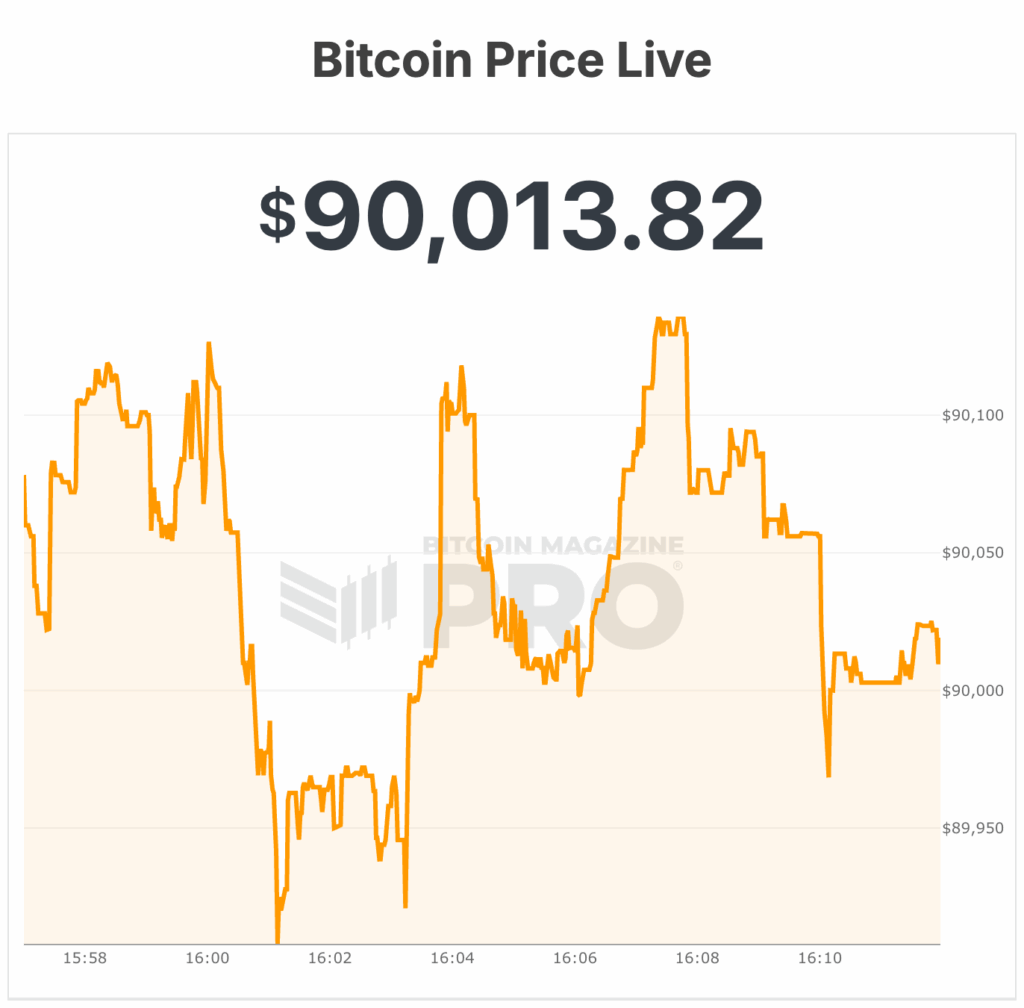

 President Trump says he hopes to sign crypto bill soon.




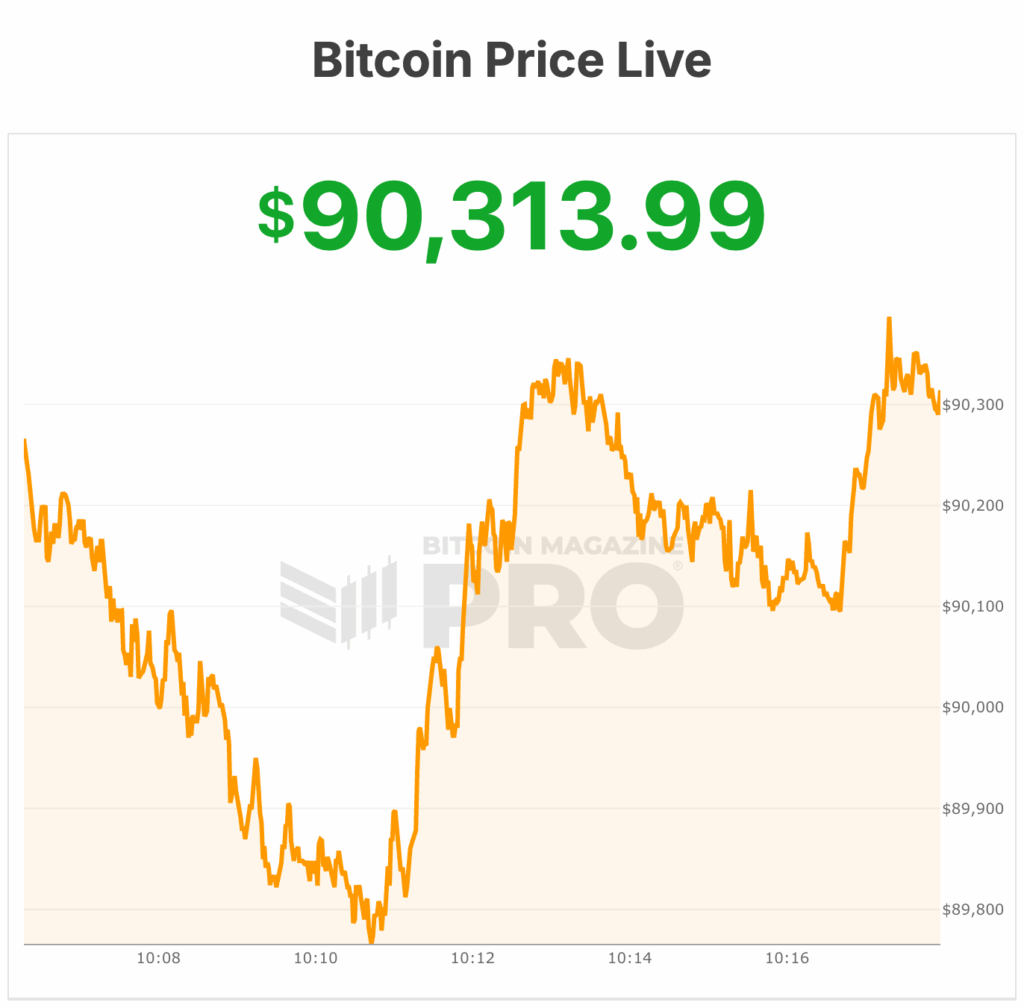

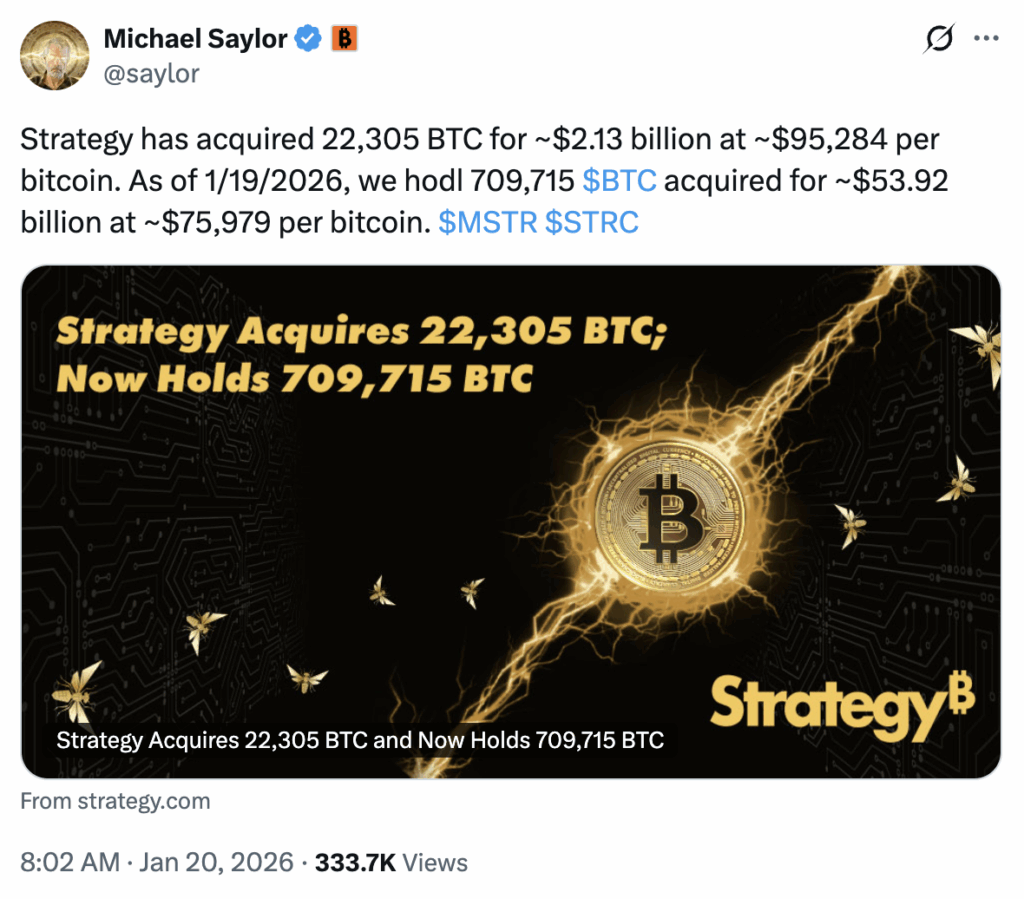


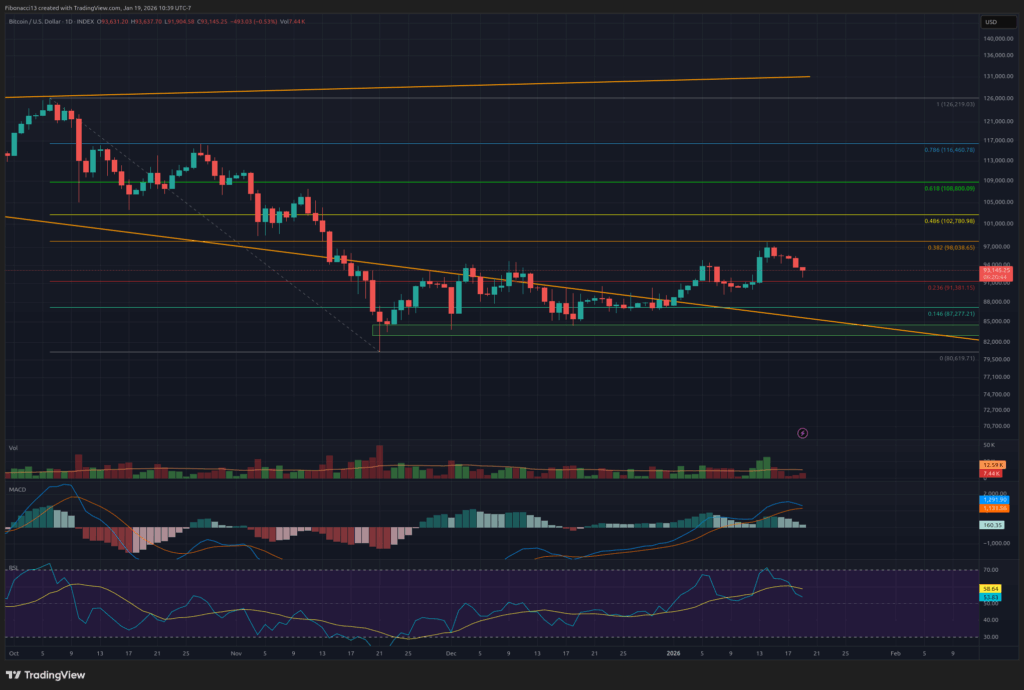
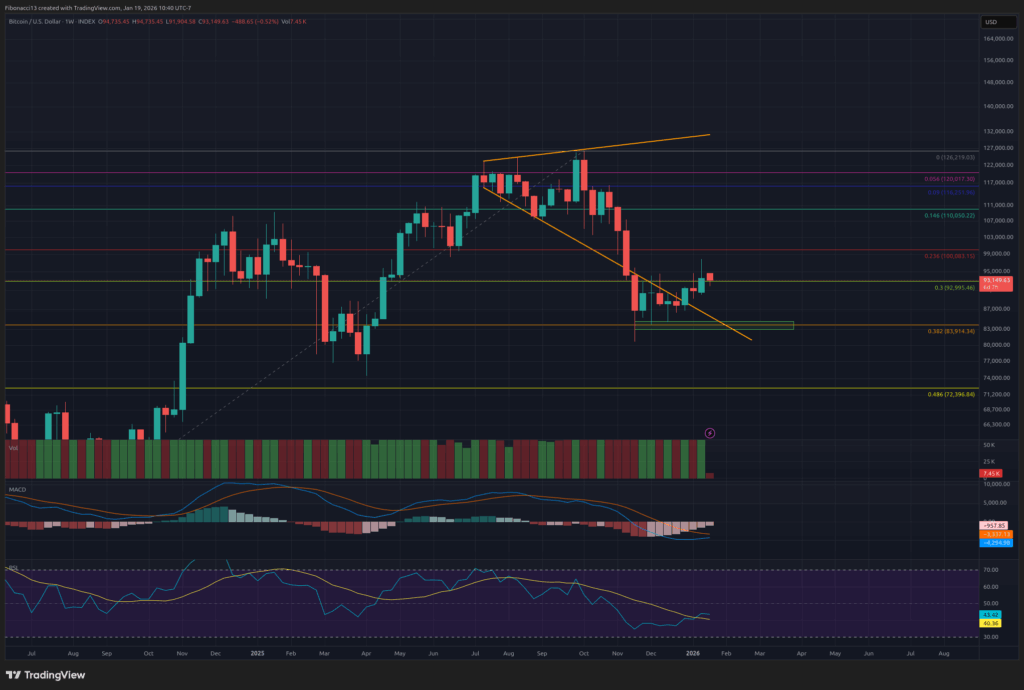
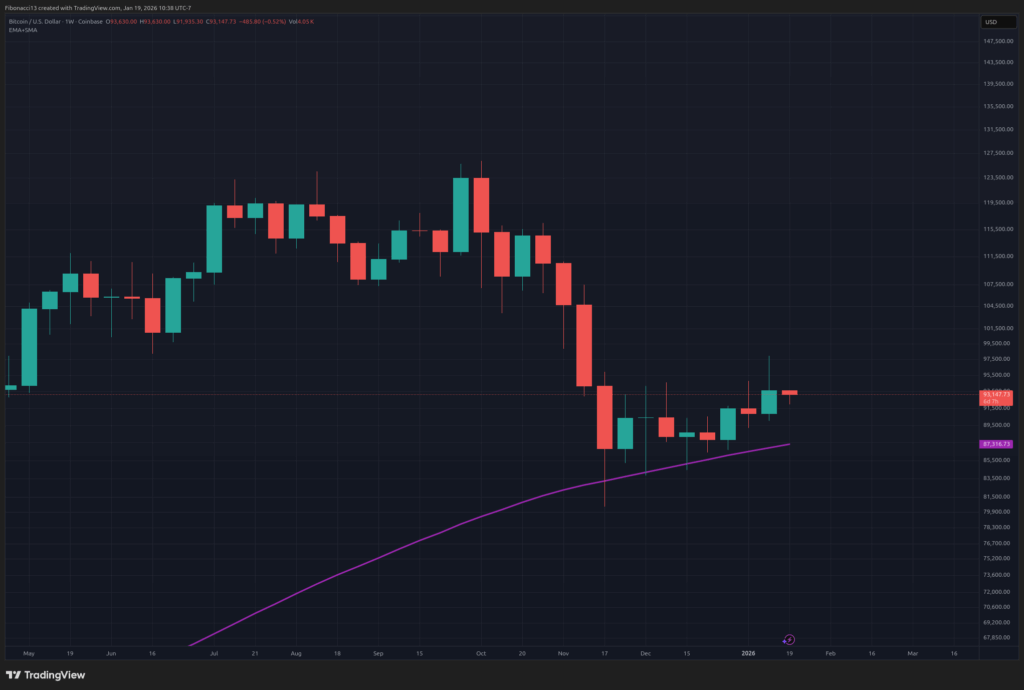









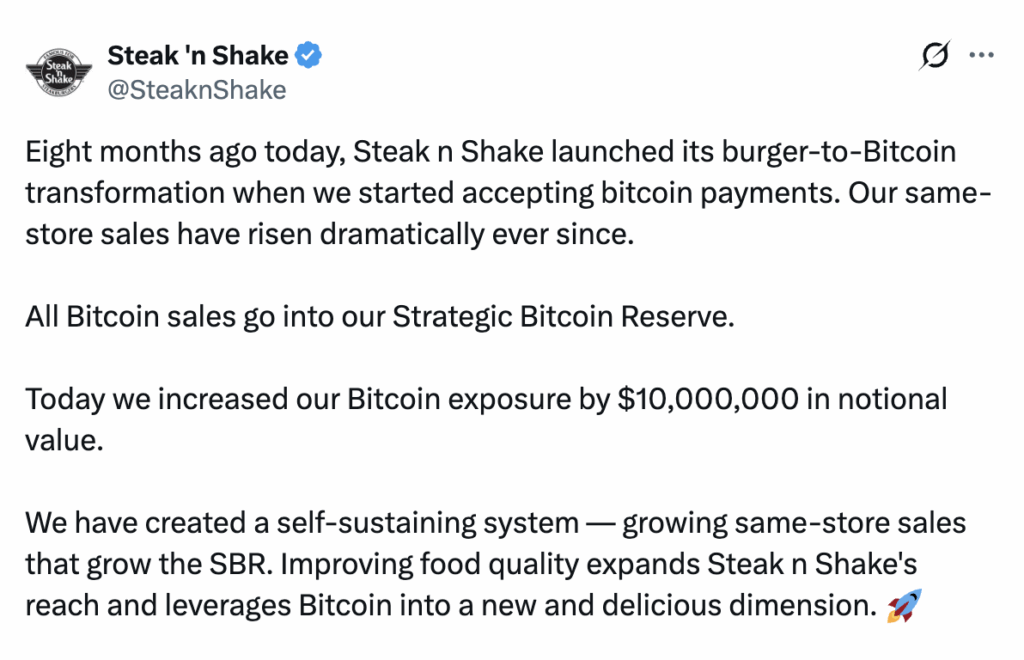







 Iran’s currency has collapsed and is now officially worth $0.
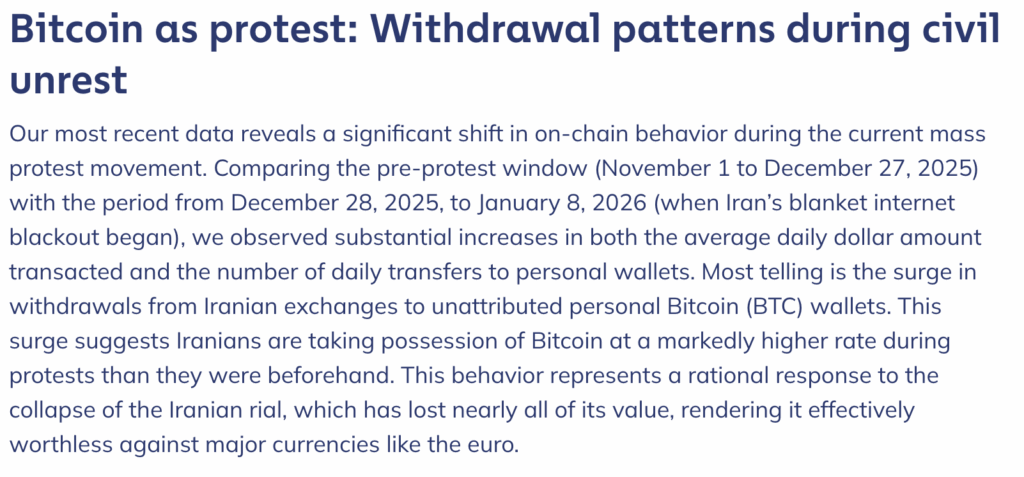


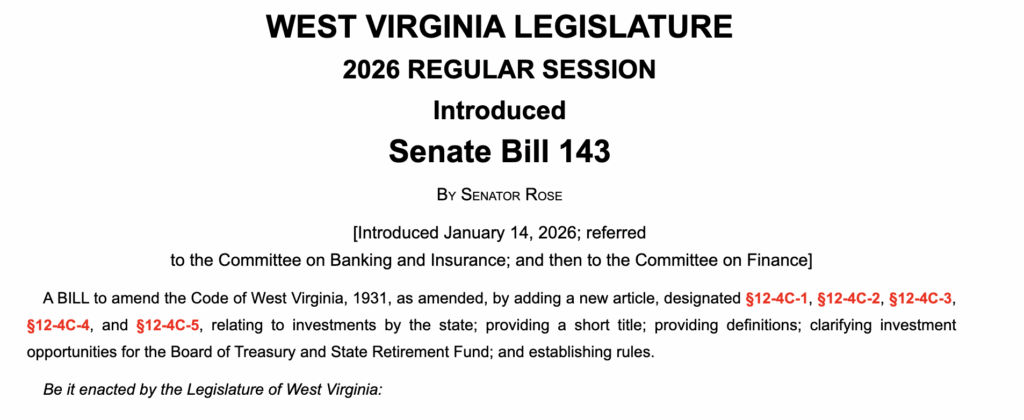


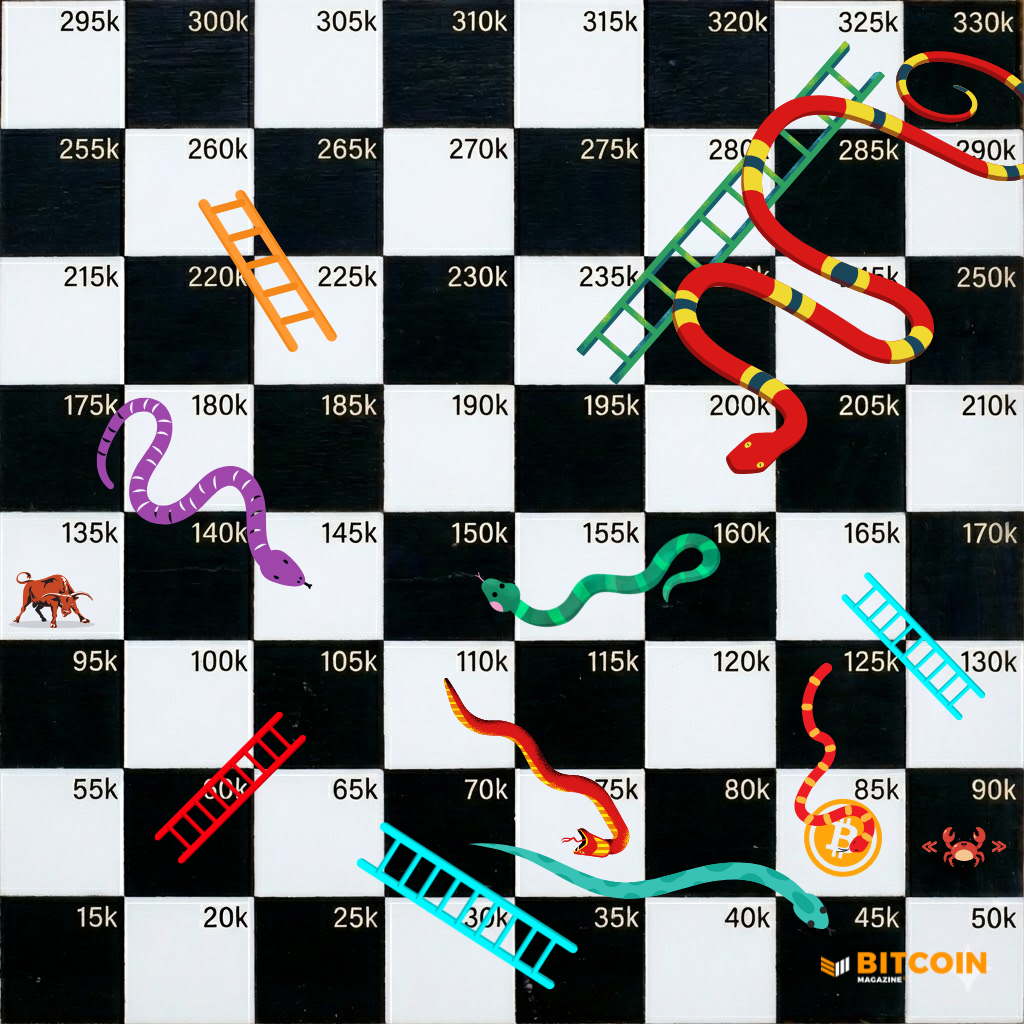
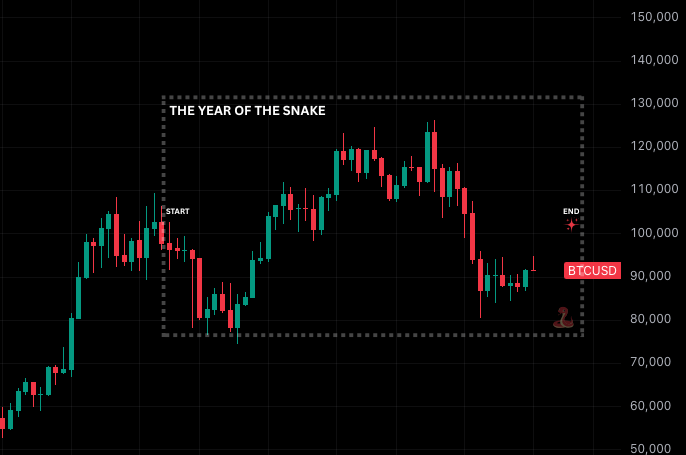

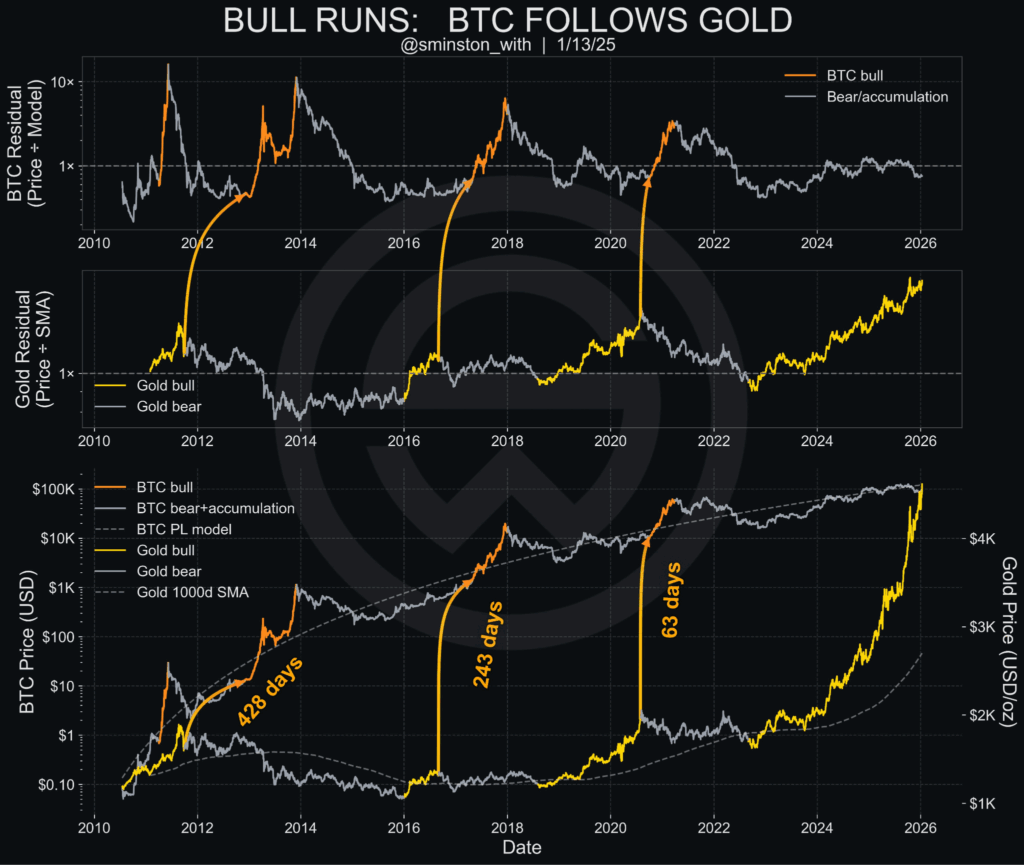
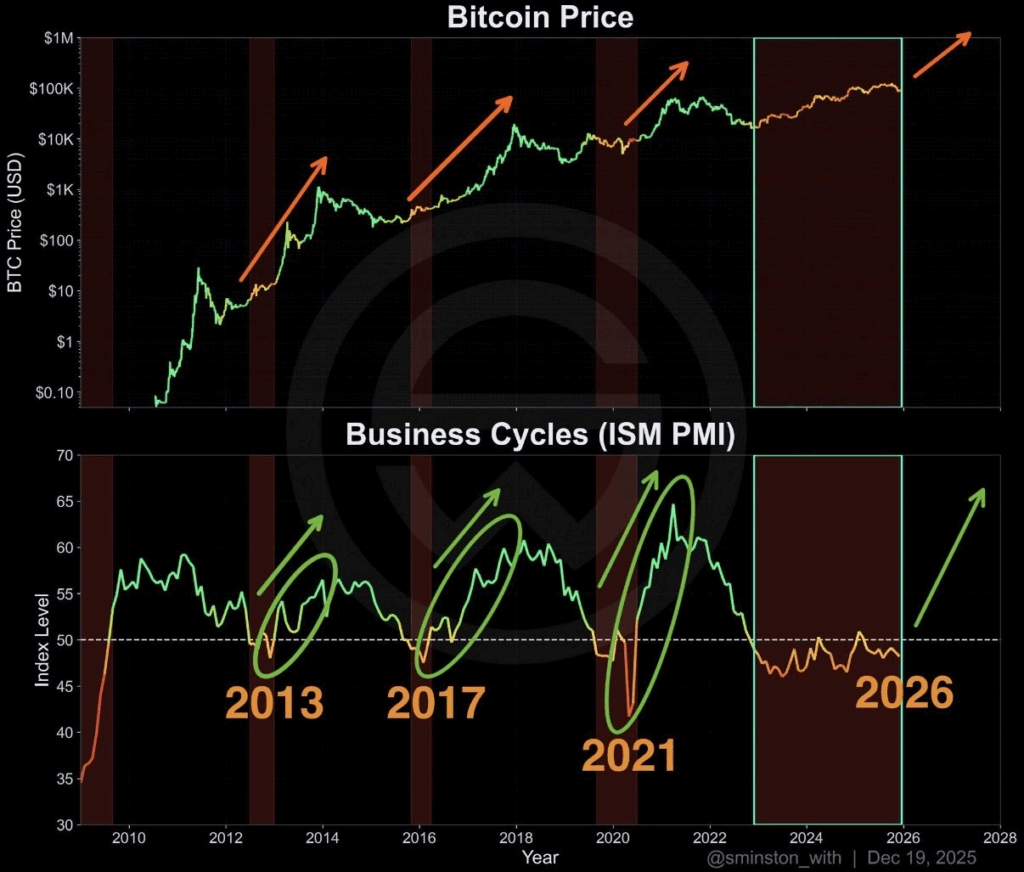
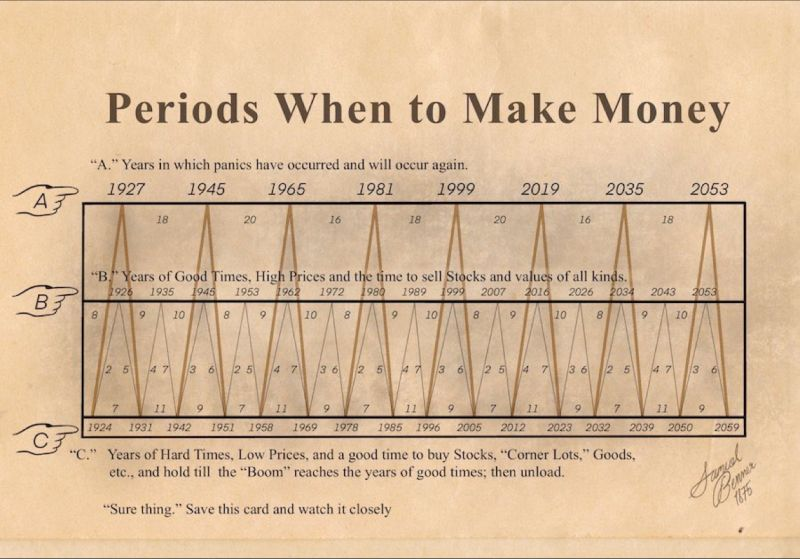




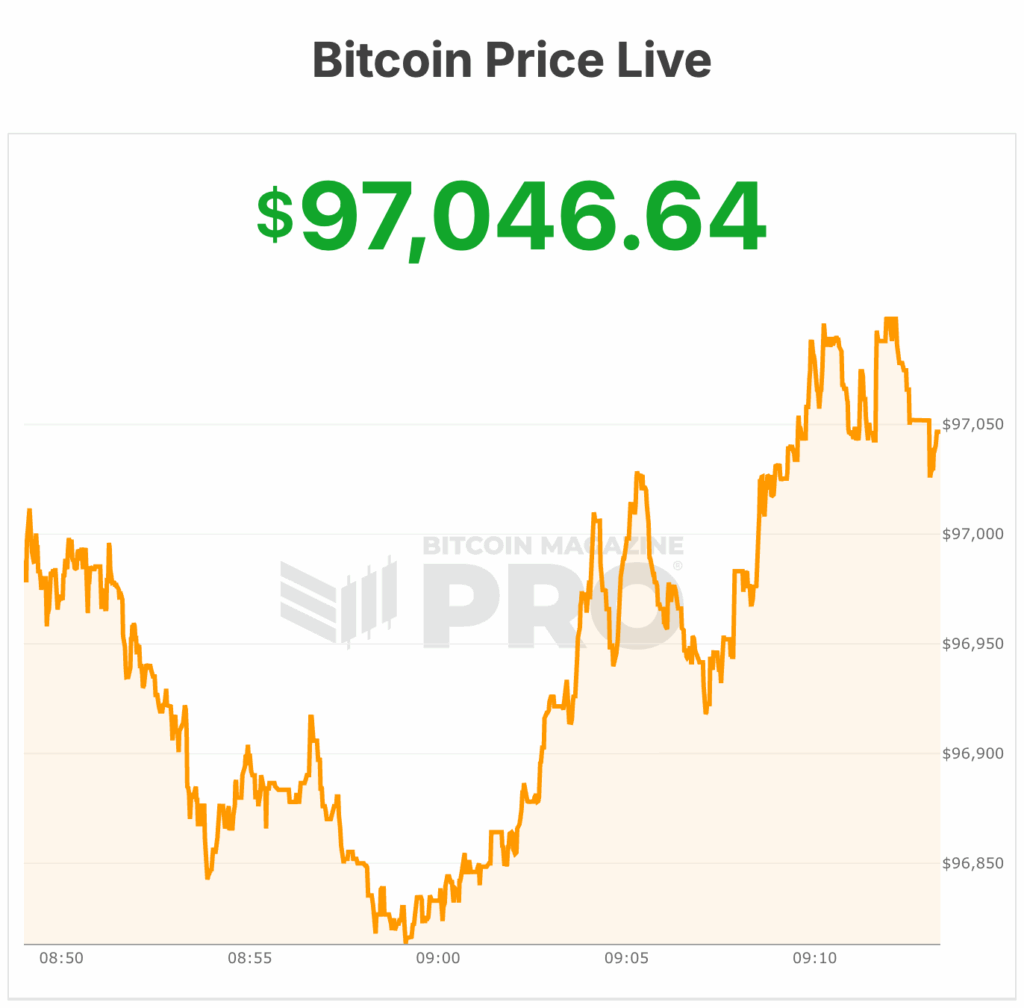







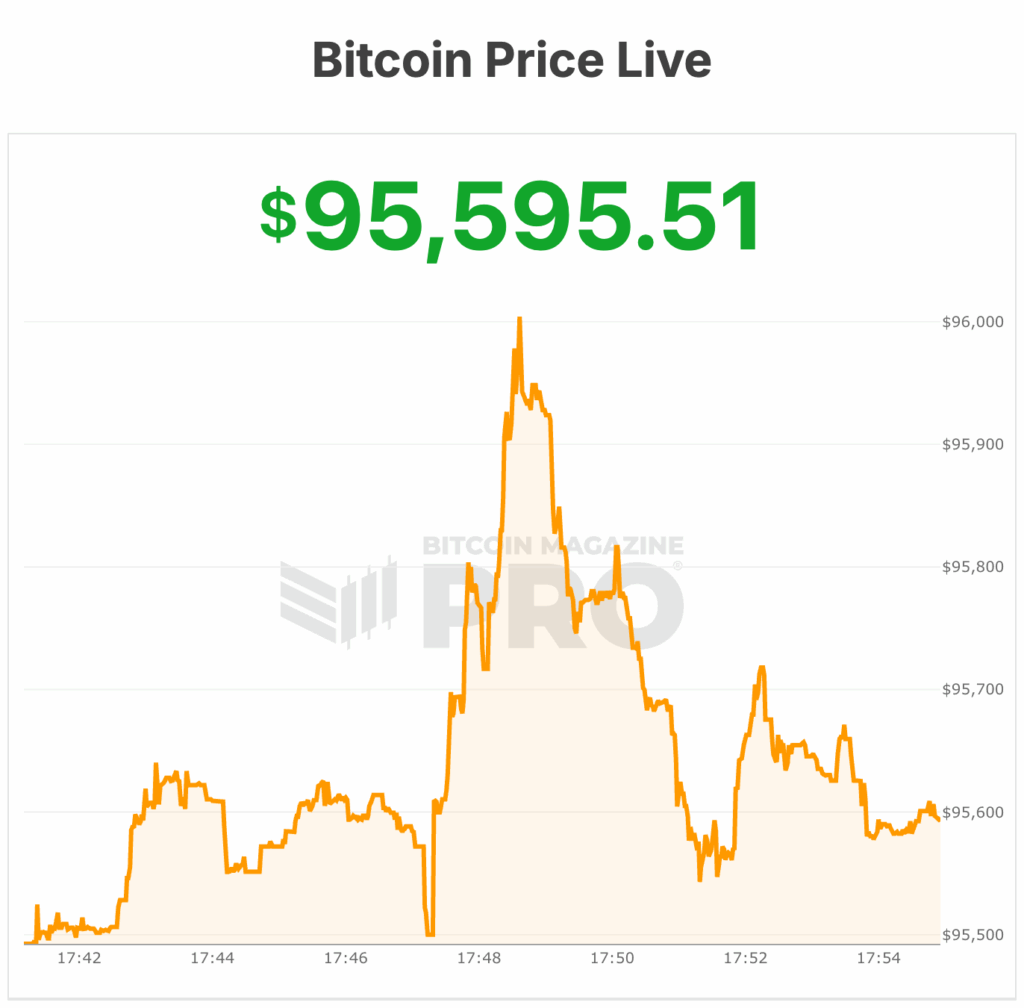


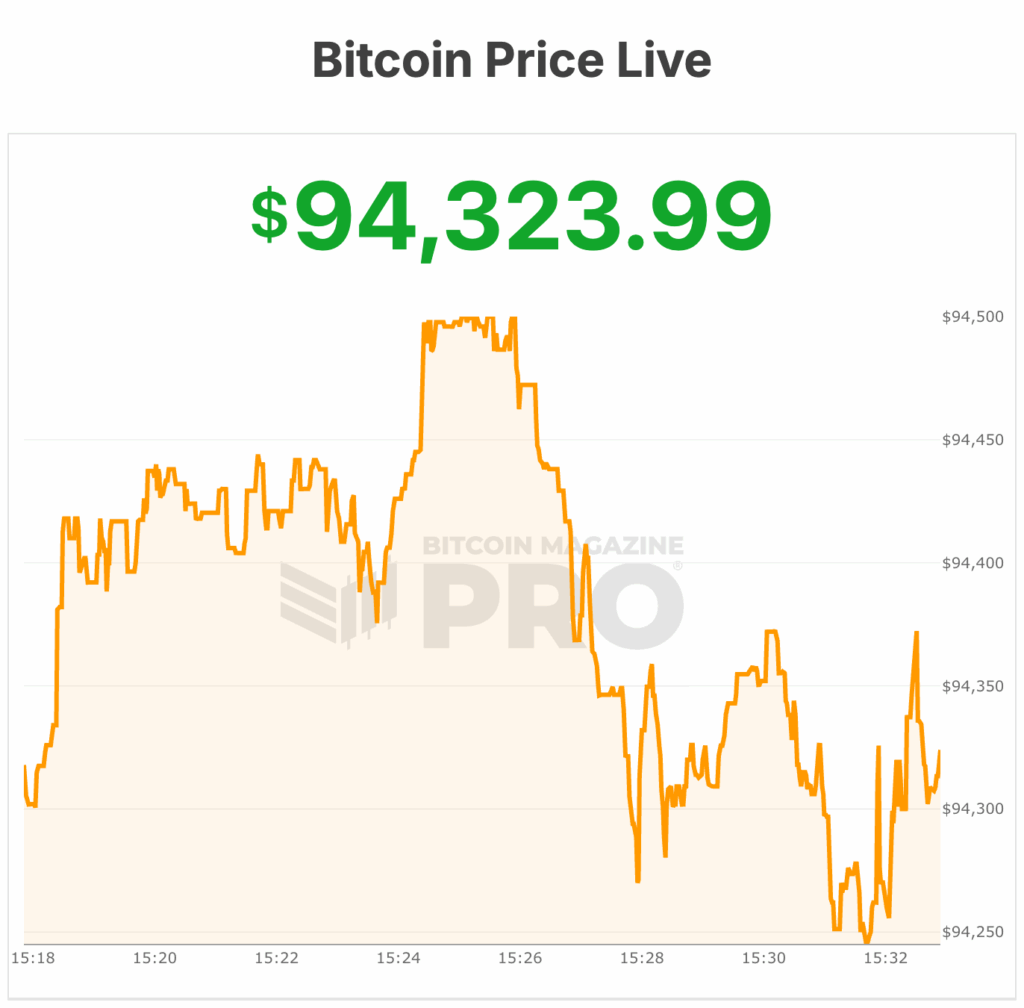







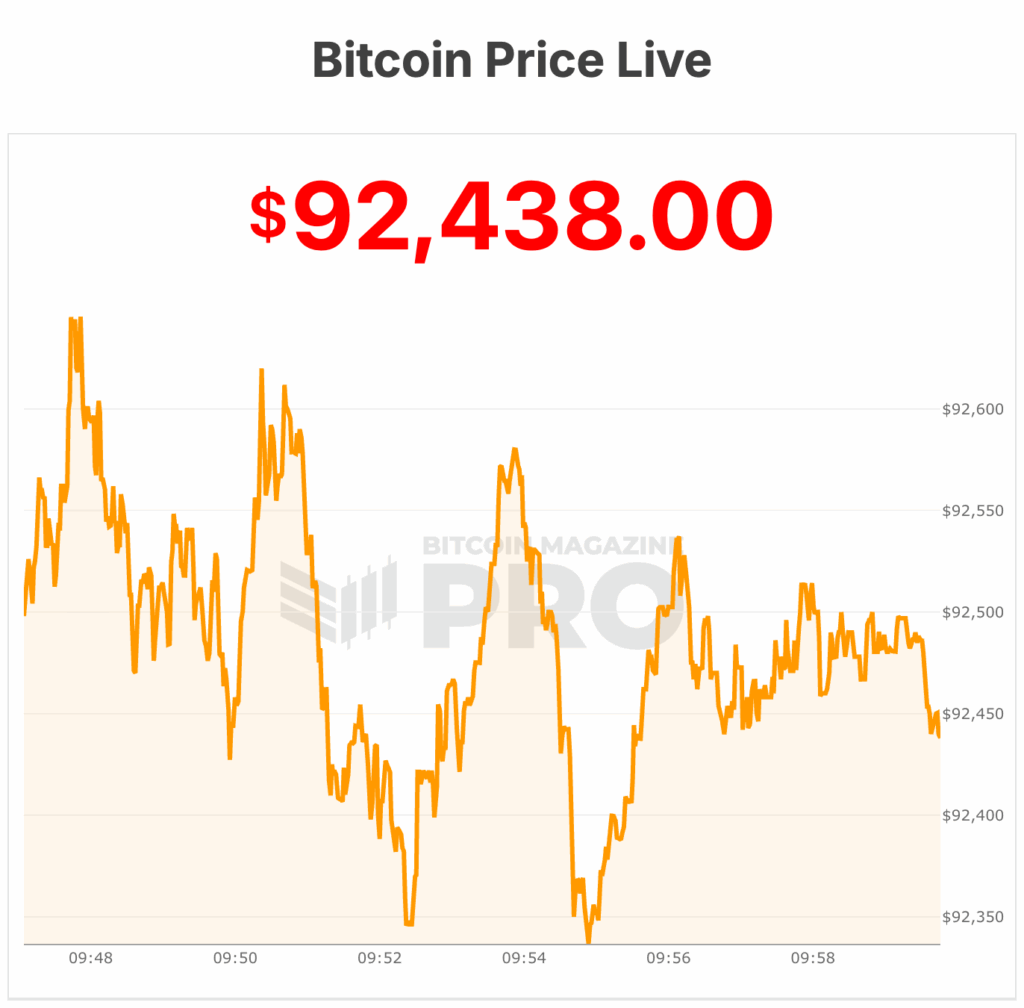






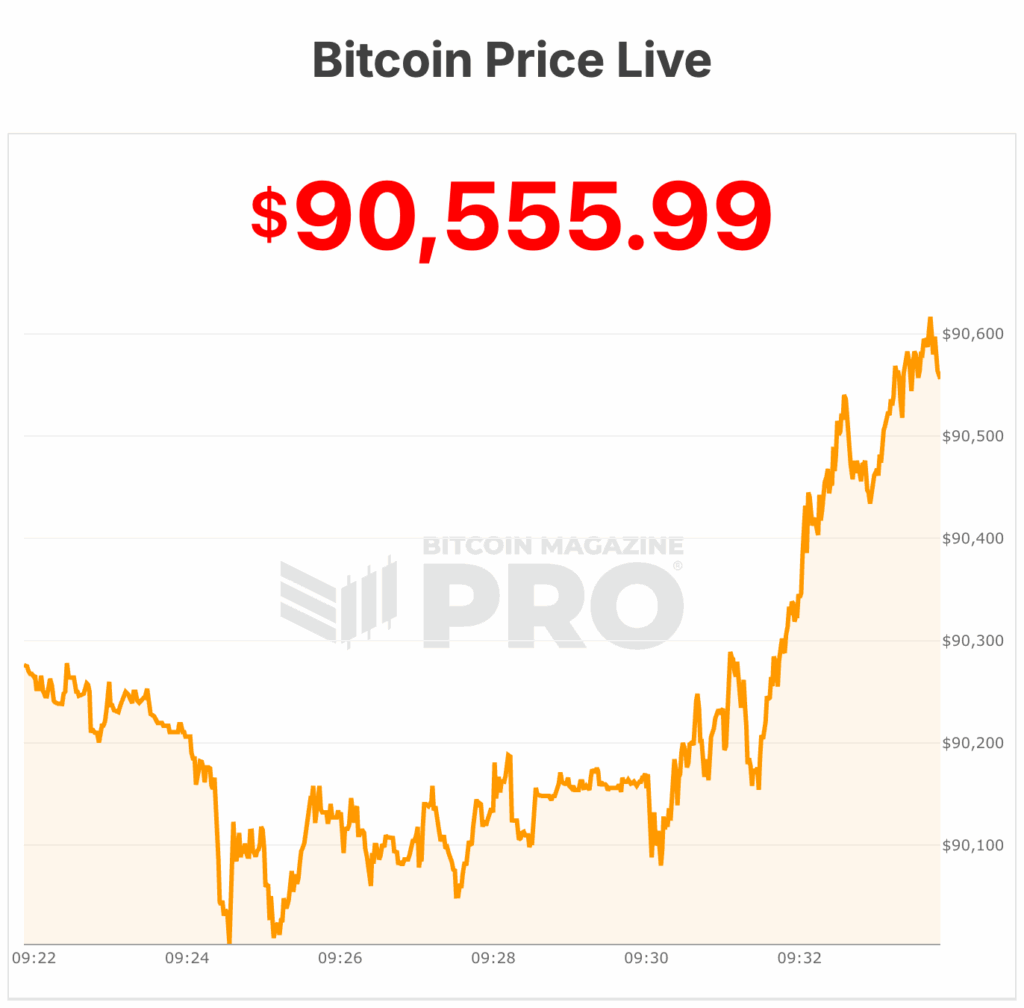





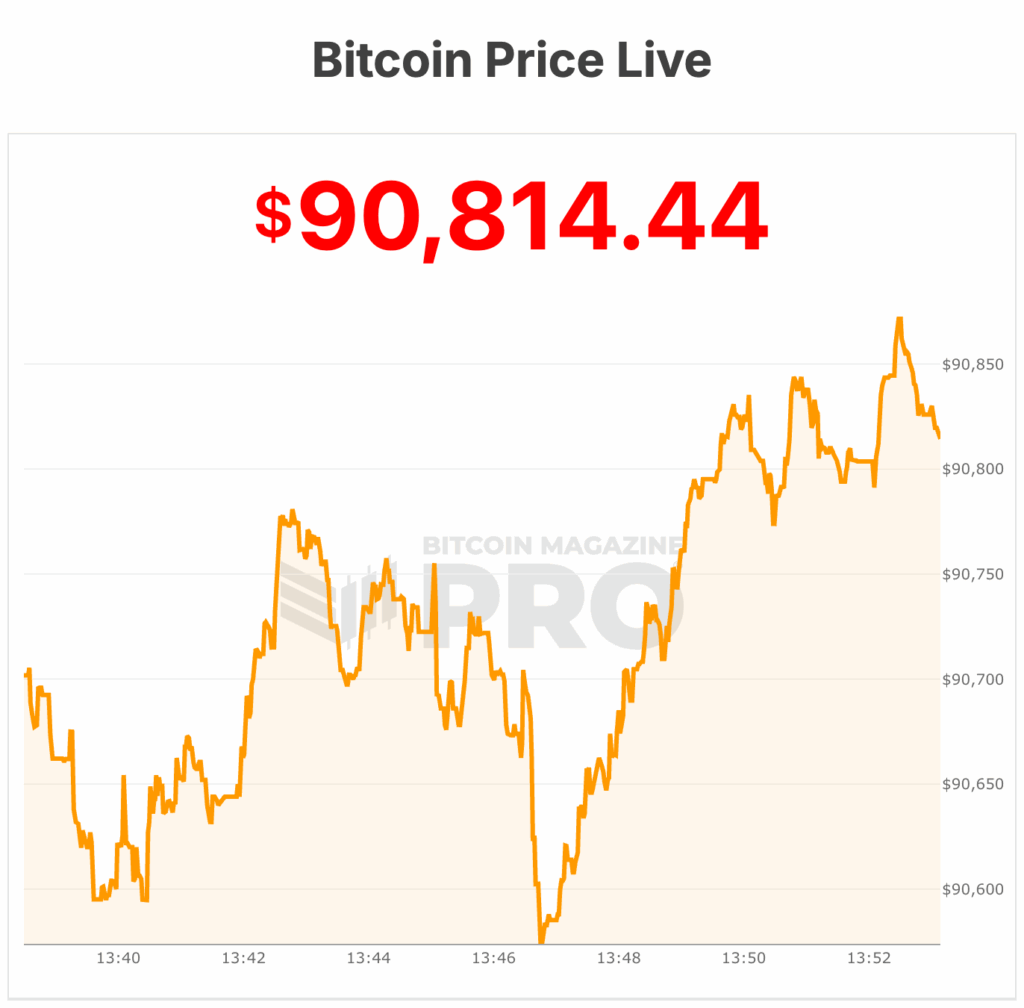

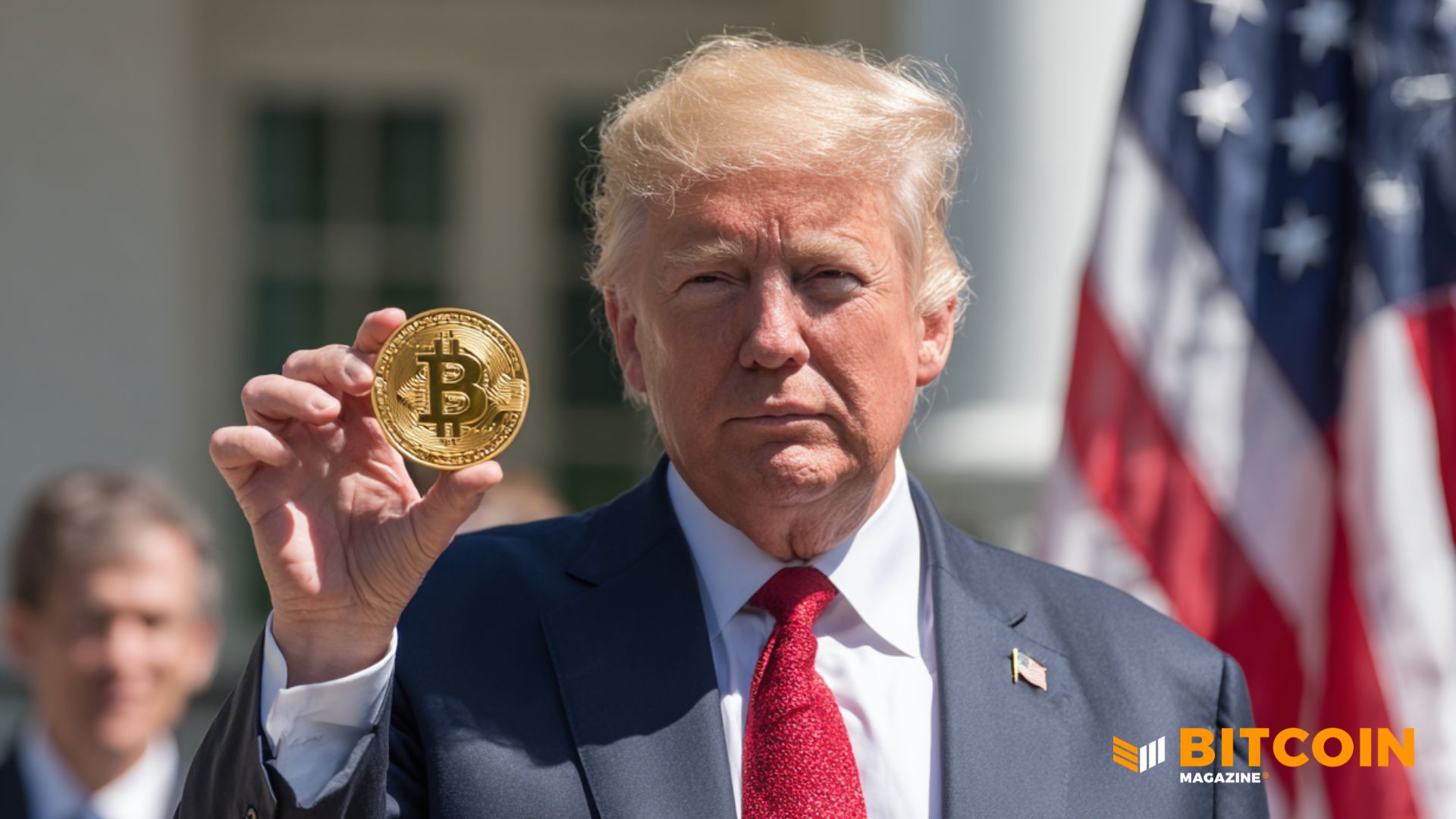











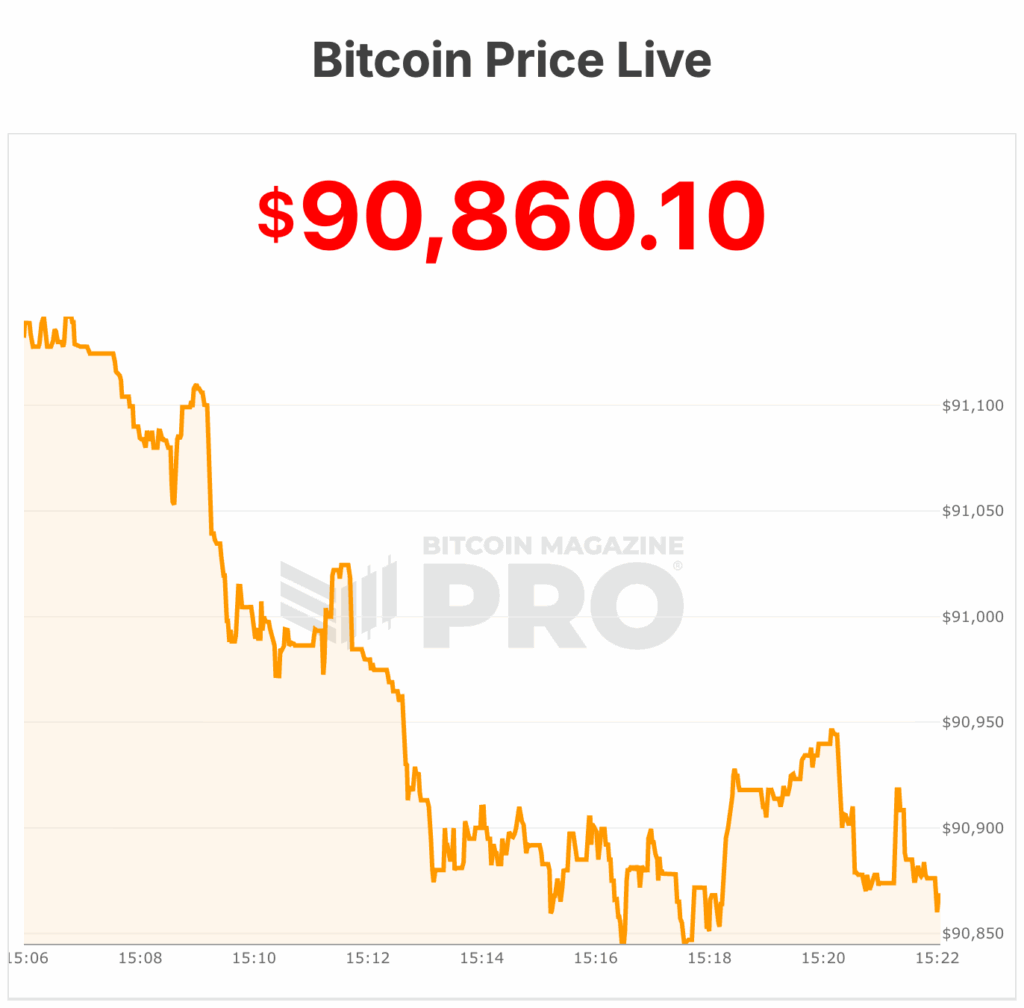








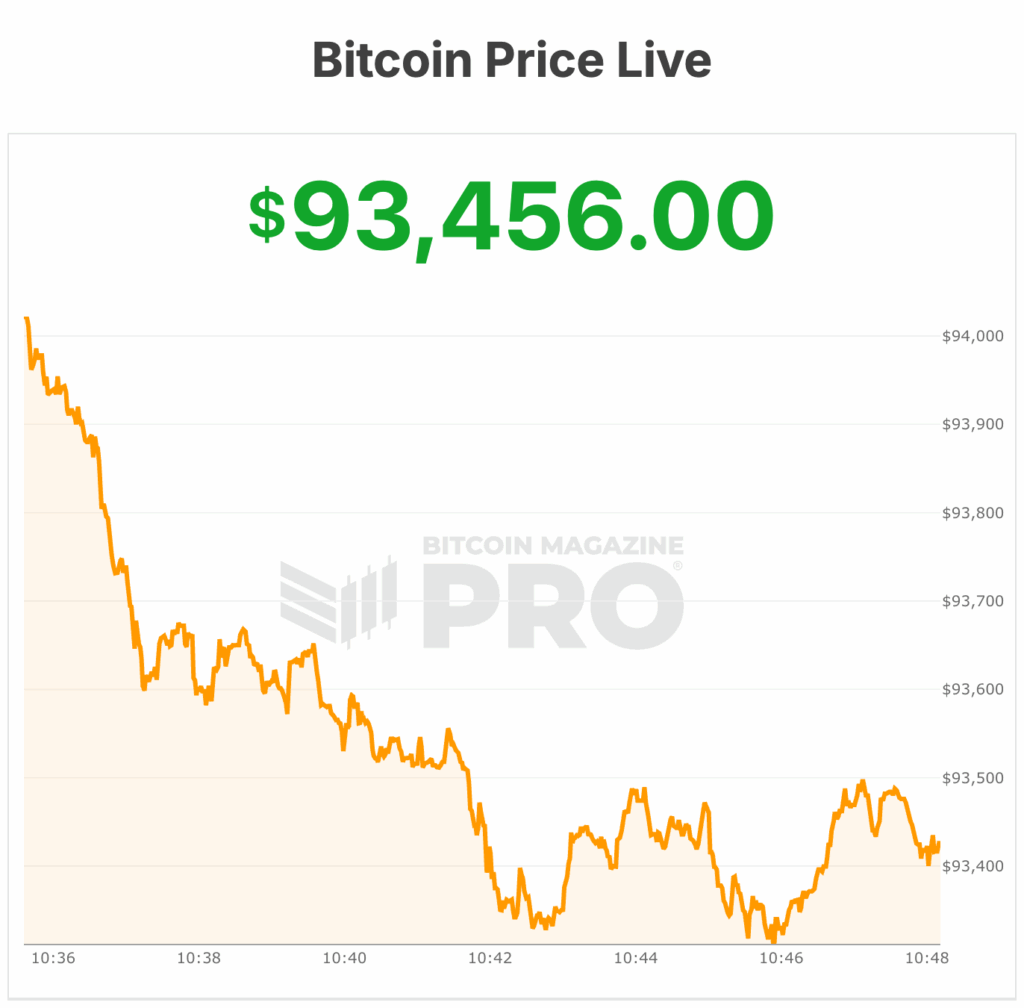


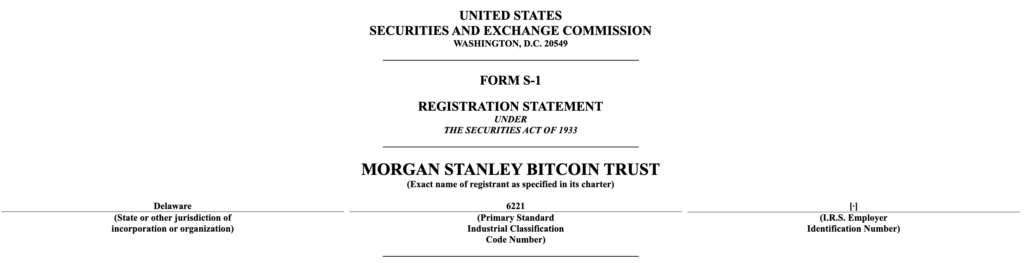

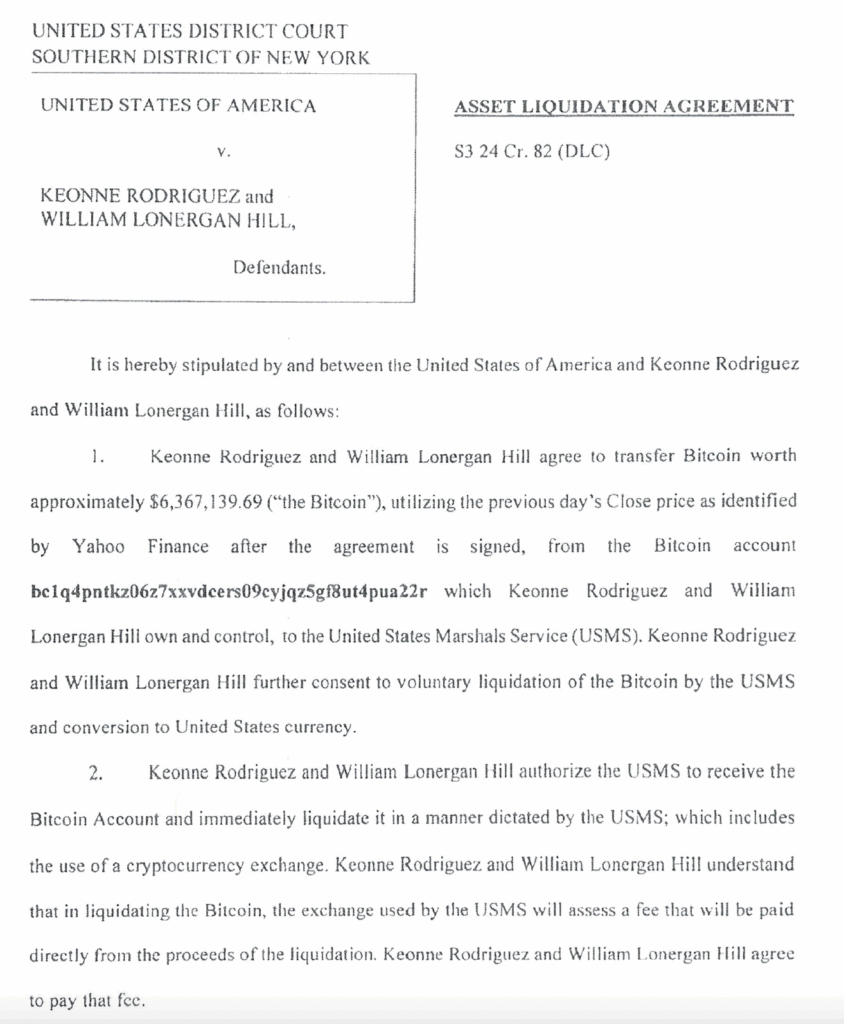
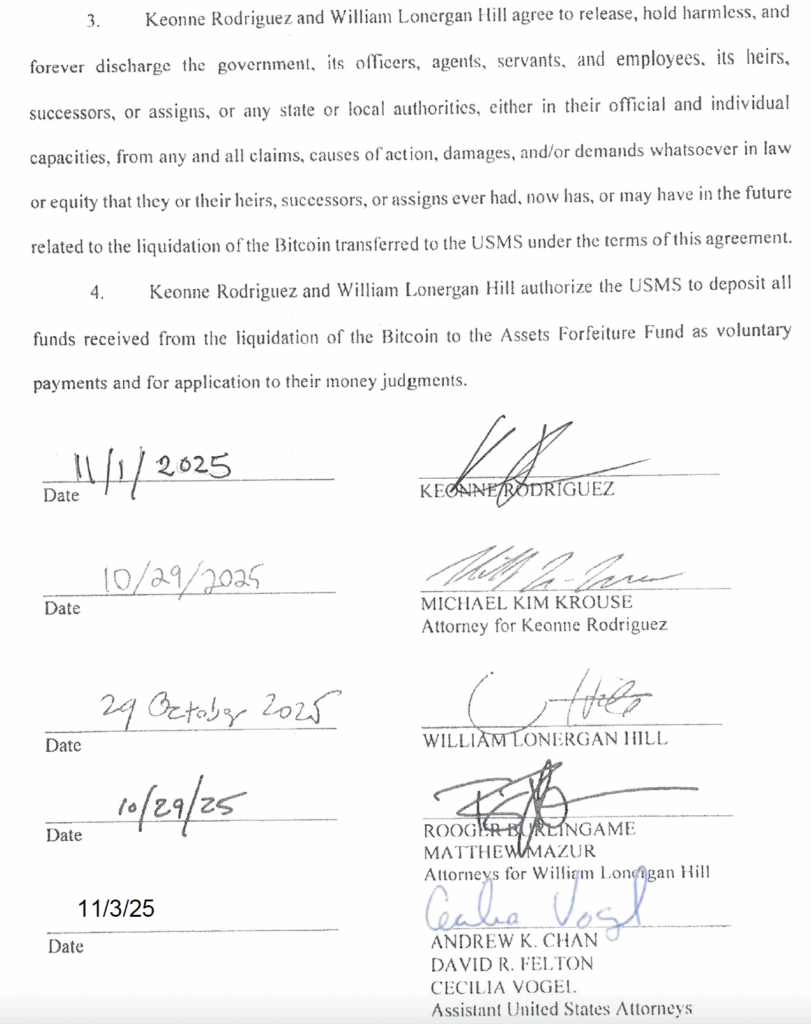






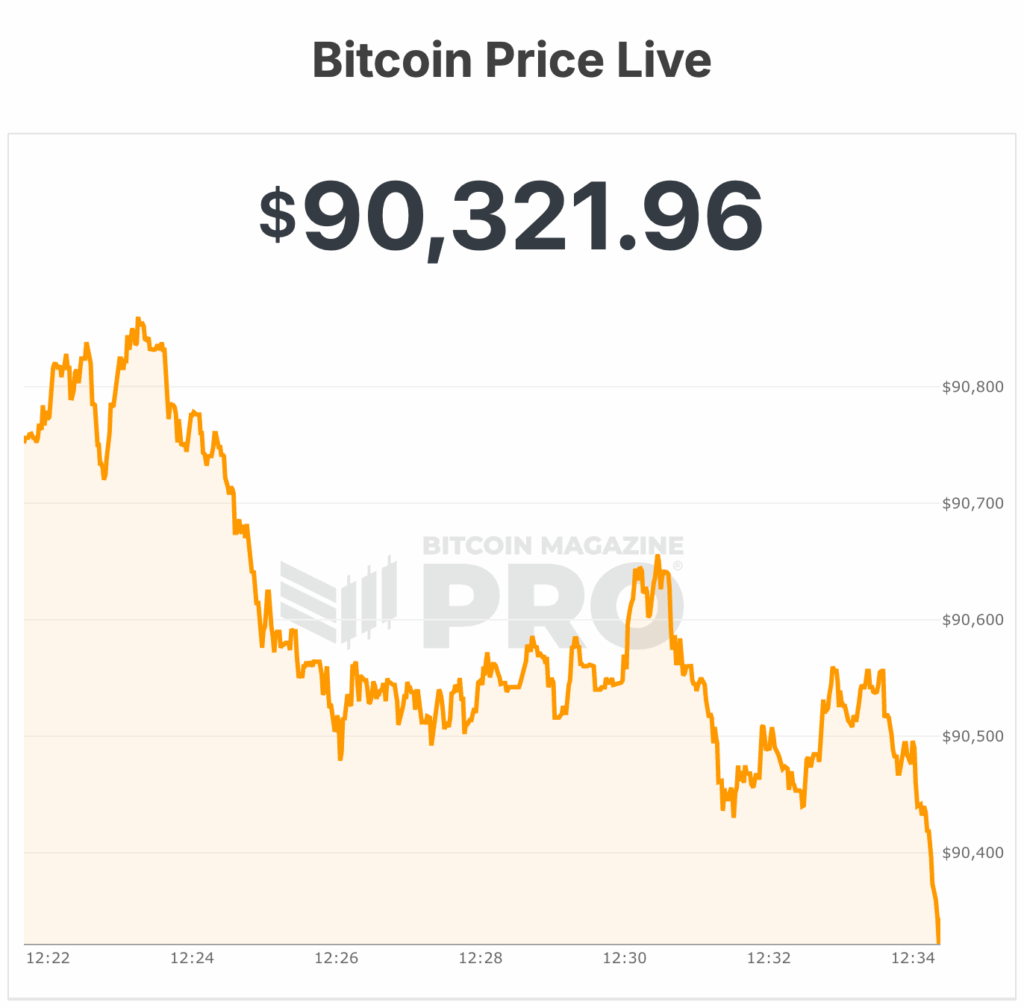



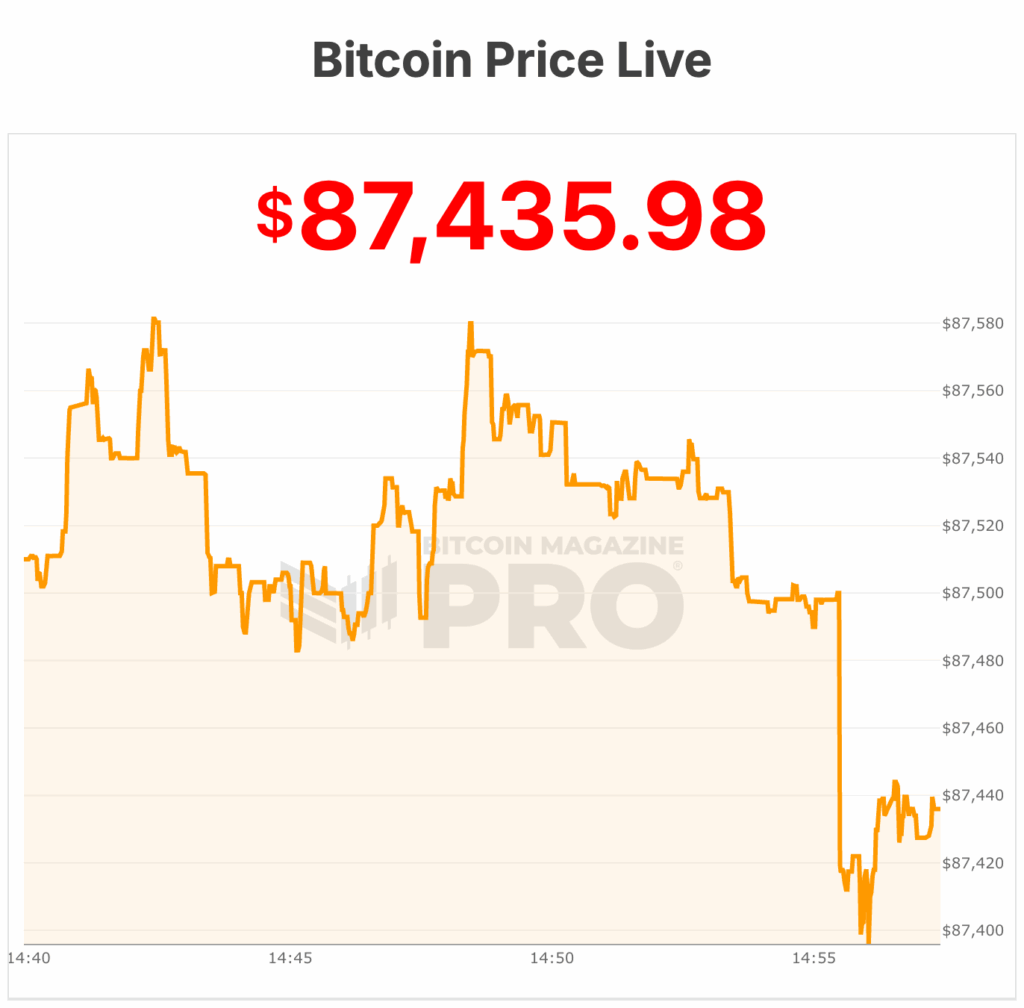




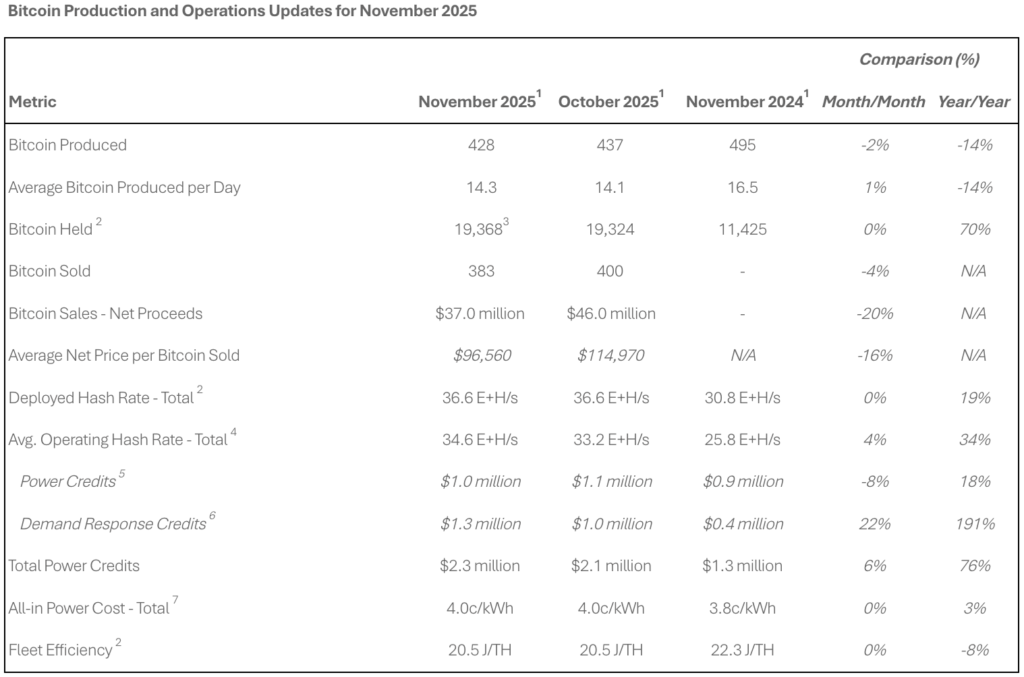





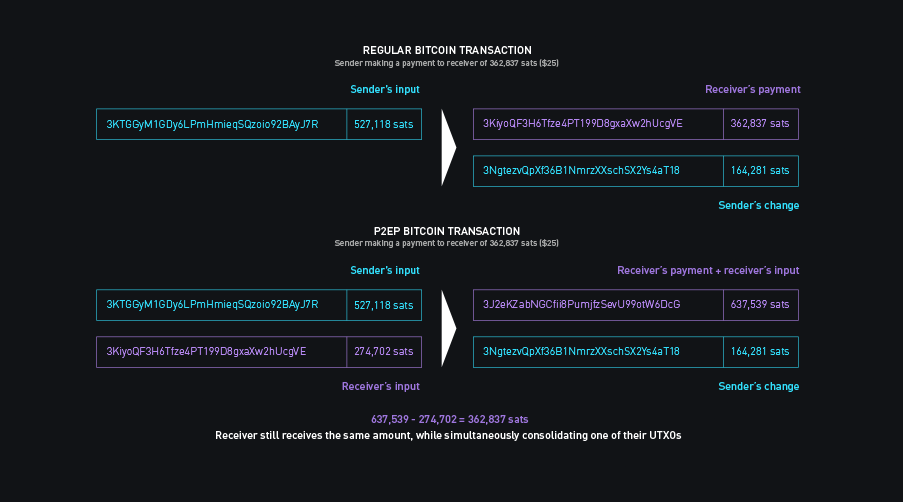


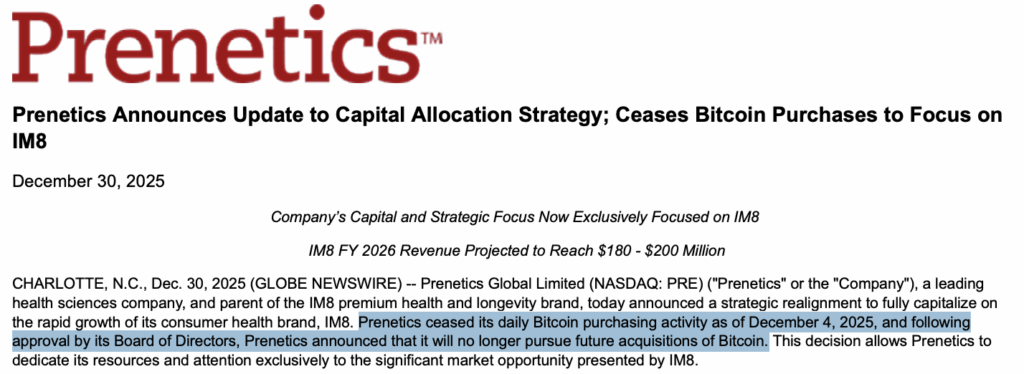



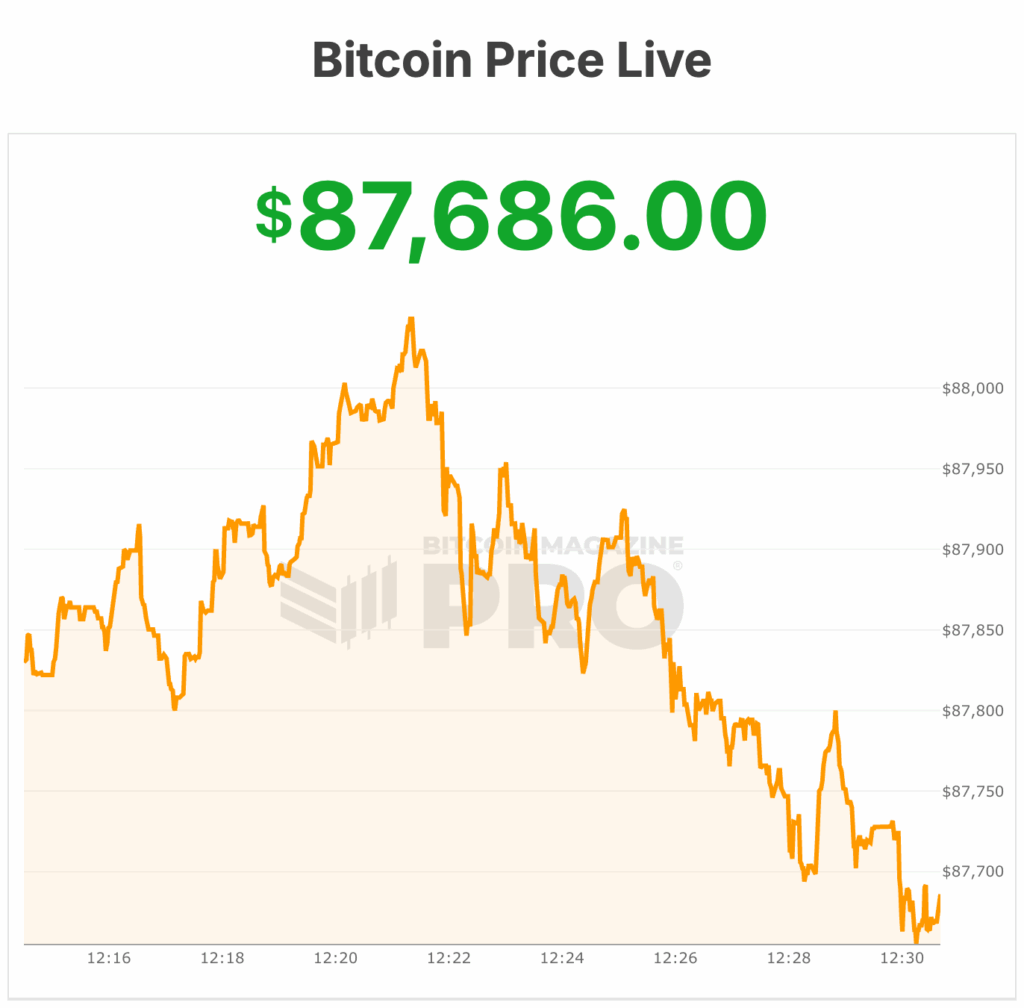










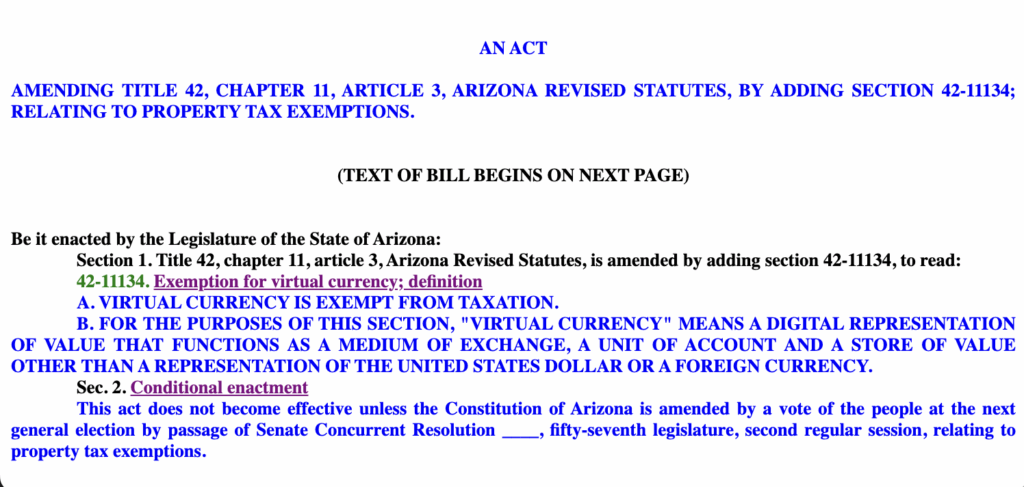

Social Media