I recently sat down with Vitor Pomplona, creator of Nostr client Amethyst, to discuss how Nostr in 2025 is a lot like what Bitcoin was like in 2012 — a bit rough around the edges, but exciting to use.
Nostr, a decentralized protocol for social media and other forms of communication, is only four years old, and developers are still figuring out how to create the best possible user experience within the clients they’ve created. These clients include apps like Primal (which is comparable to X) to Olas (which is like Instagram) to Yakihonne (which is similar to Substack).
What’s unique about Nostr clients, though, is that users can “zap” (send small amounts of) bitcoin to one another to show appreciation for the content their fellow users have created.
And Pomplona is optimistic that more and more Nostr clients are starting to gain traction, just as Bitcoin began to do so 13 years ago.
“We are starting to see communities being formed and more money being transferred,” Pamplona told Bitcoin Magazine in the interview.
A Bitcoin-Fueled Creator Economy
Pomplona acknowledged that part of the purpose of social media is to enable means for users to monetize what they create in ways that they can’t do in their physical environment.
“[Some social media] users want to earn a living,” said Pomplona. “They have hope that they can achieve more with social media than they can alone or in their cities.”
Pamplona believes that Nostr clients can help transform that hope into a reality, and it’s his mission to help users do this.
“That is our end goal: If we can get creators to the point where they can earn a living, we will win as a platform.”
This potential for users to earn a living with Nostr becomes greater everyday, especially as the Nostr user base expands and it continues to grow as the largest bitcoin circular economy in the world.
Amethyst
In creating Amethyst, Pamplona had a vision for a Nostr client that served as an all-in-one app, which was inspired by a plan similar to the one that Elon Musk had for X (formerly Twitter).
“Amethyst came in at the same time that Elon was talking about buying Twitter,” explained Pomplona. “He was like let’s make a mega app out of Twitter, and I went for the same thing.”
While Pomplona understands that Amethyst didn’t quite achieve this, he’s excited that it’s come to play a different role. It serves as a lab for people who are developing new Nostr clients.
“Amethyst is helping everybody kickstart their own applications,” he said. “Olas came from Amethyst.”
Nostr As A Bitcoin Onboarding Tool
Pomplona sees Nostr as a great way to onboard people to Bitcoin, though he doesn’t think this should be the primary goal of Nostr clients.
“The main goal for [Nostr] apps is to get people to do their thing — to get people to be creative, or to talk to their friends or to have a chat with their family,” explained Pomplona.
“No app should ever talk about either Nostr or Bitcoin. They should just be what they are,” he added.
Pamplona believes that, after some time, the app’s users will inevitably start to learn about Nostr’s self-sovereignty Nostr provides when it comes to users being able to control their own data and about Bitcoin.
“[They’ll realize that] it just so happens that the platform helps them to manage their own data, and use best payment protocol we have today.”
And he highlighted that most new users are coming to Nostr because of the freedom and censorship resistance it offers.
“In the past two years, most of the new Nostr users came in because of freedom, because of some censorship in their country,” said Pomplona. “And they learned about Bitcoin after that.”
https://bitcoindevelopers.org/wp-content/uploads/2025/05/Vitor-Pomplona-Amethyst-Nostr-IWmTMM.webp6281200Bitcoin Developerhttps://bitcoindevelopers.org/wp-content/uploads/2024/08/loho_hor_1-300x108.pngBitcoin Developer2025-05-16 20:56:352025-05-16 20:56:35Nostr In 2025 Is A Lot Like Bitcoin In 2012
Steak ‘n Shake has officially launched Bitcoin payments via the Lightning Network, following the announcement reported on May 9. At the time, the fast food chain teased its plans to integrate BTC, generating excitement across the Bitcoin community. And today, it is an option at the cash register, or better said, Bitcoin Register.
— Bitcoin Magazine (@BitcoinMagazine) May 16, 2025
As of today, customers can pay for their meals with Bitcoin at Steak ‘n Shake locations across the United States. This marks a major step in mainstream Bitcoin adoption, as the chain serves over 100 million customers annually and now gives them the option to use Lightning for instant, low-fee transactions.
First Bitcoin purchase in the world with @SteaknShake
Following up, they clarified the scale of the implementation—this isn’t a small test or pilot program. It’s a full rollout across their system.
The Lightning Network, Bitcoin’s second-layer solution, is designed for fast, scalable, and low-cost payments, making it ideal for point-of-sale purchases like burgers and fries. Steak ‘n Shake customers can now scan a Lightning QR code at checkout using any supported wallet, completing transactions in seconds. The system uses a backend payment processor to handle real-time conversion to USD, ensuring stability and ease of use for both the customer and the merchant.
NEW: Fast food giant Steak ‘n Shake will begin accepting Bitcoin payments for their over 100 million customers pic.twitter.com/g1OErM82BI
In Bitcoin Magazine’s previous coverage, the significance of even the hint of this move was noted, and now that it’s official, it confirms Steak ‘n Shake as one of the first major fast food brands to fully embrace Bitcoin through Lightning. This goes beyond the occasional “Bitcoin accepted here” sign; this is a practical, streamlined payment option that reflects a commitment to Bitcoin integration.
Cashback Alert at Steak ’n Shake!
Buy your next meal in Bitcoin Lightning
Pay using Speed Wallet at any @SteaknShake store and get 1,000 SATS cashback via Lightning
More Bonus: Post a video of your payment & tag us — we’ll send you an extra 2,000 SATS to your… pic.twitter.com/D2aV4biJP4
With tools like the Lightning Network making payments faster and more accessible, Steak ‘n Shake is positioning itself at the forefront of a shift toward practical, everyday BTC utility.
This update could signal a larger trend on the horizon. With more brands watching consumer behavior and the Lightning Network’s increasing usability, Steak ‘n Shake’s move might spark a wave of similar integrations.
https://bitcoindevelopers.org/wp-content/uploads/2025/05/Steak-n-Shake-Now-Accepting-Bitcoin-via-Lightning-Network-Across-U.S.-Locations-8IKeQx.jpg6291200Bitcoin Developerhttps://bitcoindevelopers.org/wp-content/uploads/2024/08/loho_hor_1-300x108.pngBitcoin Developer2025-05-16 16:52:382025-05-16 16:52:38Steak ‘n Shake Now Accepting Bitcoin via Lightning Network Across U.S. Locations
Yesterday, Heritage Distilling Holding Company, Inc. (NASDAQ: CASK), a leading U.S. craft spirits producer, announced that it will begin accepting Bitcoin as payment through its direct-to-consumer (DTC) e-commerce platform and will hold bitcoin as strategic assets under a newly approved Cryptocurrency Treasury Reserve Policy.
— Heritage Distilling (@HeritageDistill) May 15, 2025
The policy, approved by the company’s Board of Directors as part of a broader sales and treasury diversification strategy, was developed by the Technology and Cryptocurrency Committee, chaired by tech and digital payments leader Matt Swann. The move makes Heritage the first in the craft spirits sector to formally integrate bitcoin into both its payment and treasury operations.
“A new age of commerce is emerging, with cryptocurrencies leading the way to reduce friction between parties, buyers and sellers of goods and services,” stated Matt Swann on behalf of the Board. “Having been immersed in the convergence of technology and currencies for nearly two decades, it is exciting to see Heritage forge headfirst into the opportunity to combine the power of the consumer and cryptocurrency.”
Heritage’s decision comes amid rapidly growing public interest in digital assets. The company said it estimates that between 65 to 86 million Americans currently hold Bitcoin and crypto, and realizes the opportunity Heritage has to acquire more BTC by accepting it as payment.
“Heritage has always been an innovator and once again we are leading the way in the craft spirits space as we prepare to accept Bitcoin and Dogecoin as a form of payment for online e-commerce sales and to acquire and hold these cryptocurrencies as assets,” commented the CEO of Heritage Justin Stiefel. “As I have noted in the past, unlike traditional investors who purchase crypto with cash and are immediately subject to potential pricing volatility, as a company producing goods for sale, acceptable margins between the retail price of our products and their cost of production is expected to offset potential fluctuations in the value of cryptos we accept as payment. This provides us considerable financial flexibility as we develop product offerings for users and enthusiasts of these fiat alternatives.”
The company sees Bitcoin as a long-term strategic asset and a forward-looking step in connecting with modern consumers while also exploring new efficiencies in financial operations. Heritage is not only integrating Bitcoin as a payment method but also incorporating it into its treasury strategy.
The new Cryptocurrency Treasury Policy can be found here.
https://bitcoindevelopers.org/wp-content/uploads/2025/05/Heritage-Distilling-Now-Accepts-Bitcoin-and-Will-Hold-It-as-a-Company-Asset-idPs4Q.jpg6291200Bitcoin Developerhttps://bitcoindevelopers.org/wp-content/uploads/2024/08/loho_hor_1-300x108.pngBitcoin Developer2025-05-16 16:22:472025-05-16 16:22:47Heritage Distilling Now Accepts Bitcoin and Will Hold It as a Company Asset
Nakamoto Holdings Inc. has been announced as the title sponsor of the Bitcoin 2025 Conference, the world’s largest gathering of Bitcoin enthusiasts, uniting builders, leaders, and believers in the world’s most resilient monetary network. The event will take place May 27-29, 2025, at the Venetian Convention and Expo Center in Las Vegas, Nevada.
— The Bitcoin Conference (@TheBitcoinConf) May 16, 2025
This landmark sponsorship follows Nakamoto’s recent merger with KindlyMD, Inc. (NASDAQ: KDLY), a Utah-based healthcare services provider, announced on May 12, 2025. The $710 million transaction, financed through $510 million raised via private placement in public equity (PIPE) at $1.12 per share and $200 million in senior secured convertible notes maturing in 2028, will create a publicly traded company focused on establishing a robust Bitcoin treasury strategy.
David Bailey, founder of BTC Inc. and Nakamoto Holdings, is seeking to bring Bitcoin to the center of global capital markets. The KindlyMD leadership team will attend Bitcoin 2025, highlighting their commitment to this vision.
The Bitcoin 2025 Conference will feature a keynote speech by Nakamoto’s David Bailey on May 28, following U.S. Vice President JD Vance on the main stage. Bailey will also host an X Spaces event today, May 16, at 1:30 PM EST to discuss Nakamoto’s vision and the conference.
Join thousands of Bitcoin enthusiasts in Las Vegas for three days of groundbreaking discussions, networking, and innovation. For tickets and more information, visitwww.b.tc/conference/2025.
Disclaimer: The Bitcoin 2025 Conference is owned by BTC Inc., Bitcoin Magazine’s parent company, which is affiliated with Nakamoto Holdings Inc. through common ownership. BTC Inc. also has a contractual relationship with Nakamoto to provide marketing services.
https://bitcoindevelopers.org/wp-content/uploads/2025/05/B25-Nakamoto-sxSXLb.jpg6301200Bitcoin Developerhttps://bitcoindevelopers.org/wp-content/uploads/2024/08/loho_hor_1-300x108.pngBitcoin Developer2025-05-16 14:00:252025-05-16 14:00:25Nakamoto to Headline Bitcoin 2025 as Title Sponsor
Bitcoin is surging in 2025, igniting speculation about a historic Bitcoin supercycle. After a volatile start to the year, renewed momentum, recovering sentiment, and bullish metrics have analysts asking: Are we on the cusp of a 2017 Bitcoin bull run repeat? This Bitcoin price analysis explores cycle comparisons, investor behavior, and long-term holder trends to assess the likelihood of an explosive phase in this cryptocurrency market cycle.
How the 2025 Bitcoin Cycle Compares to Past Bull Runs
The latest Bitcoin price surge has reset expectations. According to the BTC Growth Since Cycle Low chart, Bitcoin’s trajectory aligns closely with the 2016–2017 and 2020–2021 cycles, despite macro challenges and drawdowns.
Historically, Bitcoin market cycles peak around 1,100 days from their lows. At approximately 900 days into the current cycle, there may be several hundred days left for potential explosive Bitcoin price growth. But do investor behaviors and market mechanics support a Bitcoin supercycle 2025?
Bitcoin Investor Behavior: Echoes of the 2017 Bull Run
To gauge cryptocurrency investor psychology, the 2-Year Rolling MVRV-Z Score provides critical insights. This advanced metric accounts for lost coins, illiquid supply, growing ETF and institutional holdings, and shifting long-term Bitcoin holder behaviors.
Last year, when Bitcoin price hit ~$73,000, the MVRV-Z Score reached 3.39—a high but not unprecedented level. Retracements followed, mirroring mid-cycle consolidations seen in 2017. Notably, the 2017 cycle featured multiple high-score peaks before its final parabolic Bitcoin rally.
Figure 2: MVRV-Z Score shows behavioral similarities to the 2017 Bitcoin bull run. View Live Chart
Using the Bitcoin Magazine Pro API, a cross-cycle Bitcoin analysis reveals a striking 91.5% behavioral correlation with the 2013 double-peak cycle. With two major tops already—one pre-halving ($74k) and one post-halving ($100k+)—a third all-time high could mark Bitcoin’s first-ever triple-peak bull cycle, a potential hallmark of a Bitcoin supercycle.
Figure 3: Cross-cycle behavioral correlations using rolling MVRV-Z scores and price action.
The 2017 cycle shows a 58.6% behavioral correlation, while 2021’s investor behavior is less similar, though its Bitcoin price action correlates at ~75%.
Long-Term Bitcoin Holders Signal Strong Confidence
The 1+ Year HODL Wave shows the percentage of BTC unmoved for a year or more continues to rise, even as prices climb—a rare trend in bull markets that reflects strong long-term holder conviction.
Figure 4: The rate of change in the 1+ Year HODL Wave suggests confidence in future Bitcoin prices. View Live Chart
Historically, sharp rises in the HODL wave’s rate of change signal major bottoms, while sharp declines mark tops. Currently, the metric is at a neutral inflection point, far from peak distribution, indicating long-term Bitcoin investors expect significantly higher prices.
Bitcoin Supercycle or More Consolidation?
Could Bitcoin replicate 2017’s euphoric parabolic rally? It’s possible, but this cycle may carve a unique path, blending historical patterns with modern cryptocurrency market dynamics.
Figure 5: A repeat of 2017’s exponential Bitcoin price growth may be ambitious.
We may be approaching a third major peak within this cycle—a first in Bitcoin’s history. Whether this triggers a full Bitcoin supercycle melt-up remains uncertain, but key metrics suggest BTC is far from topping. Supply is tight, long-term holders remain steadfast, and demand is rising, driven by stablecoin growth, institutional Bitcoin investment, and ETF flows.
Conclusion: Is a $150k Bitcoin Rally in Sight?
Drawing direct parallels to 2017 or 2013 is tempting, but Bitcoin is no longer a fringe asset. As a maturing, institutionalized market, its behavior evolves, yet the potential for explosive Bitcoin growth persists.
Historical Bitcoin cycle correlations remain high, investor behavior is healthy, and technical indicators signal room to run. With no major signs of capitulation, profit-taking, or macro exhaustion, the stage is set for sustained Bitcoin price expansion. Whether this delivers a $150k rally or beyond, the 2025 Bitcoin bull run could be one for the history books.
For more deep-dive research, technical indicators, real-time market alerts, and access to a growing community of analysts, visit BitcoinMagazinePro.com.
Disclaimer: This article is for informational purposes only and should not be considered financial advice. Always do your own research before making any investment decisions.
Mubadala, Abu Dhabi’s sovereign wealth fund, disclosed a $408.5 million stake in the iShares Bitcoin Trust (IBIT), according to a 13F filing released today. The fund reported holding 8,726,972 shares as of March 31, 2025, an increase from 8,235,533 shares reported at the end of 2024.
In a 13F filed today, Mubadala, the Abu Dhabi sovereign wealth fund, disclosed owning 8,726,972 shares of IBIT as of March 31, valued at $408.5 million.
That’s an increase from 8,235,533 shares previously reported as of December 31.
This big move from Mubadala adds fuel to the fire for U.S. spot Bitcoin ETFs, which have been raking in serious inflows this May. Seeing collective total inflows of $674.9 million on May 2, $425.45 million on May 5, and $334.58 million on May 9, and counting, including a $319.12 million inflow yesterday. IBIT, BlackRock’s Bitcoin ETF, continues to stand out as a top choice for institutional investors, taking in $232.46 million of that alone.
Mubadala’s increased exposure coincides with high-level discussions between U.S. crypto policy leaders and the UAE. Newly appointed President Trump’s AI and Crypto Czar David Sacks met with Emirati officials earlier this year on March 20 to explore the future of digital currencies and artificial intelligence.
“I explored with David Sacks, the Special Advisor on AI and Crypto, the transformative effects of artificial intelligence across various sectors, the expanding role of digital currencies in reshaping financial systems, and the investment opportunities emerging at their convergence,” said on X Tahnoon Bin Zayed Al Nahyan. “As technological advancements accelerate, fostering collaboration and adopting forward-looking strategies remain essential pillars for driving sustainable growth and achieving long-term impact.”
I explored with @davidsacks47 , the Special Advisor on AI and Crypto, the transformative effects of artificial intelligence across various sectors, the expanding role of digital currencies in reshaping financial systems, and the investment opportunities emerging at their… pic.twitter.com/BXz5ZTl5FV
— Tahnoon Bin Zayed Al Nahyan (@hhtbzayed) March 20, 2025
The UAE has seen a notable increase in Bitcoin adoption in the last year, including hosting the Bitcoin MENA Conference in Abu Dhabi, that attracted big names like Eric Trump to deliver impassioned remarks about Bitcoin. Trump argued that hesitation to embrace change is nothing new. He shared a story about a friend who dismissed Bitcoin only to see his own bank adopt it shortly afterward.
“People are slow as hell to adapt to new technology,” said Eric Trump. “We’re going to see banks have to adapt. Governments will adapt. Those who embrace this digital revolution early are going to be the ones who win.”
Trump called Bitcoin a “global asset” that protects against uncertainty and disruptions, highlighting its decentralized system as a better alternative to the costly inefficiencies of traditional finance.
“Bitcoin is a store of value,” added Eric Trump. “It’s a hedge against inflation. It’s a hedge against political turmoil, political instability, acts of God, hurricanes, fires, floods, tornadoes. That’s what makes it so powerful.”
“I am confident that Bitcoin is going to hit $1 million,” he said.
NEW: Eric Trump just delivered one of the most bullish #Bitcoin speeches ever in the capital of the UAE
https://bitcoindevelopers.org/wp-content/uploads/2025/05/Abu-Dhabis-Sovereign-Wealth-Fund-Reveals-408-Million-Investment-In-BlackRocks-Bitcoin-ETF-eV7WlF.jpg6291200Bitcoin Developerhttps://bitcoindevelopers.org/wp-content/uploads/2024/08/loho_hor_1-300x108.pngBitcoin Developer2025-05-15 21:15:092025-05-15 21:15:09Abu Dhabi’s Sovereign Wealth Fund Reveals $408 Million Investment In BlackRock’s Bitcoin ETF
DDC Enterprise Ltd., a China- and U.S.-based consumer brand and e-commerce company, has announced plans to adopt Bitcoin as a strategic reserve asset, targeting the accumulation of 5,000 BTC over the next 36 months. The move, revealed in a shareholder letter today by Founder, Chairwoman, and CEO Norma Chu, positions DDC as one of the first companies in its sector to embrace Bitcoin as part of its core financial strategy.
JUST IN: Chinese public company DDC Enterprise to adopt a Strategic #Bitcoin Reserve, plans to buy 5,000 BTC. pic.twitter.com/wZ9278EZTc
— Bitcoin Magazine (@BitcoinMagazine) May 15, 2025
“I am exceptionally enthusiastic to announce DDC’s Bitcoin Accumulation Strategy, a cornerstone of our long-term value creation plan,” said Chu. “Bitcoin’s unique properties as a store of value and hedge against macroeconomic uncertainty align perfectly with our vision to diversify reserves and enhance shareholder returns.”
The strategy begins with an immediate purchase of 100 BTC, with short-term goals to acquire 500 BTC within six months, still with an overall target to hit 5,000 BTC in 36 months on the agenda. DDC will implement the plan under the guidance of a newly expanded crypto-familiar advisory board and treasury management team, ensuring optimal execution.
“Our team’s relentless focus on operational efficiency and strategic reinvestment has positioned DDC as a leaner, more agile organization, ready to capitalize on emerging opportunities,” Chu said.
The announcement comes after a record-breaking financial year for DDC in 2024. The company reported USD 37.4 million in revenue, representing a 33% year-over-year increase. Gross profit margin improved to 28.4%—up from 25.0% in 2023—thanks to strategic U.S. acquisitions and efficient operations in China. Shareholders’ equity rose 33% to USD 11.3 million, with cash, cash equivalents, and short-term investments estimated at $23.6 million as of March 31, 2025.
“As founder and CEO, I am more optimistic than ever about DDC’s trajectory,” Chu concluded. “We are not merely adapting to the future; we are shaping it.”
Bitcoin Magazine is proud to announce the launch of a new flagship series: “The Bitcoin for Corporations Show,” hosted by Pierre Rochard, CEO of The Bitcoin Bond Company. Pierre brings financial expertise and a decade-long track record of advocating for Bitcoin’s investment potential.
Following the momentum of the recent Bitcoin for Corporations 2025 event, hosted by Strategy (formerly MicroStrategy), this new show will serve as a dedicated platform to accelerate corporate Bitcoin adoption and demystify cutting-edge financial strategies for commercial, enterprise, and institutional market participants.
Each episode will feature exclusive interviews with global leaders in Bitcoin, treasury management, and corporate finance—including executives from Bitcoin for Corporations member firms such as Strategy and Metaplanet, the first publicly traded company in Japan to hold Bitcoin on its balance sheet. Viewers will gain first-hand insight into complex topics including:
Using convertible bonds to finance Bitcoin acquisitions
Techniques for harvesting Bitcoin’s volatility as a balance sheet advantage
The emerging design space for financial products built on Bitcoin
The show builds on the success of the Bitcoin for Corporations initiative, which has now expanded to include 17 companies across the Americas, Asia, and Europe—a fast-growing network committed to exploring how Bitcoin can drive long-term value creation in the corporate world.
“We’re seeing a historic convergence of corporate finance and Bitcoin,” said Rochard. “This show is about giving CFOs, board members, and institutional allocators the tools they need to navigate that intersection. Whether it’s leveraging Bitcoin’s volatility or understanding the future of debt and equity markets built on sound money, we’ll be breaking it down for serious decision-makers.”
Bitcoin: The Corporate Finance Revolution w/ Pierre Rochard | Bitcoin for Corporations Ep. 1
About Bitcoin Magazine
Founded in 2012, Bitcoin Magazine is the original and most trusted source for news, analysis, and thought leadership on Bitcoin and its transformative potential. Through multimedia content, global events, and strategic partnerships, Bitcoin Magazine connects and educates the world’s leading investors, technologists, and policymakers.
Follow Bitcoin for Corporations on X and LinkedIn for updates and highlights
https://bitcoindevelopers.org/wp-content/uploads/2025/05/BFC-Show-Header-FINAL-DF6XVj.png6281200Bitcoin Developerhttps://bitcoindevelopers.org/wp-content/uploads/2024/08/loho_hor_1-300x108.pngBitcoin Developer2025-05-15 20:56:252025-05-15 20:56:25Bitcoin Magazine Launches “The Bitcoin for Corporations Show” Hosted by Pierre Rochard, CEO of The Bitcoin Bond Company
Flash, a Bitcoin payment platform, has officially launched Flash 2.0, its latest version designed to simplify and accelerate Bitcoin adoption for businesses. The update introduces a redesigned interface, expanded e-commerce compatibility, and a streamlined setup process that allows merchants to start accepting Bitcoin in just three minutes.
Accepting Bitcoin payments has at times been challenging for businesses, requiring third-party services and lengthy verifications. Flash 2.0 aims to eliminate those hurdles. Businesses can now accept Bitcoin directly, without any intermediaries, technical knowledge, or delays.
In addition to being a payment gateway, Flash 2.0 also serves as a complete monetization tool. It allows online and in-store payments, supports donation options and paywalls for content creators, and lets freelancers send invoices via payment links. For example, a jewelry designer using WooCommerce can accept Bitcoin online, at trade shows through a point-of-sale system, and even monetize digital artwork through donations and premium content, according to the release.
The platform also boasts integrations with major e-commerce platforms like Shopify and WooCommerce, with support for Wix and OpenCart coming soon. According to Flash, this enables compatibility with 95% of online stores globally. Businesses can add Bitcoin as a payment method in just a few clicks and also build full e-commerce sites within Flash if needed.
Flash is fully non-custodial. The company does not hold or process any funds, businesses receive Bitcoin directly. There are no chargebacks or frozen accounts, and the platform does not require Know Your Customer (KYC) verification.
The interface has also been overhauled for better usability. Flash 2.0 features a new dashboard, improved mobile compatibility, and a simplified checkout experience.
“The world is waking up to Bitcoin. Just like the internet revolutionized commerce, Bitcoin is reshaping finance,” said the CEO of Flash Pierre Corbin. “Businesses need solutions that are simple, efficient, and truly decentralized. Flash 2.0 is more than just a payment processor—it’s a gateway to the future of digital transactions, putting financial power back into the hands of businesses.”
FTX Recovery Trust announced that they will begin distributions of more than $5 billion to approved creditors on May 30, 2025, as outlined in the Chapter 11 Plan of Reorganization. This will apply to holders of allowed claims in the Plan’s Convenience and Non-Convenience Classes who have completed all pre-distribution requirements.
“Eligible creditors should expect to receive funds from their selected distribution service provider (a “Distribution Service Provider”), either Bitgo or Kraken, within 1 to 3 business days from May 30, 2025,” the company stated. Additional distribution dates will be announced in the future.
In the Second Distribution, in accordance with the waterfall priorities set forth in the Plan:
Allowed Class 5A Dotcom Customer Entitlement Claims will receive a 72% distribution
Allowed Class 5B U.S. Customer Entitlement Claims will receive a 54% distribution
Allowed Classes 6A General Unsecured Claims and 6B Digital Asset Loan Claims will each receive a 61% distribution
Allowed Class 7 Convenience Claims will receive a 120% distribution.
“These first non-convenience class distributions are an important milestone for FTX,” said the Plan Administrator of the FTX Recovery Trust John J. Ray III. “The scope and magnitude of the FTX creditor base makes this an unprecedented distribution process, and today’s announcement reflects the outstanding success of the recovery and coordination efforts of our team of professionals. Our focus remains on recovering more for creditors and resolving outstanding claims.”
Customers who onboard with a Distribution Service Provider will forfeit their right to receive cash distributions directly from FTX, with payments instead going through their chosen provider.
“Customers should be aware that by onboarding with a Distribution Service Provider, they have irrevocably elected to forego their right to receive cash distributions from FTX and have instead directed FTX to pay, directly to such Distribution Service Provider, any distributions to which they otherwise would be entitled to under the Plan,” said FTX. “If customers have any questions related to the availability of the funds in their account with their selected Distribution Service Provider, they should contact customer support at their Distribution Service Provider directly.”
The company warned users to remain vigilant against phishing attempts, emphasizing that FTX will never request wallet connections. For transferred claims, distributions will only be made to transferee holders of allowed claims that are properly processed and registered with the Notice and Claims Agent.
https://bitcoindevelopers.org/wp-content/uploads/2025/05/FTX-to-Begin-5-Billion-Creditor-Payouts-Starting-May-30-1-8upEQz.jpg6291200Bitcoin Developerhttps://bitcoindevelopers.org/wp-content/uploads/2024/08/loho_hor_1-300x108.pngBitcoin Developer2025-05-15 18:15:572025-05-15 18:15:57FTX to Begin $5 Billion Creditor Payouts Starting May 30
Coinsilium Group Limited, which became the first blockchain firm to IPO in 2015, has launched a Bitcoin treasury strategy, raising £1.25 million in an oversubscribed placing to accelerate its Bitcoin treasury initiative through Forza (Gibraltar) Limited, its fully-owned treasury vehicle.
The placing, priced at 3 pence per share, will fund the next phase of the company’s Bitcoin-focused strategy and support general operations.
— Bitcoin Magazine (@BitcoinMagazine) May 15, 2025
“I am delighted to announce this Placing today,” said Executive Chairman Malcolm Palle. “We have been very pleased by the response to the Company’s Forza! Initiative and these funds will allow us to advance the implementation of our Bitcoin Treasury Strategy.”
In addition to the institutional raise, Coinsilium is offering retail investors access to a £250,000 raise through the Winterflood Retail Access Platform (WRAP), a platform that enables retail investors to access investment trusts and listed securities, under the same terms as the main placing.
Board member at Coinsilium, James Van Straten stated, “Coinsilium has raised £1.25 million to kick start its Bitcoin treasury strategy. A WRAP retail offering of £250,000 is on offer to provide retail investors the opportunity to participate. We are laser focused on our bitcoin treasury strategy.”
The company also announced the appointment of Oak Securities as a Joint Broker, marking a strategic move to strengthen its market positioning and investor outreach. “I am also pleased to welcome Oak Securities as Joint Broker to the Company and would like to acknowledge their role as a cornerstone in this Placing,” added Palle. The addition of Oak to Coinsilium’s broker lineup signals growing interest and a more aggressive approach to capital markets as the company scales its Bitcoin treasury initiative.
Admission of the new shares to the Aquis Growth Market is expected on 22 May 2025. In addition to the placing shares, 6,560,000 ordinary shares have been issued in lieu of £196,800 in service payments. Following the issuance, Coinsilium will have 274,782,557 shares in issue.
Since 2019, the Bitcoin Conference Art Gallery has invited artists to do something radical—at least by traditional art world standards: price their work in bitcoin—not as metaphor, but as method. What began as a modest experiment in peer-to-peer art sales has, by 2025, evolved into a growing body of work that reflects the movement’s shifting values, symbols, and cultural debates. With over 65 BTC in cumulative art sales, the gallery hasn’t just challenged legacy pricing—it’s built a visual archive of Bitcoin’s ascent. To price a painting in sats is to assert that value can be sovereign—that creative labor need not pass through fiat institutions or legacy art systems to be real.
This year’s Bitcoin 2025 Las Vegas exhibition features some of the most ambitious pieces yet: monumental paintings and mosaics, hand-carved relics, poster campaigns, and recursive digital portraits. The ten artists featured in this Q&A span diverse media and intent, yet share a common urgency. Whether invoking Renaissance myth or elevating meme culture to the scale of temple fresco, they explore value—economic, symbolic, and spiritual. These aren’t just observers of the Bitcoin movement—they’re shaping its iconography.
In the following Q&A, ten artists share their perspectives on their work, offering insights into what they created for B25.
Most works featured in this interview will be available through the conference auction, hosted in partnership with Scarce.City, where each piece will be priced natively in Bitcoin. The full preview gallery can be viewed here.
Bitcoin Apex has become one of the more incisive visual commentators in the Bitcoin cultural sphere, with contributions ranging from exhibitions at Bitcoin Amsterdam to the 2024 release of his book Apex: Bitcoin, Art, and the Myth of Value, which maps the evolving mythos of Bitcoin through hyper-detailed drawings. For B25 Las Vegas, he unveils a new original—meticulous in detail and symbolic density, rendered in a Dürer-esque style that echoes the intensity of traditional engraving. Apex has voiced hesitation about selling originals, making this auction a rare and meaningful opportunity.
Q: What has it meant to live as an artist after adapting to a Bitcoin standard—and what has it meant to you to value your time and labor in sats?
BITCOIN APEX: These are interesting questions. Being a Bitcoin artist has completely changed my life. It’s changed who I am, how I spend my time, and made me realize that through my creative work, I’m encouraging others to get creative and engage with Bitcoin in their own unique way.
In almost three years of actively creating pencil drawings as a self-employed Bitcoin artist, focused on this paradigm shift influencing so many aspects of society, I’ve been delighted to hear from many Bitcoiners (especially on social media) who’ve either started using Bitcoin artistically for the first time, returned to drawing or painting after a long pause, or found a new path to Bitcoin-related self-employment.
For me, it’s still a special and surreal experience to walk this path. After more than 10 years working in a supermarket, filling fruit crates and stocking shelves, I can hardly believe I now have this privilege.
The freedom that comes with this work is unmatched. Not only in the act of drawing itself—shaped by diverse influences like historical architecture, spontaneous thoughts, or meditation, which I believe is an endless source of ideas—but also in the freedom to plan and live my life beyond drawing and beyond Bitcoin, in line with my own interests and wishes. Compared to the time before I was self-employed, it’s a completely new outlook on life, and I’m grateful for it every day.
Bitcoin isn’t just a theme in my art, it’s also how I get paid. In my opinion, accepting bitcoin is the best way to stack it. I gain multiple advantages: I support the Bitcoin circular economy, attract customers who want to pay in sats, and no longer rely on exchanges or apps to acquire bitcoin. That’s something I really value.
The first time I received bitcoin for my artwork, it felt like real money—even though I’d long understood its superior properties. There’s a difference between using Bitcoin and simply holding it. Spending or receiving it makes its potential real in a new way.
The last three years feel like a decade. So much has happened; exhibitions, travel, and countless learning experiences that continue to shape me. But one of the most meaningful aspects is knowing that over 3,000 prints of my drawings now hang in homes across 50 countries. So many unique people, all intersecting through Bitcoin, united in a shared belief: building a better world, especially for future generations.
Salvador Dalí once said, “A true artist is not someone who is inspired, but someone who inspires others.”
Mining imagery from the internet, mass media, and art history, Pepenardo (also known as Nardo) explores the role of internet memetics within contemporary art through a blend of classical technique and digital language. Earlier this year, he presented a sold-out solo show at Bitcoin MENA, centered around a Subway sandwich meme—a playful yet pointed reflection on consumer culture and value perception. Now, at B25, he returns with his most ambitious work to date: The Citadel. Titled after a 2013 Bitcoin meme, The Citadel draws on the visual language of Medici-era Renaissance painting—employing grand architecture and spatial hierarchy to depict a stratified, satirical vision of power. Ancient symbols are reworked into a contemporary narrative about Bitcoin, touching on themes of control, accelerating change, and logarithmic value creation.
Q: Is this the Bitcoin-era version of the art that has always emerged at history’s turning points? And what might Hieronymus Bosch think of such a piece?
X-NARDO: Yes, but only in the sense that every era’s greatest art holds a mirror to its dominant mythologies. The Citadel is not merely an artwork, it is a reckoning. It confronts the viewer with their position on a speculative hierarchy that feels both prophetic and surreal. It is a world where Bitcoin has reshaped not just markets, but meaning itself. Hand-painted in oil yet built like a multi-layered Photoshop file, it drags the digital detritus of 4chan or Reddit meme aesthetics into the studio, and suspends it in a composition not unlike the chaotic allegories of Bosch or the vertical wealth narratives commissioned by the Medici. In this sense, it is the Bitcoin era’s Garden of Earthly Delights – a dream, a warning, a satire, and a prayer, all at once. It is also a deeply personal work, a response to the anonymous 2013 Reddit post from the so-called Bitcoin Time Traveler, a post that, like myth, cannot be proven but continues to abstractly unfold.
If art once documented the divine right of kings, and later the rise of man, what does it mean now when sovereignty is self-issued, and the castle gates are made of code?
Flo Montoya’s visual practice draws from protest signage, revolutionary iconography, and grassroots aesthetics—framing Bitcoin within a lineage of resistance-based art. In 2024, she co-founded the Art of Freedom Twitter Spaces with UK-based artist Rebel Money, creating an ongoing platform for dialogue and mutual support in the Bitcoin art movement. Her Genesis Block Inflation Posters debuted at The Space in Denver and return to B25 in an expanded iteration, installed across two oversized gallery walls beneath the phrase “THE ART OF FREEDOM.” Presented alongside a major exhibition of Ross Ulbricht memorabilia and prison-made artworks, the posters underscore the deeper stakes of freedom. A free, downloadable wheatpaste version was also released for street-level installation and public engagement.
Q: How do visual traditions of resistance—revolutionary, diasporic, or rooted in everyday struggle—inform your framing of Bitcoin as a tool for cultural and economic sovereignty? And how has the public response to the wheatpaste version, encountered outside traditional art spaces, shaped your sense of how everyday people perceive Bitcoin as a way to confront inflation and reclaim agency?
FLO: To understand Bitcoin as a tool for sovereignty—economic and cultural—we first have to examine humanity’s relationship to money, and to art. Both are rooted in our ability to assign value: to recognize what is scarce, beautiful, or meaningful. This capacity helped early humans evolve and build civilizations—and it’s precisely this instinct that has been manipulated by those seeking to control money and perception.
If you can redefine what people see as valuable, you can control how they behave. Today, just as we’ve lost sight of what money is, we’ve also lost clarity around art. Bitcoin offers a way to reclaim that instinct—to separate money from state control and return the power of valuation to the individual. A mind freed from fiat begins to trust its own senses again.
The wheatpaste poster project was born from a desire to reach the everyday passerby. We started with a simple question: What is inflation? From there, we developed clear, accessible language, ending with Bitcoin as a possible solution. Each artist created a poster designed to engage both the general public and those already familiar with Bitcoin themes.
Pasting them in the streets was my first time doing street art—and the first time I placed my work outside of Bitcoin spaces. Conversations emerged. I noticed the discomfort in people, the intuitive sense that something is wrong. I don’t know if they scanned the QR code or if it changed anything. But for me, the act was performative, and it stands on its own—whole and complete.
We later created a limited collectible edition of the posters so people could support the project and own something scarce, beautiful, and intentional. And now, at B25, we’re expanding the series to include 14 new artists. I’m incredibly proud of this body of work. The full set of 21 Art of Freedom posters speaks not only to inflation, but to the deeper possibilities of art as activism.
Madex is a Canadian artist, designer, and creative director of Bull Bitcoin, renowned for his commitment to craftsmanship and artistic integrity. His work often critiques the commodification of art in the fiat economy and explores themes of sovereignty and authenticity. In 2024, he released the Madex Manifesto—a rejection of fiat-fueled art commodification and a declaration of his commitment to craftsmanship and artistic integrity. That same year, he publicly clashed with Bitcoin Magazine CEO David Bailey, calling out the magazine’s political alignment—particularly its support of Donald Trump—as a betrayal of Bitcoin’s core principles of neutrality and decentralization. Now it’s 2025.
Q: You’re returning to Bitcoin Conference Vegas amid ongoing cultural digitization and AI, renewed infighting over block space and Bitcoin Core, Vice President JD Vance taking the stage, and your home country of Canada teetering on political unrest. Given all of this, what does coming back to this event mean to you—and how does your current work respond to or wrestle with these overlapping tensions?
MADEX: First, let me correct the record: I never clashed with David Bailey over Trump. That’s not the issue. What I called out, and will continue to call out, is Bitcoin Magazine’s willingness to sell out Bitcoin’s core values by pushing scams like ordinals to trusting followers, and promoting state-aligned initiatives like a “strategic bitcoin reserve.” That’s not decentralization. That’s state capture.
My critique isn’t about party politics. It’s about the fiat mindset infiltrating Bitcoin through suits, bureaucrats, and rent-seekers. I’ve always believed that tradespeople, builders, and artisans are the true allies of Bitcoin; not investment bankers, politicians and bureaucrats who lie, cheat, and produce nothing of value. These people are parasites; fiat profiteers and Keynesian cultists who’ve drained the world of wealth, beauty, and meaning.
Bitcoin isn’t about appeasing them. It’s about bankrupting slave masters and returning sovereignty to individuals. That’s what the Madex Manifesto stands for: a call to makers, craftsmen, and artists to resist the fiat system’s corrupting influence and remain loyal to their work, their creativity, and their values. It’s about reclaiming artistic excellence and rejecting the satanic sludge peddled as “modern culture.”
So why am I showing up to the Bitcoin Magazine conference in Sin City? Because I still believe in the power of signal. I’m coming to broadcast my message, loud and clear, to capital allocators who want their wealth to mean something, to creators that dream of reaching their full potential. I’m here to demonstrate that creative energy built on integrity and mastery, not compromise, is essential to the progression of our sovereign dreams.
Bitcoin Magazine and I may disagree, but I know there are people in that building, maybe even in their ranks, who hunger for greatness. And they understand that if anons witnessing Madex can awaken even one sleeping giant, it will all have been worth it.
We are entering a decisive era. Fiat is crumbling. AI is accelerating. The state is flailing. Creation remains our greatest power. The future belongs to the maker, to the entrepreneur, to the craftsman. I’m here to awaken the sleeper, to ignite the beacon.
Anik Todd is a multidisciplinary artist whose background in painting, sound, and precision carpentry informs a practice rooted in materiality, labor, and symbolism. In 2024, he contributed to several Bitcoin exhibitions, including Adopting Bitcoin in El Salvador, where his text-based drawings stood out for their conceptual rigor. For his first contribution to the Bitcoin Conference, Todd unveils Proof of Paradigm-Defining Work (Past / Future)—an ambitious hand-painted diptych totaling over 400 hours of labor. Inspired by the memetic power of the “Buy Bitcoin” sign, the two-panel work functions as both tribute and proposition: a visual testimony to the conviction and collective effort behind Bitcoin’s emergence, and a call to the continued proof-of-work—economic, spiritual, and philosophical—that lies ahead. Monumental in both execution and intention, the piece gestures toward a new era where value is reclaimed through effort, faith, and shared purpose.
Q: How does time, effort, and precision shape the meaning of these works? And how do you see the artist’s role evolving in the paradigm Bitcoin makes possible?
ANIK TODD: The original ‘Buy Bitcoin’ sign to me was so powerful precisely because of its rapid execution and immaculate timing – a rapid execution which however was the apex of unfathomable amounts of time and passionate dedication which had laid the path to it appearing as and when it did. With my work I wanted to monumentalise that vast and hidden undercurrent of visionary effort – both looking back in time but also forward in the indented blank-page ‘future’ piece – elegantly simple at a first glance but meticulously laboured and decidedly human upon closer inspection. Each scribbled line is precisely reproduced (by hand rather than mechanical means) and so is a true human homage to the magnitude of the wonders of Bitcoin.
I also wanted the physical scale to represent Bitcoin’s growth since the time of the original sign so as to visually communicate the expansion we are witnessing, and settled upon the growth in market capacity which produced an exact 100x129cm size!
Although I appreciate the value of humour and contemporary culture in certain Bitcoin artworks, the true beauty of Bitcoin art, to me, is the visual expression of the time that Bitcoin has granted back to humanity – and the resulting desire to once again create works of outstanding craftsmanship and awe. In an age in which our manual skills and age-old abilities are rapidly becoming redundant, I find it paramount that art can anchor us to who we are, what we are individually capable of, and inspire us to continue striving for greatness along the path ahead.
From illustrating the iconic Bitcoin Roller Coaster Guy—a meme forever etched in Bitcoin’s lore—to painting a massive mural in Nashville and performing original music from his 2024 album Blues Before Bitcoin, Marcus Connor has long shaped Bitcoin’s cultural ascent. A foundational contributor to the art gallery since its early years, his practice carries a distinctly analog sensibility: wood, working parts, hand-cut wheels, and functional objects that recall the tactile ingenuity of folk museum displays. At B25 Las Vegas, Connor stages a new immersive installation—a wall-sized graphic overlaid with physical artworks that together form a playable game with movable pieces. Connor treats interactivity as more than engagement; it becomes a vehicle for one-on-one connection and shared discovery.
Q: How have projects like Blues Before Bitcoin, and now The Game of Money, informed your approach to interactivity, and in what ways do you see these physical installations shaping how people connect to value, freedom, and cultural memory through Bitcoin?
MARCUS CONNOR: All of my Bitcoin art shares the same sensibility: it’s about showing that Bitcoin is fun. Not only is Bitcoin fun, but it’s also accessible to the everyman. My art is meant to demystify Bitcoin and show that it’s not just for shadowy super coders and techno nerds. Its playful nature is meant to appeal to everyone—with a bit of innocence and a welcoming smile. Another important aspect is letting people know that we all experience the same emotional ups and downs that come with volatility—and that we can face it all with a smile.
My latest piece for Vegas, The Game of Money, continues this theme: we’re playing the game, and we’re enjoying it. As a child, my father told me that life is a game we play, and the game of money is one part of that larger game. We increase our freedom by recognizing the game so we can play it—and play to win. One angle of this new project is the idea that Bitcoin is the game—or the gaming of money itself. From its inception, Bitcoin was designed to outplay fiat by introducing a competition fiat was unprepared for. But most importantly, Bitcoin is fun and accessible. I hope my art brings a smile to the faces of those who see it. I create to spread positivity and truth—because Bitcoin is verifiable truth.
Well-known Bitcoin artist Brekkie returns to B25 Las Vegas with Bitaxe Gothic—a hand-carved stone display for a functional Bitaxe gamma, complete with 24k gold leaf, gothic lettering, and a niche for an Opendime wallet. Renowned for his commitment to traditional stone carving—a material whose permanence echoes the immutability of Bitcoin—Brekkie reframes open-source mining hardware as an object of ritual and lasting significance. The piece is signed and marked with the block height at which it was completed.
Q: How does the slow, physical labor of stone carving shape your relationship to Bitcoin’s rapidly evolving hardware landscape? And in evoking the visual language of religious relics and medieval craftsmanship, what legacy do you hope Bitaxe Gothic will carry within Bitcoin’s cultural canon?
BREKKIE: When I first learned of Bitcoin, it was still possible to mine it using GPU’s. Since then, we’ve seen the rise and evolution of ASICs and now the exciting resurgence of home mining hardware like the various Bitaxe iterations. While the hardware continues to change, the fundamental nature of Bitcoin mining, the proof of work required, remains the same, with every miner, big or small, attempting to beat the odds and find the next block. As an artist working in stone, I like to think that my process embodies that same proof of work. There’s no avoiding the energy expenditure needed to work in stone, just as there’s no way to cheat at Bitcoin mining. And as I learn and grow as an artist, my own skill and efficiency goes up, much as the efficiency of Bitcoin mining improves as hardware evolves. I love this parallel between my craft and mining, and it only deepens my appreciation for Bitcoin in general.
Though I don’t personally subscribe to Bitcoin as a religion, I do think Bitcoin is one of the most, if not the most, important developments in the history of humankind. To many, a Bitcoin miner is just a computer, but to me, the hardware that allows Bitcoin to exist and thrive is worthy of elevation and maybe even a little veneration. Bitcoin hardware in general, whether for mining or running a node, deserves a place of honor and respect in our society. I hope Bitaxe Gothic can serve as a starting point for how Bitcoiners think about showcasing the technology that is so vital to Bitcoin and improving our collective future.
A first-time contributor at B24 Nashville, Ariel Birdie debuted with works like Bitcoin Buddha, which draw on mythic and historical references to frame Bitcoin not merely as a technological breakthrough, but as part of a longer continuum of sacred and symbolic systems used by civilizations to encode value, power, and transcendence. By collapsing temporal and cultural distance, she positions Bitcoin as a modern-day relic—something both ancient and emergent, invoking belief structures as much as market structures.
Q: How do you use visual language to recast Bitcoin as a site of myth, memory, or sacred value? What themes or evolutions can viewers expect in your new work at B25?
ARIEL BIRDIE: I started making Bitcoin Art in 2020 to explore the relationship between Bitcoin and the Divine. Our images of God… the way that humans have perpetuated images of Divinity throughout history with the use of long lasting and recognizable symbols and awe inspiring art and architecture, what is left behind is true proof of work with longevity and value. Bitcoin is analogous to God and to Art in so many ways. These connections are vast and there are infinite opportunities to create visual smorgasbord. I collect and re-document the details I like the most. I like to layer imagery I find beautiful, powerful or humorous and I like playing with the more common narratives that exist. I hope I don’t upset people too much.
Coming to Las Vegas I have two art pieces I am excited to show. I got detailed with these and have evolved a bit with lettering and political commentary. One theme is the Battle of Good versus Evil and the iconic representation of Angelic and Demonic forces. Another is Vegas Themed with imagery that mixes ancient mayan inscriptions, Art Nouveau and Time Travel…. A bit of Alien Visitation and Paranoid Conspiracy Theory is thrown in there too for good measure.
Coldie’s stereoscopic portraits layer depth with symbolic charge, drawing on Cubist and Futurist strategies while embedding Bitcoin figures into a lineage of cultural myth-making. His Filthy Fiat series—launched at Bitcoin 2024 and projected inside the B24 Dome—features glitch-based compositions made from deteriorated dollar bills he buried and later unearthed from his own backyard. The first work in the series, Warren Buffett – Filthy Fiat, was auctioned at Christie’s in December 2024, marking a rare institutional entry for Bitcoin-inscribed physical and digital artwork. For Bitcoin 2025, Coldie returns with a new magnetic portrait from the same series, designed for audience interaction and tactile rearrangement.
Q: By inviting viewers to recompose your magnetic works, are you asking them to participate in the symbolic reconstruction of value—much like Bitcoin invites individuals to build alternatives to fiat and centralized control? Beyond the magnetic piece, what else can attendees expect to see from you at B25?
COLDIE: A major breakthrough since B24 has been realized with my latest physical works using magnets. My body of work plays with the illusion of 3D depth on a screen while also being interactive. I began thinking about how I could take this practice and turn it digital. Using magnets to hold pieces on a backboard that can change position, I have realized the vision of creating customizable living compositions. The viewer is now the collaborator. The art is meant to be touched.
This concept comes to life in Jack Dorsey – Decentral Eyes, a magnetic portrait and the latest evolution of my interactive series. It’s an opportunity to reconstruct identity and value. Dorsey’s Twitter helped reshape digital self-representation, while his support for Bitcoin aligns with the decentralized nature of the face pieces—separate parts coming together to form a unified whole. Building financial alternatives by reconstructing the definition of value is a core theme embedded into this series. This will be the first public display of one of these magnetic portraits, and I’ll be in the B25 gallery for three days to help viewers physically customize the piece in real time.
The work featured in the B25 gallery reflects this dual-track focus: Magnets and Filthy Fiat.
Alongside Decentral Eyes, I’m showing two other works. The first is Filthy Flag, a Filthy Fiat–themed living artwork. It’s a U.S. flag made of dollar bills that refreshes layout based on local time and date—acting as both a clock and calendar, referencing moments in USD and Bitcoin history. The hourly change to the orange stripe reminds the viewer that it is always time to choose Bitcoin. This piece is also inscribed as a 1/1 recursive ordinal.
The second is the Michael Saylor – Decentral Eyes print, originally released as an ordinal on the day of the 2024 halving. Both Saylor and Dorsey are central figures in Bitcoin history, and these portraits explore the reassembly of public personas and the shifting nature of value in decentralized systems.
Filthy Fiat is a wild story—check out filthyfiat.money for the deep dive.
Spanish artist Luis Simo is known for producing some of the most ambitious and visually commanding works for the Bitcoin Conference art gallery. At B23 Miami, his multi-panel mural Pepernica reimagined Picasso’s Guernica through the lens of Rare Pepe iconography—fusing historical gravity with meme-driven absurdity. As a centerpiece of the exhibition, Pepernica mirrored the ideological battleground Bitcoin faced at the time, turning satire into political commentary at monumental scale. For B25, Simo returns with KEKIUS MAXIMUS, a monumental pixel mosaic composed of over 30,000 hand-placed resin tiles. Styled after an ancient Greco-Roman floor piece, it depicts the meme-god Kekius Maximus riding a mystical bull, his Bitcoin-woven cape billowing as storm clouds part to reveal radiant light. At 78 x 59 inches, the work serves as both a shrine to meme culture and a maximalist gesture toward Bitcoin’s mythic potential.
Q: What draws you to tackling such large-scale, labor-intensive works—and how do you think monumentality transforms how meme-based art is perceived? Do you see this physical scale as a kind of cultural counterweight to the ephemeral, fast-moving nature of meme creation online?
LUIS SIMO: For me, working at a large scale is both a creative decision and a way of responding to how fast and disposable the online world has become. Memes are designed to go viral and then disappear, but when you take that fleeting energy and anchor it in something monumental and physical, like Pepernica or Kekius Maximus, it alters how people engage with it. It forces a pause. It invites reflection.
It’s a statement that this strange, internet-born culture matters—that it’s worth the time, the labor, the materials. That gesture alone resists the idea that meme culture is trivial or short-lived. At that scale, the work begins to function more like a shrine or an icon—even if irony still plays a role.
It’s my way of resisting how forgettable digital culture has become. Memes explode one day and vanish the next. But ancient civilizations understood how to make meaning last, they carved narratives into stone, assembled mosaics that still speak to us today. I’m trying to do the same with Bitcoin and meme culture: to give these symbols a material presence that demands attention.
I’m not trying to make them sacred in a traditional sense, but I do believe that memes—however absurd—are shaping beliefs, economies, and systems. By committing to the time, the craft, the scale, I’m asserting that this isn’t just noise. It’s part of something much larger. For me, maximalism isn’t just an aesthetic—it’s a way of turning digital ephemera into modern mythology.
A longtime contributor to the Bitcoin Conference art gallery and a foundational figure in Prague’s Parallelní Polis scene, Cypherpunk Now returns with one of the exhibition’s most ambitious works. Bitcoin is not the bubble, but the pin uses glass—a medium both fragile and defiant—to frame Bitcoin as a force puncturing the inflated structures of fiat finance. Part propaganda relic, part alchemical object, it plays with themes of fragility, permanence, and symbolic disruption.
Q: How did working in such a breakable medium shape your approach to Bitcoin’s imagery—and in a world still clinging to its bubbles, what kind of rupture are you hoping this piece provokes? As the sculpture itself suggests, have we ever been closer to witnessing the fiat bubble finally burst?
CYPHERPUNK NOW: Working with glass made me reflect on fragility—not just of the material itself, but of the structures we continue to tolerate in our economic systems. Glass is a paradoxical medium: seemingly delicate and fragile, yet in the right form, incredibly sharp and strong. Much like Bitcoin—a technology often perceived as abstract or “fragile” compared to traditional institutions, yet capable of piercing through them with force.
In this piece, glass is not just an aesthetic choice—it’s a metaphor. The fiat world is a bubble: inflated, but with a thin surface. The pin, representing Bitcoin, isn’t destructive out of malice—it simply makes rupture inevitable. I hope this work provokes questions—about what we hold together purely through belief, and how ready we really are to reshape the world when that belief bursts.
And are we close? I’d say we can all feel the pressure building. It’s about to pop!
Returning for his fifth year at the Bitcoin Conference, MEAR ONE arrives following major exhibitions at the Museum of Graffiti and a North American tour of Metaphysical Surrealism. His work continues to explore metaphysical themes that increasingly intersect with the mind-expanding nature of Bitcoin. At B25, he unveils two new pieces—including The Magician—accompanied by a limited edition print series, and a second painting [insert title], addressing themes of liberation from debt slavery.
Q: In a moment dense with economic omens, your work evokes the reemergence of the archetypal magician. What signals do you perceive in the cultural landscape—and how do they inform your sense of what comes next for humanity?
MEAR: To me, the magician represents our creative ingenuity consciousness, a revolution in one’s mind. The more I learn about the mechanics of reality, I begin to observe these philosophical and metaphysical manifestations in my daily life. I subscribe to the thinking that reality is an agreement of various thought patterns. Ideas fall in and out of being real based on necessity and eventually disappear when they become obsolete. It is always the stranger who introduces novelty into our world, presenting something never before seen, yet so familiar that we accept it into our collective consciousness. Nikola Tesla was one of these remarkable figures, so too was/is Satoshi Nakamoto. These archetypes introduce balance in a world of nefarious ill-intended charlatans; the magic in our mind is how we make the intangible tangible.
My works have been recording a chronology of events for over three and a half decades, exposing the conspiracies of our lives and seeking alternatives while promoting an inner state of revolt against the authorities. I have gotten beaten up, shot at, jailed, fined, and more recently slandered/cancelled online for creating art that speaks out against the system. But I remain steadfast to my mission of art, fueled by my early graffiti adventures and evolving to a more refined form of storytelling, a metaphysical surrealism narrative designed to awaken the viewer from their economic debt-slave slumber and spiritual deprivation. I paint the archetype of the magician to inspire the rebel within and fill one’s soul with magic inspiration so they might challenge the status quo. When you awaken to the malicious reality of our monetary oppression the revelation is always the same – the human spirit seeks its liberation and Bitcoin is our new LSD, our new Jesus Christ, our first real challenge to the authority’s omnipotent control.
Explore and bid on an extraordinary collection of over 75 artworks by a diverse group of artists at the Scarce.City auction page. This diverse exhibition features a wide array of pieces, including the Ross Ulbricht Collection and Max Mellenbruch’s $2.2 million sculpture, RARE. All artworks are currently available for preview or bidding online and will be on-view at Bitcoin 2025 in Las Vegas, May 27–29th.
Use ticket code BITCOINART at checkout for a discount. Additionally, don’t miss the digital art auctions hosted by Megalith.art, offering a curated selection of top digital artworks.
https://bitcoindevelopers.org/wp-content/uploads/2025/05/Bitcoin-Horizontal-no-border-blue_ratio-scaled-PzXbUI.webp13452560Bitcoin Developerhttps://bitcoindevelopers.org/wp-content/uploads/2024/08/loho_hor_1-300x108.pngBitcoin Developer2025-05-15 16:48:302025-05-15 16:48:30Creative Energy Priced In Sats: 12 Bitcoin Artists Preview Bitcoin 2025 Art Gallery and Auction
JPMorgan analysts reported that Bitcoin is likely to continue gaining ground at gold’s expense in the second half of the year, driven by rising corporate demand and growing support from U.S. states.
— Bitcoin Magazine (@BitcoinMagazine) May 15, 2025
According to analysts led by managing director Nikolaos Panigirtzoglou, the ‘debasement trade’—where investors turn to gold and bitcoin to guard against weakening fiat currencies—has turned into a zero-sum contest, where bitcoin is now gaining the upper hand.
“Between mid-February and mid-April gold was rising at the expense of bitcoin, while of the past three weeks we have been observing the opposite, i.e. bitcoin rising at the expense of gold,” said JPMorgan analysts. “In all, we expect the YTD zero sum game between gold and bitcoin to extend to the remainder of the year, but are biased towards crypto-specific catalysts creating more upside for bitcoin over gold into the second half of the year.”
Since April 22, gold has dropped nearly 8%, while bitcoin has surged 18%. Investor flows reflect this shift, with capital moving out of gold ETFs and moving into bitcoin. Futures data reflects the same trend, with gold positions decreasing and bitcoin positions increasing.
JPMorgan attributes bitcoin’s momentum not just to weakening gold but to crypto-specific catalysts. Companies like Strategy and Metaplanet are increasing their bitcoin holdings, with Strategy planning to raise $84 billion for bitcoin purchases by 2027 and already hitting 32% of that target.
Yesterday, Metaplanet reported its strongest quarter to date for Q1 FY2025. Metaplanet’s bitcoin holdings rose to 6,796 BTC—a 3.9x increase year-to-date and over 5,000 BTC added in 2025 alone. Despite a temporary ¥7.4 billion valuation loss from a bitcoin price dip in March, the company rebounded with ¥13.5 billion in unrealized gains as of May 12. Since adopting the Bitcoin Treasury Standard, Metaplanet’s BTC net asset value has surged 103.1x, and its market cap has grown 138.1x.
Several U.S. states are also warming to bitcoin. New Hampshire now permits up to 5% of its reserves in bitcoin. Arizona is launching a Bitcoin reserve and pledges not to raise taxes this year.
“As the list grows, with other U.S. states potentially considering adding bitcoin to their strategic reserves, this could turn out to be a more sustained positive catalyst for bitcoin,” wrote the analysts.
https://bitcoindevelopers.org/wp-content/uploads/2025/05/JPMorgan-Forecasts-Bitcoin-to-Outperform-Gold-in-Second-Half-of-2025-8zTkeU.jpg6291200Bitcoin Developerhttps://bitcoindevelopers.org/wp-content/uploads/2024/08/loho_hor_1-300x108.pngBitcoin Developer2025-05-15 15:50:482025-05-15 15:50:48JPMorgan Forecasts Bitcoin to Outperform Gold in Second Half of 2025
Digital asset broker FalconX has announced a strategic partnership with British multinational bank Standard Chartered to enhance services for institutional clients.
In the first phase of the partnership, Standard Chartered will offer a range of banking and foreign exchange (FX) services to FalconX, helping to improve the platform’s ability to handle cross-border payments. Over time, this partnership will expand into other offerings and mutual opportunities, the company stated.
By integrating Standard Chartered’s banking infrastructure, FalconX will now have access to more currency pairs, making cross-border transactions faster and more reliable for clients.
“We are pleased to partner with Standard Chartered, one of the most forward-thinking global banks in digital asset adoption” said Matt Long, General Manager for APAC & Middle East at FalconX. “At FalconX, we work with some of the world’s largest institutions in the digital asset space, and this partnership will allow us to provide even better banking and FX solutions to clients who need to operate in the crypto world.”
The partnership comes soon after recent comments from Geoffrey Kendrick, Head of Digital Assets Research at Standard Chartered, who apologized for his earlier Bitcoin price target of $120,000. Kendrick now believes Bitcoin could surpass his initial forecast due to the growing institutional demand. He highlighted $5.3 billion in recent inflows to U.S. Bitcoin ETFs, a sign of increasing interest from large investors. Kendrick now expects Bitcoin to reach up to $200,000 by the end of the year.
“Our partnership with FalconX shows our commitment to advancing the digital asset ecosystem,” said Luke Boland, Head of Fintech at Standard Chartered. “We’re proud to provide the banking infrastructure that helps firms like FalconX offer world-class trading and financing solutions to institutional clients.”
https://bitcoindevelopers.org/wp-content/uploads/2025/05/Standard-Chartered-Bank-Signs-Partnership-With-Digital-Asset-Broker-FalconX-J1wazn.jpg6291200Bitcoin Developerhttps://bitcoindevelopers.org/wp-content/uploads/2024/08/loho_hor_1-300x108.pngBitcoin Developer2025-05-14 22:36:082025-05-14 22:36:08Standard Chartered Bank Signs Partnership With Digital Asset Broker FalconX
Metaplanet Inc. widely recognized as Japan’s leading Bitcoin treasury company, has reported its strongest quarter to date for Q1 FY2025, marked by record operating profit and a significant expansion of its balance sheet.
Metaplanet Q1 Financials released:
– Revenue: ¥877M (+8% QoQ) (88% from BTC Income Generation business) – Operating Profit: ¥593M (a new company record) – Net Assets: ¥50.4B (+197% QoQ)
Revenue reached ¥877 million, an 8% increase quarter-over-quarter (QoQ), while operating profit hit a record ¥593 million, up 11% QoQ. This marks the company’s highest operating profit ever. Total assets surged to ¥55.0 billion, up 81%, and net assets soared to ¥50.4 billion, a 197% increase compared to the previous quarter.
Despite a ¥7.4 billion valuation loss due to the lower Bitcoin price at the end of March, Metaplanet has rebounded strongly. As of May 12, the company holds ¥13.5 billion in unrealized gains thanks to a recovery in Bitcoin’s market value. The temporary dip impacted net income, which came in at ¥5.0 billion for the quarter, but core operations remained strong.
The company’s Bitcoin holdings have skyrocketed to 6,796 BTC — a 3.9x increase year-to-date. In 2025 alone, Metaplanet added over 5,000 BTC to its treasury, reinforcing its commitment to the Bitcoin Treasury Standard. Since adopting this strategy, the company has seen its BTC net asset value increase 103.1x and its market cap grow by 138.1x.
“Guided by this conviction, we pivoted in 2024 to become Japan’s first dedicated Bitcoin Treasury Company,” said Metaplanet’s management in their Q1 2025 Earnings Presentation. “In Q1 2025, we launched—and have already executed 87% of—a two-year, ¥116 billion “moving-strike” warrant program: the largest and lowest-cost equity financing of its kind ever placed in Japan.”
Metaplanet also reported a substantial rise in shareholders, growing from 10,854 in December 2023 to 63,654 by March 2025. The growth trend saw major jumps throughout the year, with 29,796 shareholders in June 2024,37,537 in September, 41,553 in October, and 47,292 in December 2024, before surging to its current peak.
“Our results speak for themselves: we don’t set targets to feel safe—we set them to exceed them, quarter after quarter,” said Metaplanet’s management. “The global feedback loop between capital markets and Bitcoin is just beginning. Metaplanet intends to be its premier conduit.”
For those interested in reading the full Metaplanet earnings report, you can do so here.
Disclaimer: Tyler Evans is a co-founder and Chief Investment Officer of UTXO, which is also owned and operated by BTC INC, Bitcoin Magazine’s parent company.
https://bitcoindevelopers.org/wp-content/uploads/2025/05/Japans-MicroStrategy-Metaplanet-Posts-Record-Quarter-Numbers-Now-Owns-Over-700-Million-Bitcoin-LhcvLM.jpg6291200Bitcoin Developerhttps://bitcoindevelopers.org/wp-content/uploads/2024/08/loho_hor_1-300x108.pngBitcoin Developer2025-05-14 19:37:552025-05-14 19:37:55Japan’s ‘MicroStrategy’ Metaplanet Posts Record Quarter Numbers, Now Owns Over $700 Million Bitcoin
Coinbase CEO Brian Armstrong isn’t just celebrating his company’s inclusion in the S&P 500—he’s forecasting a major shift in the way Americans invest for retirement. In an interview with CNBC following the May 12 announcement, Armstrong stated that cryptocurrencies like Bitcoin are “going to be a part of everyone’s 401(k).”
JUST IN – Coinbase CEO on joining the S&P 500: “Crypto is here to stay. It’s going to be a part of everyone’s 401(k).” pic.twitter.com/9vWaWDTuHd
— Bitcoin Magazine (@BitcoinMagazine) May 14, 2025
The comment follows news that Coinbase will officially be added to the S&P 500 on May 19, replacing Discover Financial Services after its merger with Capital One. While the listing itself is a milestone for the company, Armstrong made clear that its broader impact will be felt in the retirement accounts of everyday investors.
“Crypto is here to stay,” Armstrong declared. “We’re very happy to be included in the S&P 500.” He pointed out that Coinbase’s inclusion in the index opens the door for passive exposure to crypto through retirement plans, since many 401(k) funds track the S&P 500 and will now include Coinbase stock by default.
Armstrong’s remarks reflect a growing conviction within the crypto industry that digital assets are moving from speculative side-bets into core financial planning tools. With Bitcoin ETFs gaining traction and companies like Coinbase being folded into traditional financial indices, Armstrong believes the wall between crypto and mainstream finance is crumbling fast.
“This is a testament to the hard work of our employees, our investors, and a big appreciation to our customers,” Armstrong said. His comments arrive amid broader optimism in the sector, as U.S. policy shifts under a more pro-crypto administration led by President Donald Trump.
Armstrong’s prediction follows similar remarks earlier this year by Eric Trump, who warned that banks unwilling to embrace crypto would be “extinct in 10 years.” Now, with Coinbase’s S&P 500 entry and Armstrong’s 401(k) forecast, the message is clear: digital assets are becoming foundational.
Whether it’s through ETFs, index fund exposure, or direct allocation, Armstrong highlights that Bitcoin is becoming more and more integrated into Americans retirement plans and traditional finance.
https://bitcoindevelopers.org/wp-content/uploads/2025/05/Bitcoin-Crypto-Will-Be-in-Everyones-401k-Says-Coinbase-CEO-Brian-Armstrong-2N6ZLb.jpg6291200Bitcoin Developerhttps://bitcoindevelopers.org/wp-content/uploads/2024/08/loho_hor_1-300x108.pngBitcoin Developer2025-05-14 19:00:232025-05-14 19:00:23Bitcoin & Crypto Will Be in Everyone’s 401(k), Says Coinbase CEO Brian Armstrong
After inventing the Hash League competition at Bitcoin Plus Plus Austin, ATLBitlab is dominating the leaderboards. Bitcoiners worldwide need to step up and stop them!
I for one think Austin should be giving them serious competition given the concentration of Bitaxes in offices all over the city. Who will step up and start the Austin Hash Force? Will Nashville answer the call? Someone needs to challenge the Atlanta Bitaxe army.
Their project called Hash League pits Bitcoin communities against each other in a war for hash rate. He who plugs the most hash rate wins!
Their interface vibes on a dark mode slick neon design as you’d expect from deeply cypherpunk projects with a sense of aesthetics.
Right now the Atlanta Hash Force is dominating the game, possibly because no one else knows the game is taking place, but you no longer have that excuse!
To join the frey simply click the ‘add your pool’ button and fill out the form. Might need to start your own local mining pool, a topic beyond the scope of this take but hey, I’m sure you can vibe code one easily enough.
During the hackathon they delivered a short demo if you want to see it, taking home 5 million sats, multiple Bitaxes and prices and a few tickets to future Bitcoin Plus Plus events.
Rumors on the internet say Hash League is secretly backed by Bitaxe in a bid to “sell shovels” in the upcoming hash wars among hyper competitive Bitcoin tribes, but these rumours remain entirely unsubstantiated.
https://bitcoindevelopers.org/wp-content/uploads/2025/05/thumbnail-FMRO6y.webp6301200Bitcoin Developerhttps://bitcoindevelopers.org/wp-content/uploads/2024/08/loho_hor_1-300x108.pngBitcoin Developer2025-05-14 17:39:232025-05-14 17:39:23WE CAN’T LET ATLANTA WIN THE HASH LEAGUE!
Metaplanet’s Q1 earnings weren’t just a breakout—they were a case study in Bitcoin-native treasury execution. This analysis unpacks how the company transformed balance sheet volatility into shareholder performance, offering a blueprint for corporate treasury strategy in the Bitcoin era.
In Q1 FY2025, Metaplanet posted the strongest financial results in its 20-year corporate history—driven by a Bitcoin treasury strategy that is now operating at scale.
Metaplanet isn’t just aligning with Bitcoin. It’s compounding shareholder value through it—by using capital markets infrastructure, BTC-native KPIs, and recurring income strategies to systematically increase Bitcoin per share.
With 6,976 BTC on its balance sheet, a 170% BTC Yield year-to-date, and a growing global footprint, Metaplanet is no longer a signal — It’s a system.
For a quick summary of Metaplanet’s Q1 financial highlights, see our news coverage here.
A Breakout Quarter for Japan’s Bitcoin Treasury Leader
Metaplanet’s Q1 FY2025 results marked a turning point—not only in terms of scale, but in consistency. For the first time, both core operating metrics and Bitcoin treasury KPIs broke company records.
Quarterly Financials:
Revenue: ¥877M (+8% QoQ)
Operating Profit: ¥593M (+11% QoQ)
Total Assets: ¥55.0B (+81%)
Net Assets: ¥50.4B (+197%)
Unrealized BTC Gains (as of May 12): ¥13.5B
While the company reported a ¥7.4B valuation loss on its Bitcoin position as of the March quarter-end due to market prices, it noted that those losses had fully reversed—and then some—by mid-May.
This context matters: valuation volatility is expected in a BTC-denominated capital model. What matters more is BTC per share growth, operational profitability, and capital efficiency—all of which trended strongly upward.
BTC Holdings Surge to 6,976—Up 3.9x Year-to-Date
Metaplanet added 5,034 BTC in Q1 alone, growing its Bitcoin holdings to 6,976 BTC—a 3.9x increase since January 1.
It now holds:
~68% of its near-term 10,000 BTC target
A cost basis of ¥13.27M per BTC
A top 11 position globally and #1 in Asia among public companies by Bitcoin held
This accumulation was funded via Japan’s largest moving-strike warrant program, which allows the company to issue equity into market strength without setting a fixed discount or strike. As of May 10:
87% of the 210M-share program has been executed
¥76.6B has been raised
The program enabled continuous BTC purchases without disrupting share price stability
BTC Yield Hits 170%—A Defining KPI
Metaplanet tracks a unique Bitcoin-native KPI: BTC Yield, which measures the growth in Bitcoin per diluted share. In Q1:
BTC Yield: 170.0%
BTC Gain: 2,996 BTC
BTC ¥ Gain: ¥45.4B
This metric is central to how Metaplanet evaluates treasury performance—not in fiat returns, but in how effectively it grows BTC per shareholder unit.
BTC Yield reflects not just accumulation, but capital strategy. Equity raised must result in BTC that outpaces dilution. If that happens, BTC Yield goes up. If not, it drops. It’s a precision tool for treasury discipline.
This mirrors the innovations pioneered by Strategy (formerly MicroStrategy), but with a distinctly Asia-Pacific capital markets model.
Operating Profit Hits New Record—Driven by Bitcoin Income
Unlike many Bitcoin-focused firms, Metaplanet isn’t just raising capital and buying Bitcoin—it’s also generating recurring profit.
Q1 operating income was ¥592M, a new company record.
Breakdown:
¥770M from Bitcoin Income Generation (primarily from writing BTC cash-secured puts)
¥104M from its legacy hotel business
Operating margin: 67.6%
Why it matters: this income model reduces dependence on equity issuance and improves capital flexibility. It also means new capital can go directly into BTC—not to fund operations. This reinforces Metaplanet’s ability to grow both BTC and BTC per share.
The company has now monetized 30 out of 58 days in 2025 via its BTC volatility strategies, while maintaining strict downside protection. This turns balance sheet volatility into a revenue source.
Metaplanet’s Premium to NAV and Global Liquidity Edge
One of the defining features of Metaplanet’s public market presence is its ability to maintain a premium to NAV—a rare feat among Bitcoin treasury companies.
At current levels, its equity trades well above the mark-to-market value of its BTC holdings, adjusted for dilution. This premium isn’t a speculative fluke—it’s a reflection of how the company is structurally positioned to outperform Bitcoin per share, and how global investors are beginning to understand and price in that capability.
Drivers of this premium include:
Consistent BTC Yield growth that reinforces long-term per-share value
A clean cap table with no preferred equity and no debt
Deep domestic liquidity on the Tokyo Stock Exchange, where Metaplanet has become one of the top 3 most actively traded stocks by volume in 2025
Broad ETF inclusion and algorithmic index participation, due to its high volatility, sector neutrality, and tradability
Global exposure through MTPLF (U.S. OTC listing) and DN3 (Germany), providing accessibility to retail and institutional capital across time zones
Transparent, BTC-native treasury reporting that aligns with modern investor expectations
Metaplanet has also attracted cross-border capital flows from Bitcoin-aligned investors seeking jurisdictional diversification and treasury growth, not just raw BTC exposure. The firm’s consistently positive BTC Yield and operating margin has helped reinforce this shareholder base, leading to organic demand-driven equity issuance at accretive prices.
A Scalable Bitcoin Treasury Model for Asia
As a Premiere Member of Bitcoin For Corporations, Metaplanet is playing a vital role in shaping the global Bitcoin treasury movement—particularly within the Asia-Pacific region.
While most Bitcoin treasury companies to date have emerged from the U.S., Metaplanet’s model proves that Bitcoin-native capital strategy can scale within different regulatory frameworks, capital markets, and investor cultures.
The company’s design is purpose-built to maximize Bitcoin per share without relying on fixed debt instruments or opportunistic “buy-the-dip” moments. Instead, it leverages:
Moving-strike equity programs that allow it to issue shares only when market demand supports it
A programmable treasury acquisition framework, enabling daily BTC purchases without timing discretion or manual trading
BTC Income Generation strategies that turn volatility into operating profit
Integrated liquidity infrastructure spanning three regions and currencies (JPY, USD, EUR)
As a Premiere Member of BFC, Metaplanet actively shares learnings, metrics, and execution insights with other public companies exploring Bitcoin treasury adoption. Its structure is not only repeatable—it’s exportable.
For corporates in Japan, Korea, Taiwan, Hong Kong, and Southeast Asia, Metaplanet offers more than proof of concept. It offers a blueprint.
And as BFC continues to expand its international footprint, Metaplanet’s role will be central to how the playbook for Bitcoin-native capital design evolves across global markets.
Conclusion: Metaplanet Moves From Signal to System
Metaplanet is no longer just Japan’s first public Bitcoin treasury company. It’s becoming the first in Asia to build an operational model that proves Bitcoin treasury strategy can deliver:
With 6,976 BTC on the balance sheet, 170% BTC Yield, and a premium valuation supported by execution—not hype—Metaplanet is setting a new standard.
It’s not just holding Bitcoin. It’s showing what a Bitcoin-first capital structure can really do.
Disclaimer: This content was written on behalf of Bitcoin For Corporations. This article is intended solely for informational purposes and should not be interpreted as an invitation or solicitation to acquire, purchase, or subscribe for securities. For full transparency, please note that BTC Inc., the parent company of UTXO Management, (i) holds a stake in Metaplanet and (ii) is an affiliate of Nakamoto through common ownership and provides marketing services to Nakamoto.
The current “debate”, and even calling it that is me being wildly over-charitable, over OP_RETURN is one of the most absurd situations I have ever seen in this space. I say that as someone who has been in Bitcoin for over a decade. Even the blocksize wars don’t hold a candle to this, at least in terms of utter absurdity. At least back then it was focused around an actual engineering disagreement.
I want to comment on one thing today though. Stop directing your irrational rage and nonsense at the wrong targets. You aren’t mad at Bitcoin Core, you are mad at me.
NO ONE can alter your node except you. NO ONE can make you download a version of Bitcoin Core that changes something except you. End of story. Full stop. YOU are responsible for your node, what it enforces, and what it does. You and you alone.
The entire issue of removing the OP_RETURN limit has nothing to do with Bitcoin Core “forcing” anything on anyone. They literally cannot do that, it is impossible to. All they are doing with this pull request is acknowledging the reality of people like me. They are making a logical engineering decision in the face of a minority of users who will not run clients enforcing current OP_RETURN limits.
I will never run a node that is configured to enforce these limits. Ever. It’s that simple. I do not think it is my job, or my place, or my right to arbitrate or decide what types of consensus valid transactions other users make. Period. If it’s consensus valid and pays a fee, it’s not my business. If you have a problem with transactions that are consensus valid, address that problem where it should be, at the consensus level. As someone is so well known for quipping constantly in this nonsense: use the right tool for the job.
Bitcoin is supposed to be a permissionless system, and that actually means something to me.
As long as people like me will not enforce the relay filter on OP_RETURN that many people are upset with, your use of that filter is pointless. It accomplishes nothing. It does not stop these transactions from being relayed across the network. It does not stop them from getting mined in blocks. It accomplishes nothing. It is a pointless feature from an engineering perspective.
All Core developers proposed doing is to acknowledge this reality that is entirelyoutside of their control.
Core developers are not the ones configuring datacarriersize to the maximum limit, or running LibreRelay, or building the private miner APIs/mempools that allow direct access to blockspace bypassing public mempools. They have nothing to do with any of this.
All they are doing is reacting to the actions of othersto mitigate harm to the network.
If you want to get angry about this, that’s your prerogative. If you want to “take action” against the people who created this situation, that is also your prerogative. But direct it in the appropriate direction: the other users of Bitcoin who have created this situation that developers must react to.
Don’t be a chickenshit directing your rage at a party not responsible for this situation just because you think they’re an easier target. Be a man and direct your anger where it belongs
This article is a Take. Opinions expressed are entirely the author’s and do not necessarily reflect those of BTC Inc or Bitcoin Magazine.
https://bitcoindevelopers.org/wp-content/uploads/2025/05/takes2-EmdoP8.webp6301200Bitcoin Developerhttps://bitcoindevelopers.org/wp-content/uploads/2024/08/loho_hor_1-300x108.pngBitcoin Developer2025-05-14 17:01:502025-05-14 17:01:50You Aren’t Mad At Bitcoin Core, You’re Mad At Me
On Monday, May 12, the defense in the Samourai Wallet case submitted a letter to the SDNY in which it made the case for the court to schedule a hearing regarding the information that came to light on April 1, 2025 about an August 23, 2023 call between the prosecution (“Government”) and FinCEN in which members of FinCEN stated that they didn’t believe that Samourai Wallet was a money transmitting business due to the noncustodial nature of the product.
The submission of this letter comes on the heels of a letter that the prosecution submitted to the court on Friday, May 9 in which it claimed that it didn’t violate the Brady rule (withhold exculpatory evidence).
Defense Claims Prosecution Did Suppress Key Evidence
In this recent letter, the defense stated that the prosecution did withhold evidence that could clear the Samourai developers of their alleged crime of conspiring to operate a money service business.
“The information the Government suppressed for almost a year is classic Brady: During its investigation of Samourai Wallet, prosecutors called FinCEN to determine whether it would qualify as a ‘money service business’ that was required to have a license and to implement anti-money laundering controls,” wrote the defense.
“Two FinCEN employees, including the Chief of FinCEN’s Virtual Assets and Emerging Technology Section in the Enforcement and Compliance Division, responded that, under FinCEN’s guidance, the answer was ‘no’ because Samourai did not take custody of a user’s cryptocurrency,” they added.
“Because this response precisely echoes the public statements Samourai Wallet made about why its business did not run afoul of the licensing and money laundering requirements for money transmitters, FinCEN’s statements provide powerful corroboration of Mr. Hill and Mr. Rodriguez’s [the defendants] good faith belief that they were not violating any laws.”
The defense went on to state that the prosecution brought the conspiracy to operate an unlicensed money transmitting business charge despite what the members of FinCEN had told them. It also argued that the prosecution has persisted with this charge despite the fact that two U.S. Senators have protested it in a letter and that a recent memo from U.S. Deputy Attorney General Todd Blanche stated that the U.S. Department of Justice will no longer target virtual currency mixing or tumbling services.
What is more, the defense highlighted that it is customary that evidence favorable to the defense be disclosed within two weeks of an indictment — whether the defense has requested it or not — and that two separate court orders under Rule 5(f) reiterated the need to disclose Brady information as soon as it is discovered.
The defense argued that both the Government’s year-long delay in disclosing what it learned on the August 23, 2023 call with FinCEN is enough to warrant the hearing on the matter it requested.
The Government Downplayed What It Learned From FinCEN
The defense also noted that the Government minimized the importance of the information that the members of FinCEN shared with it on the August 23, 2023 call.
It highlighted how the Government had referred to the call with FinCEN as “informal” and that the information from the FinCEN members was their “individual opinion” and that these FinCEN members’ interpretation of the law lacks any “authoritative effect.”
“This is sophistry,” wrote the defense about the way the Government downplayed the information it had received from FinCEN.
The defense added that it is important to consider that the two members of FinCEN expressed interpretations of FinCEN guidance that were identical to the interpretations that the defendants expressed in their public statements.
The Dangers Of Withholding Evidence
The defense acknowledged that the Brady rule only requires the disclosure of evidence that would be favorable to the defendants before the onset of trial. However (and importantly), it also stated that the Government’s suppressing what it learned on its called with FinCEN is problematic in that there is “no reason to believe that prosecution would have not have accepted a guilty plea” in regard to the conspiracy to operate an unlicensed money transmitting business charge between when it first indicted the Samourai Wallet developers over a year ago and when the information from the FinCEN call came to light last month.
It also stated that, during this year-long period, the defendants “endured significant restrictions on their liberty and spent a substantial portion of their savings to defend themselves,” in part as a result of the Government’s withholding information.
Precedent For A Hearing
In the final portion of the letter, the defense noted that there is precedent for the type of hearing that it’s requesting.
“When confronted with belated disclosures of Brady information, courts in this district have not hesitated to require prosecutors to explain their actions, including by disclosing internal correspondence about whether and when to disclose the information,” wrote the defense, which also cited the cases in which this precedent was established.
“Before the Government has refused to disclose this information to the defense, the Court should compel it to do so, and then hold a hearing to determine the circumstances of the Government’s late disclosure of Brady information and the proper remedy,” concluded the defense.
https://bitcoindevelopers.org/wp-content/uploads/2025/05/Samourai-Wallet-Case-SDNY-ACQW6V.webp6281200Bitcoin Developerhttps://bitcoindevelopers.org/wp-content/uploads/2024/08/loho_hor_1-300x108.pngBitcoin Developer2025-05-14 16:47:322025-05-14 16:47:32Defense In Samourai Case Argues That Hearing Over Delayed Brady Disclosure Is Warranted
A new report from CoinCorner reveals that most UK Bitcoin investors are playing the long game. According to its 2024 UK Customer Report based on a sample of 2,000 users, 51% of customers have never sold their Bitcoin. Instead, they’re consistently buying in small amounts, embracing the HODL strategy.
“The 2024 Bitcoin analysis revealed that our sample tended to buy in small, frequent amounts and sell in larger, more significant transactions, strategically reacting to Bitcoin’s price movement,” the report explains.
On average, users bought £412 worth of Bitcoin per transaction, with some starting as low as £5. Meanwhile, the average sell was £5,513 (10x higher) indicating that customers are accumulating on a regular basis and only selling during strong price surges. This behavior aligned closely with Bitcoin’s market highs in 2024.
A staggering 86% of all transactions were buys, reinforcing the accumulation trend. Even more telling: 88% of customers bought more than once, and 51% have been buying Bitcoin for over three years.
Demographics in the report also challenge stereotypes. Instead of the usual young, risk-driven image of crypto traders, 56% of CoinCorner users fall within the 35–54 age range. The report notes, “This suggests CoinCorner… attracts a more mature and financially established user base.”
Regionally, London led both in user count and total transaction volume, likely due to higher average savings in the capital. Male users made up 86% of the sample, and those working in IT held the largest portion of Bitcoin, while retirees recorded the highest overall transactional volume.
At the end of 2024, 97% of users who had only bought and sold Bitcoin through CoinCorner were in profit. This result underscores how long-term engagement and strategic buying patterns are paying off. Even among smaller investors (56% of whom held under £1,000) conviction remains strong. In the chart below, you can see the results over the last seven years.
As Bitcoin adoption grows in the UK, CoinCorner’s data shows that investors are treating it more like digital gold than a get-rich-quick scheme. “These insights reinforce Bitcoin’s evolving role in the financial landscape,” the report concludes, “balancing steady accumulation with active, strategic engagement.”
https://bitcoindevelopers.org/wp-content/uploads/2025/05/Majority-of-UK-Bitcoin-Users-Have-Never-Sold-CoinCorner-Report-Shows-Fs8tIF.jpg6291200Bitcoin Developerhttps://bitcoindevelopers.org/wp-content/uploads/2024/08/loho_hor_1-300x108.pngBitcoin Developer2025-05-14 16:34:092025-05-14 16:34:09Majority of UK Bitcoin Users Have Never Sold, CoinCorner Report Shows
Bitcoin Magazine has dropped the latest iteration of its exclusive Bitcoin Crocs collection, the V3, blending the worlds of Bitcoin and casual footwear in a bold new way. This limited-edition release, capped at just 2,100 pairs, features the iconic Crocs clog style with a striking orange base stamped with black Bitcoin logos. Each pair also comes with a custom Bitcoin Magazine Jibbitz charm, adding a unique touch of BTC flair.
The launch was announced via a post on X, generating buzz among Bitcoin enthusiasts and fashion-forward collectors alike.
Claim your pair of limited edition Bitcoin Crocs V3 at the Bitcoin Magazine Store. Visit Store.
Bitcoin Magazine Store Product Owner Michael Markle emphasized the significance of this collaboration, stating, “Cross-brand partnerships like this are key to introducing Bitcoin to new audiences. Working with household names like Crocs allows us to promote Bitcoin adoption in a fun, accessible way, bridging the gap between Bitcoin culture and everyday life.”
This V3 collection is a collaborative effort between Bitcoin Magazine and Collect and Hodl Co., with Bitcoin Magazine serving as the exclusive merchant for the Bitcoin Crocs line. The sale kicked off on Wednesday, May 14, 2025, targeting both “magic internet money fans” and “comfort-minded podiatric connoisseurs.” The vibrant design not only celebrates Bitcoin’s growing cultural impact but also offers a practical, stylish option for fans to showcase their passion.
Mark Mason, Bitcoin Magazine’s International Publisher and Head of Products, stated, “Our core mission statement is hyperbitcoinization, fostering Bitcoin adoption across the board. We want to serve the Bitcoin community and look forward to launching future product offerings by partnering with more household names and creating highly collectible limited-edition products that champion the same scarcity and sound mindset that we love about Bitcoin. Make sure you follow us on social media and subscribe to our daily newsletter for future product releases.”
Don’t miss your chance to explore this unique fusion of Bitcoin and comfort—check out the Bitcoin Magazine Store for more details and future releases: Bitcoin Magazine Store.
The Bitcoin price has recently surged $30,000 in just one month, signaling a strong return of the bull market. However, as excitement builds, it’s essential to take a step back and assess whether this rally is sustainable or if we might be getting ahead of ourselves. Let’s break down the current situation and what it means for investors.
Key Takeaways
Bitcoin’s price has jumped from around $75,000 to nearly $106,000 in a month.
Indicators suggest a potential cooling off period may be necessary.
Historical data shows that rapid price increases often lead to corrections.
Monitoring key metrics can help gauge market sentiment and future price movements.
Recent Bitcoin Price Action
Recent Bitcoin price action has been nothing short of spectacular. In just about 30 days, it rallied from approximately $75,000 to around $106,000. This kind of movement is exciting, especially after a long period of sideways trading and downward trends. The market seems to be buzzing with optimism, but we need to be cautious.
The Bitcoin Fear and Greed Index
One of the first indicators to look at is the Fear and Greed Index, which currently sits at 70. This level indicates a healthy amount of greed in the market, but it also raises a red flag. When sentiment is overly positive, it can often lead to a pullback.
Figure 1: Bitcoin Magazine Pro Bitcoin Fear and Greed Index. View Live Chart.
Bitcoin Profitable Days Chart
Another encouraging sign is the Bitcoin Profitable Days Chart, showing that 99.7% of days holding Bitcoin are now profitable. This is a strong indicator of market health, but it also suggests that many investors are sitting on gains, which could lead to profit-taking if prices start to dip.
Figure 2: Bitcoin Magazine Pro Bitcoin Profitable Days. View Live Chart.
Bitcoin Historical Context
To put this rally into perspective, we need to look at how long it took the Bitcoin price to first reach $30,000. It took over 11 years to get there, but now we’ve seen a similar price increase in just a month. This rapid rise can often lead to a correction, as markets tend to overextend themselves.
Figure 3: Bitcoin Magazine Pro Live Bitcoin Price. View Live Chart.
Bitcoin MVRV Z-Score
The MVRV Z-Score is another critical metric to consider. This score helps us understand whether Bitcoin is overvalued or undervalued based on historical data. Currently, we are approaching a key level that has historically indicated a potential pullback. If we see a rejection at this level, it could signal a cooling off period.
Figure 4: Bitcoin Magazine Pro MVRV Z-Score. View Live Chart.
Bitcoin Active Address Sentiment
Looking at the Active Address Sentiment Indicator, we can see that when Bitcoin’s price rises significantly without a corresponding increase in active users, it often leads to unsustainable price levels. If we see a surge in price but not in active addresses, it could indicate that the rally is not backed by strong fundamentals.
Figure 5: Bitcoin Magazine Pro Active Address Sentiment Indicator. View Live Chart.
Bitcoin Advanced NVT Ratio
The Advanced NVT Ratio also shows similar trends. When this ratio rises above a certain level, it suggests that the market may be overextended. Historically, this has been a signal to be cautious about entering new positions or making large investments.
Figure 6: Bitcoin Magazine Pro Advanced NVT Ratio. View Live Chart.
Technical Resistance Levels
From a technical analysis standpoint, we need to keep an eye on key resistance levels. The recent price action has touched a level where sellers have previously stepped in, leading to retracements. If Bitcoin can hold above $100,000 and turn it into support, that would be a positive sign for future growth.
While the current bullish sentiment is exciting, it’s essential to remember that a slight pullback could be healthy for the market. A cooling off period allows for a reset in expectations and can help new capital flow in without the market becoming too overextended.
Bitcoin Macro Perspective
Despite the short-term concerns, the macro outlook for Bitcoin remains strong. The MVRV Momentum Indicator shows that we have reclaimed a significant moving average, which historically indicates the start of bullish market conditions. This suggests that while we may see some short-term volatility, the long-term trend is still upward.
Figure 7: Bitcoin Magazine Pro MVRV Momentum Indicator. View Live Chart.
Conclusion
In summary, the recent Bitcoin price rally is impressive, but we need to be cautious. The data suggests that while the market is strong, it may be due for a correction. Investors should focus on the data and avoid getting swept up in the excitement. A healthy pullback could set the stage for even greater gains in the future.
As always, keep an eye on the metrics and be prepared for whatever the market throws your way. Stay informed, and don’t let emotions drive your investment decisions.
For more deep-dive research, technical indicators, real-time market alerts, and access to a growing community of analysts, visit BitcoinMagazinePro.com.
Disclaimer: This article is for informational purposes only and should not be considered financial advice. Always do your own research before making any investment decisions.
Today, Cantor Equity Partners, Inc. revealed in a new filing with the SEC that Tether bought 4,812.2 Bitcoin for a total of $458.7 million on behalf of Jack Mallers’ recently launched Bitcoin treasury company, Twenty One Capital, which plans to eventually go public under the ticker $XXI.
— Bitcoin Magazine (@BitcoinMagazine) May 13, 2025
“Pursuant to the Business Combination Agreement, Tether agreed that within ten (10) business days thereof, it would purchase a number of Bitcoin equal to an aggregate purchase price of $458,700,000,” Cantor stated in the filing. “With the Convertible Notes PIPE, entered into on April 22, 2025 by Pubco and the Company with certain investors, less a holdback amount of $52,000,000), and place such Bitcoin in a digital wallet held or operated by or on behalf of Tether.
Tether is holding the Bitcoin in a digital wallet, which anyone can view the holdings online here, showcasing further transparency into their holdings similar to how some spot Bitcoin ETF issuers and other public corporations, such as Bitwise and Metaplanet, have done with their holdings.
“The Initial PIPE Bitcoin will be sold by Tether to Pubco at the closing of the transactions contemplated by the Business Combination Agreement upon the funding of the PIPE Investments by the PIPE Investors for a purchase price of $458,700,000,” the filing further stated.
Cantor Equity Partners Inc., currently trading under the ticker CEP, is now live in the markets as it works toward completing its merger with Twenty One Capital. CEO Jack Mallers recently emphasized the firm’s aggressive Bitcoin acquisition strategy, stating: “We do intend to raise as much capital as we possibly can to acquire Bitcoin… We will never have Bitcoin per share negative. At least that is our intent. Our intent is to make sure when you are a shareholder of Twenty One that you are getting wealthier in Bitcoin terms.”
JUST IN: Twenty One Capital CEO Jack Mallers says “we do intend to raise as much capital as we possibly can to acquire #Bitcoin” pic.twitter.com/IrCyy2QVnS
At launch, the company will hold over 42,000 Bitcoin, instantly making it one of the largest corporate holders of BTC worldwide—only behind industry giants like Strategy.
In an also recent interview, Jack Mallers described Twenty One Capital’s mission clearly: “We want to be the ultimate vehicle for the capital markets to participate in Bitcoin…building on top of Bitcoin. So we are a Bitcoin business at our core. It’s our founding, it’s in our name, it’s on our board, it’s at our leadership.”
https://bitcoindevelopers.org/wp-content/uploads/2025/05/Jack-Mallers-Twenty-One-Capital-And-Tether-Bought-4812-Bitcoin-For-458700000-NhSgNm.jpg6291200Bitcoin Developerhttps://bitcoindevelopers.org/wp-content/uploads/2024/08/loho_hor_1-300x108.pngBitcoin Developer2025-05-13 23:05:072025-05-13 23:05:07Jack Mallers’ Twenty One Capital And Tether Bought 4,812 Bitcoin For $458,700,000
Semler Scientific (Nasdaq: SMLR) now holds 3,808 BTC after purchasing 1,510 coins since the start of 2025 according to their Q1 earnings report. The growing bitcoin reserve helped generate a 22.2% BTC Yield year to date through May 12, despite a net loss of $64.7 million for the first quarter.
“We continue to accretively grow our bitcoin arsenal using operating cash flow and proceeds from debt and equity financings,” said Eric Semler, chairman of Semler Scientific. “And we are excited to launch the Semler Scientific dashboard today on our website to provide the public with regularly updated information on our bitcoin holdings and other key metrics.”
Semler has introduced a public facing Bitcoin Dashboard on its website to provide real time updates on BTC holdings and key performance indicators like BTC Yield, BTC Gain, and BTC $ Gain.
In Q1 2025, the company added 894 BTC for $90.7 million, followed by another 616 BTC acquired through May 12 for $59.6 million. The total fair value of the bitcoin holdings now stands at $387.9 million, based on prices as of May 12.
The quarter was marked by substantial non operating charges. These included a $41.8 million unrealized loss from changes in bitcoin valuation and a $29.75 million contingent liability related to an agreement in principle with the U.S. Department of Justice (DOJ).
Revenue for Q1 2025 was $8.8 million, down 44% year-over-year. Operating expenses surged to $39.9 million, driven by litigation provisions and audit related costs. As a result, the company reported a pre-tax loss of $74.9 million.
MD and CEO of Semler Scientific Doug Murphy-Chutorian said the company’s healthcare business is showing early promise from its cardiovascular product line, “We are expecting growth and cash generation from these FDA-cleared products and services, which will add to our bitcoin treasury strategy.”
Semler also detailed several financing initiatives, including a $100 million convertible notes offering and a new at the market equity program, which has raised over $61 million to date under its latest agreement.
My First Bitcoin, a nonprofit focused on grassroots Bitcoin education, just announced they are receiving a $1 million grant from Start Small. This funding will help scale efforts to provide free, open source Bitcoin education for the world.
My First Bitcoin receives $1 million grant from #startsmall to advance independent Bitcoin Education around the world
May 13, 2025 – We are proud to announce that My First Bitcoin has received a $1 million grant from #startsmall. With this financial support from Jack Dorsey’s… pic.twitter.com/Bl5OajOgQu
— Mi Primer Bitcoin (@MyfirstBitcoin_) May 13, 2025
“The revolution of Bitcoin education is that it teaches students HOW to think, not WHAT to think,” said Founder and Executive Director of My First Bitcoin John Dennehy. “Funding from sources with their own incentives is the greatest vulnerability that threatens that. Education will be captured by whoever funds it. We will never take any government money and frequently turn down funding from corporations and companies. The subtle influence of funding has ruined fiat education and we need to create alternative models for the revolution of Bitcoin education to realize its full potential.”
This grant gives My First Bitcoin the ability to expand its reach and improve tools like the Bitcoin Diploma, Intro Course, and teacher training workshops. It also strengthens their Online School and Community Hub, making Bitcoin education more accessible to people everywhere.
This funding is not just a milestone—it’s a statement. As Dennehy added, “My First Bitcoin is a proof-of-concept for all independent Bitcoin educators that if you stay on the mission, even when it’s challenging, then you will come out the other side even stronger.”
My First Bitcoin started in 2021 as a small local project. Since then, it’s grown into a global movement. Over the years, the team has taught tens of thousands of students in-person, testing and refining materials based on real-world feedback.
In 2022, My First Bitcoin awarded Bitcoin diplomas to 38 high school students in El Salvador. As part of the program, the students had 10 lessons which included the introduction to monetary systems, the consequences of fiat, monetary history, understanding bitcoin, wallets and the Bitcoin network, the double-spend problem and nodes, security and mining, the value of bitcoin, the Lightning Network and Bitcoin’s future, and the final project.
In 2023, the organization launched the Independent Bitcoin Educators Node Network—now with over 65 projects across more than 35 countries. These include circular economies, meetup groups, and other local Bitcoin projects. What unites them is their shared commitment to six core values: “that their education is independent, impartial, community-led, Bitcoin-only, quality, and focused on empowerment over profit.”
“Open source money deserves open source education. Over the past few years, we’ve seen growing demand for our resources around the world, and we remain committed to serving everyone in the Bitcoin space who needs support,” said Director of Communications at My First Bitcoin Arnold Hubach.
this is EPIC
I’m so proud of this team and so honored to be a part of this movement
this is going to accelerate independent bitcoin education EVERYWHERE! https://t.co/8ytQvIQD0n
https://bitcoindevelopers.org/wp-content/uploads/2025/05/My-First-Bitcoin-Receives-1-Million-Grant-from-Jack-Dorsey-to-Expand-Global-Bitcoin-Education-28Hfui.jpg6291200Bitcoin Developerhttps://bitcoindevelopers.org/wp-content/uploads/2024/08/loho_hor_1-300x108.pngBitcoin Developer2025-05-13 18:55:142025-05-13 18:55:14My First Bitcoin Receives $1 Million Grant from Jack Dorsey to Expand Global Bitcoin Education
Dubai is officially making Bitcoin a part of everyday life.
At the Dubai FinTech Summit, the city’s Department of Finance (DOF) signed a Memorandum of Understanding (MoU) with Crypto.com enabling people to use cryptocurrencies such as Bitcoin to pay for government services.
JUST IN: Dubai partners with Crypto dot com to launch crypto payments for government services. pic.twitter.com/OjXZTY2NSb
— Bitcoin Magazine (@BitcoinMagazine) May 13, 2025
The deal was signed with Dubai officials including His Excellency Abdulla Mohammed Al Basti and His Excellency Abdulrahman Saleh Al Saleh, and was made official by Ahmad Ali Meftah from DOF and Mohammed Al Hakim, President of Crypto.com UAE.
“Dubai continues to advance through coordinated efforts… deploying the latest secure financial technology solutions that support its cashless strategy,” said Al Basti. “I extend my sincere appreciation to the Department of Finance for enabling new global partnerships.”
This move is part of Dubai’s plan to go almost completely cashless by 2026. With this partnership, people will have the option to use Crypto.com’s app to pay in Bitcoin, which will then get converted into Emirati dirhams and sent straight to the government. It’s designed to be simple, fast, and secure.
“We take great pride in Dubai Finance’s role in shaping a digital financial future,” added Al Saleh. “This partnership with Crypto.com is a big part of moving that forward.”
Ahmad Ali Meftah stated that this kind of public private collaboration is what helps build trust, push innovation, and make financial systems more accessible for everyone.
This is all part of Dubai’s D33 Economic Agenda, which includes using tech and innovation to grow the economy. The government expects this to bring in at least AED8 billion every year.
“The Government of Dubai has been a true global visionary,” stated Eric Anziani, President and COO of Crypto.com. “We’re proud to support this first ever full scale government use of crypto payments.”
Technical arrangements still need to be finalized before the system goes live. Once that happens, individuals and businesses will be able to make government payments through Crypto.com’s platform.
https://bitcoindevelopers.org/wp-content/uploads/2025/05/Dubai-just-became-the-first-government-in-the-world-to-allow-people-to-pay-for-public-services-using-cryptocurrency-thanks-to-a-new-partnership-with-Crypto.com_.-ntXhvB.jpg6291200Bitcoin Developerhttps://bitcoindevelopers.org/wp-content/uploads/2024/08/loho_hor_1-300x108.pngBitcoin Developer2025-05-13 17:29:582025-05-13 17:29:58Dubai Partners To Accept Bitcoin And Crypto for Government Services
Missouri’s House Bill 594 (HB594), which would eliminate capital gains taxes for residents in the state, recently passed a vote in the state’s House of Representatives and now awaits a signature from Missouri’s governor, Mike Kehoe (R).
If the bill passes, Missourians can write off “one hundred percent of all income reported as a capital gain for federal income tax purposes,” according to the language in the bill. This means that residents of Missouri would not have to pay a capital gains tax when they spend (or sell) their bitcoin.
Page 1 of HB594
This bill differs from a bill recently introduced in Rhode Island that would permit the state’s residents to spend up to $10,000 per month in bitcoin without incurring a capital gains tax on the state level while still paying it on the federal level in that it stipulates that the adjusted gross income for Missourians under this bill would alter their federal gross income.
The language in the bill reads as follows: “The Missouri adjusted gross income of a resident individual shall be the taxpayer’s federal adjusted gross income subject to the modifications in the [bill].”
It’s unclear as to whether Governor Kehoe will sign the bill or not, as, if it were to be enacted, it would reduce the state’s revenue by almost $300 million per year at a time when public schools in Missouri are underfunded and Governor Kehoe has acknowledged that public schools are underperforming.
With that said, other Republicans (Gov. Kehoe is a Republican) in the state have made the argument that enacting HB594 into law would fuel economic growth in the state and provide tax relief for the average Missourian.
HB594’s passing in the Missouri House of Representatives comes in the wake of a broader push back on taxation within the United States, as President Trump recently shared on Truth Social that he’s considering eliminating income taxes on those making less than $200,000 per year as he implements tariffs to make up for the difference in revenue.
It’s only May, and public corporations have already bought 3.3 times more Bitcoin than has been supplied in 2025, according to a new graphic from asset manager Bitwise. To put that into perspective, the new supply for the year is around 60,000 BTC, and companies have already surpassed 196,000 BTC in purchases.
*** NOTE: In 2025, public corporations already bought
— André Dragosch, PhD (@Andre_Dragosch) May 13, 2025
A year ago, there were only a few companies, notably Strategy and Metaplanet, holding Bitcoin on their balance sheets. Now there are over 70 companies with a public Bitcoin treasury strategy, and according to Strategy CEO Phong Le, “Next year we could be at 700 companies.”
That kind of growth isn’t random—it’s a clear signal that corporate strategy is evolving fast. Companies aren’t just testing the waters anymore; they’re diving in. This isn’t some short-term trend—this is a major shift in how businesses are thinking about money, reserves, and long-term value protection.
During last week’s Bitcoin For Corporations event at Strategy World 2025 in Orlando, Florida, Michael Saylor, Executive Chairman of Strategy, said Bitcoin treasury companies are becoming “exponentially more powerful,” and he’s not just hyping it. He predicts 30–60% growth annually for the next decade, with a long-term forecast of 29–30% ARR. That’s not normal corporate growth—that’s exponential compounding with conviction.
JUST IN: Strategy CEO predicts there will be 700 #Bitcoin treasury companies next year
Michael Saylor says Bitcoin treasury companies are getting “exponentially more powerful” pic.twitter.com/5BuUAdu6WO
Saylor pointed out how even political pushback is helping Bitcoin. “Every single time a politician blocks something or reacts negatively, they are driving it forward,” Saylor said. “You can’t pay for the marketing we just got in Arizona. That is going to catalyze millions and millions of people to say, ‘What is this thing? Was that the right decision? Should we reevaluate this?’ Everything is good for Bitcoin.”
And he’s not wrong. Whether it’s state-level bans or media panic, all it does is make people curious. That curiosity leads to research, which leads to understanding—and for a lot of companies and investors, that ends with buying Bitcoin.
Le Phong also highlighted how recent U.S. government actions are actually bullish:
“What is happening in the U.S. Government—the embracement of the Strategic Bitcoin Reserve, digital asset framework, stablecoin bills—we have an administration that is very supportive of Bitcoin and makes everybody wake up and say ‘what is this Bitcoin thing?’”
https://bitcoindevelopers.org/wp-content/uploads/2025/05/Public-Companies-Have-Already-Bought-3.3x-More-Bitcoin-Than-This-Years-Supply-LwCkoz.jpg6291200Bitcoin Developerhttps://bitcoindevelopers.org/wp-content/uploads/2024/08/loho_hor_1-300x108.pngBitcoin Developer2025-05-13 16:27:422025-05-13 16:27:42Public Companies Have Already Bought 3.3x More Bitcoin Than This Year’s New Supply
An OP_RETURN debate flared up in the Bitcoin industry in recent weeks and has by now invaded most conversation spaces within the industry. The topic is rich and complex, and many people have strong opinions on the matter.
OP_RETURN is an opcode in Bitcoin’s scripting language used to store meta data or arbitrary data that is not relevant for bitcoin transaction validation, as such can be pruned by node runners without much issue, enabling more efficient management of spam while also giving developers a controlled environment to anchor data on chain.
Taking a harm reduction approach to the problem of spam, the OP_RETURN controversy was recently triggered by a pull request submitted by Peter Todd to the Bitcoin Core repository. Proponents of the update seek to uncap the amount of arbitrary data that can be placed in the OP_RETURN by removing the mempool policy rule that restricts it to 80 bytes. By consequence, this moves the limit up to the consensus block size cap of 1MB of non-SegWit data. They argue that this limit is no longer effective at stopping spam and, on the contrary, is leading to more harmful behaviors such as stuffing data in UTXOs, which harm node runners.
Furthermore, the proposal removed the datacarrier flag, a configuration option that allowed node runners to choose which transactions to filter from their local mempool based on how much arbitrary data the OP_RETURN carried.
The opposition, led by Luke Dashjr, not only wants to keep the OP_RETURN limit in place and retain the datacarrier size but proposes further mempool policy restrictions on arbitrary data and “non-monetary” transactions on Bitcoin.
Both camps generally agree that arbitrary data on Bitcoin is a bad thing for the network. They also agree that filters cannot possibly filter all kinds of spam. What they disagree on is how effective these kinds of filters are in mitigating spam. They also disagree on the consequences of imposing or removing these filters from the network, their impact on the costs of running a node, and their impact on mining centralization.
Author’s note: Of course, not all proponents of the OP_RETURN changes agree with all of the arguments in favor of the pull request, and not all opponents agree with all of the arguments against it. This is just a general (and probably incomplete) overview of the various arguments out there.
In Support Of Removing the OP_RETURN Size Limit
Spearheaded by Peter Todd, though supported by many Bitcoin Core contributors, the removal of the OP_RETURN limit represents a harm reduction approach to the problem of spam and arbitrary data on Bitcoin.
Todd argues that the current OP_RETURN limit, initially placed over a decade ago to give spammers a safe and controlled space for arbitrary data, no longer serves its purpose as companies and enthusiasts have developed direct-to-miner private mempools, such as MARA’s Slipstream, that bypass mempool policy.
The OP_RETURN limit was put in place after Satoshi Nakamoto left, to protect the network from similar spam but during a very different era, when blocks were rarely full, much less boasting a high-fee environment. There were also few to no tools for pruning, and the software was very inefficient. Many optimizations have been implemented over the last decade, and their cumulative effects influence this debate.
The OP_RETURN limit was thus more effective when it was first created and more difficult to bypass. Today, NFT and arbitrary data enthusiasts with ambitious projects, pressured out of the OP_RETURN space by the current mempool limit, have resorted to stuffing arbitrary data into the UTXO set instead. Unlike OP_RETURN or SegWit spaces, which can be reasonably pruned off nodes, the UTXO set is generally held in RAM, the most expensive form of memory. The UTXO set needs to be processed by nodes, to verify the supply of coins and be able to validate the integrity of new transactions, a fundamental piece of running a node, without which home nodes lose much of their value proposition. UTXO data stuffing as a result imposes significant costs on node runners by increasing initial block download, overall sync time, and hardware requirements that ultimately harm the decentralization of the Bitcoin network.
Finally, supporters argue that miners are “rational economic actors,” an economics term meaning that to stay alive in a very competitive market, miners need to optimize for profits wherever possible. Thus, if mining consensus-valid non-standard transactions gives them an edge, they will take it.
Back in 2023, Luke Dashjr proposed a change that sought to apply datacarrier mempool policy to SegWit and Taproot arbitrary data, such as Inscriptions, further restricting the options for spammers. Peter Todd opposed the PR, explaining that “The transactions targeted by this pull request are a very significant source of fee revenue for miners. It is very unlikely that miners will give up that source of revenue. Censoring those transactions would simply encourage the development of private mempools – harmful to small miners – while making fee estimation less reliable.”
In Support of Removing the datacarrier Flag
Todd’s pull request did one more thing aside from removing the OP_RETURN limit: it also removed the datacarrier flag from the configuration options of node operators. Users of Bitcoin Core node software can control what transactions they relay through their node based on a configuration option called the datacarrier flag, which looks specifically at the amount of data inside the OP_RETURN, the default today being 80 bytes of arbitrary data.
Supporters argue that the flag is obsolete now and that the prevalence of tools like the mining pool MARA’s Slipstream program or Todd’s Libre Relay streamline the inclusion of consensus-valid transactions, even if they are “non-standard” by mempool policy.
Consensus-valid non-standard transactions are in conflict with mempool policy rules like the OP_RETURN limit but do not break any consensus rules and thus can be included in Bitcoin by a miner directly if the miner can simply be made aware of the transaction. Such systems already obsolete controversial filters, supporters argue, making the datacarrier flag irrelevant, particularly if the default OP_RETURN size limit is lifted.
Supporters argue that the flag only gives users the illusion of control and is a “footgun” – a tool that is dangerously easy to misuse – and in this case has no utility to the user.
Finally, removing the datacarrier flag alongside the OP_RETURN limit can remove a recurring point of conflict and controversy for Bitcoin Core, as filter-supporting Bitcoin maximalists are not the only ones with an opinion on the matter or capable of rallying the internet to oppose a pull request.
In 2023, a pull request was made to Bitcoin Core that sought to change the default mempool policy around routing bare multisig transactions. This is an old standard that is used today by NFT protocols such as Stamps, among others, to ensure their arbitrary data easily makes it to the chain and, better yet, cannot be easily pruned. The pull request quickly devolved into an internet flame war between “spammers” and supporters of the change, pausing its integration into Bitcoin Core in a similar way as Todd’s pull request did last week.
By removing the datacarrier flag, which supporters argue is irrelevant anyway, drama of this sort can be put to bed, and Bitcoin Core contributors can move on to other, more pressing issues, they argue.
In Opposition to Removing the OP_RETURN Size Limit
The opposition – colloquially known as the Filterors – and led by long-time Bitcoin Core contributor Luke Dashjr, argue that removing the OP_RETURN size limit is a surrender to the spammers, that perfect filters are not what is needed, rather that the mere act of filtering sends a message to companies or projects looking to build arbitrary data-reliant systems on top of Bitcoin. The message is: go build that somewhere else or find a better way to do it.
They argue that Bitcoin is a network for monetary transactions only, that anything outside of that definition is spam. Monetary transactions are, in their view, Bitcoin transactions that seek only to transfer bitcoin-denominated value between two users, with goods and services transferred off-chain in return.
According to Chris Guida, a Lightning developer and Bitcoin Knots supporter, there are roughly two formal definitions for monetary transactions on Bitcoin.
“I think there are effectively two different definitions: one has to do with whether the transaction is actually using Bitcoin as a payment rail, and not a database for scammy ‘products’,” referring to NFTs, adding “and the other definition is, effectively, ‘does it fit within 40/80 bytes’ in OP_RETURN. If neither of these standards apply, they consider it spam.”
NFT trades or arbitrary data used to anchor Layer 2 protocols on top of Bitcoin do not count as monetary transactions in this sense and thus are considered spam, even if these Layer 2s might be conducting financial transactions of various kinds.
Furthermore, Filterors argue that Bitcoin Core should be actively looking for ways to discourage this kind of behavior. They argue that spammers moving to UTXO stuffing is evidence that the filters work, in that the pressure effectively leads them to find other ways to spam the network. In other words, if the filters did not work, then spammers would not be looking for more expensive terrain on which to build their spam systems, such as the UTXO set.
Thus, not only should the OP_RETURN limit be kept, but it should probably be shrunk further, perhaps back to the historical 40 bytes. Furthermore, the datacarrier flag should be expanded to govern Segregated Witness and Taproot transactions, which are uncapped for arbitrary data up to the block size limit and are being exploited by spammers, the most prominent of which are Inscriptions.
Finally, the Filterors affirm that systems like Todd’s Libre Relay or MARA’s Slipstream can be fought in various ways, and they do not intend to simply fold if Bitcoin Core continues with its current development path. The result has been growing interest in Bitcoin Knots, the alternative implementation of Bitcoin maintained by Luke Dashjr, among others, to empower Bitcoin users to run their own filters as they see fit and fight the spam. As of the time of writing and according to Luke’s network analysis, over 5% of the Bitcoin nodes are running Bitcoin Knots.
In Opposition to Removing the datacarrier Flag
Filterors and Bitcoin Knots enthusiasts also defend the datacarrier flag on principle. They argue that with sufficient numbers, coordinated node runners have a path to successfully filter a certain set of spam, going as far as to argue for the expansion of what the datacarrier flag governs, as seen in that pull request from 2023 by Luke Dashjr. In it, SegWit and Taproot arbitrary data storage capabilities would also be limited by the node runner-controlled datacarrier flag; they currently are not.
This point, in particular, has resonated with many people, as seen by the growing numbers of Bitcoiners running the Bitcoin Knots implementation of Bitcoin, which includes mempool policy changes of this sort while keeping all other Bitcoin Core code intact.
Some Bitcoin Knots supporters, like Chris Guida, are starting to talk about user-controlled relay policies or “modular filters” which can be created from refactoring mempool policy code and updated to follow certain actively managed templates – a kind of automated spam filter algorithm that users could choose from a provider.
On X he argued “It is often claimed that filtering spam is a “cat-and-mouse game” where somehow the filterers are at a disadvantage.
I think that’s absurd. We can create filters as fast as new fungible token metaprotocols can create their new tx formats, before they even hit mainnet.”
While even Filterors recognize that there are limits to spam control, they maintain that a hostile environment to spam-related software systems and business models is a good thing and one that needs to be maintained to deter bad behavior, even if the more price-insensitive versions will nevertheless go direct to miners and pay to make it into a block.
Japanese public company Metaplanet announced Monday it will issue $15 million in zero-interest bonds to fund additional Bitcoin purchases, marking its latest move to expandBitcoin holdings amid rising institutional adoption.
According to regulatory filings, the company’s 15th Series of Ordinary Bonds will be issued exclusively to EVO FUND, with each bond carrying a face value of $375,000. The bonds will mature on November 12, 2025, and investors will receive full principal repayment without interest.
— Bitcoin Magazine (@BitcoinMagazine) May 13, 2025
The latest bond issuance follows Metaplanet’s recent acquisition of 1,241 Bitcoin valued at $126.7 million, bringing its total holdings to 6,796 BTC (approximately $705 million at current prices). The company aims to reach 10,000 Bitcoin by the end of 2025.
“The funds raised through this issuance are scheduled to be allocated to Bitcoin purchases,” Metaplanet stated in its filing. The company plans to secure redemption funds through proceeds from its 15th and 16th Series of Stock Acquisition Rights.
The zero-interest bonds are being issued without collateral or guarantees, reflecting growing institutional confidence in Bitcoin as a treasury asset. Metaplanet noted that while the issuance is expected to have a minimal impact on its FY2025 financial results, it will provide updates if material changes occur.
The bond issuance represents another step in Metaplanet’s Bitcoin-focused strategy, following similar moves by North American institutions in using low-cost debt to accumulate Bitcoin. The company’s growing Bitcoin position highlights the increasing mainstream acceptance of it as a corporate treasury asset.
https://bitcoindevelopers.org/wp-content/uploads/2025/05/japan-scaled-i4lAoc.jpg13652560Bitcoin Developerhttps://bitcoindevelopers.org/wp-content/uploads/2024/08/loho_hor_1-300x108.pngBitcoin Developer2025-05-13 13:57:172025-05-13 13:57:17Metaplanet Issues $15 Million in Bonds To Buy More Bitcoin
In my prior article on the mempool, I laid out a simple conceptual framework to reason about the basic functionality of the mempool, and how it was used by different kinds of users of the Bitcoin network. In this piece I will be looking at the differences between relay policy and consensus rules, and why by default Bitcoin nodes do not relay some types of bitcoin transactions despite being consensus valid.
First and foremost, regardless of the peer-to-peer network refusing to relay certain kinds of consensus valid transactions, if those transactions were to find up in a miner’s mempool and be selected for inclusion in a block, they will be received and downloaded by nodes when they receive that block. Nothing can prevent this short of consensus changes to make those classes of transactions invalid under consensus rules.
There are different types of filters for different reasons. The three general types of filters are those protecting nodes (and therefore the network) from Denial of Service (DoS), those protecting upgrade hooks for future softforks, and those gently discouraging things that Bitcoiners might not like but otherwise present no serious harm to individual nodes or the network.
Denial of Service Vectors
Bitcoin nodes are computer programs running on computers. This means they have all the technical constraints of any programming running on any computer, limitations for storage, memory, processing power, etc. This is the root of why the blocksize limit was introduced and maintained, so as to create a global constraint keeping the verification costs reasonable for normal devices.
This class of filters is designed specifically to ensure that even with the blockspace limit individual transactions that can be created that can consume too much of a node’s resources do not do so.
The simplest example of such a filter is the minimum feerate needed for a transaction to propagate, and the Replace-By-Fee (RBF) rules dictating when a different version of the same transaction can replace the previous one, i.e. only when it pays a higher fee than the last version. Once you sign a transaction with a fee, you are on the hook. Unless you doublespend it, any miner who gets that transaction can mine it and collect that fee. There is no way to escape paying that cost other than spending your UTXO in a different transaction first (which also requires a fee).
The reason for this is DoS protection. Without having to put themselves on the hook for a fee that they can’t escape paying, a user could simply create infinite variations of a single transaction and spam the mempools of every node on the network, eating bandwidth and memory in the process. Nothing would be stopping them from doing this forever. Nodes on the network would outright crash, or bandwidth costs become so exorbitantly high that users couldn’t afford them.
Another example of transactions filtered by relay policy are expensive to validate transactions. It is possible to create transactions that are incredibly expensive to verify. Some blocks can be created that will take a Bitcoin node running on normal consumer hardware over an hour to verify. This is done by creating large custom scripts that are designed to create the maximum amount of signature checks that can be and stuffing a block full of nothing but these transactions.
Such script structures have been constructed before and verification times tested on different types of machines, but the exact structure of those scripts has not been publicly revealed by the developers who did so for obvious reasons. These are transactions that could literally stall the entire network.
A last example of DoS protection would be the dust limit. Transactions creating UTXOs with a satoshi value below the dust limit are not relayed because the fee to spend that UTXO would be higher than the satoshi value of the output. This makes it uneconomical and unlikely that it would ever be spent, meaning that the UTXO set would have to store these outputs forever. This could create a bloating UTXO set that makes block validation more computationally intensive.
Future Softforks
All major upgrades to the Bitcoin protocol have been done with softforks, an upgrade mechanism that allows new script functionality to be added to the protocol in a way that un-upgraded nodes will still accept as valid.
This is possible because Bitcoin script includes “undefined” opcodes, meaning that any use of them automatically is considered valid because no verification rules are currently defined for them. When people upgrade their nodes to enforce the new rules, upgraded nodes will apply the new rules against that opcode, and older ones will simply accept any use of them. As long as miners do not mine transactions violating the new rules before the network of nodes all upgrade, everyone stays on the same blockchain and everything is backwards compatible.
Transactions using these undefined opcodes are filtered by relay policy. This is done in order to preserve the upgradeability of the Bitcoin protocol in the future.
If users were to make UTXOs using such undefined opcodes, say in combination with a defined ones so that they weren’t spendable by anyone, if that undefined opcode were given verification rules in a softfork that UTXO would become unspendable. The structure of the script would not be able to meet the new verification rules applied during the softfork.
Allowing these to propagate and be confirmed could allow UTXOs using undefined opcodes to turn any potential softfork upgrade in the future into a philosophical dilemma of not upgrading or rendering some user’s coins unspendable.
Discouragement
There are some types of transactions that while causing no actual harm to nodes on the network, i.e. crashing nodes, using excessive memory or resources, a large segment of network users find undesirable or contrary to the primary purpose of Bitcoin.
Examples of such transactions would be those making use of large OP_RETURN outputs, or Inscriptions making use of the Witness field, to write arbitrary information to the blockchain. These are discouraged because they are not seen as a primary use case of the Bitcoin network.
Not Everything Is The Same
These different classes of filters in relay policy are very clearly distinctly different things. Not all relay filters exist for the same reason, not all of them involve the same incentives for miners to mine (or not mine) them. Each of them exists for a specific purpose to protect your node, or the blockchain, from different types of things that are either legitimately damaging or just undesirable.
All filters are not the same, and the difference between the things they are filtering is massive. Everything from problematic transactions that could crash the network (which should be fixed at the consensus level), to just discouraging harmless transactions that people find undesirable.
It’s important to realize the difference between these things. For instance, a miner might mine a simply undesirable transaction if a user pays for it, but no rational miner would construct and mine a block full of transactions that would crash the entire network. That would undermine their investment.
On May 19, 2025, Coinbase ($COIN) will officially join the S&P 500—widely regarded as the most trusted, most tracked equity index in the world. With over $5 trillion in assets benchmarked to it, the S&P 500 isn’t just a measure of corporate strength—it’s a gravitational center of global capital allocation.
And starting next week, it will include a Bitcoin treasury company.
Coinbase currently holds 9,267 BTC on its balance sheet, valued at $963.8 million at today’s price of $104,000 per Bitcoin, making it the 9th largest public corporate Bitcoin holder globally.
This marks a quiet turning point for Bitcoin in capital markets—one that reframes the treasury conversation and reshapes how companies think about index eligibility, institutional flows, and balance sheet strategy.
The Most Passive Flows in Finance Just Found Bitcoin
Coinbase’s addition to the index means something profound: millions of investors will soon have indirect exposure to Bitcoin—and they didn’t choose it.
Because the S&P 500 is tracked by passive strategies, funds and institutions must purchase Coinbase stock in proportion to its index weight. If Coinbase is assigned even a 0.20% weighting, that implies more than $10 billion in net inflows from index-tracking vehicles.
This is not speculative capital. This is mandatory exposure—capital governed by rules, not conviction.
And for the first time, those rules lead directly to Bitcoin.
Bitcoin Treasuries Are Now Index-Eligible
For years, Bitcoin on the corporate balance sheet was treated as a novelty—or worse, a liability. But Coinbase’s inclusion signals something different: Bitcoin exposure is now compatible with the highest standards of institutional eligibility.
It’s a powerful validation for public companies already holding Bitcoin—and a strategic consideration for those that aren’t. Index inclusion is not reserved for fiat-only treasuries. Coinbase’s addition confirms that sound operations and a Bitcoin-aligned balance sheet are not mutually exclusive.
In fact, they may now be complementary.
Strategy ($MSTR) May Be Next to Join The S&P 500
Coinbase may be the first S&P 500 company with a Bitcoin treasury—but it likely won’t be the last.
Strategy ($MSTR), formerly MicroStrategy, is widely viewed as the next potential candidate. The company meets many of the S&P 500’s baseline criteria:
It is U.S.-based and publicly listed on the Nasdaq.
It has sufficient free float and market capitalization.
Its last four quarters of GAAP earnings are positive.
And perhaps most notably: Strategy is the largest corporate Bitcoin holder in the world—by far. As of today, it holds 568,840 BTC, currently worth $59.16 billion.
Its balance sheet is no longer just Bitcoin-heavy—it is Bitcoin-native. If admitted, Strategy would represent an even deeper exposure to Bitcoin inside the world’s most influential index.
This matters. Because it signals that Bitcoin is becoming a foundational component of corporate capital formation—not an outlier.
From Signal to Strategy: A New Corporate Playbook
Coinbase’s entry—and Strategy’s potential follow-on—reinforces an emerging thesis: a Bitcoin treasury can enhance a company’s capital profile—not detract from it.
Here’s why:
Visibility: Index inclusion provides perpetual exposure to new capital.
Flows: Passive funds are forced buyers—providing liquidity and price support.
Perception: Bitcoin is no longer a reputational liability—it’s becoming a marker of long-term vision and resilience.
In this context, treasury strategy becomes a capital markets strategy. Holding Bitcoin isn’t just about hedging inflation or diversifying reserves—it’s about aligning your company with where capital is flowing.
BFC Perspective: The Bridge Has Been Crossed
From a Bitcoin For Corporations standpoint, this is not just news—it’s a case study in what institutional acceptance looks like.
Coinbase has:
Navigated the public markets as a Bitcoin-native company,
Maintained a material Bitcoin treasury position, and
Demonstrated that such positioning is not a barrier to index inclusion—it can be a feature.
And Strategy, with its commanding treasury and growing influence, may soon follow—cementing Bitcoin’s place at the core of U.S. corporate indices.
This should embolden public companies and pre-IPO candidates alike. It’s proof that Bitcoin alignment doesn’t isolate you from the traditional system—it can embed you deeper into it.
This is the BFC thesis in action: Bitcoin-native capital structures are compatible with institutional legitimacy.
What Comes Next: Bitcoin Is Entering the Core Portfolio
With Coinbase’s S&P 500 inclusion and Strategy potentially next, the implications are clear:
Bitcoin is no longer confined to speculative portfolios.
Bitcoin treasuries are now appearing in default asset allocations.
The passive indexing era is now passively onboarding Bitcoin—whether the end investor realizes it or not.
For CFOs and capital allocators, the takeaway is simple: Bitcoin on the balance sheet is no longer a bet—it’s a bridge. To the index. To the allocators. To the long game.
With Coinbase joining the S&P 500, Bitcoin exposure is entering the core of institutional portfolios—not through a financial product, but via a public company’s balance sheet. As Strategy positions to follow, this marks a broader shift: Bitcoin treasury strategy is becoming part of the mainstream capital structure.
Disclaimer: This content was written on behalf of Bitcoin For Corporations. This article is intended solely for informational purposes and should not be interpreted as an invitation or solicitation to acquire, purchase, or subscribe for securities.
Coinbase Global Inc. (NASDAQ: COIN) is officially joining the S&P 500 starting May 19. It will replace Discover Financial Services (NYSE: DFS), which is being acquired by Capital One Financial (NYSE: COF), an existing member of the index.
— Bitcoin Magazine (@BitcoinMagazine) May 12, 2025
This is a big move for Coinbase and an even bigger signal for Bitcoin. For a crypto company to be added to one of the most important indexes in the U.S. shows how far this industry has come. It’s not just hype anymore—it’s becoming a real part of the traditional financial system.
“Thank you to everyone who made it possible for a crypto company to join the S&P 500 for the first time in history,” Coinbase posted on their X account.
To get into the S&P 500, a company needs to meet a few strict requirements. They need a market cap of at least $18 billion, have most of their shares held by the public, be profitable over the last four quarters, and be listed on a U.S. exchange. Coinbase checks all of those boxes, with a market cap over $40 billion and solid recent earnings.
Once Coinbase is added, every fund that tracks the S&P 500 will need to include it in their portfolios. That means more demand for the stock, which could push the price up in the short term. But even more important, it brings more exposure and credibility to the entire crypto space.
“Congratulations Brian Armstrong on $COIN being added to the S&P 500 Index,” said Strategy Executive Chairman Michael Saylor. “A major milestone for Coinbase and for Bitcoin.”
Now let’s talk about Bitcoin. Coinbase is one of the top platforms people use to buy and sell Bitcoin. Having it in the S&P 500 makes Bitcoin exposure more accessible to traditional investors. It also helps reduce the idea that Bitcoin and crypto are just some risky gamble.
And the numbers speak for themselves. Over the past 14 years, Bitcoin has outperformed the S&P 500 and gold by a huge margin. Since 2010, Bitcoin has surged a staggering 7,200,000%, compared to the S&P 500’s 306% and gold’s 116%. Even when looking at shorter timeframes, Bitcoin consistently beats both. For instance, in the past year, Bitcoin is up 27%, while gold is up 37%, and the S&P 500 is only up 5%. In the last five years, Bitcoin has gained 1,138%, far surpassing gold’s 85% and the S&P 500’s 92%.
As the saying goes…
“First they ignore you. Then they laugh at you. Then they fight you. Then they add you to the S&P 500.”
https://bitcoindevelopers.org/wp-content/uploads/2025/05/Coinbase-Becomes-First-Bitcoin-And-Crypto-Company-To-Join-The-SP-500-ZZlFA5.jpg6291200Bitcoin Developerhttps://bitcoindevelopers.org/wp-content/uploads/2024/08/loho_hor_1-300x108.pngBitcoin Developer2025-05-12 22:39:252025-05-12 22:39:25Coinbase Becomes First Bitcoin And Crypto Company To Join The S&P 500
Exodus Movement, Inc. (NYSE American: EXOD), a leading self-custodial Bitcoin and cryptocurrency platform, has announced unaudited financial results for Q1 2025, showcasing record-setting revenue and a notable increase in digital asset holdings.
In its strongest first quarter yet, Exodus reported $36.0 million in revenue, up 24% from $29.1 million in Q1 2024. The company attributed the growth to continued product innovation and demand for self-custody solutions. “Exodus continues to offer innovative solutions that capitalize on the growing market for digital assets,” said JP Richardson, CEO and co-founder. “Meanwhile, our focus on self-custody remains a difference-maker.”
In addition to the revenue milestone, the company now holds 2,011 BTC, according to its Q1 filing—an increase of 70 BTC since December 31, 2024. The bitcoin holdings are valued at $166.0 million, comprising the bulk of the company’s $238.0 million in digital assets, cash, and cash equivalents. The company also holds 2,693 ETH valued at $4.9 million and $62.8 million in USD Coin and Treasury bills.
Despite a decline in user activity—monthly active users dropped 30% to 1.6 million—Exodus maintained a strong user base, with 1.8 million funded users by quarter end. Exchange volume processed in Q1 totaled $2.18 billion.
Expenses rose significantly, with technology, development, and user support up 39% to $14.9 million, and general and administrative costs up 79% to $14.3 million. Exodus posted a net loss of $12.9 million, compared to a $54.8 million net income in Q1 2024, largely due to a $28.8 million loss on digital assets.
Still, Exodus leadership remains optimistic. “Q1 saw our highest first quarter revenue and second best revenue quarter on record,” said James Gernetzke, CFO. “With an abundance of opportunities at our doorstep, Exodus is well-positioned to expand within our industry and beyond, well into the future.”
A webcast to discuss Q1 results will be held at 4:30 PM ET on May 12, available atexodus.com/investors.
The Blockchain Group (ALTBG), a Premiere Member of Bitcoin For Corporations and Europe’s first publicly traded Bitcoin Treasury Company, has completed two major capital raises totaling over €22 million in less than a week—a bold signal of institutional conviction in its Bitcoin-native strategy.
These moves are not just capital raises—they’re a blueprint for how public companies can re-architect their balance sheets around Bitcoin, while attracting world-class partners along the way.
Part One: €9.9M Equity Raise Anchored by Major Institutions
On May 9, The Blockchain Group announced a €9.9 million capital increase, pricing shares at €1.0932, a 61.7% premium over the 20-day average. The raise was conducted without preemptive rights and drew participation from respected institutional and strategic investors including:
Tobam (€4M)
Generali Ambition Solidaire (€1.1M)
Jean-Marie Formigé (€2.2M)
Quadrille Capital, EFG Bank, VP Bank, and others
This tranche was structured under Article L. 411-2 of the French Monetary and Financial Code, enabling fast, strategic deployment of capital toward two fronts:
Strengthening the company’s Bitcoin accumulation strategy, centered on increasing Bitcoin per fully diluted share.
Fueling growth of its operating subsidiaries, which focus on Data Intelligence, AI, and decentralized tech consulting.
This equity round demonstrates The Blockchain Group’s ability to attract forward-looking capital while preserving dilution discipline.
Part Two: €12.1M Bitcoin-Denominated Convertible with Adam Back
On May 12, ALTBG followed up with a second raise—this time in Bitcoin.
The company’s Luxembourg subsidiary issued a €12.1 million BTC-denominated convertible bond, subscribed in full by Adam Back, CEO of Blockstream and one of Bitcoin’s earliest pioneers.
This is Tranche 2 of the company’s OCA convertible series, issued at a 30% premium over Tranche 1’s conversion price. Upon conversion, it could result in the issuance of up to 17.2 million new shares at €0.707 per share, with conversion terms based on future share price performance.
This issuance brings Bitcoin-native capital structure innovation directly to the European public markets—aligning long-term investors with the company’s mission to grow Bitcoin per share.
A Model for the Future of Public Company Finance
Together, these two raises represent something more profound than capital inflow—they mark a strategic realignment of corporate finance around Bitcoin.
The Blockchain Group is not simply raising funds; it is redefining the role of capital markets in the Bitcoin era. By leveraging equity placements, Bitcoin-denominated convertibles, and a treasury mandate focused on hard assets, the company is aligning its capital structure with the monetary principles of Bitcoin: scarcity, transparency, and time preference.
As a Premiere Member of Bitcoin For Corporations, The Blockchain Group stands at the frontier of a growing movement—one where public companies don’t just hold Bitcoin, but design their entire capital formation strategy around it. This model introduces a new standard of corporate discipline: drive Bitcoin per share up over time, attract long-term aligned capital, and build investor trust through structural clarity.
In a financial system defined by fiat dilution and short-termism, The Blockchain Group offers a blueprint for public firms looking to escape the treadmill and build lasting shareholder value on a Bitcoin standard.
Don’t Miss the Live Discussion
To unpack these moves and explore what’s next, join the company’s first official BTC Strategy X Space, hosted by The Blockchain Group with special guest Adam Back.
This marks the first public dialogue around The Blockchain Group’s capital strategy—and offers a front-row seat to how Bitcoin treasury companies are rewriting corporate finance in real time.
Disclaimer: This content was written on behalf of Bitcoin For Corporations. This article is intended solely for informational purposes and should not be interpreted as an invitation or solicitation to acquire, purchase, or subscribe for securities.For full transparency, please note that UTXO Management, a subsidiary of BTC Inc., holds a stake in The Blockchain Group.
https://bitcoindevelopers.org/wp-content/uploads/2025/05/The-Blockchain-Group-Raises-E22M-to-Accelerate-Its-Bitcoin-Treasury-Strategy-X9Ydsi.webp6301200Bitcoin Developerhttps://bitcoindevelopers.org/wp-content/uploads/2024/08/loho_hor_1-300x108.pngBitcoin Developer2025-05-12 20:45:142025-05-12 20:45:14The Blockchain Group Raises €22M to Accelerate Its Bitcoin Treasury Strategy
Today, The Blockchain Group (ALTBG), listed on Euronext Growth Paris and known as Europe’s first Bitcoin Treasury Company, announced it has raised approximately €12.1 million through a convertible bond issuance reserved for Adam Back. This investment is part of their effort to strengthen and accelerate their Bitcoin Treasury Company strategy.
The Blockchain Group announces a convertible bond issuance of ~€12.1M with @adam3us to accelerate its Bitcoin Treasury Company strategy
$ALTBG Europe’s First Bitcoin Treasury Company, focused on increasing the number of bitcoin per fully diluted share over time.
The company’s main focus is to increase the number of bitcoin per fully diluted share over time, not just hold bitcoin, but grow its value on a per-share basis. The €12.1 million was raised through their wholly-owned subsidiary, The Blockchain Group Luxembourg SA. The bonds issued, officially called OCA Tranche 2, can be converted into ALTBG shares at a price of €0.707. This price reflects a roughly 30% premium compared to Tranche 1, which was issued earlier in March 2025.
Tranche 2 was actually part of the original agreement back in March. Adam Back had a three-month option to subscribe to this second tranche after Tranche 1, and now he’s decided to move forward with it. These convertible bonds give him the potential to receive up to 17,176,106 new ALTBG shares—assuming the market conditions for conversion are met.
The conversion can happen at any time if the company’s average stock price reaches at least 30% over the €0.707 conversion price (which is €0.919) over 20 consecutive trading days. The bonds have a maturity period of five years, giving both parties a long-term horizon to see value from this deal.
Also worth noting, the €0.707 conversion price is a 51.61% discount compared to the company’s market price on May 12, 2025. That makes this a very strategic move, especially given current price movements and market conditions.
In an update shared on April 30, The Blockchain Group emphasized that their goal is to grow the amount of bitcoin per fully diluted share—not just accumulate bitcoin passively. This investment deal helps them push that mission forward.
The Blockchain Group, Europe’s First Bitcoin Treasury Company since Nov. 5, 2024, publishes its 2024 annual results and confirms its return to profitability.
The Blockchain Group aims to accelerate its Bitcoin Treasury Company strategy by fully utilizing the €300 million… pic.twitter.com/F4AfXbw8iZ
What stands out here is that the subscription was made entirely in bitcoin, not cash. That choice reflects the company’s full commitment to bitcoin and its long-term value. It also aligns with their stated goal of operating as a true Bitcoin Treasury Company. This new capital will not only help grow their bitcoin holdings but will also support innovation efforts through their subsidiaries working in artificial intelligence, data intelligence, and decentralized technology.
https://bitcoindevelopers.org/wp-content/uploads/2025/05/The-Blockchain-Group-Raises-E12.1M-with-Adam-Back-to-Push-Bitcoin-Strategy-U4qoCV.jpg6291200Bitcoin Developerhttps://bitcoindevelopers.org/wp-content/uploads/2024/08/loho_hor_1-300x108.pngBitcoin Developer2025-05-12 20:43:282025-05-12 20:43:28The Blockchain Group Raises €12.1M with Adam Back to Push Bitcoin Strategy
Strategy has significantly expanded its Bitcoin position with the purchase of 13,390 BTC for approximately $1.34 billion at an average price of $99,856 per coin. The company announced the acquisition on X, revealing that the purchase took place between May 4 and May 11, marking one of its largest weekly BTC buys to date.
As of May 11, 2025, the company now holds a total of 568,840 BTC, purchased at a combined cost of approximately $39.41 billion, with an average cost basis of $69,287 per coin. The increase of 13,390 BTC in just one week reflects Strategy’s continued high-conviction approach to Bitcoin as a core treasury asset.
Strategy has acquired 13,390 BTC for ~$1.34 billion at ~$99,856 per bitcoin and has achieved BTC Yield of 15.5% YTD 2025. As of 5/11/2025, we hodl 568,840 $BTC acquired for ~$39.41 billion at ~$69,287 per bitcoin. $MSTR$STRK$STRFhttps://t.co/J75Id0Y4tF
This latest purchase follows the company’s prior update on May 5, when it disclosed the acquisition of 1,895 BTC for around $180.3 million at an average price of $95,167 per bitcoin. At that point, Strategy held 555,450 BTC worth roughly $38.08 billion at an average purchase price of $68,550.
In addition to growing its holdings, Strategy has seen a rise in its BTC yield performance. On May 4, the company reported a 14.0% year-to-date yield from its Bitcoin strategy. Just one week later, that yield has risen to 15.5% YTD. Which indicates that its investment performance has improved, due to successful execution of its current strategy.
During last week’s Bitcoin For Corporations event at Strategy World 2025, Michael Saylor, Executive Chairman of Strategy, made a bold statement to tech companies to skip stock buybacks and start buying bitcoin as their reserve asset instead.
“Microsoft is going to do a buyback,” Saylor said. “Buying Bitcoin would be 10x better than buying their own stock.” Citing performance data, he argued that corporations sticking to traditional capital strategies are leaving massive upside on the table. Over the last five years, Microsoft stock returned 18% annually—impressive, but far behind Bitcoin’s 62% annual return. “If the cost of capital is the S&P 500 at 14%, Microsoft is outperforming by 4%. Bitcoin is outperforming by 48%,” Saylor emphasized. “Bonds, by the way, are down 5%—underperforming by 19%.”
The company’s aggressive pace of accumulation and strong BTC yield highlight a firm belief in Bitcoin’s long-term potential—not just as a hedge, but as a foundational asset for corporate treasuries in the digital age.
Humans like to make analogies to understand new things better. It makes complete sense why we would look for one in the case of Bitcoin.
Bitcoin is a novel concept to most people hearing about it for the first time, and can require great effort to grasp fully. Using the phrase “digital gold” to describe Bitcoin is incredibly palatable, and even if you don’t understand the functionality of the network, you can know certain things to be true: Bitcoin is scarce, global, and a store of value.
This narrative has worked well, ushering in institutional and nation-state adoption. The first section of President Donald Trump’s executive order establishing the Strategic Bitcoin Reserve states, “As a result of its scarcity and security, Bitcoin is often referred to as ‘digital gold’.”
On one end, we should be celebrating these incredible achievements for Bitcoin. We have made massive strides in adoption by propelling the “digital gold” narrative that should not be understated. However, for Bitcoin to reach its true potential, the narrative needs to shift.
Bitcoin is NOT “digital gold”.
Labeling Bitcoin as “digital gold” is a misrepresentation that reduces the world’s most revolutionary form of money to a mere store of value. Bitcoin’s fundamentals make even the most desirable attributes of gold completely obsolete while simultaneously being a faster, safer, more decentralized alternative to fiat currencies.
Let’s dive into what separates Bitcoin from gold.
Scarcity vs Finicity
Likely the largest selling point for gold, and why it’s survived as a store of value for thousands of years, is its scarcity.
It’s estimated that over the past 100 years, gold’s supply has only increased by around 1-2% each year. This is because there is no real economic incentive to increase the supply of gold through mining. In addition to how difficult new gold is to find, labor, equipment, and environmental compliance costs make the process extremely difficult to justify financing.
For this reason, gold has held its value well throughout history, with its monetary status dating back to 3000 BC. In the 1st century AD in Ancient Rome, you could buy a high-quality toga for the same price in gold as a luxury tailored suit today!
Gold’s scarcity and the impact that it has had on society for thousands of years cannot be understated. However, in the age of Bitcoin, continuing to measure economic value in terms of an asset with a fluctuating supply seems arbitrary.
Bitcoin is not scarce, but finite, with a set supply of 21 million coins entering circulation. There is no “gold rush” for Bitcoin, and, as technology advances, we won’t find Bitcoin on an asteroid.
Through technological and mathematical advancements, we now have the capabilities to buy and exchange cash with a fixed supply. The significance of this development cannot be understated as “digital gold”.
Microdivisability
I will concur that gold is technically “divisible” – that is, if you have a handsaw or laser handy along with a scale. However, “microdivisible” is not a word that describes gold.
Gold thrives in large transactions where expensive goods and services are being transferred. But when you start moving to smaller transactions, problems start to arise.
Below is an image of 1 gram of gold, which, at the time of my writing this, is worth ~ $108. Imagine a world where you get a sandwich from Subway, and, in exchange, you shave off the corner on a gram of gold…
That’s not happening.
Older societies throughout history understood this limitation of gold and acted swiftly to combat this by issuing coins that represented a specific concentration of the precious metal.
Although it can be difficult to pin down, it is possible that the first gold-backed currency was the Lydian stater in 600 BC. Issued in Lydia (modern-day Turkey), the coin was initially minted with electrum (an alloy of gold and silver), with a gold composition of around 55%.
In 546 BC, the Persian Empire conquered Lydia and inherited the Lydian stater. Although the Persian Croeseids initially retained a high percentage of gold in the coins, they eventually debased the currency by adding base metals like copper. By the end of the 5th century BC, the Lydian stater only contained 30-40% gold.
Gold’s inability to be a microdivisible asset is a devastating flaw, and the reason societies have never been able to truly utilize it for a significant period of time. To make small transactions, citizens choose to hand their gold to the government in exchange for 1:1 coins, which, over time, are inevitably diluted and debased by the elite class, causing the society to collapse.
There is not a single example in history where a country operating on a gold standard hasn’t eventually debased its currency in exchange for microdivisibility through coins and paper notes. This, again, is largely due to people’s ultimate need for small units of account to purchase inexpensive goods.
This fatal blow to gold is ultimately solved by Bitcoin. Bitcoin’s smallest unit of account is called a “satoshi” and represents 1/100,000,000th of a bitcoin. Today, one satoshi is equal to roughly $0.001, which makes it more microdivisible than the US dollar!
There is never a reason to involve governments in Bitcoin transactions because there is no need for a smaller unit of account. For that reason (among many others), Bitcoin works perfectly as money without the involvement of any intermediaries.
When considering bitcoin’s divisibility and units-of-account, it is comical to even compare it to gold in any form or fashion.
Auditability
I believe it’s a fair assumption that at the time of this article’s release, the “Fort Knox Audit” still hasn’t happened. As quickly as it became the top headline, the idea disappeared into irrelevance.
The United States’ gold holdings were last audited in 1974. After multiple decades of conspiracy theories and public speculation, President Gerald Ford decided to allow journalists inside Fort Knox. Their findings were unremarkable, with no noticeable missing gold on the premises.
However, that was 51 years ago. Today, we are in a similar position, with public curiosity piqued regarding the gold in Fort Knox.
Just a couple of months ago, the “Fort Knox Audit” seemed like it would happen any day. In fact, Elon Musk was going to livestream it! Though now, it’s beginning to seem like the elephant in the room that we’re not supposed to talk about.
Unlike gold audits, which are infrequent and manual, Bitcoin’s validation happens automatically through its proof-of-work consensus mechanism.
Approximately every 10 minutes, miners add a new block to the blockchain, verifying the legitimacy of transactions, the total Bitcoin supply, and adherence to consensus rules.
In contrast to traditional audits, which rely on trusted third-party intermediaries, Bitcoin’s decentralized process is trustless and transparent, allowing anyone to independently verify the blockchain’s integrity in real-time.
Don’t trust, verify.
Portability
It requires little persuasion to make the case that bitcoin is more “movable” than gold. Kept simply, gold in large quantities can be extremely heavy and require specialized ships and planes for cross-border transportation. Conversely, Bitcoin is held in a wallet that keeps the same physical weight regardless of the amount.
However, there is a greater distinction here that cannot go unaddressed; Bitcoin doesn’t need to physically “move” anywhere.
The most common critique of Bitcoin is that it is “not real” and “can’t be held”. However, I argue that it is one of the greatest flaws of gold. To receive a large payment in gold, you must put up the costs necessary to transport the heavy and highly valuable materials across fields, oceans, or jungles.
In addition, you must also have a high level of trust for the third parties involved. During cross-border gold transactions, you are trusting your gold with:
The third party that brokered the transaction
The delivery crew that took your gold to the export station
The crew on the plane or ship that is transporting the gold
The delivery crew that took your gold to you
Whoever you put in charge of guarding and maintaining the gold
On the other hand, Bitcoin allows you to make transactions without needing to travel or involve intermediaries. As discussed before, the Bitcoin blockchain’s consensus protocol allows users to send money across borders without needing a third party.
This not only removes the costs associated with cross-border travel and the various individuals who may be involved, but also eliminates the possibility of fraud, as all transactions are public and on-chain for users to see and verify.
For the first time in human history, we have “electronic cash”. Bitcoin Magazine’s Conor Mulcahy defines “electronic cash” as “a broad category of money that exists solely in digital form and can be used to facilitate peer-to-peer transactions electronically. Unlike e-money, which typically involves intermediaries like banks and payment processors, electronic cash is designed to mimic the characteristics of physical cash, such as anonymity and direct exchange between users.”
The idea that a peer-to-peer transaction without an intermediary could occur without being together in person was only a theory before the creation of Bitcoin. Detractors who dismiss this advancement in our species’ capabilities as “not real because I can’t touch it” will soon realize that they are fighting a losing battle in a world that becomes more digital by the second.
Not All Bitcoin “Adoption” is Equal
If our sole aim is to drive Bitcoin’s price to the moon, the “digital gold” label will suffice. Certainly, governments, sovereigns, corporations, and individuals will continue to pour in rapidly, and the number will keep going up.
But…
If Bitcoin is the transformative freedom technology we believe it to be, we must fundamentally rethink how we educate and share it with the world. To seize this opportunity, we must prioritize educating pre-coiners on the novelty of Bitcoin and avoid oversimplified analogies. This approach will ultimately cement Bitcoin’s role as the cornerstone of global financial freedom.
This is a guest post by Isaiah Austin. Opinions expressed are entirely their own and do not necessarily reflect those of BTC Inc or Bitcoin Magazine.
KindlyMD, Inc. (NASDAQ: KDLY), a Utah-based healthcare services provider, has entered into a merger agreement with Nakamoto Holdings Inc., a Bitcoin-native holding company. The transaction, announced on May 12, 2025, includes $710 million in financing through a combination of private placement and convertible notes.
BREAKING: David Bailey and holding company Nakamoto raises $710 million and announces merger with KindlyMD to establish #Bitcoin Treasury. pic.twitter.com/eCuJfemaQh
— Bitcoin Magazine (@BitcoinMagazine) May 12, 2025
The merger will create a publicly traded company focused on establishing a Bitcoin treasury strategy, with $510 million raised through private placement in public equity (PIPE) at $1.12 per share and $200 million in senior secured convertible notes maturing in 2028.
David Bailey, founder of BTC Inc. and Nakamoto Holdings, will serve as CEO of the combined entity. Tim Pickett will continue managing KindlyMD’s healthcare operations, which include four clinics across Utah providing integrated medical services, pain management, and mental health care.
David Bailey, Founder and CEO of Nakamoto said, “Nakamoto’s vision is to bring Bitcoin to the center of global capital markets, packaging it into equity, debt, preferred shares, and new hybrid structures that every investor can understand and own. Our mission is simple: list these instruments on every major exchange in the world.”
He continued, “Nakamoto is building the first publicly traded conglomerate designed to accelerate that future. The financial institutions who defined their chapter in history have all carried the names of their founders: Medici, Rothschild, Morgan, Goldman. Today, we stake that legacy on Nakamoto.”
The PIPE financing attracted over 200 investors globally, including institutional investors such as Actai Ventures, Arrington Capital, BSQ Capital Partners, Kingsway, Off the Chain Capital, ParaFi, RK Capital, Van Eck, and Yorkville Advisors, alongside individuals including Adam Back, Balaji Srinivasan, Danny Yang, Eric Semler (CEO of Semler Scientific), Jihan Wu, Ricardo Salinas, and Simon Gerovich (CEO of Metaplanet). YA II PN, Ltd., an investment fund managed by Yorkville Advisors, was the sole convertible note purchaser.
Under the agreement, KindlyMD’s shares will continue trading on Nasdaq under the symbol “KDLY” until a new ticker symbol is announced. The combined company’s board will consist of six directors appointed by Nakamoto and one by KindlyMD.
The transaction includes the assumption of Nakamoto’s marketing services agreement with BTC Inc., which will provide marketing services related to Bitcoin treasury operations. KindlyMD’s clinical operations will maintain their current focus on reducing opioid use through integrated healthcare services.
The merger requires KindlyMD shareholder approval and is subject to customary closing conditions. Additional transaction details will be available in a Current Report on Form 8-K to be filed with the SEC.
BTC Inc, Bitcoin Magazine’s parent company, is affiliated with Nakamoto through common ownership. BTC Inc also has a contractual relationship with Nakamoto to provide marketing services.
https://bitcoindevelopers.org/wp-content/uploads/2025/05/david-bailey-6wogOI.jpg9001200Bitcoin Developerhttps://bitcoindevelopers.org/wp-content/uploads/2024/08/loho_hor_1-300x108.pngBitcoin Developer2025-05-12 11:35:532025-05-12 11:35:53David Bailey and Bitcoin-Native Holding Company Nakamoto Announce Merger with KindlyMD to Establish Bitcoin Treasury
In a letter to the Southern District of New York (SDNY) filed today, the prosecutors in the Samourai Wallet case stated that they did not withhold exculpatory evidence and petitioned the judge for the case to deny the defense’s request for a hearing to discuss the late disclosure of key information that prosecutors had obtained from FinCEN almost two years ago.
Earlier in the week, the defense stated in a letter that they’d learned that FinCEN had “strongly suggested” that Samourai Wallet was not acting as a money transmitting business due to the noncustodial nature of the product in a discussion between certain FinCEN members (more on these members two sections down) and the prosecutors on August 23, 2023.
This information came to light thanks to a Brady motion that the defense had submitted. (This type of motion is named after the Brady v. Maryland Supreme Court case, which took place in 1963. The case established the Brady rule, which stipulates that exculpatory evidence be provided to the defense so that it can be utilized as a part of due process.)
Given that one of the two charges the Samourai developers are facing is conspiracy to operate an unlicensed money transmitting business, some felt that this new information coming to light could be grounds for dismissing the case.
No Dismissal, No Hearing
However, today’s letter from the prosecutors states that they have no intention of dropping the case, nor do they feel that the hearing requested by the defense is warranted.
“There is no basis for a hearing, nor is there anything to remedy: the disclosure itself shows that the government has not violated Brady,” the prosecutors stated in the letter. “The Government disclosed all known substantive communications between the prosecution team and FinCEN months in advance of pretrial motions and trial.”
The prosecutors added that they plan to proceed with the case, highlighting the second charge: conspiracy to commit money laundering.
“As alleged, Samourai laundered over $100 million dollars of crime proceeds originating from, among other criminal sources: illegal darkweb markets, such as Silk Road and Hydra Market; various wired fraud and computer fraud schemes that deprived victims of funds, including web-server intrusion, a spear phishing scheme, and schemes to defraud multiple decentralized finance protocols; and other illegal activities,” the prosecutors wrote.
Downplaying The Input From FinCEN
Furthermore, the prosecutors claimed that the fact that they only recently disclosed their communications with FinCEN is irrelevant to the case, as much of the charged conduct does not rely on FinCEN regulations.
They also downplayed the importance of what was shared by the FinCEN employees who spoke with the prosecutors: Kevin O’Conner (Chief of FinCEN’s Virtual Assets and Emerging Technology Section in the Enforcement and Compliance Division) and Lorena Valente (an employee of FinCEN’s Policy Division when she spoke with the prosecution).
The prosecutors referred to O’Conner and Valente’s opinions as “individual, informal, and caveated,” adding that they had already provided “substantive email correspondence between the prosecution team and members of FinCEN relating to the August 23, 2023 call.”
They went on to state that “the individual employees of FinCEN were not speaking on behalf of FinCEN, they were not providing FinCEN’s opinion, and they ‘did not have a sense of what FinCEN would decide if this question were presented to their FinCEN policy committee.’”
No Brady Violation
In the final section of the letter, the prosecutors asserted that they had not violated legal norms in not offering certain details of their August 23, 2023 call with FinCEN until this point in the pre-trial process.
“The record shows that there was no Brady violation in this case,” wrote the prosecutors.
“The government disclosed the contents of this informal conversation to the defense in advance of pretrial motions, and approximately seven months in advance of trial in response to a request for that information,” they added. “Nothing more is required.”
Lastly, according to a Second Circuit ruling, which the prosecutors also mentioned in the letter, as long as the defense possesses Brady evidence in time for its effective use, the government has not deprived the defense of due process.
What Comes Next?
It’s unclear as to when Judge Berman will respond to today’s letter from the prosecution.
The defense’s opening motion was originally scheduled for today but has been pushed back two weeks. One week after the opening motion, the prosecution will respond to the defense’s opening motion.
As of the last pre-trial hearing, the prosecution is scheduled to provide its expert disclosure on July 15, 2025, and the defense is expected to provide theirs by August 8, 2025.
The trial is scheduled to begin on November 3, 2025.
If you’d like to donate to the defense fund for the Samourai developers, you can do so via the P2P Rights Fund.
https://bitcoindevelopers.org/wp-content/uploads/2025/05/Samourai-Wallet-Case-Brady-Violation-RpSlek.webp6281200Bitcoin Developerhttps://bitcoindevelopers.org/wp-content/uploads/2024/08/loho_hor_1-300x108.pngBitcoin Developer2025-05-09 22:56:242025-05-09 22:56:24Prosecution In Samourai Wallet Case Affirms It Did Not Violate The Brady Rule
Matador Technologies Inc. (“Matador” or the “Company”) (TSXV: MATA, OTCQB: MATAF), a Bitcoin-focused tech and investment company, just announced a non-brokered private placement of up to 5,454,546 units priced at $0.55 each. The total amount Matador expects to raise is up to C$3,000,000 in gross proceeds.
The funds raised will be allocated into three equal parts. One-third will be used to buy Bitcoin, which lines up with the company’s continued interest adding to their Bitcoin reserves. Another third will go toward expanding their gold acquisition plans and growing the Grammies business initiative. The final third will cover general corporate needs—things like operations, admin costs, and any new business opportunities that come up.
Each unit includes one common share and half of a common share purchase warrant. One full warrant gives the holder the right to buy an additional share at $0.75. These warrants are valid for 12 months starting from the date they’re issued.
There’s also an acceleration clause. If the Company’s stock hits $1.05 or more for five straight trading days on the TSX Venture Exchange (TSXV)—but only after four months and one day from closing—Matador can speed up the expiration of the warrants. If that happens, they’ll issue a press release, and the new expiry date will be 30 days after that notice is made public.
All securities from this offering will be under a statutory hold period of four months and one day, as required by Canadian securities laws. Investors won’t be able to sell or trade these shares during that time. This hold period helps ensure compliance with regulations and adds stability during the early stage of the investment.
The offering will be done under exemptions from the usual prospectus requirements. It’s open only to accredited investors across Canadian provinces and possibly in other regions where it’s legally allowed. Like most placements, it still needs final approval from the TSX Venture Exchange before it’s official.
This private placement is part of Matador’s ongoing plan to strengthen its role in the Bitcoin and gold markets while also building up other parts of its business. By diversifying its investments and focusing on both digital and traditional assets, the company is positioning itself for long-term growth. In December 2024, the company’s Board of Directors approved to purchase its first $4.5 million in Bitcoin.
JUST IN: Publicly traded Matador Technologies Inc. approves to purchase $4.5 million #bitcoin as a strategic reserve asset. pic.twitter.com/WzlGTgwjG7
https://bitcoindevelopers.org/wp-content/uploads/2025/05/Matador-Technologies-Raising-C1-Million-to-Invest-in-Bitcoin-9mlNN0.jpg6291200Bitcoin Developerhttps://bitcoindevelopers.org/wp-content/uploads/2024/08/loho_hor_1-300x108.pngBitcoin Developer2025-05-09 21:20:502025-05-09 21:20:50Matador Technologies Raising C$1 Million to Invest in Bitcoin
Hut 8 Corp. (Nasdaq | TSX: HUT) reported a Q1 2025 net loss of $134.3 million, marking a turbulent start to the year as the company executes a bold strategy to become a fully integrated energy infrastructure platform. Quarterly revenue came in at $21.8 million, down from $51.7 million year-over-year, while Adjusted EBITDA was reported at ($117.7) million.
Today we announced our results for Q1 2025, a period of deliberate investment designed to unlock the potential of our development flywheel.
Highlights
– Deployed our upgraded ASIC fleet to end the quarter with 9.3 EH/s at approximately 20 J/TH
Still, Hut 8 emphasized strategic growth moves that it believes will pay off in the near future. CEO Asher Genoot called the quarter “a deliberate and necessary phase of investment,” adding, “We believe the returns on this work will become increasingly visible in the quarters ahead.”
A key development was the launch of American Bitcoin, a majority-owned subsidiary focused solely on industrial-scale Bitcoin mining. The move followed a sweeping ASIC fleet upgrade, which boosted the company’s hashrate by 79% to 9.3 EH/s and improved fleet efficiency by 37% to approximately 20 J/TH.
“Following a period of disciplined investment and execution… the streamlined capital allocation framework made possible by the American Bitcoin launch reinforces our ability to scale lower-cost-of-capital businesses,” Genoot explained.
As of March 31, 2025, Hut 8 held 10,264 Bitcoin in reserve—valued at approximately $847.2 million—while managing 1,020 megawatts (MW) of energy capacity across 15 sites. The company also reported a ~10,800 MW development pipeline, with ~2,600 MW under exclusivity.
Hut 8’s energy and digital infrastructure segments generated modest revenues of $4.4 million and $1.3 million respectively. However, its compute segment—including Bitcoin mining—led the quarter with $16.1 million in revenue.
Progress was also made on infrastructure expansion, with the 205 MW Vega site on track for Q2 energization and initial groundwork begun at the River Bend campus in Louisiana. The company also energized a test rack at Salt Creek and introduced new software tools like Reactor and Operator to optimize ASIC-level operations and energy consumption.
Despite the financial loss, Hut 8 remains confident. “We continue to execute against our 2025 roadmap,” Genoot said, pointing to future catalysts like utility-scale power development and expanding U.S. operations.
Coinbase has made a significant move in the U.S. derivatives market, launching 24/7 trading for Bitcoin futures. This is the first time that leveraged futures contracts for these digital assets will be available around the clock on a CFTC-regulated exchange. Starting today, U.S. traders will have access to Coinbase Derivatives, LLC (CDE), enabling continuous trading, including weekends, with no restrictions tied to traditional market hours.
24/7 trading for futures is here in the US.
Trade Bitcoin and Ethereum futures on your time — any hour, any day. The market doesn’t sleep, and now, neither do your opportunities.
The introduction of 24/7 futures trading eliminates the limitations of traditional trading hours, giving traders the opportunity to manage risk and seize opportunities in real time. “24/7 trading is a natural evolution for US regulated crypto futures markets,” said Andrew Smith, Senior Vice President at Virtu Financial. “By working with Coinbase Derivatives, we’re helping to build a more accessible, efficient, and robust 24/7 crypto derivatives market.”
Coinbase’s infrastructure is built to support uninterrupted, continuous trading. The company is already planning to introduce perpetual futures soon, a widely used product in the crypto space. These future products will be available within a regulated environment, making it easier for retail traders to access popular crypto derivatives. Andy Sears, CEO of Coinbase Financial Markets, shared his excitement: “The arrival of 24/7 CFTC-regulated markets is a game-changer for the industry.”
This new development provides both retail and institutional traders with the flexibility to trade futures contracts at any time, offering unmatched market access and the ability to react quickly to price movements or market events. Coinbase’s leadership sees this as a major shift in how the market operates. “Extending futures trading to a 24/7 cycle is a fundamental evolution in market structure,” said Paul Cusenza, Chairman and CEO of Nodal Clear. “Nodal Clear is proud to provide the clearing infrastructure that makes this innovation possible, ensuring continuity, transparency, and integrity for all market participants.”
This 24/7 trading access is made possible through Coinbase’s strong network of partners, including ABN AMRO, Wedbush Securities Inc., and Nodal Clear, which help ensure smooth trading operations and robust liquidity. These partnerships also provide seamless onboarding for a wide range of U.S. traders, expanding access to CDE products.
With this launch, Coinbase is setting a new benchmark for the U.S. crypto futures market, creating a new standard for digital asset trading that reflects the always-on nature of the crypto world. This innovation is just the beginning, as Coinbase continues to expand its offerings and improve market access for all types of traders.
https://bitcoindevelopers.org/wp-content/uploads/2025/05/Coinbase-Launches-247-Bitcoin-and-Ethereum-Futures-Trading-in-the-U.S-D977iP.jpg6291200Bitcoin Developerhttps://bitcoindevelopers.org/wp-content/uploads/2024/08/loho_hor_1-300x108.pngBitcoin Developer2025-05-09 19:41:112025-05-09 19:41:11Coinbase Launches 24/7 Bitcoin Futures Trading in the U.S.
The price of Bitcoin has surged past $104,000 this morning, and it’s no accident. A mix of surging institutional inflows, record-breaking ETF momentum, and growing corporate adoption are fueling this rally. Here’s what’s helping contribute to the rising price of Bitcoin.
On Wednesday, James Seyffart of Bloomberg ETF Research reported that spot Bitcoin ETFs have officially hit a new all-time high in lifetime flows, reaching $40.33 billion, according to Bloomberg data. This marks a sharp recovery from the dip earlier this year and signals strong investor conviction.
“Lifetime net flows is #1 most imp metric to watch IMO, very hard to grow, pure truth, no bs,” said Ericl Balchunas, Bloomberg Senior ETF Analyst. “Impressive they were able to make it to new high water mark so soon after the world was supposed to end. Byproduct of barely anyone leaving, left only a tiny hole to dig out of.”
After yesterdays inflows, the spot Bitcoin ETFs are now at a new high water market for lifetime flows. Currently at $40.33 billion according to Bloomberg data h/t @EricBalchunaspic.twitter.com/0GKPNlmprs
ETF resilience suggests institutional investors not only just didn’t flinch during recent market corrections, but started buying more — a key signal that further shows Bitcoin’s base is strengthening. The data also supports the case that many of these investors are in for the long haul, not quick flips. The ETFs have been on a buying spree, helping push up the price.
At the same time, macro adoption trends are accelerating. Strategy Executive Chairman Michael Saylor noted earlier this week at the Bitcoin For Corporations event at Strategy World 2025 that “Bitcoin treasury companies are getting exponentially more powerful.” Japanese public company Metaplanet CEO Simon Gerovich shared that he believes a “tidal wave” of more companies will be adopting Bitcoin as a reserve asset.
JUST IN: Japanese public company Metaplanet CEO said there’s going to be a “tidal wave” of more companies buying #Bitcoinpic.twitter.com/cyBPh3Gd29
This outlook is backed by Strategy CEO Phong Le’s prediction that the number of corporate Bitcoin holders will skyrocket to from 70 to 700 companies by next year. It’s a bold forecast, but one supported by the increasing popularity of Bitcoin as a treasury reserve asset in a time of dollar debasement and sovereign debt concern.
Julien Bittel, Head of Macro Research at Global Macro Investor, shared a chart showing how Bitcoin’s price continues to closely follow the global M2 money supply — a measure of worldwide liquidity. His updated chart shows a strong correlation, with a clear upward trend. “We’re going higher,” Bittel commented, suggesting that as more money flows into the global economy, some of it is landing in Bitcoin.
Lots of you have been asking for the updated Global M2 vs. Bitcoin chart. Well, here it is…
All signs point to momentum building: institutional demand via ETFs, corporate treasury adoption, M2 correlation, and investor confidence appear to be pushing Bitcoin upward.
In addition to all this, there’s growing belief that Bitcoin is becoming more accepted as a long-term store of value — like digital gold. On top of that, with inflation fears and concerns about the U.S. dollar, some investors are turning to Bitcoin as a way to protect their money.
Supporting the bullish technical narrative, ChartsBTC reported on X this week that Bitcoin’s current price of $102,766 reflects a 10% year-to-date gain, up from $93,381 at the end of 2024.
The team at BTC Inc. is proud to announce that U.S. Vice President (VP) JD Vance will address the Bitcoin 2025 conference from the main stage of the event on May 28 at 9:00 AM PST.
VP Vance’s keynote will be delivered to tens of thousands of attendees at The Venetian Las Vegas as part of the “Code + Country” programming track for the conference. The address will also be streamed globally via Bitcoin Magazine’s media channels and X account.
In making this address, VP Vance will become the first ever U.S. vice president to make a public address in support of Bitcoin. His appearance at the Bitcoin conference comes one year after the President Trump delivered a historic speech at Bitcoin 2024 in Nashville, TN while he was still on the campaign trail.
“This is more than a headline moment — it’s a signal,” said David Bailey, CEO of BTC Inc. “Bitcoin is the most exciting financial innovation in the world. It’s at the forefront of the national conversation”
And given that his financial disclosures show that his personal bitcoin holdings range from $250,000 to $500,000 in value, the address will not just be coming from the Vice President of the United States, but a Bitcoiner.
During his time in the U.S. Senate, VP Vance advocated for Bitcoin, as he took a clear stand against regulatory overreach and pushed to redefine how the U.S. government interacts with open-source money.
He’s also been critical of current SEC leadership and vocal about the dangers of centralized financial control — pointing to events like Canada’s 2022 bank account freezes as examples of why Bitcoin matters.
In his address at Bitcoin 2025, he is expected to focus on innovation, financial sovereignty, and how Bitcoin plays a role in a more resilient American future.
“This is a historic moment for Bitcoin,” said Brandon Green, co-organizer of Bitcoin 2025.
“We are beyond honored to host the Vice President at the world’s largest Bitcoin conference. VP Vance is the voice of a new generation that values freedom and isn’t fearful of, but instead pioneers, new technology,” he added.
“I cannot wait to hear what he has to say in Vegas!”
Bitcoin 2025 is projected to host over 30,000 attendees and features leaders from technology, finance, education, and global policy. Previous speakers have included U.S. presidential candidates Donald J. Trump, Robert F. Kennedy Jr., tech innovators, and heads of major financial institutions.
https://bitcoindevelopers.org/wp-content/uploads/2025/05/US-Vice-President-JD-Vance-Bitcoin-2025-dUMYPI.webp6281200Bitcoin Developerhttps://bitcoindevelopers.org/wp-content/uploads/2024/08/loho_hor_1-300x108.pngBitcoin Developer2025-05-09 17:31:132025-05-09 17:31:13U.S. Vice President JD Vance To Speak At Bitcoin 2025 Conference
A new report from the Bank for International Settlements (BIS) shows that Bitcoin and other cryptocurrencies are being used more during times of economic stress. This happens mostly in countries where inflation is high, it’s expensive to send money, or the government limits how much money can leave the country.
People turn to Bitcoin and stablecoins like USDT and USDC when their financial systems stop working properly or become too expensive to use. This is especially true for small international payments. Crypto gives people another option when they can’t rely on banks or traditional money systems.
A new BIS paper on Bitcoin dropped yesterday. To cut through the jargon:
It concluded that Bitcoin use rises when inflation surges, remittances get pricey, and capital controls increase.
The report supports what many people in the crypto space already believe—Bitcoin isn’t just for investing anymore — in some places, it’s a real lifeline. When the value of local money drops fast or when it’s hard or too costly to send money across borders, people turn to Bitcoin to keep their money safe and to send it faster, cheaper, and with more control.
The BIS also found that when countries try to control how money moves in or out (through capital flow management), crypto use often goes up. In other words, people use Bitcoin and other crypto to get around those rules.
Cross-Border Crypto Payments Are Growing Using data from crypto exchanges and app usage patterns, the BIS mapped cross-border transactions of Bitcoin, Ethereum, USDT, and USDC from 2017 to mid-2024. Cross-border crypto flows skyrocketed from under $7 billion in Q1 2017 to over $800 billion in Q4 2021, before falling to around $400 billion in 2022 during a crypto market slump. However, they rebounded to approximately $600 billion by Q2 2024.
At first, Bitcoin made up about 80% of those payments. Now that number is below 25%, with more people turning to stablecoins. This shift doesn’t mean Bitcoin is less useful—it just shows that people are choosing different tools for different needs.
Crypto Use Is About Need, Not Where You Live
Unlike regular banks, Bitcoin use doesn’t depend much on where you live or what language you speak. The report says people use it when they need to, not just because it’s popular. Also, when global financial stress goes up—measured by things like the VIX (a market fear index)—Bitcoin use also goes up. This shows that even investors and businesses use crypto more during uncertain times.
https://bitcoindevelopers.org/wp-content/uploads/2025/05/New-BIS-Report-Says-Bitcoin-Use-Surges-During-Economic-Stress-o5Su8r.jpg6291200Bitcoin Developerhttps://bitcoindevelopers.org/wp-content/uploads/2024/08/loho_hor_1-300x108.pngBitcoin Developer2025-05-09 16:42:212025-05-09 16:42:21New BIS Report Says Bitcoin Use Surges During Economic Stress
Steak ‘n Shake will begin accepting Bitcoin as payment at all its U.S. locations starting May 16, the company announced Thursday, marking one of the largest fast food Bitcoin integrations to date.
Steak n Shake accepting Bitcoin payments at all locations starting May 16, making the cryptocurrency available to our more than 100 million customers. The movement is just beginning….
The news follows a wave of cryptic posts earlier this year, including one that asked, “Should Steak ‘n Shake accept Bitcoin?” and a viral image of a Bitcoin-branded spaceship, igniting speculation among Bitcoiners online. Now, it’s confirmed: Steak ‘n Shake isn’t just memeing — it’s committed to adopting Bitcoin.
NEW: Fast food giant Steak ‘n Shake posted this picture of a Bitcoin space ship pic.twitter.com/94t49t4Zzu
This rollout will bring Bitcoin payments to over 500 restaurants nationwide, putting BTC into real world use for high frequency, low cost food purchases, which is a key milestone for crypto currency. Unlike previous food industry pilots limited to test markets, Steak ‘n Shake is going all-in from day one.
The fast food brand has been building anticipation since March, gradually layering in Bitcoin imagery across its marketing, fueling conversations across social media and drawing support from prominent Bitcoin advocates, including Jack Dorsey, who responded to the initial “Should Steak n Shake accept Bitcoin?” tweet with a simple: “yes.”
It is currently unclear how the fast food chain will implement this mass scale acceptance of Bitcoin payments or if they will also implement the Bitcoin Lightning Network for its customers as well. In addition to that, it is also unclear if Steak ‘n Shake will be converting any earned BTC into cash or if they will HODL their earnings.
This move also lands just days before Bitcoin Pizza Day on May 22, which commemorates the historic 2010 transaction when Laszlo Hanyecz famously paid 10,000 BTC for two pizzas.
While other brands like Chipotle, Subway, and Burger King have dabbled in crypto over the years, Steak ‘n Shake’s full-scale, no-pilot launch is one of the boldest plays yet in fast food’s flirtation with Bitcoin.
https://bitcoindevelopers.org/wp-content/uploads/2024/08/loho_hor_1-300x108.png00Bitcoin Developerhttps://bitcoindevelopers.org/wp-content/uploads/2024/08/loho_hor_1-300x108.pngBitcoin Developer2025-05-09 15:55:222025-05-09 15:55:22Steak ‘n Shake Will Accept Bitcoin Payments in All U.S. Locations Starting Next Week
Japanese public company Metaplanet announced it will issue $21.25 million in zero-coupon bonds to fund additional Bitcoin purchases. This is the Company’s third bond issuance in just one week, continuing its aggressive Bitcoin accumulation strategy.
According to a regulatory filing on Friday, the Tokyo-based Company will issue its 14th Series of Ordinary Bonds to EVO FUND, with each bond having a face value of $625,000. The bonds will mature on November 7, 2025, and carry no interest rate.
“The funds raised will be allocated to the purchase of Bitcoin,” Metaplanet stated in the filing, referencing its previously disclosed Bitcoin acquisition strategy from January 2025. The Company plans to secure funds for bond redemption through proceeds generated from the exercise of its 15th and 16th Series of Stock Acquisition Rights.
The latest bond issuance follows two separate $25 million raises earlier this week, bringing Metaplanet’s total bond offerings to over $71 million in seven days. The Company currently holds 5,555 Bitcoin worth approximately $570 million at current prices, making it the largest Bitcoin treasury among publicly traded companies outside North America.
Simon Gerovich, Representative Director at Metaplanet, has been steering the Company’s Bitcoin-focused strategy since early 2024. The firm ranks as the 11th largest public company Bitcoin holder globally, trailing only North American entities like Strategy and BlackRock’s Bitcoin ETF.
Under the terms of the bond agreement, EVO FUND may request early redemption with one business day’s notice. Additionally, Metaplanet can initiate early redemptions in $625,000 increments if proceeds from stock acquisition rights exercises exceed certain thresholds.
“The issuance of these bonds is expected to have a minimal impact on the Company’s consolidated financial results for the fiscal year ending December 2025. If any material impact on our financial performance or other matters arises, we will provide an update promptly,” the Company noted in its filing.
Bitcoin traded at $102,858 at press time, up 3.11% over the past 24 hours, as institutional demand for Bitcoin continues to grow through various investment vehicles.
The issuance represents Metaplanet’s ongoing commitment to building its Bitcoin position through strategic debt offerings, following the investment approach pioneered by major institutional Bitcoin holders globally.
https://bitcoindevelopers.org/wp-content/uploads/2025/05/japan-scaled-S5bErq.jpg13652560Bitcoin Developerhttps://bitcoindevelopers.org/wp-content/uploads/2024/08/loho_hor_1-300x108.pngBitcoin Developer2025-05-09 14:45:542025-05-09 14:45:54Metaplanet Issues $21 Million In Bonds To Buy More Bitcoin
The Bitcoin Everything Indicator was designed to provide a comprehensive view of all major forces impacting BTC price action, on-chain, macro, technical, and fundamental. Since its creation, it has proven remarkably accurate at marking both cycle tops and bottoms. But today, we take it a step further.
In this article, we’ll explore how this already-powerful tool can be upgraded with a simple modification to give more frequent, actionable insights, without compromising its core integrity. If you’re looking for a high-signal way to approach the Bitcoin market more actively, this might be the metric you’ve been waiting for.
What Is the Bitcoin Everything Indicator?
Originally built as a composite tool, the Bitcoin Everything Indicator is constructed from several uncorrelated signals:
Mining health metrics, incorporating the Puell Multiple and profitability ratios.
Figure 1: Bringing it altogether in the Everything Indicator.View Live Chart
Together, these data points are equal-weighted, not overfitted, creating an aggregate score that tracks broad BTC market dynamics. Importantly, it doesn’t rely on any single model or indicator. Instead, it captures the confluence of multiple domains that collectively shape Bitcoin price movements. Backtesting shows that the indicator consistently highlights macro turning points, including cycle tops and capitulation bottoms, across all major Bitcoin cycles.
Infrequent But Strong Signals
While accurate, the original Everything Indicator was inherently long-term. Signals would only appear every few years, marking the major inflection points of each bull and bear market. For investors looking to buy generational lows or scale out at macro tops, it was invaluable.
Figure 2: The periodic yet historically reliable signals from the Everything Indicator.
But for those aiming to be more active, strategically DCA-ing, rotating capital, or even managing risk with mid-cycle exits, it offered little day-to-day guidance. The solution? Increase signal resolution without sacrificing the macro integrity of the model.
Adding A Moving Average
The improvement is elegantly simple: apply a moving average to the Everything Indicator score and look for crossovers. Just as we do with price-based strategies, we can treat the indicator like a signal line and look for directional changes.
By default, a 200-period simple moving average was applied. When the Everything Indicator crosses above this MA, it suggests that most components, liquidity, network health, sentiment, and technicals, are trending upward together. These crossovers signal bullish trend initiation, offering earlier entries than waiting for cycle lows alone. Conversely, a cross below the moving average can serve as a de-risking or distribution signal, especially when occurring at or near previously identified overheated zones.
Figure 3: Incorporating the 200-day moving average into the Everything Indicator.
Even with conservative trading assumptions (increased fees and slippage), this strategy’s performance was striking. Backtests from Bitcoin’s early years, when BTC traded under $4, showed this crossover strategy returning over 3.1 million percent, dramatically outperforming simple buy-and-hold.
Increased Signal Frequency
To accommodate more active investors, we can further shorten the moving average, down to 20 periods, for example. This provides hundreds of entry and exit signals per cycle while retaining the original logic of the indicator.
Even when using the shorter-term signal, returns remained strong, and outperformance relative to holding BTC remained intact. This shows the tool’s flexibility. It can now serve both long-term investors looking for macro confirmation and active traders who want to respond more dynamically to market changes.
Figure 4: Using a 20-day moving average for higher cadence investment strategies.
Reducing the moving average period has key benefits, including generating earlier signals at market lows, more frequent accumulation guidance, regular exit prompts during overheated conditions, and increased opportunities to avoid prolonged drawdowns.
Conclusion
The Bitcoin Everything Indicator could now offer the best of both worlds: a high-integrity, all-encompassing view of market health, and the flexibility to offer frequent actionable signals through a simple moving average overlay. Even with real-world trading friction, with fees and slippage, this strategy has outperformed holding BTC over multiple timeframes, including from as far back as 2011.
So if you’re already using Bitcoin Magazine Pro’s suite of indicators, now might be the time to take this one step further. Add overlays. Adjust moving averages. Layer in bands and filters. The more you adapt these tools to your own strategy, the more powerful and intuitive they can become!
For more deep-dive research, technical indicators, real-time market alerts, and access to a growing community of analysts, visit BitcoinMagazinePro.com.
Disclaimer: This article is for informational purposes only and should not be considered financial advice. Always do your own research before making any investment decisions.
Bitcoin can be intimidating to navigate—whether you’re just starting out, managing significant personal holdings, a high net worth individual or representing a company exploring balance sheet allocation. Its self-sovereign nature is in complete contrast with the modern world, placing full responsibility for asset protection on the individual(s). This makes operational security essential. From configuring secure wallets and eliminating single points of failure to planning for inheritance, professional consultants offer tailored support for a wide range of needs.
In a space grounded in the principle of “don’t trust, verify,” that same skepticism should extend to advisory services. The Bitcoin consultants listed below each bring a unique approach to Bitcoin security and management. Your task is to find the one best aligned with your threat model, comfort level, and goals.
Common services offered by Bitcoin consultants include:
Education and Training: Providing resources and guidance to deepen clients’ understanding of Bitcoin and best practices for its management.
Wallet Setup and Management: Assisting clients in choosing and configuring wallets that align with their security preferences and usage patterns.
Operational Security (OPSEC): Implementing measures to protect against threats such as hacking, phishing, and physical coercion.
Collaborative Custody Solutions: Utilizing multisignature (multisig) arrangements to distribute control and reduce risks associated with single points of failure.
Estate Planning: Developing strategies to ensure seamless transfer of bitcoin to heirs.
Below is a curated list of reputable Bitcoin consulting services, each offering unique expertise to cater to diverse client requirements.
Primary Services: Multisig (noncollaborative) setup, air-gapped wallets, Bitcoin node installation, cybersecurity (encrypted vaults, DNS, firewalls, VPNs, mesh networks), and Plan B residence acquisition.
Why we chose them: The Bitcoin Way takes a comprehensive approach to Bitcoin security, catering to individuals and businesses alike. Their expertise spans setting up air-gapped wallets, implementing non-collaborative multisig setups, and running Bitcoin nodes to maximize sovereignty. They also provide guidance on advanced cybersecurity measures, ensuring that digital and physical security are tightly integrated. They also offer Plan B residence acquisition (helping clients establish second homes in Bitcoin-friendly jurisdictions), which further differentiates their services. By emphasizing education and actionable steps, The Bitcoin Way empowers clients to confidently take full control of their bitcoin.
Primary Services: Bitcoin education, personal consulting, product development, business advisory.
Why we chose them: Bitcoiner Consulting, the trading name of Benjamin de Waal, provides strategic guidance to individuals and businesses integrating Bitcoin. Its services include education, one-time consulting sessions, and long-term advisory partnerships. The company also specializes in product development for businesses entering the Bitcoin ecosystem. Known for its extensive expertise and personalized approach, Bitcoiner Consulting tailors solutions to diverse needs — whether educating newcomers or supporting companies in developing Bitcoin-based offerings.
Why we chose them: The Bitcoin Adviser helps clients secure their bitcoin holdings with services such as collaborative custody, which eliminates single points of failure. Their expertise in estate planning ensures smooth inheritance transfers without compromising security. Unlike product-linked firms, The Bitcoin Adviser offers impartial recommendations based on the client’s unique needs, emphasizing education, and empowerment. Their hands-on approach and tailored advice make them a valuable resource for both beginners and experienced holders.
Why we chose them: Emerge21 specializes in saving individuals and businesses time by accelerating their understanding of Bitcoin. With hundreds of hours of tailored content, they provide concise, personalized guidance to help clients grasp Bitcoin concepts quickly. Their services include 1-to-1 consultations, group seminars for small businesses, and a monthly “Bitcoin Breakthrough” event designed to teach Bitcoin basics.
For businesses, Emerge21 offers strategic advisory services, helping companies integrate Bitcoin as a balance sheet asset and enabling Bitcoin payment solutions. They also contribute to the wider Bitcoin community through their podcast and regular educational blog posts. Emerge21 is an excellent choice for those new to Bitcoin or businesses seeking expert guidance on adoption and implementation.
Why we chose them: Sovreign provides premium advisory services for high-net-worth individuals and businesses. Their focus on bitcoin storage and strategic consulting ensures that clients can securely manage their holdings while optimizing long-term strategies. Sovreign’s independence allows them to tailor recommendations to their clients’ unique needs without being tied to specific products. Their high-touch approach and emphasis on security make them an ideal partner for those seeking bespoke Bitcoin solutions.
Sound Money Solutions specializes in advanced Bitcoin self-custody and security services for individuals and businesses seeking true financial sovereignty. They provide tailored solutions that help clients protect their Bitcoin from theft, loss, and surveillance whether that’s through secure wallet setups, inheritance planning, full node deployment, or private payment systems. They offer three pricing tiers, each tier includes one-on-one consulting and two of the three tiers offer custom hardware packages to help clients set up their own non-collaborative custody solution. Their approach ensures clients maintain full control over their assets without relying on centralized exchanges or third parties.
Their hands-on, expert-led service, guided by industry veterans like Max Hillebrand and Jack Minnick. Sound Money solutions build bespoke systems for high-net-worth individuals, family offices, and companies who value privacy, security, and long-term Bitcoin resilience.
Why we chose them: Unchained Capital is a leading provider of Bitcoin financial services, specializing in collaborative custody, trading, and IRA solutions for individuals and institutions looking to secure their bitcoin holdings. They also offer consultancy and advisory services, with a primary focus on their collaborative custody solutions. Clients are guided through the implementation of a secure multisig setup that eliminates single points of failure. Unchained pairs this service with personalized consultations, ensuring clients understand and maximize the security and functionality of their custody arrangements. Beyond custody, Unchained advises high-net-worth individuals and institutions on financial strategies, including bitcoin-backed loans that provide liquidity without selling bitcoin holdings, inheritance planning to secure generational wealth, and corporate treasury management.
Why we chose them: 21st Capital offers a wide range of consultancy and advisory services tailored to diverse client needs, extending beyond their flagship Smart Vault product. Their expertise includes Bitcoin wallet recovery, security and privacy education, and investigative services with specialized support to individuals and institutions. These offerings complement their advanced self-custody solution, which features customizable multisig setups and innovative recovery options like timelocks and Miniscripts. With a focus on personalized guidance and practical solutions, 21st Capital ensures clients can manage their bitcoin securely and effectively.
Cost: $150 per month for balances up to $250,000; contact for higher balances.
Primary Services: Multi-institution custody, Bitcoin IRA rollovers, educational services.
Why we chose them: Onramp Bitcoin’s consultancy is centered around their multi-institution custody product, which leverages a 2-of-3 multisig setup involving independent key holders. This approach minimizes single points of failure while maintaining user control. Onramp also supports Bitcoin IRA rollovers, helping clients integrate bitcoin into their retirement planning. Their focus on onboarding and education ensures that new users feel confident managing their bitcoin within a secure framework.
Important disclaimer: Bitcoin Magazine does not specifically endorse or recommend any particular consultant listed here. Readers must exercise their own judgment when selecting a service provider. Additionally, you should NEVER share your seed phrase or private keys with any company, website, or individual—regardless of their credentials or promises. This information must be kept private and secure at all times. The consultants featured here are in the business of teaching you how to properly secure your bitcoin yourself, not taking custody of it for you.
https://bitcoindevelopers.org/wp-content/uploads/2025/05/Best-Bitcoin-Adivsors-consultancy-firms-3gVqA2.png6281200Bitcoin Developerhttps://bitcoindevelopers.org/wp-content/uploads/2024/08/loho_hor_1-300x108.pngBitcoin Developer2025-05-09 07:12:092025-05-09 07:12:099 of the Best Bitcoin Consultants To Help You Secure Your Bitcoin in 2025
MARA Holdings, Inc. (NASDAQ: MARA) has reported first quarter 2025 earnings, announcing $213.9 million in revenue—a 30% increase from Q1 2024—as the company continues its transformation into a digital energy and infrastructure powerhouse.
“Revenues increased 30% to $213.9 million in Q1 2025 from $165.2 million in Q1 2024,” the company shared in its shareholder letter. MARA’s bitcoin holdings surged by 174% year-over-year, rising from 17,320 BTC to 47,531 BTC, now valued around $3.9 billion as of March 31, 2025.
Despite the revenue boost, MARA posted a net loss of $533.4 million, primarily due to a $510.2 million loss in the fair value of bitcoin as it ended the quarter at $82,534. “Although we recognized a loss in Q1… the current bitcoin price of approximately $100,000 would imply a substantial fair value gain,” the company noted.
MARA mined 2,286 BTC and purchased 340 more in Q1. Its energized hashrate nearly doubled from 27.8 EH/s in Q1 2024 to 54.3 EH/s, while cost per petahash per day improved 25% to $28.5.
The company is pushing forward on its two strategic priorities: “(1) strategically growing by shifting our model toward low-cost energy with more efficient capital deployment, and (2) bringing to market a full suite of solutions for data centers and edge inference—including energy management, load balancing, and advanced cooling.”
CleanSpark, American Bitcoin mining company, announced its financial results for the second quarter of fiscal year 2025, reporting $181.7 million in revenue for the three months ended March 31. This marks a 62.5% increase from $111.8 million in the same quarter last year.
Despite the revenue growth, the company reported a net loss of $138.8 million, or $0.49 per basic share, compared to net income of $126.7 million, or $0.59 per basic share, during the prior-year period. Adjusted EBITDA also declined to negative $57.8 million from $181.8 million a year ago.
As of March 31, 2025, CleanSpark held $97.0 million in cash and $979.6 million in bitcoin. Total current assets stood at $947.5 million, with mining assets (including prepaid deposits and deployed miners) totaling $899.6 million. Total assets reached $2.7 billion. The company’s liabilities amounted to $766.5 million, with $109.3 million in current liabilities and $641.7 million in long-term debt. Total stockholders’ equity was $1.9 billion.
CleanSpark reported working capital of $838.2 million as of March 31, 2025, which includes a $50 million bitcoin-backed credit line. This facility provides flexible funding while allowing the company to preserve equity and strategically leverage its bitcoin holdings.
Today $CLSK reported fiscal year second quarter 2025 results (ended 3/31/25).
*Quarterly revenue: $181.7 million (up 62.5% from prior year) *Bitcoin production: 1,957 *Average revenue per coin: $92,811
Zach Bradford, CleanSpark CEO, said their performance reflects a disciplined and focused approach in a rapidly evolving bitcoin mining landscape. “As other players shift direction or decelerate growth, CleanSpark has doubled down on being the only remaining pure-play, public bitcoin miner,” Bradford stated. “We believe that focus matters now more than ever, and we remain on track to reach our 50 EH/s target during June, all while growing our bitcoin treasury, strengthening the balance sheet, and prioritizing long-term stockholder value.”
Bradford emphasized CleanSpark’s continued leadership in infrastructure and financial strategy, referencing its pioneering ASIC option structure and non-dilutive financing methods.
Gary Vecchiarelli, CleanSpark’s CFO, echoed these sentiments, noting that CleanSpark maintained one of the most efficient cost structures in the industry while expanding operations without diluting shareholder equity. “We continued to invest in strategic and accretive expansion without relying on dilutive capital, as demonstrated by our expanded revolving line with Coinbase,” he said. “Our Digital Asset Management group made meaningful progress during the quarter and is preparing to optimize our treasury, positioning bitcoin as both a productive asset and a source of strength on our balance sheet.”
https://bitcoindevelopers.org/wp-content/uploads/2025/05/CleanSpark-Reports-181.7M-in-Q2-Revenue-Stays-on-Course-to-Hit-50-EHs-Bitcoin-Mining-Target-xBWmqD.jpg6291200Bitcoin Developerhttps://bitcoindevelopers.org/wp-content/uploads/2024/08/loho_hor_1-300x108.pngBitcoin Developer2025-05-08 21:07:202025-05-08 21:07:20CleanSpark Reports $181.7M in Q2 Revenue, Stays on Course to Hit 50 EH/s Bitcoin Mining Target
The Office of the Comptroller of the Currency (OCC) has issued new guidance confirming that national banks and federal savings associations can engage in crypto-asset custody and trading services. This clarification comes in Interpretive Letter 1184, which outlines that banks may buy and sell digital assets held in custody at their customers’ direction and may also outsource crypto-related activities, such as custody and execution services, to third parties. However, banks must ensure they implement proper third-party risk management practices.
This decision is important as the OCC’s guidance enables banks to participate more actively in the rapidly growing cryptocurrency market, which now includes over 50 million Americans. The OCC’s updated rules are part of its ongoing efforts to ensure that banks can responsibly engage in emerging financial technologies while protecting consumers and complying with applicable laws.
OCC-regulated banks may buy and sell assets held in custody and are permitted to outsource bank-permissible crypto-asset activities, including custody and execution services. https://t.co/0ScQdgNaS6pic.twitter.com/J5dEkx4WUL
Rodney Hood, Acting Comptroller of the Currency, emphasized in the video that “this digitalization of financial services is not a trend. It is a transformation.” He further explained that regulated banks can provide custody services, including the safekeeping and secure storage of Bitcoin and other digital assets, on behalf of their customers. Additionally, “the banks we supervise also may buy and sell cryptocurrencies they hold in custody at their customer’s direction.”
The letter further states that banks can provide other important services, such as recordkeeping, tax reporting, and compliance services. The OCC also made it clear that banks may use sub-custodians to provide these services, but only “subject to appropriate third-party risk management practices.”
Rodney Hood also emphasized that “while a range of cryptocurrency and digital asset activities may be performed by banks and their third parties, I want to be clear that the OCC expects these activities to be conducted in a safe and sound manner and in compliance with applicable law.”
The clarification from the OCC is significant as it gives banks the ability to meet the growing demand for cryptocurrency-related services while ensuring they maintain security and comply with regulatory standards. In the video, Hood stressed that the digital shift is not just changing the way people engage with money but transforming the entire financial landscape.
For banks, this presents an opportunity to broaden their offerings by providing services related to digital assets in addition to traditional financial services. As Hood pointed out, regulated banks can now help customers manage their crypto portfolios just as they would traditional assets, with services like tax reporting and transaction recording.
However, banks must ensure they manage the risks involved in crypto custody. The OCC’s emphasis on “safe and sound” operations means that any crypto-related activity must be carried out securely and in full compliance with the law.
This updated guidance from the OCC marks an important step in integrating digital assets into the regulated financial system. With these clear rules in place, national banks are better positioned to serve customers while ensuring that crypto-related activities are conducted responsibly and securely.For more information, visit here.
https://bitcoindevelopers.org/wp-content/uploads/2025/05/OCC-Gives-Banks-the-Green-Light-to-Offer-Bitcoin-and-Crypto-Custody-and-Trading-Services-t3U183.jpg6291200Bitcoin Developerhttps://bitcoindevelopers.org/wp-content/uploads/2024/08/loho_hor_1-300x108.pngBitcoin Developer2025-05-08 19:34:542025-05-08 19:34:54OCC Gives Banks the Green Light to Offer Bitcoin and Crypto Custody and Trading Services
On Wednesday, Arizona enacted its second bill related to bitcoin, blockchain, and digital assets.
Also on Wednesday, Oregon’s governor signed a bill into law that updates the state’s commercial code to have it recognize digital assets such as bitcoin as collateral.
New Hampshire Can Now Establish An SBR
On Tuesday, New Hampshire signed HB302 into law, making it the first state in U.S. history with the legal footing to create an SBR.
New Hampshire is once again First in the Nation!
Just signed a new law allowing our state to invest in cryptocurrency and precious metals. pic.twitter.com/ua9bawZKbM
— Governor Kelly Ayotte (@KellyAyotte) May 6, 2025
The new law enables the state treasurer to invest in digital assets that have a market cap of over $500 billion. (Bitcoin is the only digital asset that currently meets this criteria.)
While the law doesn’t specifically call for the creation of an SBR, it does enable the state’s treasurer to create one.
This historic law was enacted thanks in part to the efforts of Rep. Keith Ammon, the primary sponsor for this bitcoin-related bill as well as others currently working their way through New Hampshire’s state legislature.
The enactment of this new law came on the heels of Arizona almost enacting a similar bill into law.
Arizona Governor Vetoes One Bitcoin Bill But Signs Another
On May 2, Arizona Governor Katie Hobbs vetoed SB1025, which would have enabled the state treasurer and retirement system to invest 10% of their available funds into virtual currencies.
The text in the bill stated that the bill may be cited as the “Arizona Strategic Bitcoin Reserve Act” and it stipulated that the term virtual currency refers to “a digital representation of value that functions as a medium of exchange, a unit of account and a store of value other than a representation of the United States dollar or a foreign currency.”
Many were quick to highlight that Governor Hobbs’ vetoing of this bill was a political misstep.
HB2749 amends existing state statutes on unclaimed financial property to enable the state to claim bitcoin or other digital assets that have been “abandoned” or “unclaimed” after three years.
As per this new law, Arizona will consider digital assets abandoned or unclaimed when the owner of the digital assets has not electronically accessed a digital assets account, conducted transactions in a digital assets account, and/or acted on any related account held by the same owner.
The unclaimed bitcoin and other digital assets that the state collects can be moved into a reserve.
This is the second bitcoin-related bill Governor Hobbs signed in recent weeks.
This new law stipulates that counties may not prohibit individuals from lawfully accessing or using computational power or from running a blockchain node in a residence.
New Oregon Law Recognizes Bitcoin As Collateral
Yesterday, Oregon’s Governor Tina Kotek signed SB167 into law.
The new law amends Article 9 of the UCC, allowing digital assets such as bitcoin to be used as collateral for mortgage payments, for example.
It also introduces Article 12 to the UCC, which serves to establish a legal framework for “controllable electronic records,” which include cryptocurrencies and tokenized records.
The new law sets the groundwork for bitcoin and other digital assets to be used within traditional financial products in Oregon.
Picking Up The Pace
Before this week, only three other bitcoin-related bills had been enacted into law.
These include the following:
Utah’s HB0230, which was signed by Utah’s governor on March 12 and which established definitions and a regulatory framework for digital assets
Kentucky’s HB701, which was signed by Kentucky’s governor on March 24 and which provided definitions and protections for individuals and businesses engaging with digital assets
Arizona’s HB2342, which I discussed earlier in this piece
If the activity we saw this week is any indication of what is to come, we may see much more proposed Bitcoin legislation codified into law in the coming weeks and months.
https://bitcoindevelopers.org/wp-content/uploads/2025/05/Oregon-State-Capitol-Bitcoin-Legislation-J79o4G.png6281200Bitcoin Developerhttps://bitcoindevelopers.org/wp-content/uploads/2024/08/loho_hor_1-300x108.pngBitcoin Developer2025-05-08 18:54:072025-05-08 18:54:07Three New U.S. State-Level Bitcoin Bills Signed Into Law
A Strategic Bitcoin Reserve is a designated accumulation of Bitcoin (BTC) held by a government, institution, or corporation to secure financial stability, hedge against inflation, and reinforce economic sovereignty. Similar in function to gold or foreign exchange reserves, it leverages Bitcoin’s fixed supply, decentralization, and global liquidity to mitigate economic and geopolitical risks.
What is a Strategic Bitcoin Reserve
A Strategic Bitcoin Reserve (SBR) represents a deliberate holding of Bitcoin by national governments or large corporations as part of their strategic financial reserves. Rather than speculative investment, the goal is long-term economic protection and resilience, particularly against inflationary pressures and currency devaluation inherent in fiat monetary systems. An SBR serves as a diversification strategy, integrating Bitcoin’s unique characteristics—limited supply, censorship resistance—into established financial management practices.
Key Takeaways
Holding Bitcoin as part of a strategic reserve can strengthen financial stability and hedge against fiat currency risks.
Bitcoin’s fixed supply of 21 million coins enhances its appeal as a deflationary, long-term asset.
Institutional and governmental adoption of Bitcoin reserves is growing, with key examples including the United States, Strategy (formerly MicroStrategy), Metaplanet, and others.
Incorporating Bitcoin into reserves reflects a broader shift toward financial modernization, decentralization, and economic sovereignty.
Purpose
A Strategic Bitcoin Reserve serves several important functions. First of all, it provides a buffer against economic instability by mitigating the impact of inflationary monetary policies often associated with fiat currencies. It also strengthens financial sovereignty by reducing a nation’s or institution’s reliance on traditional banking systems and centralized financial institutions. Additionally, Bitcoin offers a unique opportunity for asset diversification, as its fixed supply, decentralized nature, and digital infrastructure make it an appealing and resilient store of value in modern reserve management.
History
The concept of a Strategic Bitcoin Reserve gained prominence in the early 2020s as Bitcoin’s adoption expanded. The pivotal moment occurred in March 2025 when the U.S. President Donald J. Trump signed an executive order establishing the nation’s SBR. The initiative aimed to leverage Bitcoin’s fixed supply and decentralized nature to enhance national financial resilience.
The foundation for state-level Bitcoin adoption was laid earlier by El Salvador, which became the first country to declare Bitcoin legal tender in 2021 and began accumulating Bitcoin for national reserves. Though not officially labeled a Strategic Bitcoin Reserve, the country’s approach set a precedent for sovereign Bitcoin holdings as a monetary strategy.
Notable Examples
El Salvador
In 2021, El Salvador became the first country in the world to adopt bitcoin as legal tender and began acquiring bitcoin for national holdings. While not formally labeled a Strategic Bitcoin Reserve, the government’s ongoing accumulation strategy, including daily purchases announced by President Nayib Bukele, closely resembles the principles of an SBR. El Salvador’s move set a global precedent for sovereign Bitcoin adoption and laid the foundation for future reserve strategies.
United States
In 2025, the U.S. government formalized its bitcoin holdings into a Strategic Bitcoin Reserve, utilizing assets acquired through legal forfeitures. This move underscored a shift in policy, recognizing bitcoin’s potential as a strategic asset and aligning with broader efforts to modernize the nation’s financial infrastructure.
Strategy (formerly MicroStrategy)
Since 2020, Strategy has been at the forefront of corporate Bitcoin adoption, amassing over 500,000 BTC by 2025. The company employed innovative financial instruments, such as convertible bonds and preferred stock, to fund its acquisitions, positioning itself as a pioneer in integrating Bitcoin into corporate treasury strategies.
Metaplanet Inc.
Japanese firm Metaplanet adopted Bitcoin as its primary treasury reserve asset, issuing bonds to finance its purchases. By April 2025, the company held over 4,500 BTC, with plans to increase its holdings to 10,000 BTC by the end of the year. Metaplanet’s strategy reflects a growing trend among corporations to leverage Bitcoin for long-term financial stability.
How it Works
A Strategic Bitcoin Reserve (SBR) functions through several interrelated components. These range from how the Bitcoin is acquired, funded, stored, and governed, to how it is ultimately used as part of a long-term sovereign or institutional strategy.
1. Purchase and Allocation
The first step in establishing a Strategic Bitcoin Reserve is making the decision to formally allocate a portion of national or institutional capital to Bitcoin. This may involve passing legislation, updating reserve management policies, or assigning authority to a designated treasury or finance department.
Once the decision is made, accumulation typically follows a structured, phased approach to minimize market disruption and maintain financial stability. For example, the BITCOIN Act, introduced in July 2024 by U.S. Senator Cynthia Lummis, proposes that the federal government acquire one million BTC over five years, divided into four tranches of 250,000 BTC. This staggered model offers flexibility to time acquisitions in response to market conditions and broader economic developments, while funding would come from seized bitcoins, surplus Federal Reserve funds, and revalued gold certificates.
2. Funding Sources
To avoid burdening taxpayers or increasing public debt, strategic reserves can draw from various funding methods:
Seized Bitcoin: Often originating from asset forfeitures or regulatory actions, such as those previously held as part of legal settlements or enforcement actions. (eg: Silk Road, Bitfinex)
Revalued gold certificates: The U.S. Treasury holds certificates backed by physical gold that, if marked to market, could unlock hundreds of billions in value.
Federal Reserve surplus: Surplus capital from the Federal Reserve can be redirected without impacting ongoing monetary operations.
These approaches offer flexibility and reduce the risk of politically contentious spending measures.
3. Legislative Framework and Oversight
Reserves like the U.S. Strategic Bitcoin Reserve require formal legislation to ensure public trust and legal clarity. The BITCOIN Act serves as one such framework. It sets:
Limits on annual bitcoin purchases.
Conditions under which bitcoin can be sold (e.g., only to pay off federal debt).
Requirements for reporting, audit, and public disclosure.
This legal architecture creates predictability and institutional accountability.
4. Secure Storage
Securing bitcoin under a Strategic Bitcoin Reserve (SBR) presents unique challenges that go beyond traditional asset management. Because bitcoin is a bearer instrument, control of the private keys equates to control of the funds. Entrusting those keys to a single individual — or even a small group — creates significant risks, both to the reserve itself and to the people involved. Individuals may simply not want that level of responsibility, as the personal and legal risks are extraordinarily high. A failure, hack, or even a misstep could have catastrophic consequences, making sole or concentrated custody an impractical and dangerous solution.
To mitigate these risks, an SBR would likely consider an institutional-grade multisignature custody model. This setup allows for the distribution of keys across multiple, independent parties, requiring quorum-based authorization (e.g., 3-of-5 or 5-of-7) to approve transactions. By separating key holders geographically and across trusted institutions — such as treasury departments, independent auditors, or allied entities — this approach minimizes the chance of compromise while enhancing resilience and accountability. It also aligns more closely with Bitcoin’s foundational principle of decentralization, ensuring that no single actor has unilateral control over the nation’s reserve.
5. Long-Term Holding Mandate
A key feature of strategic reserves is the duration of the hold. The U.S. proposal suggests a 20-year minimum, preventing short-term political or economic disruptions from influencing management.
Bitcoin may only be sold under specific circumstances—such as debt reduction—ensuring the reserve functions as a stable store of value rather than a speculative asset. This provides policy consistency across different administrations.
6. Strategic Utility and Integration
Once in place, the reserve becomes part of a broader national financial strategy. It may be:
Used as collateral for sovereign borrowing.
Held alongside gold, oil, and foreign exchange reserves to diversify risk.
Leveraged diplomatically during geopolitical negotiations or economic partnerships.
The SBR thus serves both a defensive and offensive role—protecting domestic purchasing power while enabling financial innovation and strategic influence.
Related Terms
Bitcoin (BTC): A decentralized digital currency with a fixed supply of 21 million coins, operating on blockchain technology.
Cold Storage: Secure, offline methods for storing cryptocurrencies to prevent unauthorized access.
Multi-signature Wallet: A cryptocurrency wallet that requires multiple keys to authorize transactions, enhancing security.
Fiat Currency: Government-issued currency not backed by a physical commodity, such as the US Dollar or Euro.
Why Bitcoin is Being Considered as a Strategic Reserve
Bitcoin is gaining attention as a strategic reserve asset due to its fixed supply, decentralization, and resilience. With only 21 million coins ever to exist, Bitcoin offers a deflationary counterpoint to fiat currencies that are regularly expanded through monetary stimulus.
Its decentralized design—free from any central authority or leadership—instills confidence in its neutrality. Satoshi Nakamoto, the anonymous creator, walked away from the project in 2010, leaving behind a system governed by code and distributed consensus. This absence of leadership makes the network more resistant to censorship, political pressure, or manipulation.
Bitcoin’s market capitalization has grown to the point where corporations and governments now view it as large and liquid enough to consider for reserves. As trust in traditional monetary systems declines, bitcoin is increasingly seen as a viable hedge.
The current fiat system may be approaching its endgame—overextended by debt and distortion. If the system cracks, Bitcoin could be a legitimate financial fallback: a bearer-based, censorship-resistant monetary asset outside the reach of central banks.
Bitcoin also offers transparency, programmability, and auditability—qualities that position it as a serious contender in future monetary and reserve strategies.
How Likely Is the U.S. Strategic Bitcoin Reserve?
The U.S. Strategic Bitcoin Reserve Is No Longer a Hypothesis
With the national debt surpassing $35 trillion and the limitations of traditional monetary policy becoming increasingly evident, the U.S. has taken decisive action by formally establishing a Strategic Bitcoin Reserve. This development, announced via an executive order in March 2025, confirms that the federal government views bitcoin not merely as an emerging asset, but as a critical component of long-term fiscal and strategic planning.
This move is symptomatic of the convergence of economic and geopolitical factors:
Game-Theoretic Pressure: As it is thought that some nations are quietly accumulating bitcoin, the U.S. won’t want to risk falling behind in a finite-asset race. Early adoption is now a strategic imperative.
Sovereign Resilience: Bitcoin’s immunity to censorship, seizure, and monetary debasement makes it uniquely suited for sovereign reserves in an increasingly fragmented global financial system.
Market Maturity: Bitcoin’s deepening liquidity and growing market cap now meet the thresholds required for sovereign-level acquisition without destabilizing the market.
Cross-Party Support: The reserve has drawn backing from across the political spectrum—appealing both to advocates of fiscal discipline and to supporters of decentralized, non-state monetary systems.
With the Strategic Bitcoin Reserve now a matter of policy, attention will increasingly turn to its execution—particularly how it is funded, how custody is managed, and how acquisition is phased to avoid disrupting markets. The foundation has been laid; the next challenge is implementation at scale.
FAQs
How is a Strategic Bitcoin Reserve different from corporate bitcoin holdings?
While both may involve large, long-term holdings, the key difference lies in purpose and scope. A Strategic Bitcoin Reserve—especially at the state level—is held to enhance national economic resilience, hedge against sovereign currency risk, and support strategic autonomy. Corporate holdings, by contrast, are usually governed by fiduciary obligations and focused on optimizing balance sheets or shareholder returns. That said, some corporations like Strategy or Metaplanet blur this line by explicitly framing their bitcoin holdings as core to long-term strategic treasury planning.
What risks are associated with a Strategic Bitcoin Reserve?
Primary risks include Bitcoin’s market volatility, cybersecurity threats, regulatory uncertainties, and potential political opposition domestically or internationally.
How Will a Strategic Bitcoin Reserve Impact BTC Price?
Establishing an SBR at the sovereign level could exert significant upward pressure on Bitcoin’s price, especially given its fixed supply. Large-scale purchases by governments or state institutions would reduce available supply, potentially driving greater demand and long-term valuation increases. Market participants may also front-run anticipated purchases, compounding volatility in the short term.
Is a Bitcoin Reserve a Good Idea?
The cypherpunks and early Bitcoin adopters—those who valued Bitcoin as a tool for personal sovereignty and separation of money from state—may view the concept of a government-controlled Bitcoin reserve with deep skepticism, as Bitcoin was built to be outside the reach of centralized power. State-level reserves risk inviting political capture, custodial control, or dilution of Bitcoins core ethos.
Yet, others may find merit in governments adopting Bitcoin as a monetary hedge. From this perspective, it reinforces individual liberty through sound money principles and offers a way for governments to reduce dependence on inflationary fiat systems. It also positions bitcoin as a reserve asset in a multipolar world of competitive currencies.
From a pragmatic angle, securing a bitcoin reserve can enhance monetary resilience, accelerate adoption, and demonstrate forward-thinking financial strategy. It helps governments hedge against fiat debasement and increases their credibility amid rising sovereign debt and central bank distrust.
Ultimately, if Bitcoin is to serve as the next global reserve money, then individuals, institutions, and governments alike will need to hold some. The central question isn’t whether governments will adopt it—but how bitcoin will be distributed and accessed, and whether its foundational principles can be preserved in the process.
Takeaway
The rise of Strategic Bitcoin Reserves marks a turning point in how governments, corporations, and institutions approach long-term economic security. Bitcoin’s immutability, neutrality, and fixed supply make it fundamentally different from traditional reserve assets—globally accessible, apolitical, and digitally native.
We are witnessing game theory in action. Often, actors wait for external validation before taking bold steps—and there is no greater signal than the United States of America strategically stockpiling bitcoin. This not only grants implicit permission for others to follow, but also communicates long-term belief in Bitcoin’s value.
Its adoption reflects a growing recognition that the fiat system may be nearing exhaustion. In this context, bitcoin is more than an asset—it’s a hedge, a strategic benchmark, and a potential backbone for future monetary systems.
The question is no longer if reserves will be established—but how they will be structured, secured, and balanced with the principles that made Bitcoin valuable in the first place: openness, decentralization, and individual sovereignty.
https://bitcoindevelopers.org/wp-content/uploads/2025/05/Strategic-bitcoin-reserve-1-9xgZNk.png8401500Bitcoin Developerhttps://bitcoindevelopers.org/wp-content/uploads/2024/08/loho_hor_1-300x108.pngBitcoin Developer2025-05-08 17:07:162025-05-08 17:07:16What is a Strategic Bitcoin Reserve?
Arizona has made history by becoming the second state in the U.S. to create a Strategic Bitcoin Reserve. On Thursday, Governor Katie Hobbs signed House Bill 2749 into law, officially launching the Arizona Bitcoin & Digital Assets Reserve, a pioneering move that channels profits from unclaimed property into Bitcoin and other top-tier digital assets.
Clear implementation steps that allow the state to begin purchasing digital assets and “stacking sats”
Native Bitcoin redemption, which means lost Bitcoin can be returned in BTC rather than U.S. dollars
The law positions Arizona alongside New Hampshire in transforming idle state assets into potentially appreciating stores of value. By putting otherwise unused funds to work, the state is taking a strategic, forward-looking approach to safeguard its treasury without raising taxes or using the general fund.
“Arizona just showed the country how to turn forgotten assets into a fortress against inflation,” said Dennis Porter, CEO and Co-Founder of the Satoshi Action Fund, a key advocate for the bill. “With HB 2749, lawmakers converted dormant dollars into digital gold — without touching the taxpayer’s pocket. It’s a win for fiscal responsibility and for every Arizonan who believes in sound money.”
Cryptocurrency exchange Coinbase also played a role by offering expert testimony that helped propel the bill through legislative hurdles, according to Satoshi Action Fund. Their involvement gave lawmakers a clearer understanding of the financial and technological implications of Bitcoin-based reserves.
Representative Jeff Weninger (R-Chandler), the bill’s sponsor, was credited with tirelessly shepherding the legislation from its early draft stages through multiple committee hearings, stakeholder meetings, and floor votes, ultimately securing bipartisan support and ensuring its successful passage into law.
“Digital assets aren’t the future—they’re the present,” said Weninger. “This law ensures Arizona doesn’t leave value sitting on the table and puts us in a position to lead the country in how we secure, manage, and ultimately benefit from abandoned digital currency. We’ve built a structure that protects property rights, respects ownership, and gives the state tools to account for a new category of value in the economy. It’s exactly the kind of policy we should be leading on—modern, precise, and built with an understanding of where technology and finance are heading.”
The Satoshi Action Fund, which helped draft and advocate for HB 2749, has become a leading voice in Bitcoin policy. To date, the organization has contributed to the passage of eight pro-Bitcoin laws and inspired more than 20 additional legislative efforts across the country.
https://bitcoindevelopers.org/wp-content/uploads/2025/05/Arizona-Becomes-Second-State-to-Establish-Strategic-Bitcoin-Reserve-lwVFmr.jpg6291200Bitcoin Developerhttps://bitcoindevelopers.org/wp-content/uploads/2024/08/loho_hor_1-300x108.pngBitcoin Developer2025-05-08 17:00:012025-05-08 17:00:01Arizona Becomes Second State to Establish Strategic Bitcoin Reserve
Maxfield Mellenbruch — an American sculptor, designer, and the creator of the iconic Kialara series — returns to the bitcoin stage with Rare, a platinum and gemstone-encrusted sculpture appraised at over $2 million. Mellenbruch first gained recognition in 2014 for crafting cold-storage Bitcoin wallets that blurred the line between high design and cryptographic function, earning a cult following among early adopters and collectors alike. His work explores themes of security, value, and permanence in the digital age.
Now, with Rare, he unveils his most ambitious piece to date. On view exclusively in the Deep Vault VIP exhibition during Bitcoin Conference 2025 in Las Vegas, Rare stands as the centerpiece of this year’s art auction and is expected to become the highest-selling artwork priced in bitcoin in the conference’s history.
Mellenbruch will also appear as a featured speaker on the Genesis Stage in a panel titled “From Cave Art to Code: Redefining Value in a World of Absolute Scarcity” alongside Vijay Boyapati and Jesse Myers, moderated by Erin Redwing of Inscribing Vegas. The conversation takes place on May 29, 2025, from 3:10–3:40 PM, just hours before the auction for Rare concludes on Scarce.City.
In advance of the artwork’s unveiling and auction at Bitcoin 2025, I spoke with Max about the ideas behind Rare and the evolving role of art in a Bitcoin-denominated world.
Rare is a jeweled sculpture of extraordinary commitment — over 12,000 gemstones, a 2.56-pound platinum cast, and a design that blends anatomical familiarity, extreme material excess, and almost satirical details like its leather case mimicking butcher paper. What compelled you to make this piece, and how long did it take to conceive, source, and execute such a technically and financially ambitious work?
The whole thing took about a year—casting the platinum, setting over 12,000 stones by hand, pulling together the right people. From the start, Rare was a stretch: technically, financially, creatively.
The idea had been building for a while—driven by a growing interest in what’s real, what endures, and what nourishes. I started cutting out processed food and paying closer attention to what I was putting in my body. That naturally led me to steak—simple, unprocessed, nutrient-dense. For a couple years, it was at the center of my diet. And the more I leaned into it, the more I noticed how controversial it had become. The narrative around red meat reminded me of how Bitcoin was treated in its early days—dismissed, attacked, misunderstood. But to me, both represented something honest and resilient. Rare came out of that overlap. Not as a dietary message or anything like that, but as a reaction to the way value gets distorted—and the instinct to come back to something elemental.
I already knew I had to make it. But seeing people’s reactions—from my jeweler’s excitement to someone at the casting house laughing in disbelief—helped confirm it. Rare isn’t just about excess. It’s about curiosity—about taking one idea as far as it can go and seeing if it still holds up.
Writer Jesse Myers suggests that humans are biologically wired to seek out scarce assets — a primal instinct that Bitcoin taps into. How did this idea inform your vision for Rare?
We’ve always chased what’s hard to get. That instinct hasn’t changed—just the objects have. Bitcoin taps into it. So does gold. So do gems. With Rare, I wanted to hit that same nerve—only through something physical. Platinum, diamonds, rubies—materials that carry weight, both literally and symbolically. They’re beautiful, elemental, forged over time. We respond to them without needing to be told why.
The title Rare does more than describe it. It’s a word people see all the time, but once they’ve seen this piece, it sticks differently. It rewires the word. Hijacks it a little. And the next time they see a steak—or hear the word rare—this might be the first thing that comes to mind. That’s part of the fun.
And yeah, part of this was about pushing the ceiling higher. If Rare works, it lifts everything that came before it. I think about that—how to keep things moving forward, not just for me, but for the collectors who’ve believed in my work from the start. It’s not about hype—it’s about making something that holds.
Your sculpture joins a lineage of high-stakes artworks that provoke intense responses — Fabergé eggs as imperial excess, Damien Hirst’s diamond skull as a meditation on wealth and mortality, Manzoni’s Artist’s Shit as market provocation. In the era of Bitcoin as a decentralized store of value, how does Rare challenge our inherited instincts around luxury, permanence, and what it means for something to be truly “valuable”?
I wanted to create something that felt impossible at first glance—a diamond-and-ruby steak. It’s absurd, sure. But that’s the point. We’re surrounded by noise, and attention has become its own kind of currency. I wanted to cut through it—not just to shock, but to say something about what we value. About what lasts. Like the works you mentioned, Rare plays with extravagance not just to impress—but to provoke.
I’ve spent the last decade creating physical Bitcoin wallets—art that held both currency and trust. I kept my head down, focused on craft, and over time, that turned into a real collector base. Rare isn’t a departure—it’s the next step. Just louder. Still speaking the same language: weight, precision, permanence.
I feel like I’ve earned the right to go there.
With Rare appraised at over $2 million and debuting at a Bitcoin event, the piece sits at the edge of cultural whiplash — a confrontation with both material opulence and Bitcoin’s trajectory. Do you see it as a kind of “future shock” — especially as figures like Michael Saylor suggest Bitcoin could reach $13 million per bitcoin? Even among Bitcoiners, how prepared do you think people are to emotionally process that scale of value?
I’m not even sure what “future shock” means anymore. Maybe it’s not about being surprised by the future—but realizing you’re already behind. A lot of people missed Bitcoin early on, and now they’re watching it run. So yeah, $13 million a coin sounds wild—but maybe what’s wilder is having none.
Things are moving fast—tech, money, culture—and it’s hard to keep up. People are overwhelmed. That’s where something like Rare fits in. It’s physical. You can see it, feel it. In a world where most value is invisible, that matters. Bitcoin’s different—it’s digital, but it still forces you to rethink what’s real. Same with long-term plays like ETFs. They’re all just different ways of asking: where do I put my value?
Most people probably aren’t ready. But no one really is. We’re all trying to figure it out while the ground keeps shifting.
Your earlier works, like the Kialara Labyrinth edition in 2015, helped give Bitcoin one of its first tangible forms — blending design, function, and cryptographic symbolism into a physical object. With Rare, you’ve moved from secure vessel to cultural artifact. How does this evolution mirror Bitcoin’s own transformation — from a niche cypherpunk experiment to a globally recognized store of value and institutional or corporate treasury asset?
In the early days, Bitcoin felt invisible. I wanted to give it a physical form—something fun and engaging people could actually hold. The Kialara series did that. It helped Bitcoin feel real when it was still mostly abstract.
But now Bitcoin is mainstream—ETFs, corporate treasuries, global headlines. It doesn’t need the same kind of validation. It doesn’t need me in the same way. So my role has shifted. With Rare, I’m contributing to the culture around it.
At a time when food, value, and meaning are all in flux… I wanted to create something that holds that tension. I’m not trying to make a nutritional statement, but I get the same feeling from beef and the carnivore movement now that I got from Bitcoin a decade ago—disruptive, controversial, misunderstood. Rare felt like the right place to explore that.
As Bitcoin blurs lines between money, ideology, and art, what do you see as the artist’s role in making sense of this shift — especially when the work itself, like Rare, sits at the intersection of extreme material value and symbolic power?
I’m not sure if the artist’s role is to make sense of the shift—or if the shift happens because the artist shows up. Sometimes we reflect the world. Sometimes we bend it. And today, what counts as an artist is wide open. Satoshi didn’t make traditional art, but he reshaped how we see trust, time, and value. That feels like art to me.
With Rare, I took some of the Earth’s most enduring materials and shaped them into something instinctual—something tied to appetite, ritual, and survival. No electronics. No moving parts. Raw elements from deep underground, shaped into a form we all recognize but rarely stop to consider. A cut of meat, frozen in time. It doesn’t try to explain the moment—it lets the tension sit there. Still. Silent. But alive.
That’s what art can do. It doesn’t hand you meaning—it waits for you to find it.
Rare by Max Mellenbruch will be exclusively available for auction during Bitcoin Conference Las Vegas. The sculpture will be on view in the Deep Vault — a private exhibition space accessible only to Whale Pass holders. Bidding has started onScarce.City and concludes May 29th.
Max’s book Kialara, chronicling his early Bitcoin journey and the creation of his meticulously crafted physical wallets, can be found here.
Bitcoin and crypto exchange Coinbase has agreed to acquire derivatives trading platform Deribit for $2.9 billion, marking the largest acquisition in the industry’s history.
Coinbase will acquire Panama-based Deribit, which currently handles a massive volume of global Bitcoin and crypto options trading volume. Subject to regulatory approvals, the acquisition is expected to close in the second half of 2025.
Under the terms of the agreement, Coinbase will pay $700 million in cash and 11 million shares of Coinbase’s Class A common stock, the company said in a blog post.
Deribit CEO Luuk Strijers said, “We’re excited to join forces with Coinbase to power a new era in global crypto derivatives.”
“As the leading crypto options platform, we’ve built a strong, profitable business, and this acquisition will accelerate the foundation we laid while providing traders with even more opportunities across spot, futures, perpetuals, and options — all under one trusted brand.”
The acquisition comes as institutional investors increasingly seek exposure to crypto derivatives. Deribit reported its total trading volumes in 2024 almost doubled to $1.2 trillion.
The deal is expected to help Coinbase compete more effectively with offshore exchanges like Binance and OKX, which currently dominate crypto derivatives trading. Deribit’s regulatory licenses in multiple jurisdictions will also support Coinbase’s international expansion plans.
Following the acquisition, Deribit will maintain its current operations and brand while leveraging Coinbase’s technology infrastructure and regulatory framework.
At press time, Bitcoin trades at $99,488, up 2.62% over the past 24 hours, as the market reacts positively to increased institutional participation in crypto derivatives trading.
https://bitcoindevelopers.org/wp-content/uploads/2025/05/introducing-the-exchanges-coinbase-part-2-dbyibZ.jpg212600Bitcoin Developerhttps://bitcoindevelopers.org/wp-content/uploads/2024/08/loho_hor_1-300x108.pngBitcoin Developer2025-05-08 15:21:022025-05-08 15:21:02Coinbase To Acquire Bitcoin And Crypto Options Platform Deribit For $2.9B
Parenting isn’t rocket science. It’s much harder. With all due respect to rocket scientists, the implications of a failed launch are far less consequential than a failed parenting strategy.
Progress is a more attainable goal to strive for, and taking steps that lead to meaningful change is all you can really hope for. Parenting is the most challenging and most rewarding responsibility afforded to us in this life. Imagine bringing a whole entire human being into this world who is a literal piece of you and not being awed by such a profound blessing. Your family is your biggest flex.
Still, perfection is a trap. If you expect perfect days, perfect moods, perfect meals, or perfect discipline, you’re setting yourself up for disappointment. Children don’t need perfect parents. They need present parents who are committed to growing right alongside them.
In the everyday struggles and triumphs of life, the small moments matter most: an encouraging word after a tough day, the consistency of a hug even after a tantrum, the patience to listen when it’s easier to scold. Progress means showing up a little better today than you did yesterday, and giving yourself (and your kids) the grace to fail forward.
Parenting is not about reaching some final destination of mastery—it’s about the journey. And every small, intentional step forward is a victory worth celebrating.
For Mother’s Day, grab a copy of I Am Not Your Bruh for just $21 (regularly $29.99) and invest in timeless parenting wisdom to guide the next generation.
https://bitcoindevelopers.org/wp-content/uploads/2025/05/Parenting-in-a-Changing-World-George-Mekhail-Article-Thumb-3-rk7dtF.png6281200Bitcoin Developerhttps://bitcoindevelopers.org/wp-content/uploads/2024/08/loho_hor_1-300x108.pngBitcoin Developer2025-05-08 13:25:442025-05-08 13:25:44An Excerpt From I Am Not Your Bruh: Parenting Is Progress, Not Perfection








 Cashback Alert at Steak ’n Shake!
 More Bonus: Post a video of your payment & tag us — we’ll send you an extra 2,000 SATS to your…





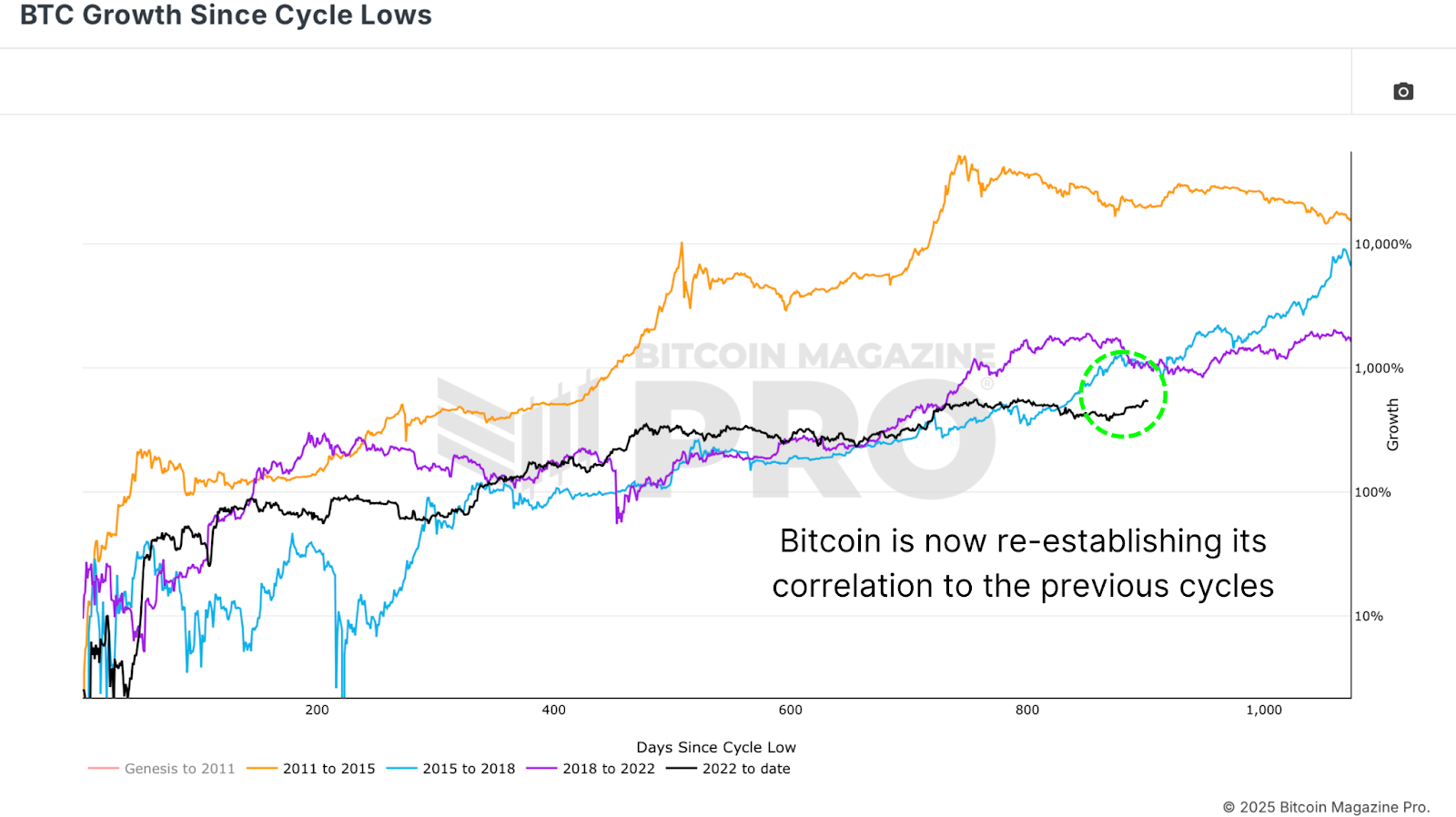
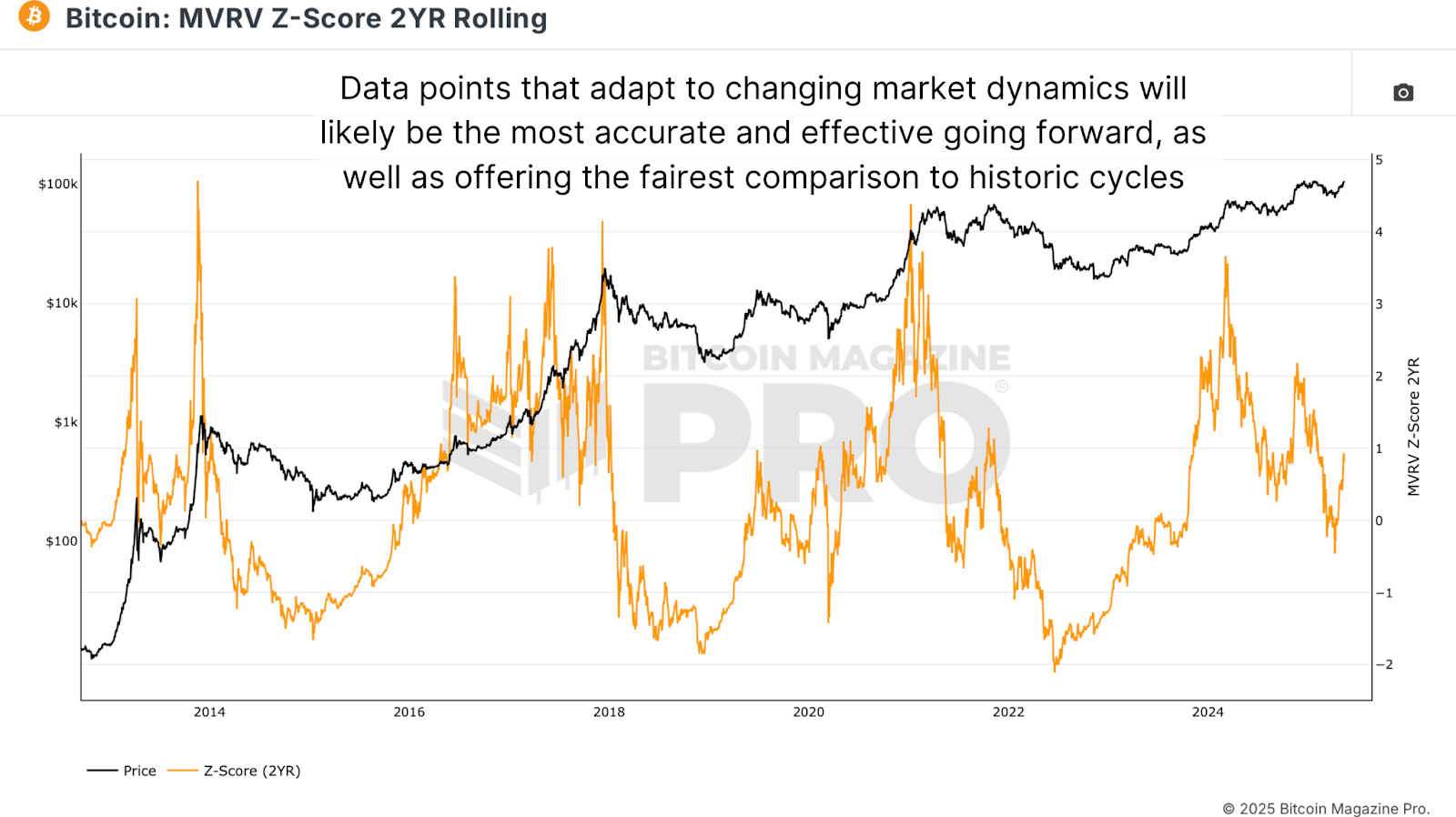

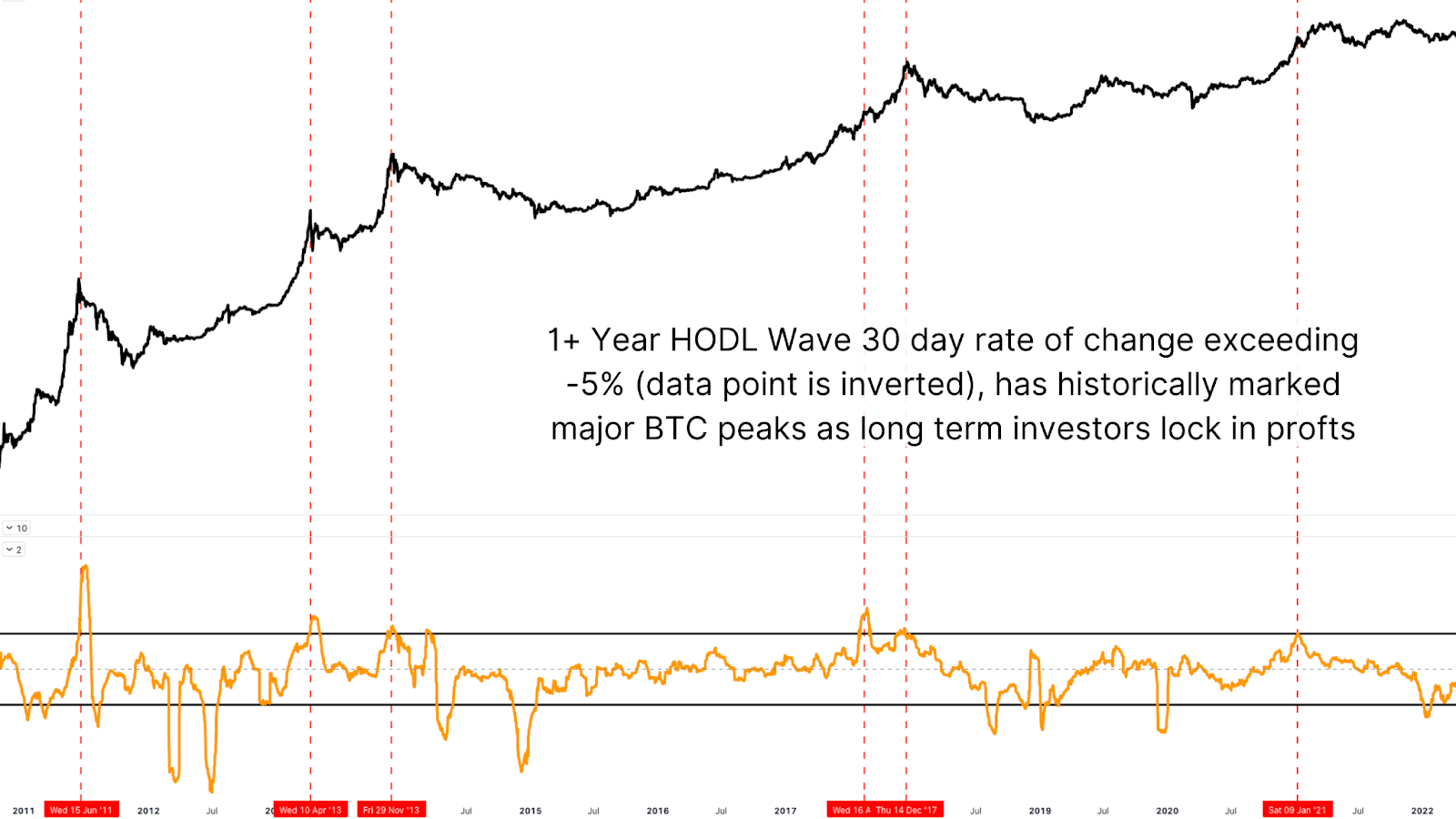
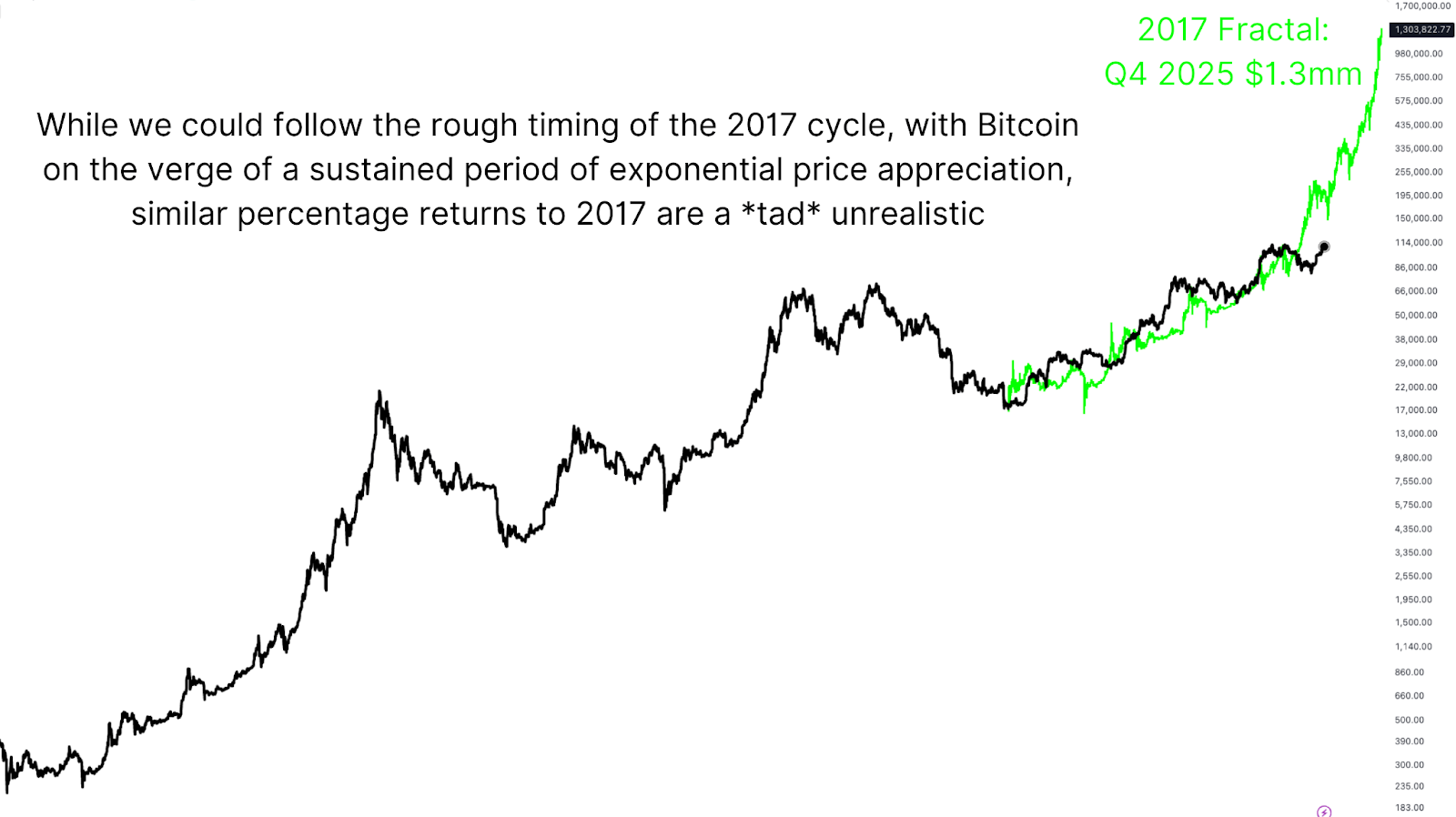



 Chinese public company DDC Enterprise to adopt a Strategic





 UK public company Coinsilium Group raises £1.25 million to adopt a


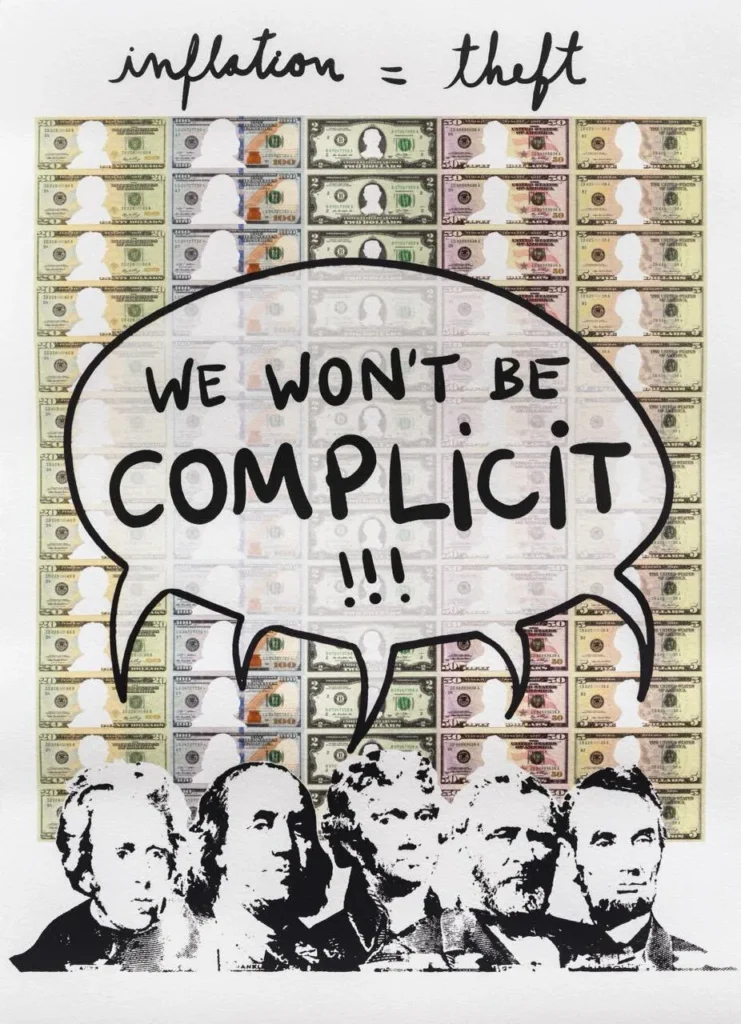

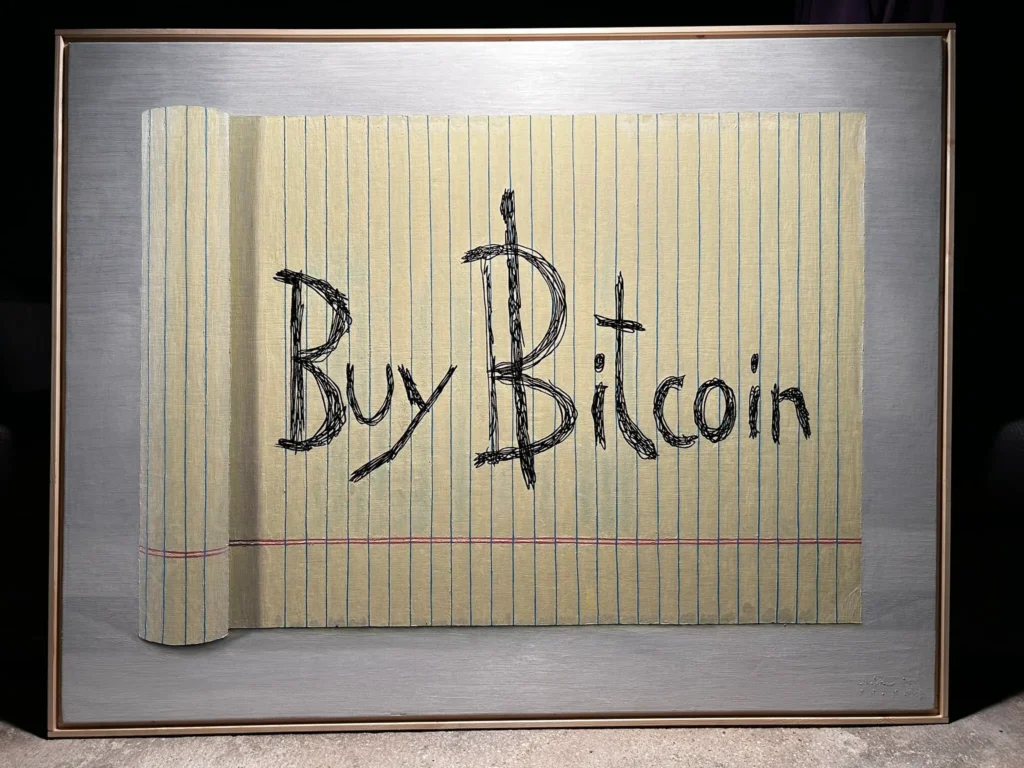
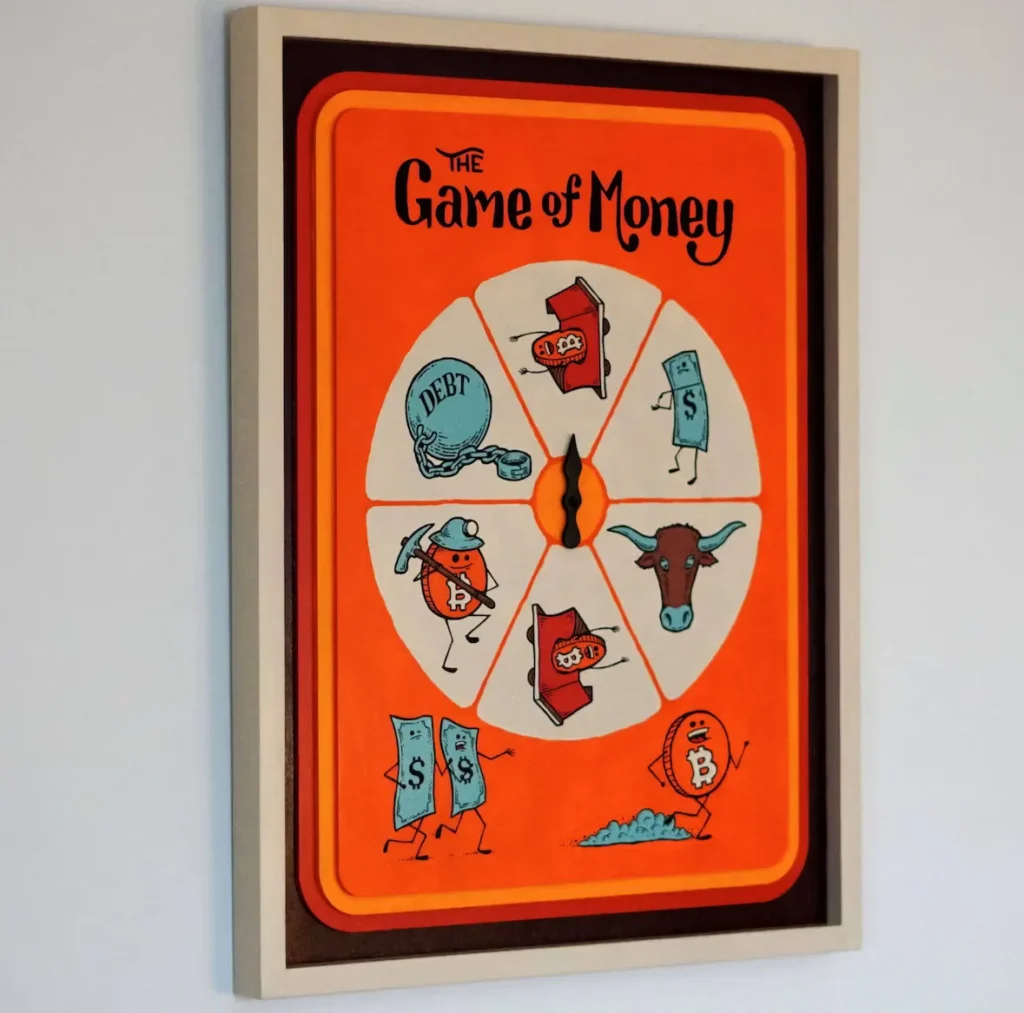
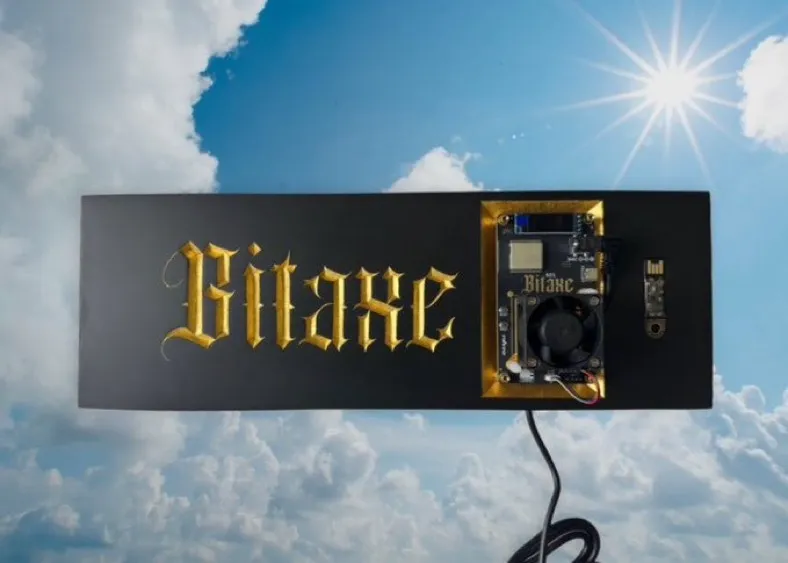
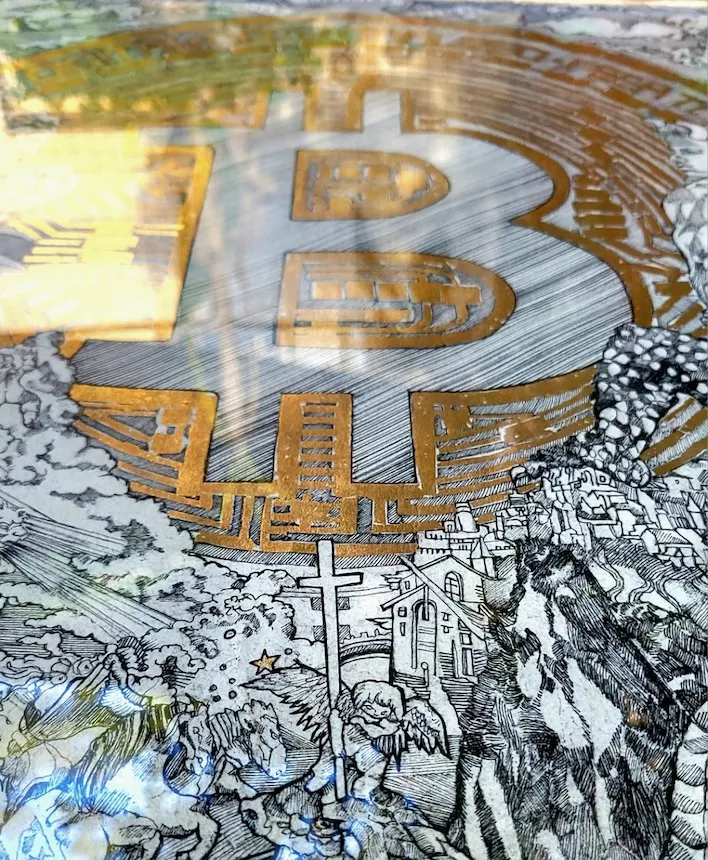
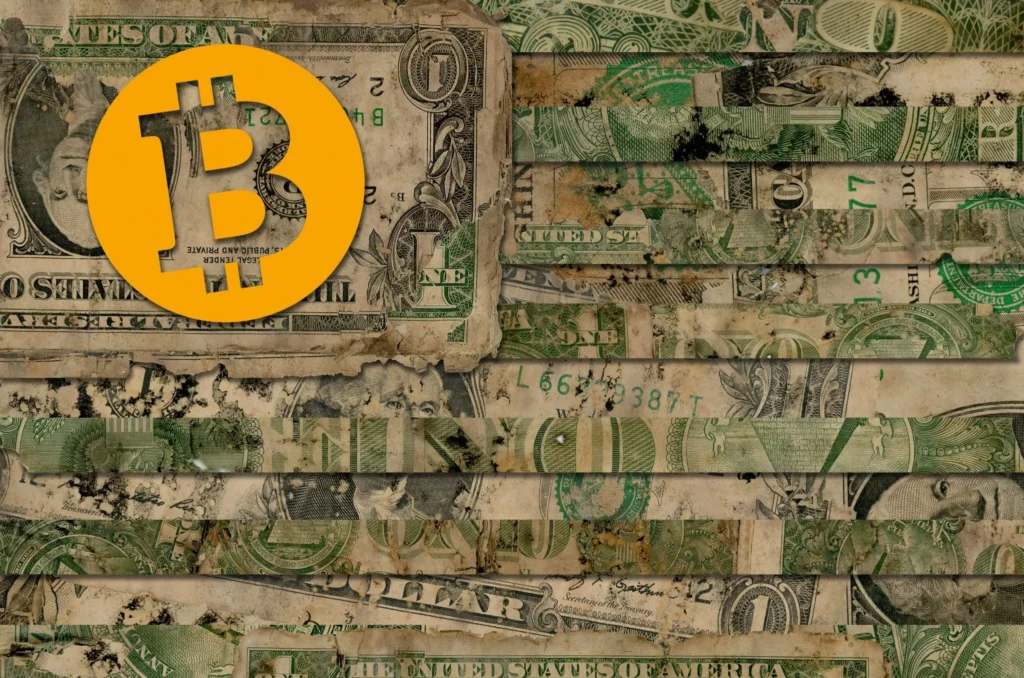

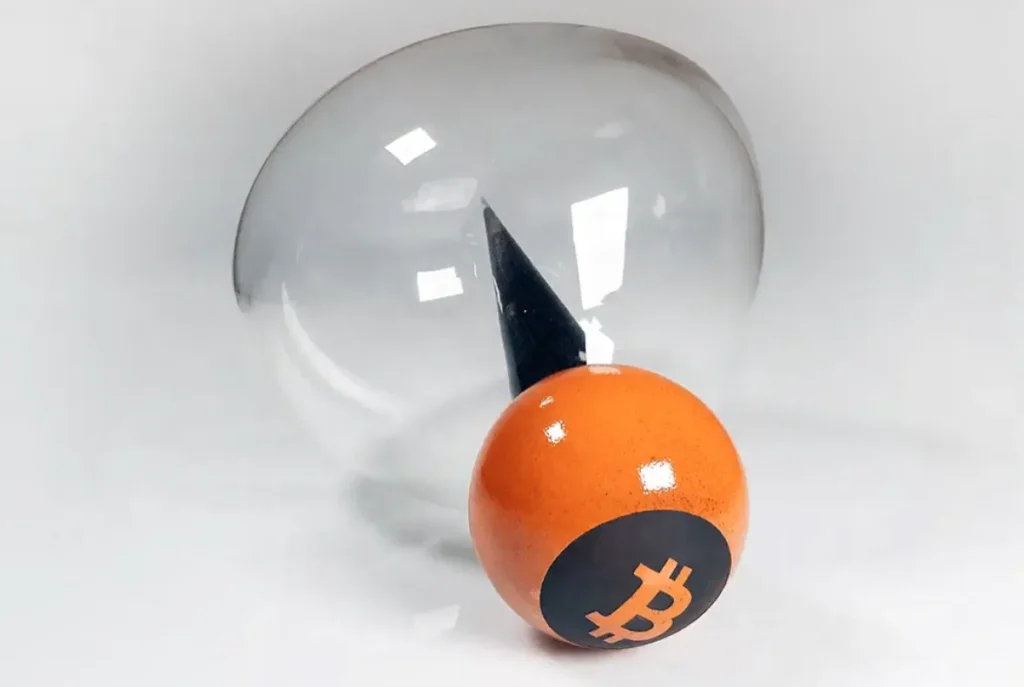



 Arizona enacts new law to establish a Strategic


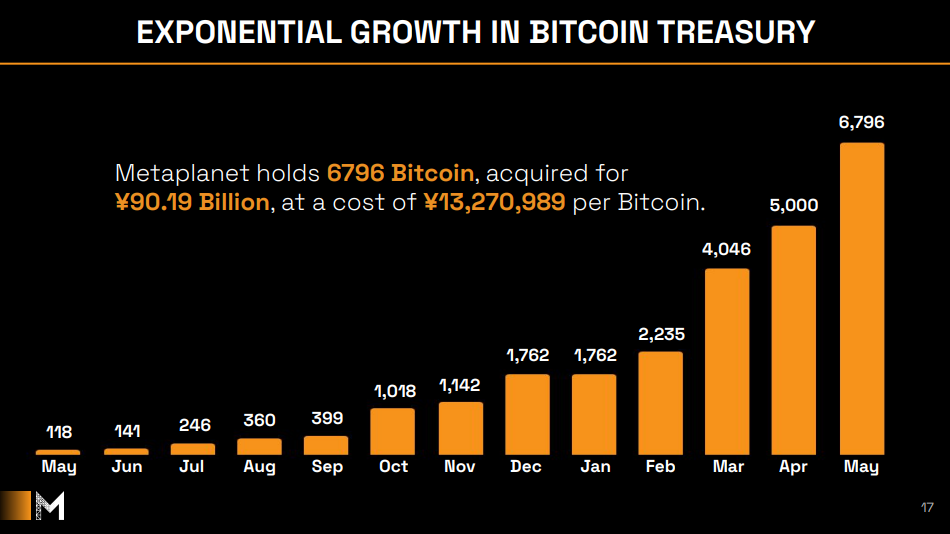
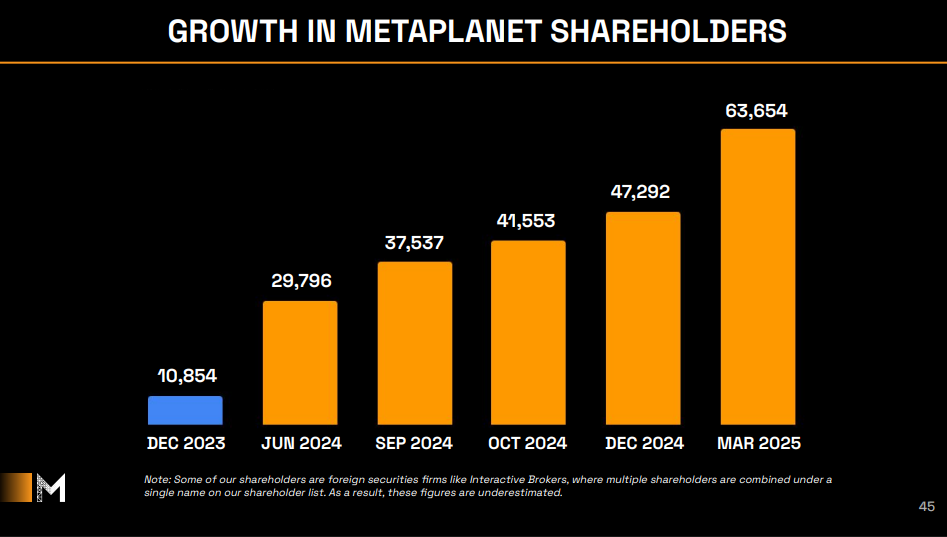


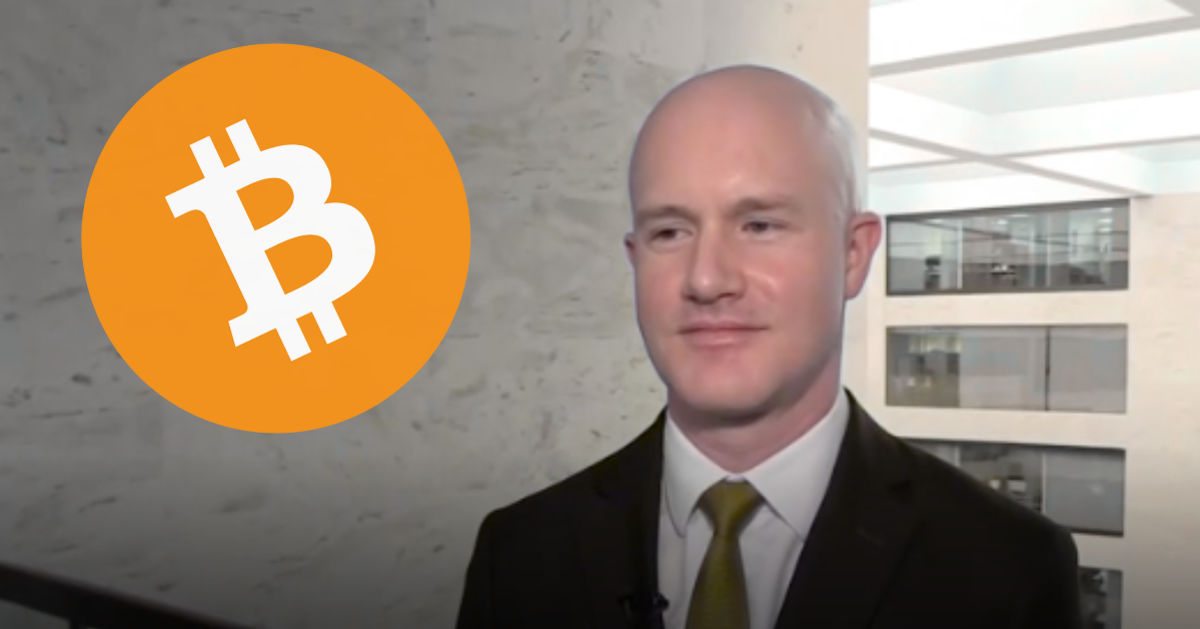

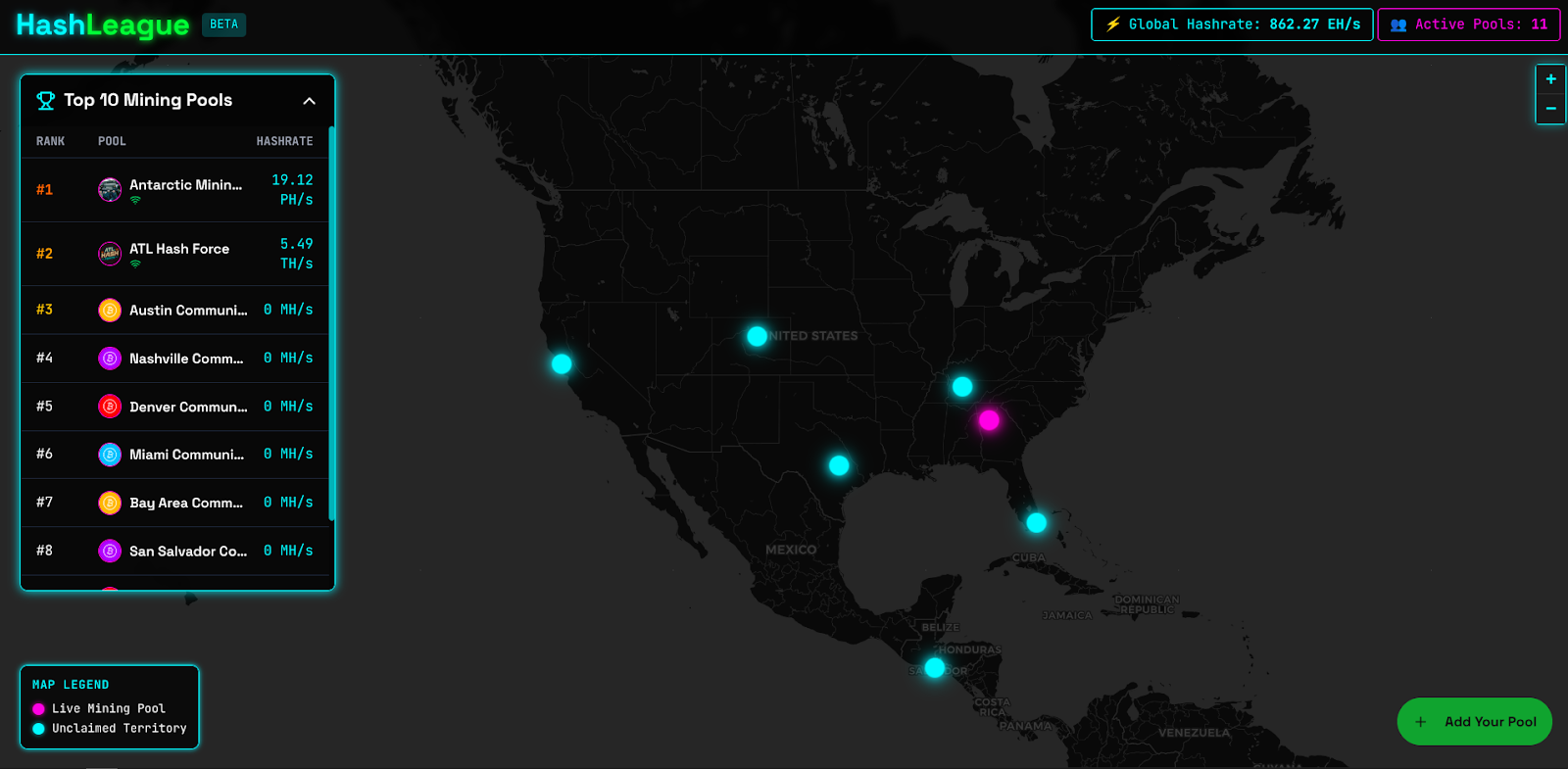



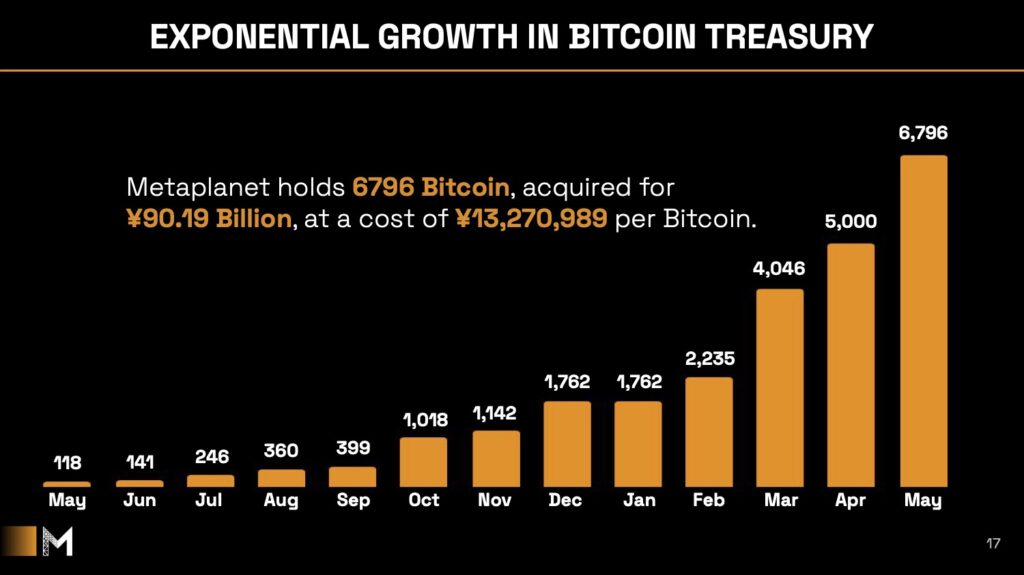
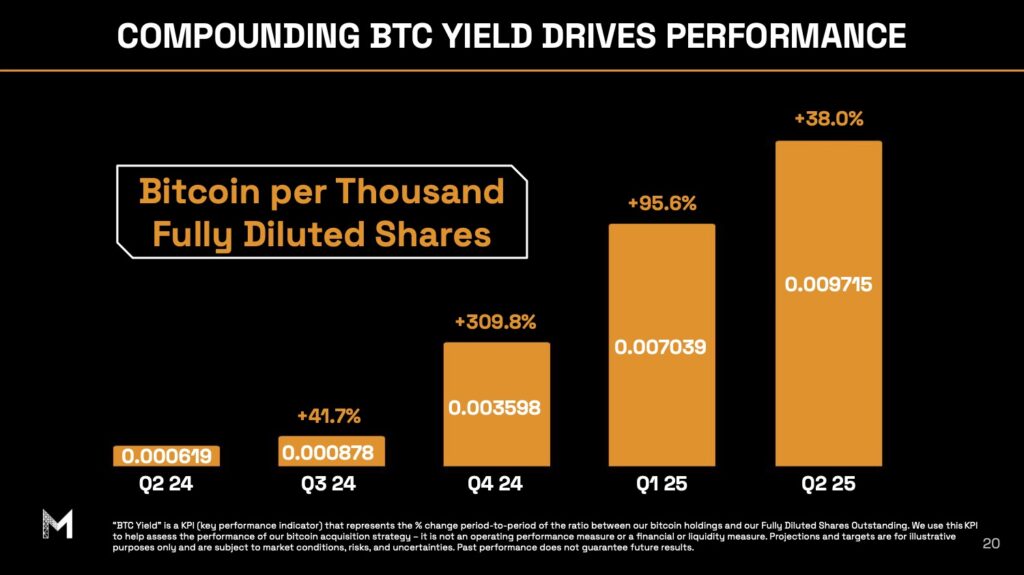
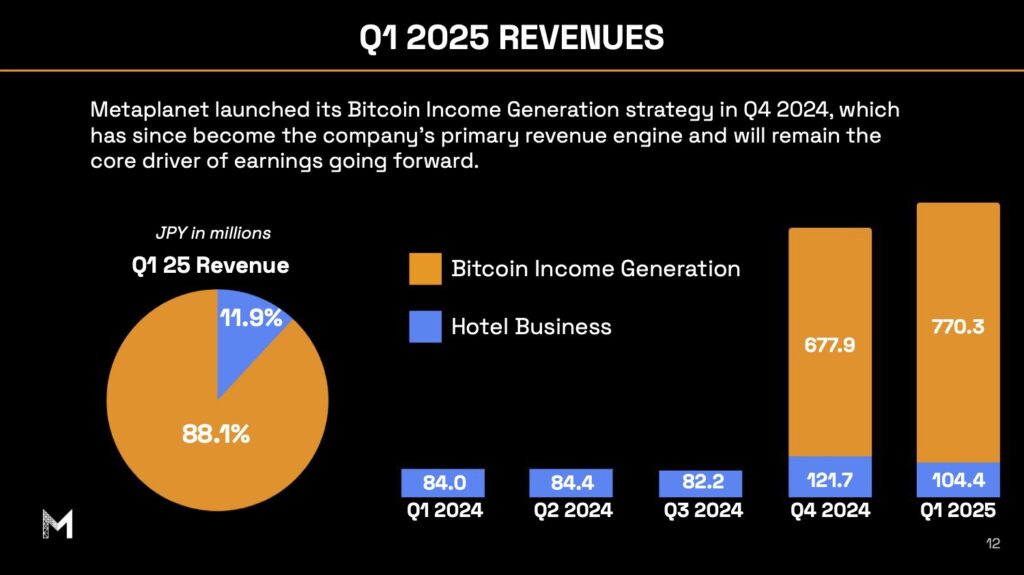
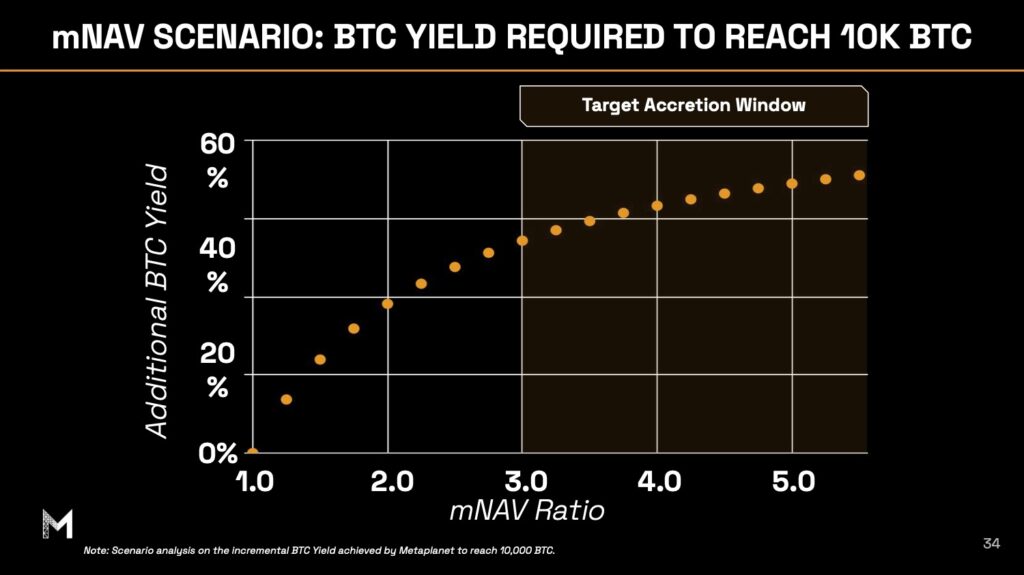







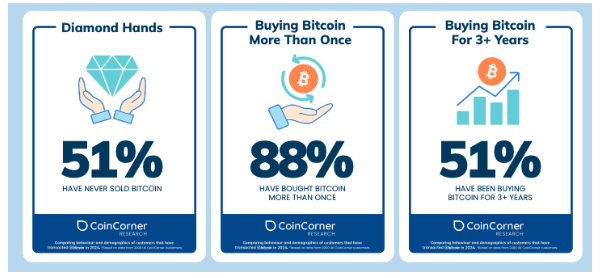
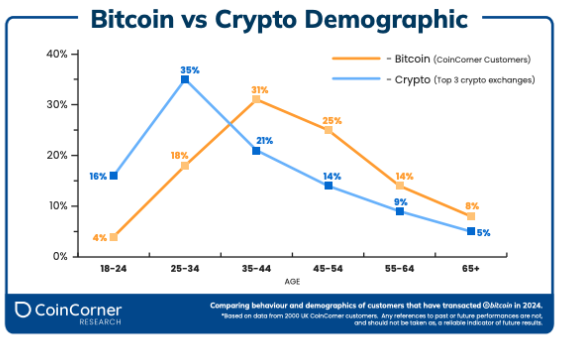
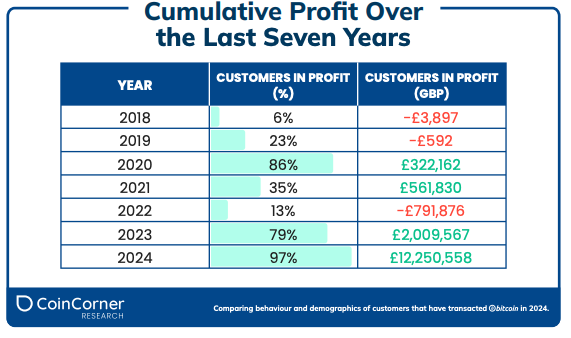


 charm, adding a unique touch of BTC flair.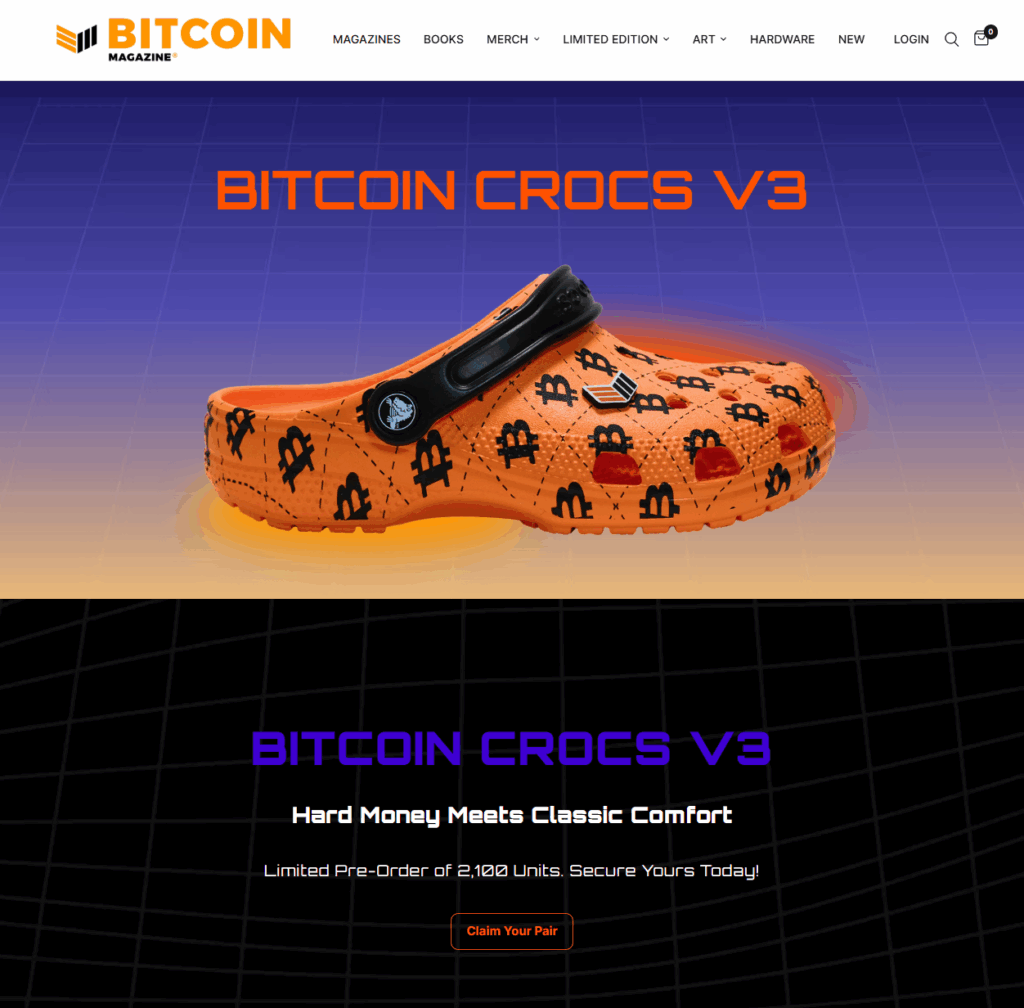

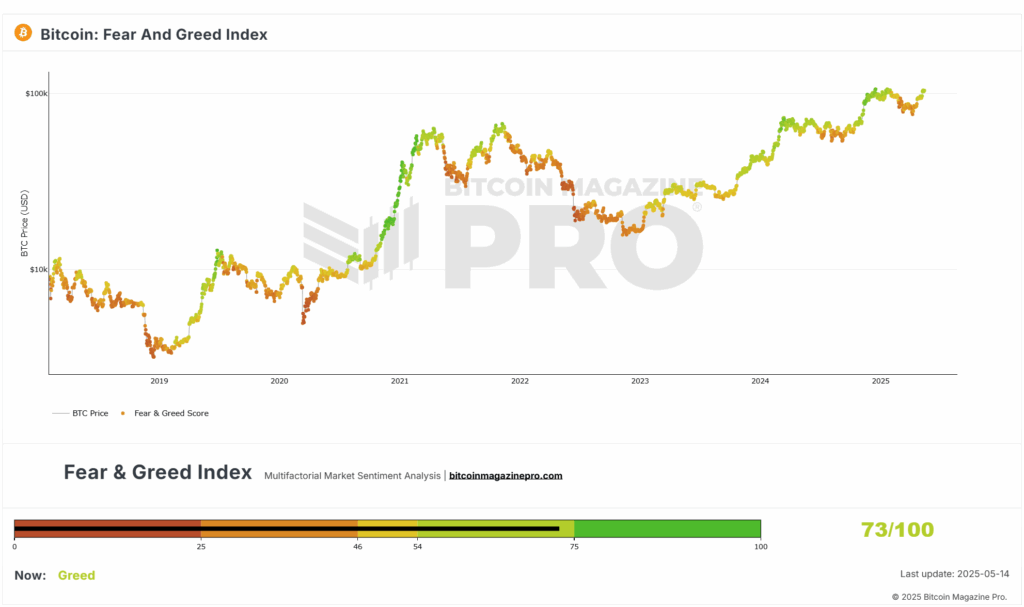
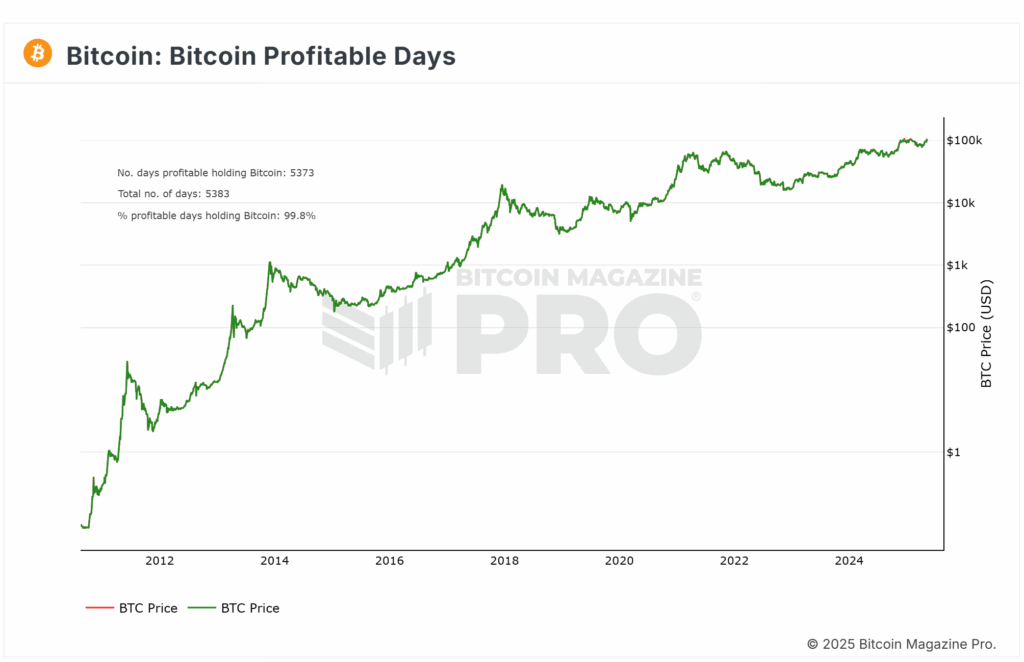
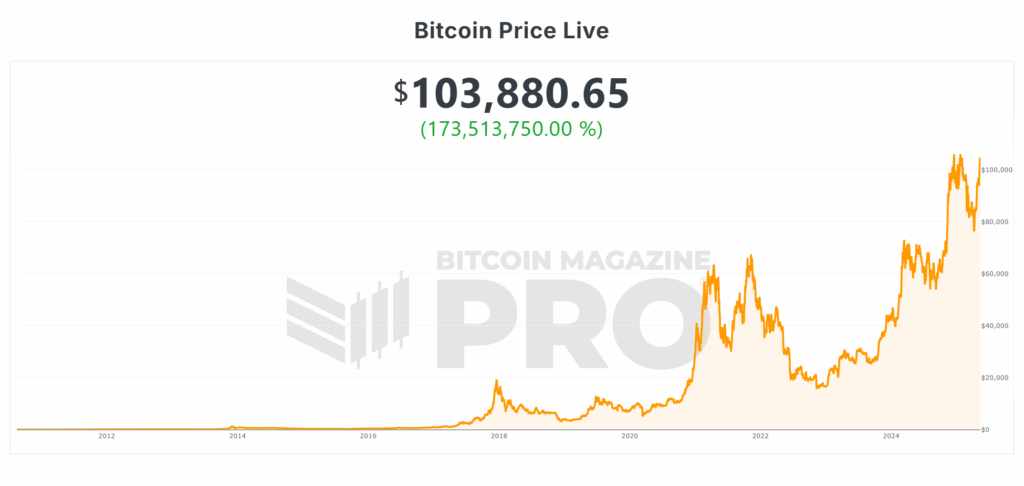
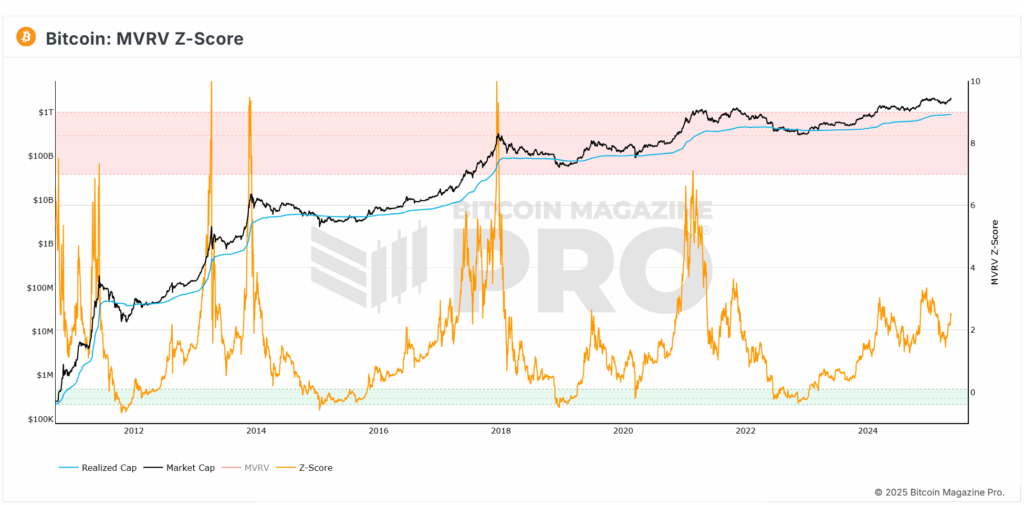
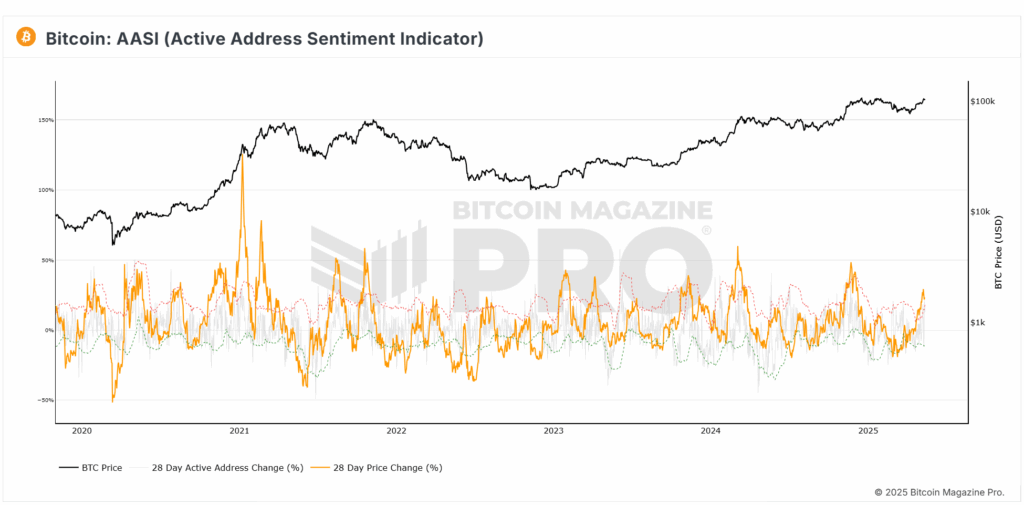
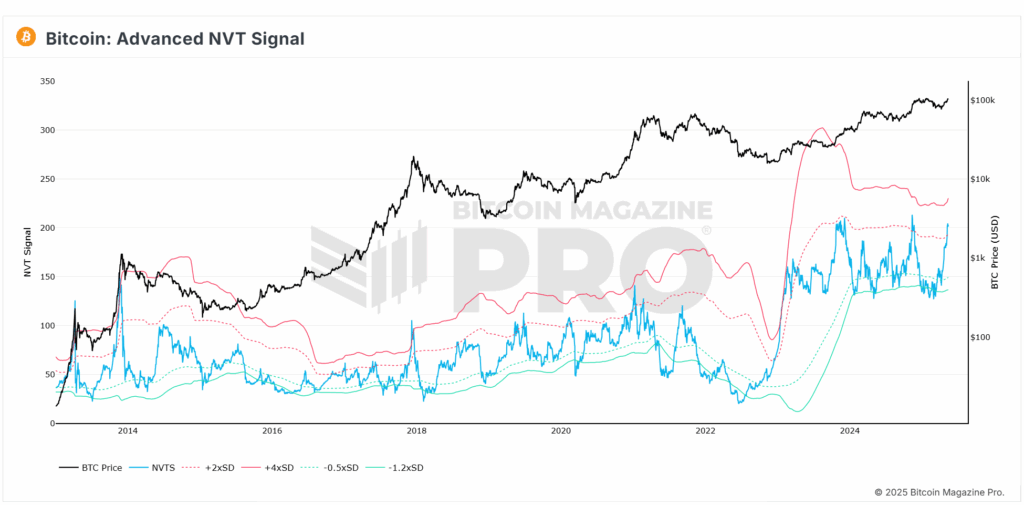
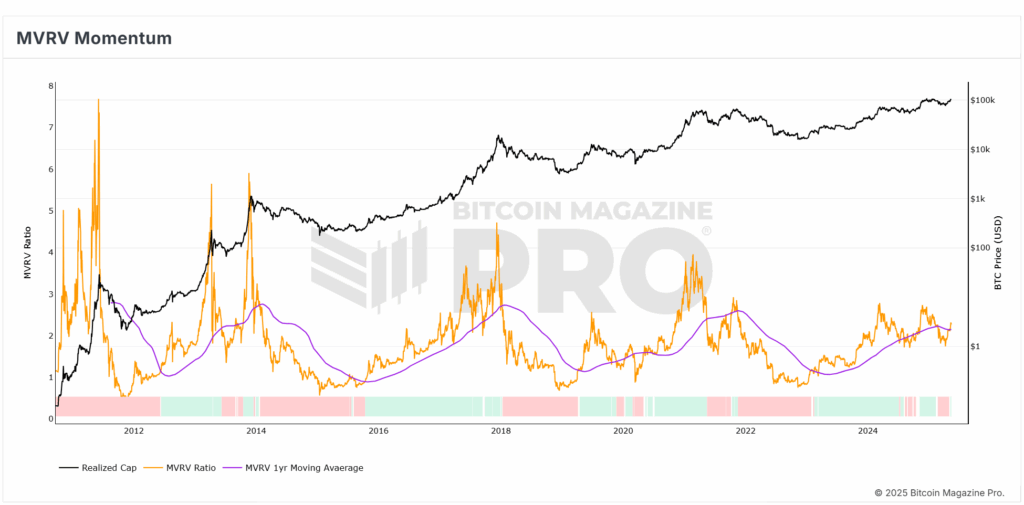



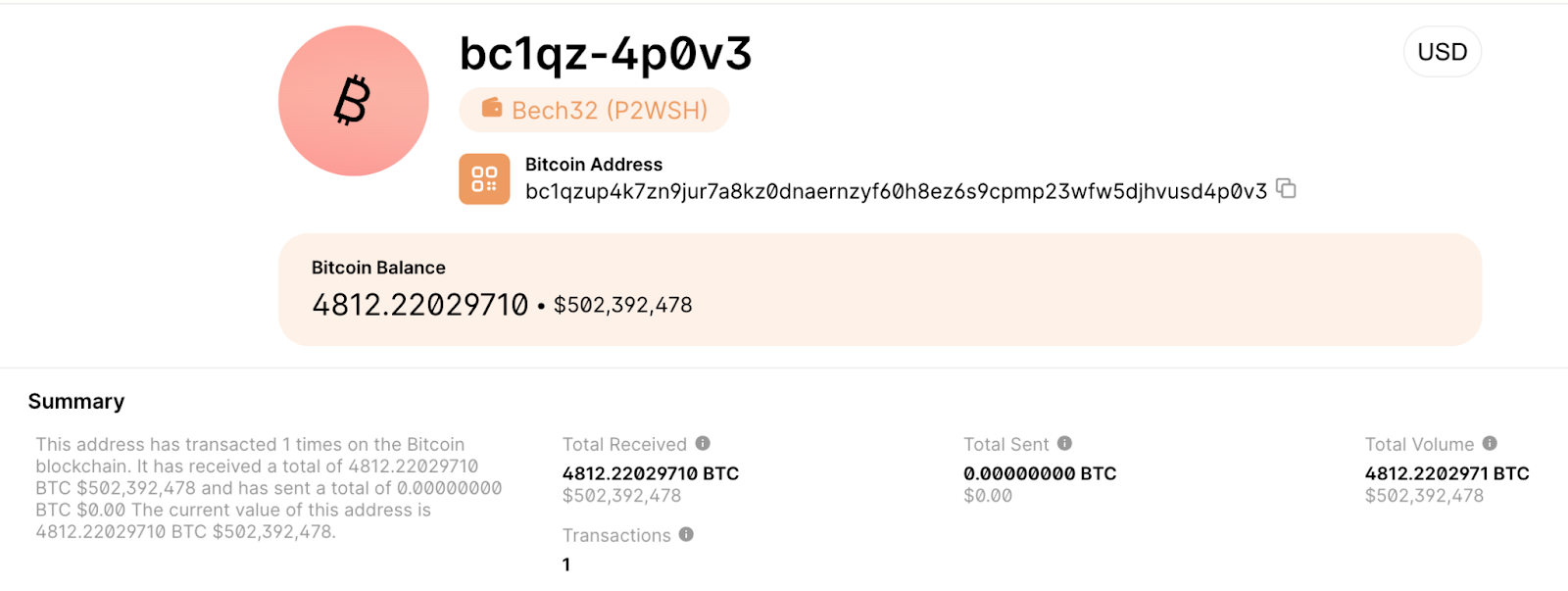




 My First Bitcoin receives $1 million grant from




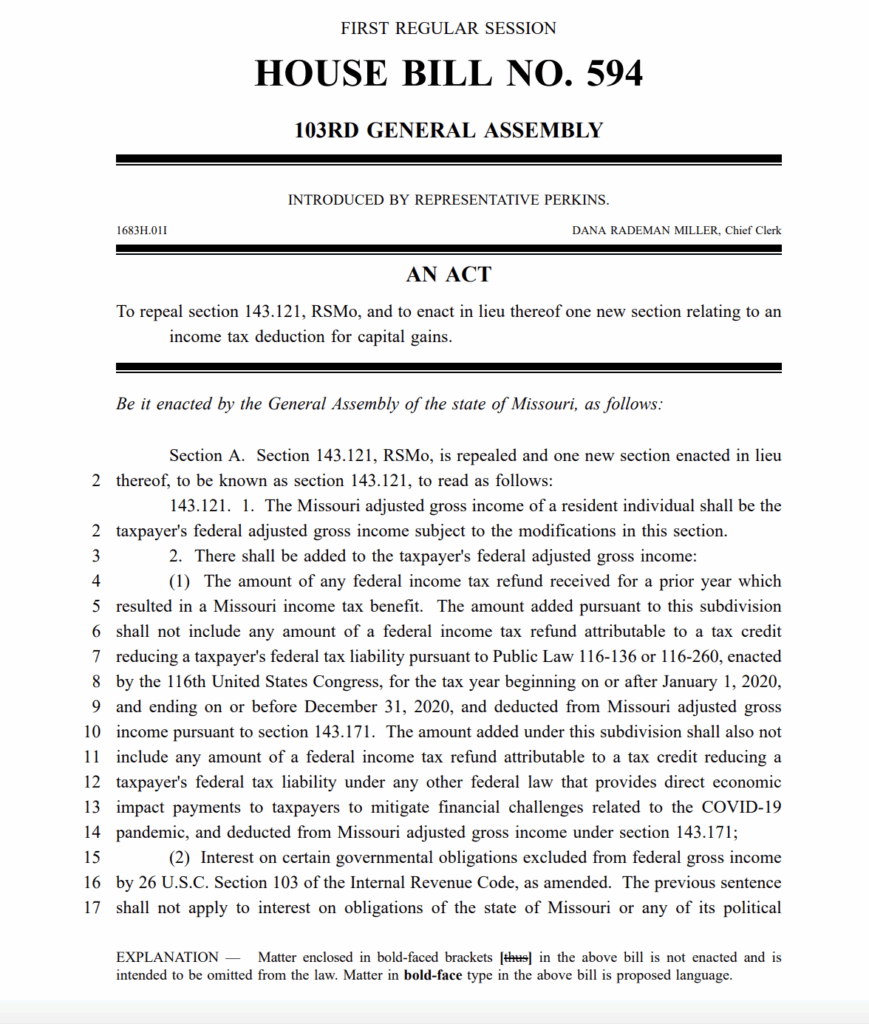




 Metaplanet Issues $15 Million in bonds to buy more





 (@coinbase)



 Tuesday, May 13
 9:00 AM ET / 3:00 PM CET


 The Blockchain Group, Europe’s First Bitcoin Treasury Company since Nov. 5, 2024, publishes its 2024 annual results and confirms its return to profitability.
  The Blockchain Group aims to accelerate its Bitcoin Treasury Company strategy by fully utilizing the €300 million…





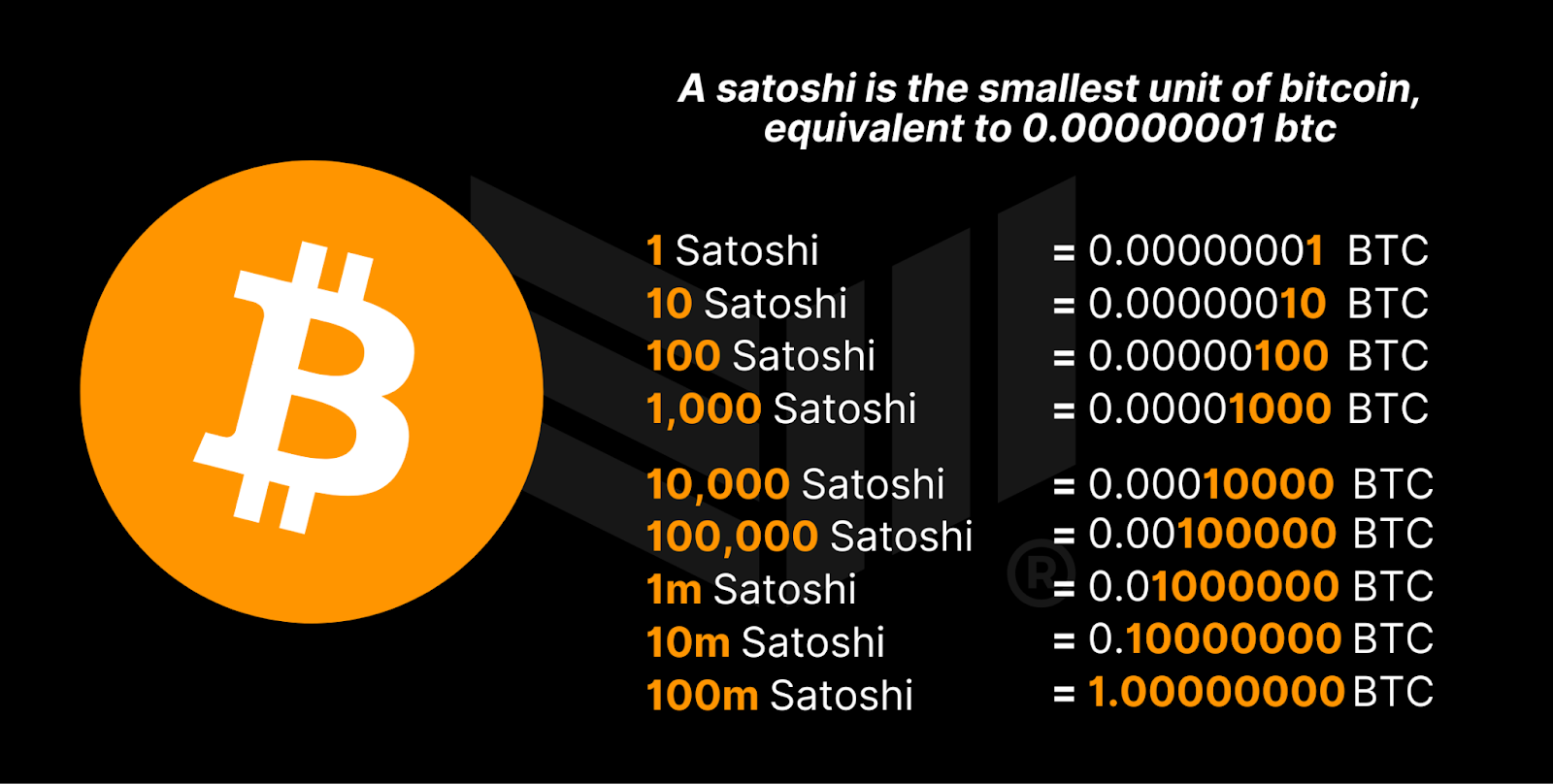

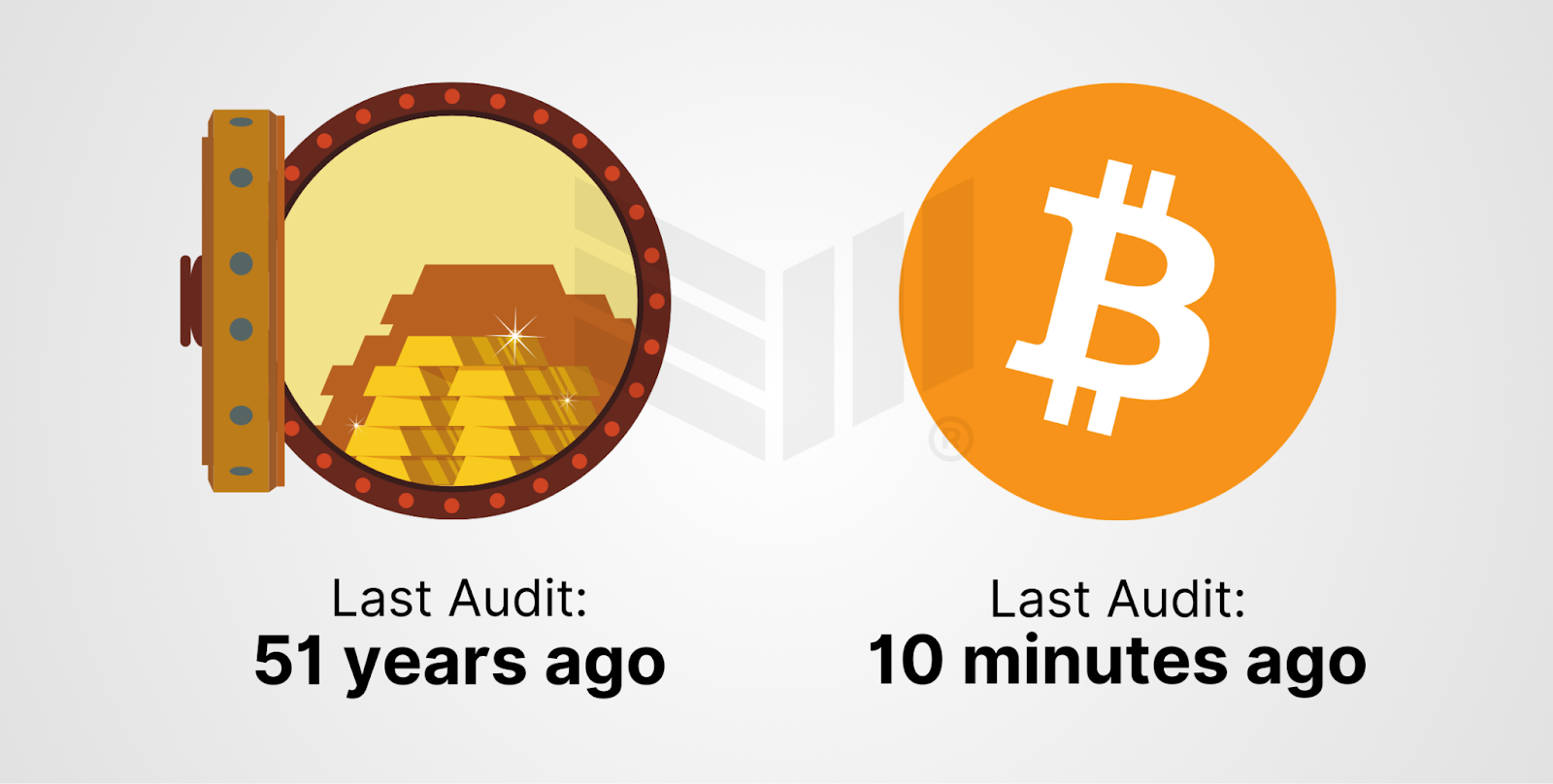
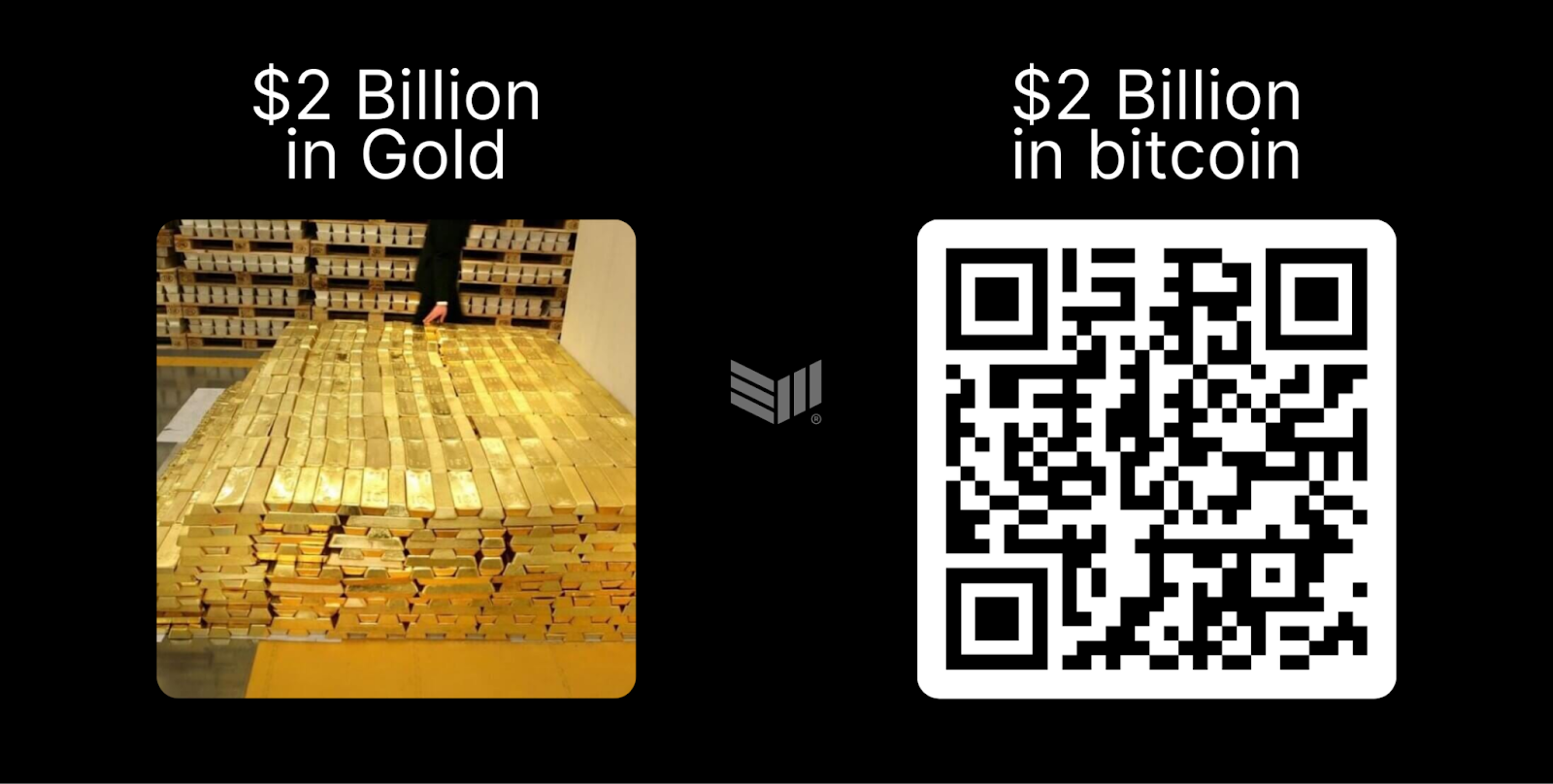





 Publicly traded Matador Technologies Inc. approves to purchase $4.5 million


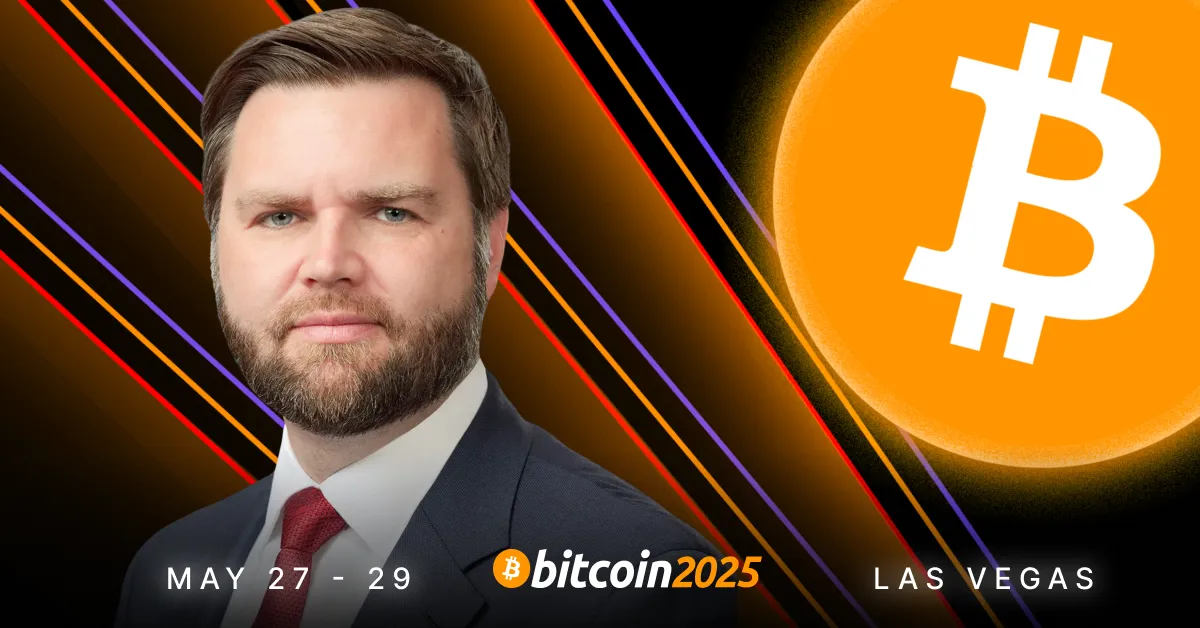

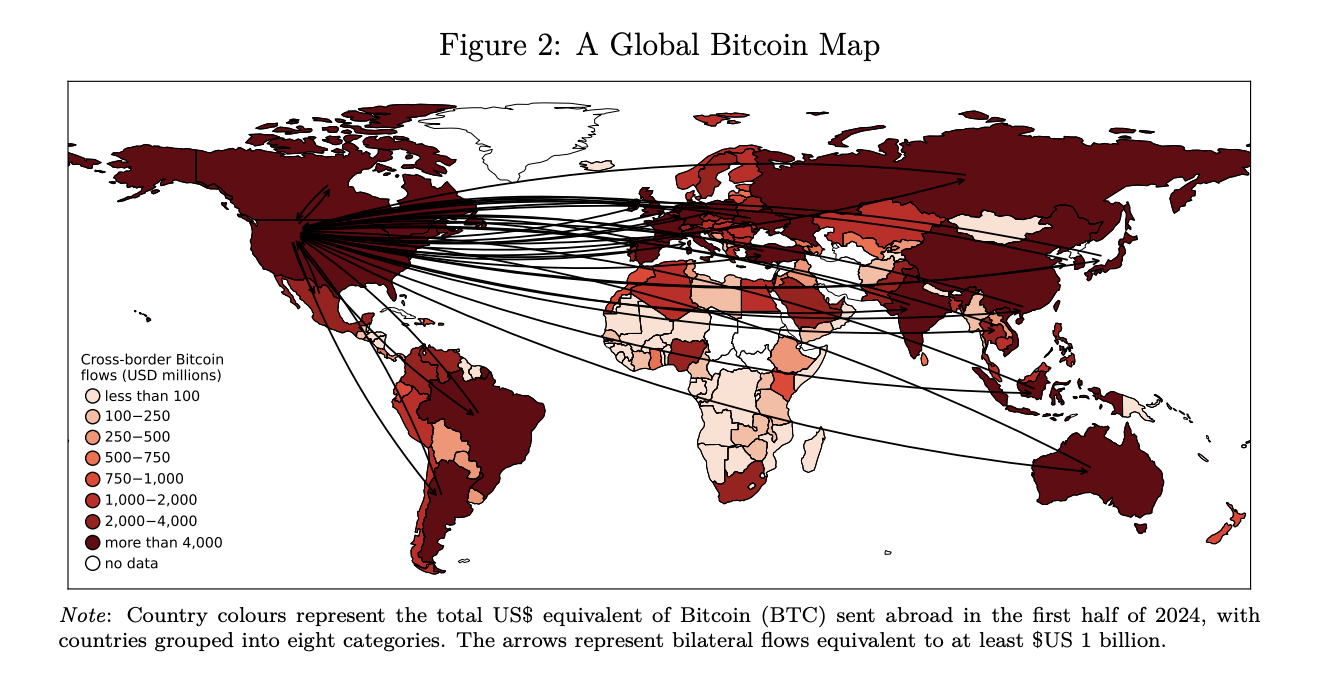
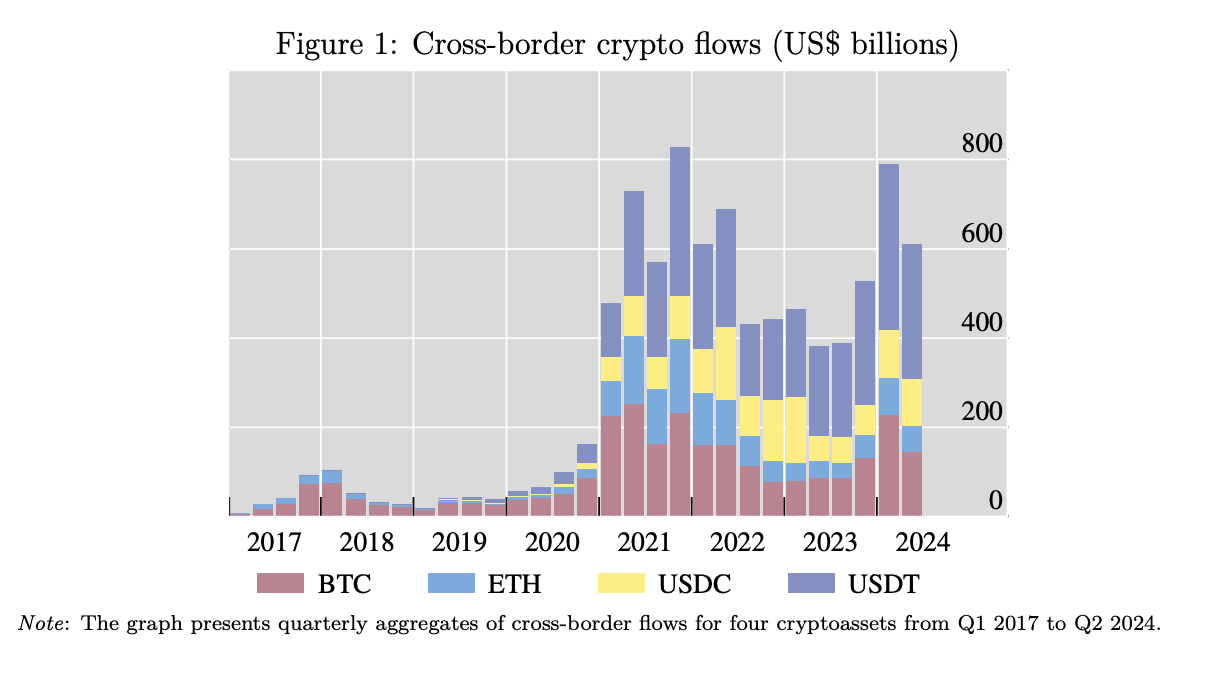
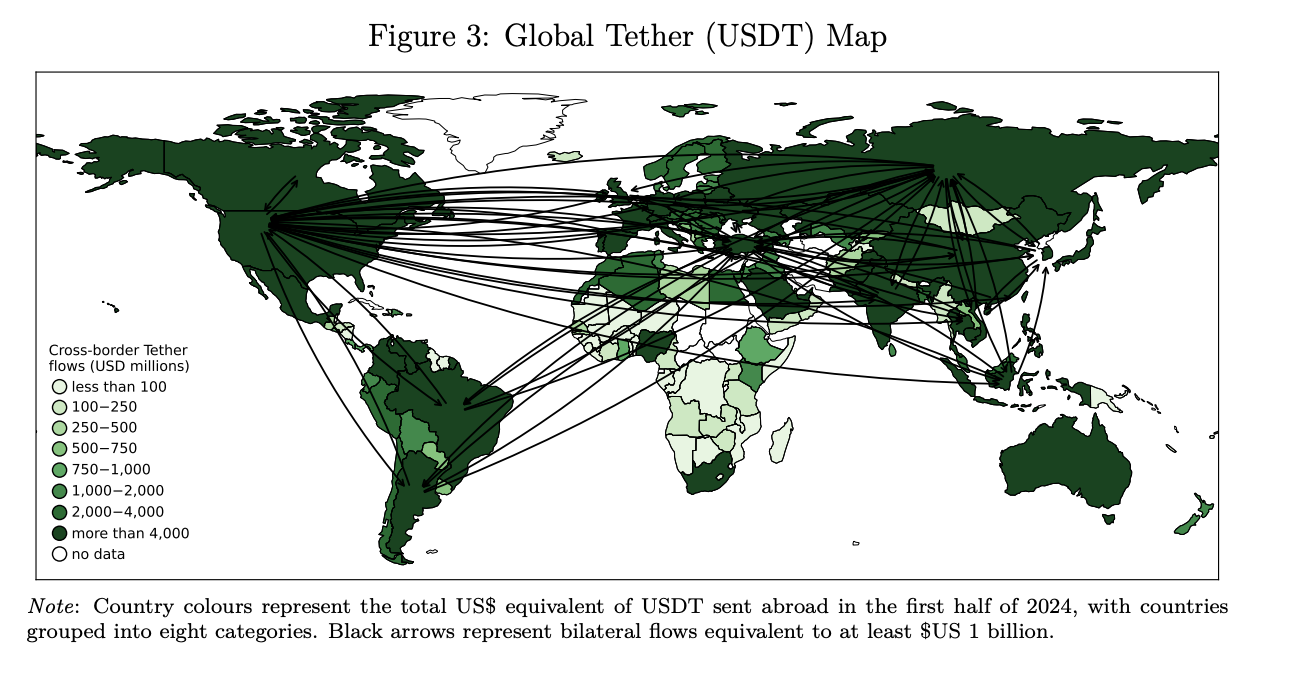


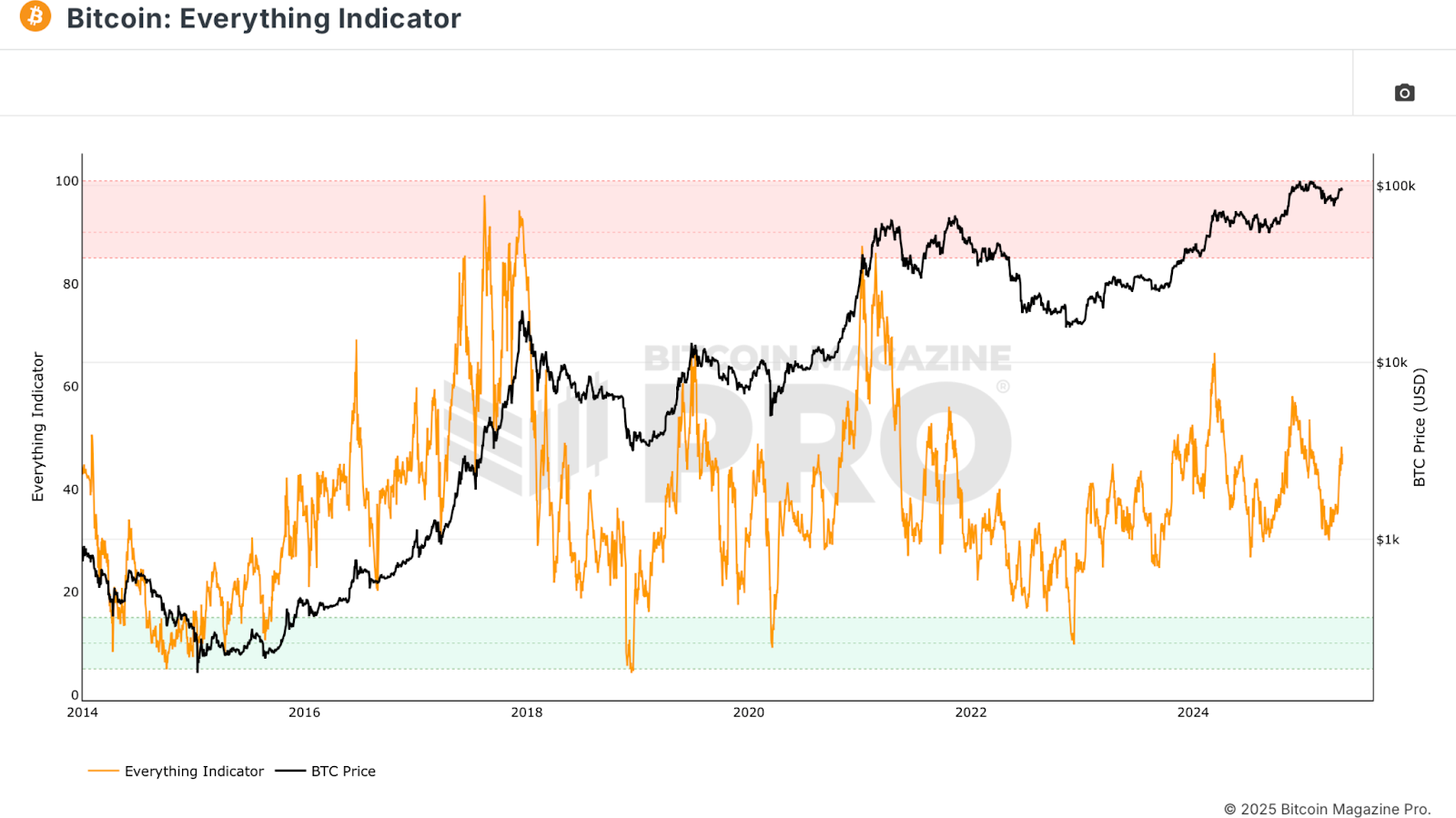
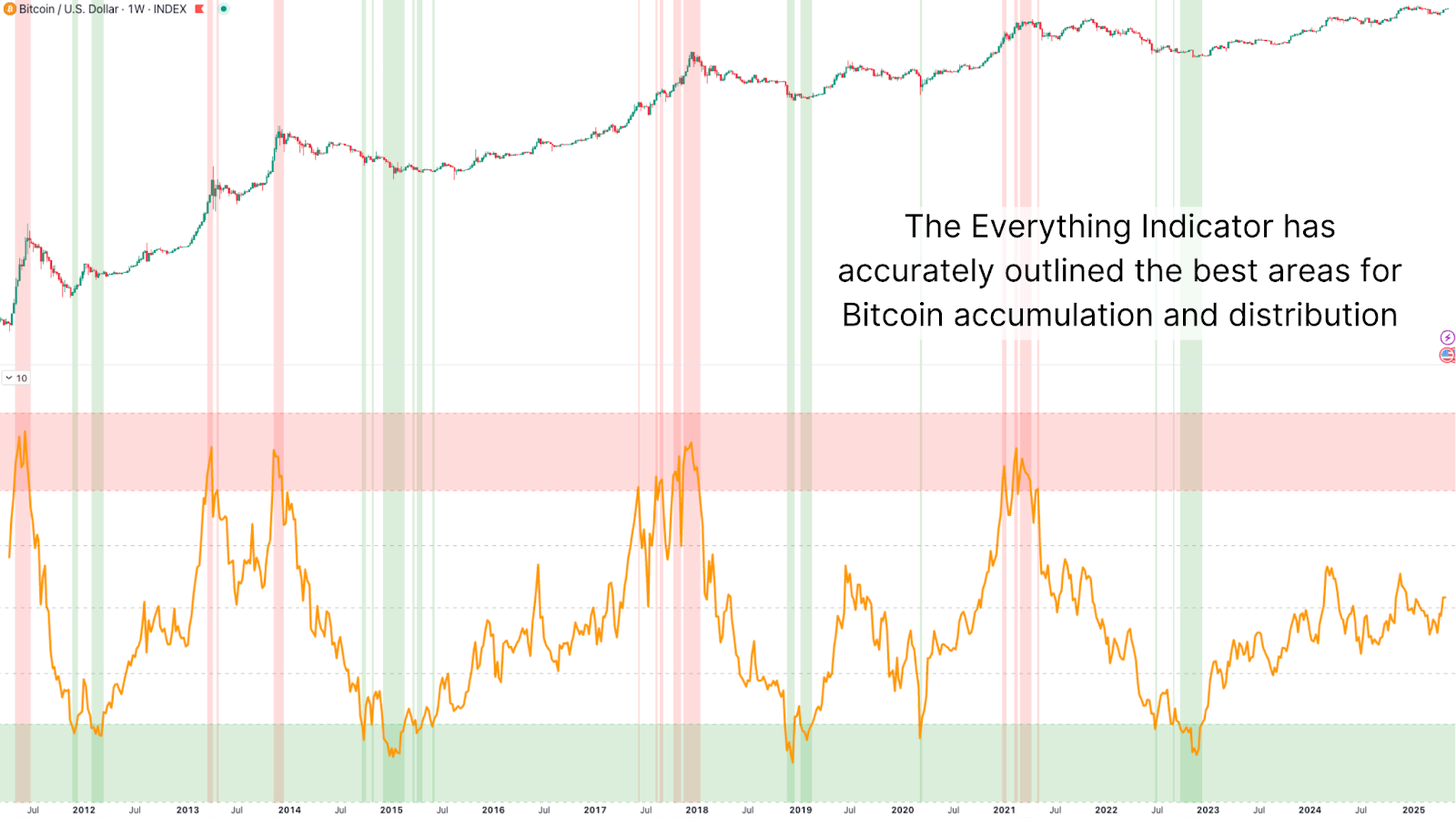
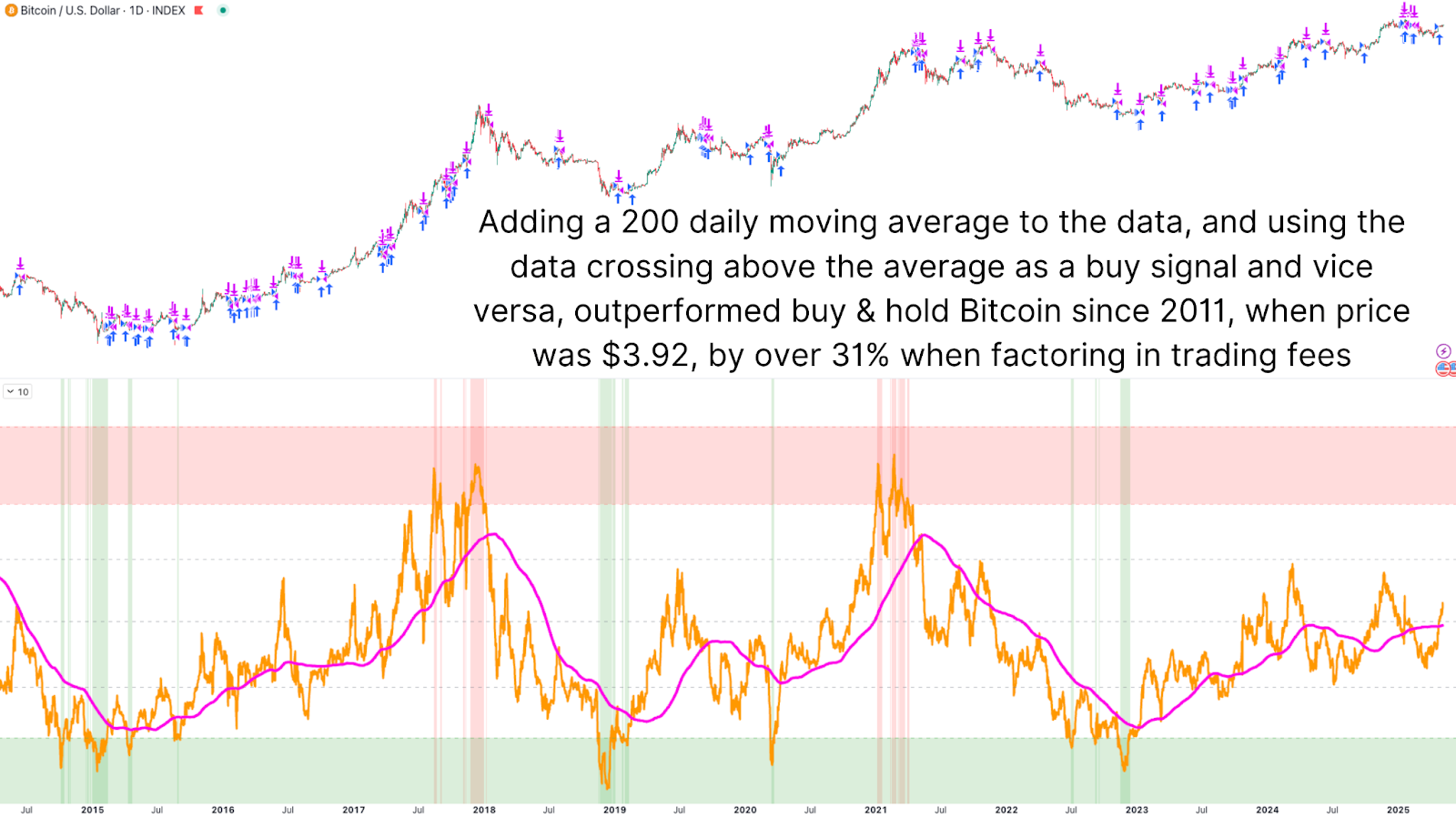
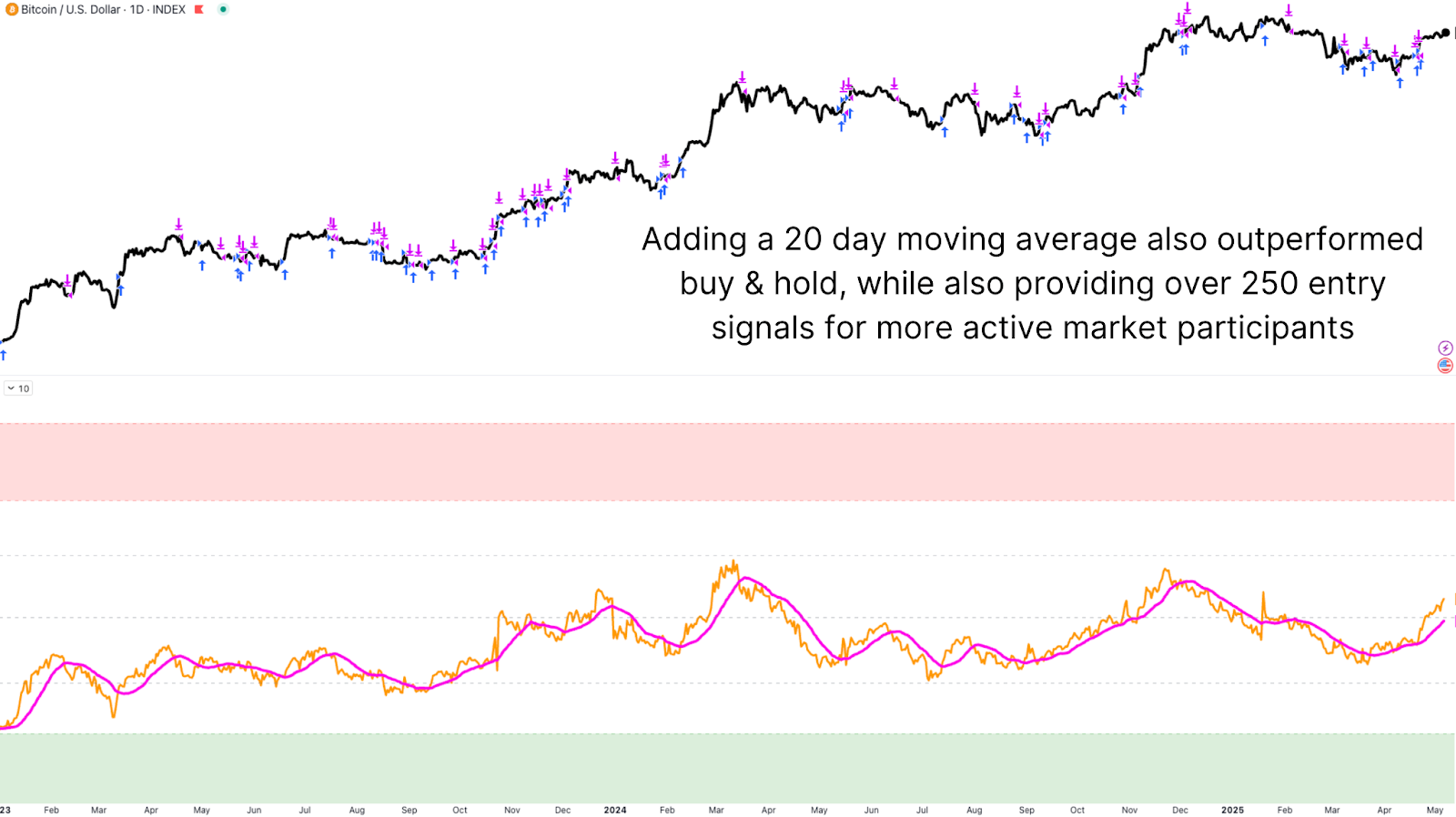




















Social Media