Due to certain laws and court rulings, it’s becoming more and more difficult to preserve one’s privacy when communicating and transacting online, but there are steps we can take to maintain our privacy, as per what Bitcoin policy advocate Freddie New shared in my recent interview with him.
Before getting to those steps, though, please allow me to offer some background on how online privacy has been negatively impacted in both the UK and US as of late.
July 25 marked the first day of enforcement for the UK’s Online Safety Act, which requires that UK internet users input identifying information before browsing certain websites in efforts to protect children from accessing harmful or age-inappropriate content.
Like I said, things have been “pretty shit” (to borrow a phrase from my friends across the pond) for online privacy lately.
But Freddie New says that this isn’t time to despair; instead, he argues, it’s time to take very concrete actions that can help us to maintain our anonymity to a better degree while using the internet.
Ways to Increase Online Privacy
Use a VPN: VPNs (Virtual Private Networks) allow you to browse the internet from a remote server, masking your IP address and anonymizing your identity in the process. Popular VPNs include Mullvad VPN, Obscura VPN, and Proton VPN. “Downloads of the Proton VPN soared by 1,800% on the day that the [Online Safety] Act became law,” explained New.
Use a fully-encrypted email service: Email services such as Proton Mail, Mailfence, and Hushmail, encrypt the emails you send so that only you and the recipient of the email you send can read what’s inside. “Thinking about using Proton Mail instead of Gmail,” New suggested in the interview.
Set up a Nostr key pair: New recommended setting up Nostr key pair (it’s easier than it sounds) via Nostr clients like Primal and Iris, as you don’t have to input any identifying information to get started using Nostr via these clients, which serve as social media platforms and help connect you to the world’s biggest bitcoin circular economy.
Learn how progressive web apps (PWA) work: A PWA is an app that you can access through a web browser as opposed to through Apple’s App store or the Google Play store. (Think signing into X via a web browser versus using the iPhone app.) New explained that using apps like this helps users to circumvent the “gate kept worlds of the Google Play store or the App Store,” worlds that typically require more identifying information to enter.
Learn how to use APKs: An APK, or an Android Package Kit, is a file you can use to download an app to your Android device without going through the Google Play store. “Just this weekend, I downloaded the APK for Bitchat,” said New in the interview of the new app that enables you to communicate via your phone more privately.
Get a bitcoin hardware wallet: Hardware wallets allow users to transact more privately then custodial apps like Relai or CashApp do. “Considering getting a Trezor or COLDCARD,” advised new.
By following the above advice, you can greatly improve your online privacy.
And if it feels overwhelming to do all of the above, start by taking just one or two actions and creating incrementally better privacy for yourself.
As New said in the interview, “No one in the digital age is ever going to have perfect privacy, but you can be slightly better than the next person — improving your privacy even slightly is better than not taking the step at all.”
https://bitcoindevelopers.org/wp-content/uploads/2025/08/US-and-UK-Online-Privacy-Protection-v9mxDv.webp6281200Bitcoin Developerhttps://bitcoindevelopers.org/wp-content/uploads/2024/08/loho_hor_1-300x108.pngBitcoin Developer2025-08-15 15:46:412025-08-15 15:46:41Online Privacy Is Under Threat in the UK and US. Policy Expert Freddie New Advises How To Protect Yourself
The bitcoin price currently appears to be on the verge of entering a euphoric phase of price action after an already strong bull market. However, has this cycle truly been as impressive as the USD price chart suggests, or could Bitcoin actually be underperforming when compared to other assets and historical cycles? This analysis digs into the numbers, compares multiple cycles, and examines Bitcoin’s performance not just against the US dollar, but also versus assets like Gold and US tech stocks, to give a clearer picture of where we really stand.
Previous Bitcoin Price Cycles
Looking at the Bitcoin Growth Since Cycle Lows chart, the data initially looks promising. From the lows at the tail end of the last bear market, Bitcoin has delivered returns of around 634% at the time of writing. These are significant gains, supported not only by price action but also by strong fundamentals. Institutional accumulation via ETFs and Bitcoin treasury holdings has been robust, and on-chain data shows a large proportion of long-term holders refusing to take profits. Historically, this is the kind of backdrop that precedes a strong run-up phase late in the bull cycle, similar to what we saw in prior cycles.
Figure 1: The Bitcoin Growth Since Cycle Lows chart compares the current cycle to its predecessors.View Live Chart
Current Bitcoin Price Cycle
Turning to the USD price chart on TradingView, the current bitcoin price cycle does not look bad at all, especially in terms of stability. The deepest retracement this cycle has been around 32%, which occurred after surpassing $100,000 and pulling back to roughly $74,000–$75,000. This is far milder than the 50% or greater drawdowns seen in past cycles. Reduced volatility could mean reduced upside potential, but it also makes the market less treacherous for investors. The price structure has followed a “step-up” pattern, sharp rallies followed by choppy consolidation, then another rally, repeatedly pushing toward new all-time highs. From a fundamental standpoint, the market remains strong.
Figure 2: Within the current cycle, a “step-up” has emerged with less volatility than previous cycles.
Bitcoin Price vs Other Assets
When measuring Bitcoin against something more stable than the US dollar, such as the NASDAQ or other US tech stocks, a different picture emerges. US tech stocks are also high-growth, speculative assets, so this comparison is a more direct comparison than BTC vs USD. Here, Bitcoin’s performance looks less spectacular. In this current cycle, the climb beyond the previous high has been minimal. However, the chart shows Bitcoin currently turning prior resistance into support, which may set the foundation for a more sustained move higher. What we can also see, looking at the previous double-top cycle, is a second peak at a considerably lower level, suggesting that Bitcoin’s second peak in the last cycle may have been driven more by global liquidity expansion and fiat currency debasement than by genuine outperformance.
Figure 3: Relative to the Nasdaq, Bitcoin has only recently surpassed its 2021 cycle peak.
The “digital gold” narrative invites another important comparison, looking at BTC vs Gold. Bitcoin has still not surpassed its previous all-time high from the 2021 peak when measured in Gold. That means an investor who bought BTC at the 2021 peak and held until now would have underperformed compared to simply holding Gold. Since the last cycle lows, Bitcoin vs Gold has returned over 300%, but Gold itself has been in a powerful bull run. Measuring in Gold terms strips away fiat debasement effects and shows the “true” purchasing power of BTC.
Figure 4: In Gold terms, Bitcoin currently sits below the 2021 cycle peaks, and has only marginally surpassed this level earlier this cycle.
True Purchasing Power
To take this a step further, adjusting the Bitcoin vs Gold chart for Global M2 money supply expansion paints an even more sobering picture. When accounting for the huge liquidity injections into the global economy in recent years, Bitcoin’s cycle peak price in “liquidity-adjusted Gold” terms is still below the prior peak. This helps explain the lack of retail excitement, as there’s no new high in real purchasing power terms.
Figure 5: The inclusion of Global Liquidity growth into this relative measure also reveals the current bitcoin price cycle has yet to outperform 2021’s.
Conclusion
So far, Bitcoin’s bull market has been impressive in dollar terms, with over 600% gains from the lows and a relatively low-volatility climb. Yet, when measured against assets like US tech stocks or Gold, and especially when adjusted for Global Liquidity expansion, the performance is far less extraordinary. The data suggests much of this cycle’s rally may have been fueled by fiat debasement rather than pure outperformance. While there’s still room for significant upside, especially if Bitcoin can break through the liquidity-adjusted resistance and push to even higher highs, investors should also pay close attention to these ratio charts. They offer a clearer perspective on relative performance and could provide valuable clues about where the bitcoin price might go next.
For more deep-dive research, technical indicators, real-time market alerts, and access to expert analysis, visit BitcoinMagazinePro.com.
Disclaimer: This article is for informational purposes only and should not be considered financial advice. Always do your own research before making any investment decisions.
KindlyMD, Inc. (NASDAQ: NAKA) and Bitcoin-native holding company Nakamoto Holdings Inc. have officially completed their long-anticipated merger, forming a publicly traded Bitcoin treasury vehicle with ambitions to acquire one million BTC. The combined entity will operate under the KindlyMD name, trading on the Nasdaq Capital Market, while Nakamoto will function as a wholly owned subsidiary overseeing the Bitcoin financial services division.
BREAKING: David Bailey’s Nakamoto officially completes merger and can now buy over $740 MILLION #Bitcoin
“Our vision is for the world’s capital markets to operate on a Bitcoin standard. Today’s merger represents the beginning of that journey for our company,” said David Bailey, CEO of the combined company. “Since I started my journey in Bitcoin 13 years ago, I’ve always believed Bitcoin would become the most valuable asset in human history, held by every person, company, and government. The securitization of Bitcoin has shown us how institutions will adopt it. We intend to drive that forward.”
Tim Pickett, former KindlyMD CEO and now Chief Medical Officer, added: “We are thrilled to officially close our merger with Nakamoto. We’ve built KindlyMD on operational and innovative excellence, and we are now extending that same principle to our capital strategy. Bitcoin gives us the ability to preserve value with the same integrity we apply to delivering care.”
The transaction generated approximately $540 million in gross proceeds through a private placement in public equity (PIPE) financing, which will be used primarily for Bitcoin purchases. A $200 million convertible note offering is expected to close tomorrow.
Bailey will lead as CEO and Chairman of the Board, with a strengthened leadership team including Amanda Fabiano as COO, Tyler Evans as CIO, and Andrew Creighton as CCO. Newly appointed independent directors include Charles Blackburn, Perianne Boring, Eric Weiss, Greg Xethalis, and Mark Yusko, alongside Pickett.
The merged company’s mission is clear: build a premier, institutional-grade Bitcoin treasury vehicle to drive corporate and government adoption of the asset. By leveraging advanced corporate finance strategies, Nakamoto aims to simplify Bitcoin integration into global capital markets and position itself as a leader in public market Bitcoin treasury management.
Bailey reinforced his commitment on X, stating: “Honored to officially join KindlyMD as CEO and Chairman. Thank you for coming on this journey with me — together we will rebuild the world on the bitcoin standard. One Nakamoto = One million Bitcoin.”
Disclosure: Nakamoto is in partnership with Bitcoin Magazine’s parent company BTC Inc to build the first global network of Bitcoin treasury companies, where BTC Inc provides certain marketing services to Nakamoto. More information on this can be found here.
https://bitcoindevelopers.org/wp-content/uploads/2025/08/KindlyMD-Shareholders-Approve-Merger-with-Bitcoin-Treasury-Company-Nakamoto-2A51Ez.jpg6291200Bitcoin Developerhttps://bitcoindevelopers.org/wp-content/uploads/2024/08/loho_hor_1-300x108.pngBitcoin Developer2025-08-14 21:22:572025-08-14 21:22:57KindlyMD & Nakamoto Officially Merge, Plans to Buy One Million BTC
Bitcoin price experienced a significant pullback to $118,000 after briefly surpassing Google parent Alphabet’s market capitalization to become the world’s fifth-largest asset, highlighting Bitcoin’s growing institutional prominence despite continued volatility.
Bitcoin price reached an all-time high of $124,283 in early Asian trading on Thursday, pushing its market capitalization to $2.46 trillion and temporarily overtaking Alphabet’s $2.448 trillion valuation. However, the milestone was followed by a sharp correction as traders took profits and U.S. inflation data triggered broader market uncertainty.
The recent surge and subsequent correction demonstrate Bitcoin’s maturing market dynamics. While volatility remains a factor, institutional participation is creating more robust price support levels.
JUST IN: #Bitcoin overtakes Google’s market cap to become the fifth-largest asset.
The price movement comes amid unprecedented institutional adoption, with U.S.-listed Bitcoin ETFs recording billions in net inflows over last few weeks. Corporate treasury adoption has also accelerated, with over 200 companies adding Bitcoin to their reserves.
Norway’s sovereign wealth fund has gained indirect exposure to over 7,000 BTC through its investments in Bitcoin-heavy companies, signalling growing institutional comfort with Bitcoin exposure.
We’re seeing a fundamental shift in how traditional financial institutions view Bitcoin. The asset is increasingly being treated as a strategic treasury holding rather than a speculative investment.
The market received additional support from President Trump’s executive order allowing 401(k) retirement accounts to invest in Bitcoin and crypto. With approximately $12.5 trillion in retirement savings potentially eligible for Bitcoin investment, analysts expect sustained institutional demand.
The broader Bitcoin and cryptocurrency market has reflected this optimism, with the total market capitalization reaching over $4 trillion.
Macroeconomic conditions continue to influence Bitcoin’s price action. U.S. July inflation data staying still at 2.7% has strengthened expectations for a Federal Reserve rate cut in September, with markets pricing in over 90% probability of at least a 25-basis-point reduction.
Lower interest rates typically benefit risk assets like Bitcoin by reducing capital costs and increasing market liquidity. However, the current rally appears more fundamentally driven than previous cycles, supported by genuine institutional adoption rather than pure speculation.
Year-to-date, Bitcoin price has gained approximately 28%, matching gold’s performance and reinforcing its position as a mainstream financial asset. The Bitcoin’s ability to maintain price levels above $118,000 despite the recent correction suggests growing market maturity and deeper institutional integration.
As corporate Bitcoin adoption continues to accelerate and new investment vehicles emerge, market participants expect increased price stability, though short-term volatility remains a consideration for traders and investors alike.
https://bitcoindevelopers.org/wp-content/uploads/2025/08/Constellation-Research-founder-Ray-Wang-predicts-Bitcoin-will-surge-to-150000-within-six-months-citing-regulatory-clarity-global-adoption-and-dollar-devaluation-as-key-drivers-BEMgUS.jpg6301200Bitcoin Developerhttps://bitcoindevelopers.org/wp-content/uploads/2024/08/loho_hor_1-300x108.pngBitcoin Developer2025-08-14 18:41:142025-08-14 18:41:14Bitcoin Price Slid Down To $118,000 After Surpassing Google’s Market Cap
Bitcoin’s price climbed above $123,000 today, according to data from Bitcoin Magazine Pro, putting it just shy of breaking its current all-time high of $123,180 set on July 14, 2025. The move comes amid surging institutional interest, record corporate holdings, and growing national-level profits from BTC adoption.
Coinciding with Bitcoin’s rise in price, today marked a major milestone for Michael Saylor’s Bitcoin-heavy firm, Strategy, whose BTC holdings closed at an all-time high valuation of $77.2 billion. Saylor announced on X that this represents a jump of $35.4 billion from the firm’s previous peak of $41.8 billion in 2024. Strategy’s aggressive accumulation strategy has made it one of the largest Bitcoin holders in the world and a key driver in market sentiment.
Today, Strategy’s Bitcoin holdings closed at an all-time high of $77.2 billion. pic.twitter.com/NgssOoIFKy
Meanwhile, El Salvador’s Bitcoin gamble continues to pay off. President Nayib Bukele revealed on X that the nation now sits on an unrealized profit of $468,307,816 from its BTC holdings. After investing $300,548,375 into Bitcoin, the country’s total BTC stash is now valued at $768,856,191. The nation’s Bitcoin Office celebrated the milestone, declaring: “El Salvador’s bitcoin bet is paying off BIG TIME! Our holdings just soared past $770M USD!”
Institutional investment products are also seeing surging activity. U.S. spot Bitcoin ETFs recorded massive trading volumes today, led by BlackRock’s IBIT, which alone traded over $3.7 billion. Fidelity’s FBTC followed as the second-most traded, logging $530 million in volume—substantial, but still well below IBIT’s dominance.
Some market watchers say the rally could take a brief pause before its next leg higher. “There will be more Bitcoin ATHs but I think we will see a pullback because alts are running too hot now,” said Samson Mow, CEO of Bitcoin technology company Jan3. “Once the altcoin mania passes, Bitcoin will take off. This is just how it’s always been.”
With Bitcoin just a fraction away from setting a fresh record and both institutional and sovereign adoption accelerating, market participants are watching closely for a breakout to the next milestone of $125,000. Whether it happens in hours or days, momentum appears firmly in Bitcoin’s favor—fueled by whale buying, corporate treasuries, and geopolitical endorsements.
Major developments in both the Tornado Cash and Samourai Wallet trials that took place earlier this month may set dangerous precedents for the Bitcoin and crypto industry as a whole. The two defendants who developed Samourai Wallet, a popular Bitcoin privacy app, made a plea deal accepting the charges of being an unlicensed money services business, while Roman Storm, developer of Tornado Cash, an Ethereum smart contract that also unlocked financial privacy for its users, was found guilty on one of three charges — that of being an unlicensed money services business.
The irony? Both of these companies were started after FINCEN, the U.S. institution that regulates money transmitters, had given clear guidance that services that did not control user funds were not subject to the regulations. Neither Samourai Wallet nor Tornado Cash had control over user funds. They both functioned as noncustodial technologies — protocols by which users could interact, never trusting the developers with the bitcoin or ether being transferred.
This is akin to a VPN (virtual private network) used regularly by millions of people to protect their basic user data and privacy from hackers and third parties on the internet, being found guilty of operating a radio station. Yeah, it makes no sense.
The DOJ’s Sovereign Southern District of New York went ahead with the charges anyway, despite having clarity on the guidance as revealed by Roman Storm’s defense lawyers during the Tornado Cash trial.
The verdicts were mixed and while the industry has expressed some relief over the results (since the worst fears about these trials threatened to land all developers involved in prison for decades), the five or so years that seem to be expected in sentencing for the defendants are nevertheless impactful. The legal ramifications to other developers throughout the computer science world, not just crypto, are yet to be understood or fleshed out.
If Roman can be found guilty of the behavior of users of his smart contract app — which he had no capacity to shut down or impose a fundamental filter on — then what liability are normal software developers now exposed to?
Most odd of all has been the silence from the Trump administration, Trump who explicitly campaigned on protecting self custody and setting the table for the United States to be the crypto capital of the world. How do they expect that to happen now? Why did they not do more to stop this government overreach initiated by Biden’s DOJ? Is the DOJ not politically in control of the SDNY?
The one thing the administration did do, however, was publish the The White House Digital Assets Report, a blueprint from President Trump’s Working Group on Digital Asset Markets. It outlines over 100 legislative and regulatory recommendations to “foster blockchain innovation in the United States.”
The one subtle pearl of hope that week was that the document quoted Satoshi Nakamoto as the creator of Bitcoin extensively, and is said by experts to lay the groundwork for the passing of the CLARITY Act. This act has most recently included language that protects self custody and privacy-preserving technology in crypto at a legislative level.
It would be a big relief to the industry to get a more explicit statement from the Trump administration, as software developers across the industry should start to consider their options — including, probably, getting a solid lawyer until the legal dust settles.
Bitcoin surged above $122,000 today, leaving it only about 1% away from setting a new all-time high, according to data from Bitcoin Magazine Pro. The current record of $123,180, set on July 14, 2025, could be broken at any moment given bitcoin’s trademark volatility. With institutional adoption continuing to rise and demand for BTC accelerating, a new record may arrive sooner rather than later.
Adding to this momentum, whale accumulation has hit unprecedented levels. As of yesterday, the number of addresses holding over 100 BTC reached a new all-time high of 18,996, surpassing the previous peak of 18,544 from February 26, 2017. Bitcoin Magazine Pro’s chart shows a steady increase in these large holdings, driven in part by corporate treasuries aggressively adding BTC to their balance sheets. Michael Saylor’s firm Strategy has more than doubled its Bitcoin holdings since Donald Trump’s election victory, boosting its total treasury by 60%. This buying spree comes amid a friendlier regulatory climate under the Trump administration, which has rolled back certain Biden-era enforcement actions and introduced pro-crypto policies.
Macroeconomic conditions are also adding fuel to the bullish fire. U.S. Treasury Secretary Scott Bessent said interest rates are “too constrictive” and should likely be 150-175 basis points lower. Speaking on Bloomberg Surveillance, he stated, “I think we could go into a series of rate cuts here, starting with a 50 basis-point rate cut in September… we should probably be 150, 175 basis points lower.”
President Trump took it a step further today, calling for the Federal Reserve to cut rates by 3 or 4 points, which would bring them to around 1%. “I believe we should be three or four points lower. So that’s over a trillion dollars we pay — every year — in interest. And it’s truly just a paper calculation. You sign a document and you save almost a trillion dollars… But despite that, we’re powering through it and have the greatest economy we’ve ever had,” said Trump.
JUST IN: President Trump said the Fed should lower interests rates by 3 or 4 points to 1% pic.twitter.com/Njen6ipI2w
Meanwhile, Cathie Wood, CEO of ARK Invest, reaffirmed her ultra-bullish, long-term outlook. Speaking to CoinDesk, she said, “I think that we can safely say that our bull case is well over a million, well over a million dollars in five years,” citing Bitcoin’s role as the “gateway into digital assets for institutions” and a “substitute for gold as a store of value.”
With institutional inflows, whale accumulation, and potential monetary easing converging, bitcoin could be on the verge of a historic breakout to new all-time highs.
Japan sits on $14.9 trillion in household financial assets, yet its fixed income market offers some of the lowest returns in the developed world. The 10-year Japanese Government Bond yields just ~1%, and corporate bonds often struggle to clear 2%. For decades, pension funds, insurers, and banks have been locked into low-return allocations simply because there were no compliant, familiar alternatives.
Metaplanet’s Q2 earnings announcement aims straight at this gap. The company unveiled:
“Metaplanet Prefs” — a program of Bitcoin-Backed Preferred Shares designed to scale its Bitcoin treasury operations.
A plan to build a Bitcoin-backed yield curve in Japan’s fixed income market.
In a market where even “high yield” means low single digits, a well-structured Bitcoin-Backed Preferred Share offering 7–12% could command serious attention—and serious capital.
Record Q2 Growth Fuels Bitcoin-Backed Preferred Share Strategy
Metaplanet’s Q2 wasn’t just about announcing a new funding model—it delivered one of the strongest quarters in the company’s history. Both revenue and profitability surged, while assets and net assets multiplied, underscoring the scale at which the company is now operating.
Metaplanet Q2 Earnings Results:
Revenue: ¥1.239B ($8.4M) +41% QoQ
Gross Profit: ¥816M ($5.5M) +38% QoQ
Ordinary Profit: ¥17.4B ($117.8M) vs. -¥6.9B
Net Income: ¥11.1B ($75.1M) vs. -¥5.0B
Assets: ¥238.2B ($1.61B) +333% QoQ
Net Assets: ¥201.0B ($1.36B) +299% QoQ
This surge in financial performance strengthens Metaplanet’s credibility with investors and positions it to roll out Bitcoin-Backed Preferred Shares at scale, using its momentum to capture a share of Japan’s vast but yield-starved fixed income market.
BTC-Backed Preferred Equity: How ‘Metaplanet Prefs’ Will Work
Preferred equity sits between debt and common stock in a company’s capital structure. It offers dividend priority, higher liquidation claims, and predictable payouts—often without voting dilution.
Metaplanet’s Bitcoin-Backed Preferred Shares are designed to:
Deliver materially higher yields than JGBs while retaining a familiar format for Japanese institutions.
Avoid refinancing risk tied to debt maturities.
Diversify funding sources for BTC accumulation beyond common equity issuance.
The Precedent: Strategy’s Multi-Class Stack
Strategy (formerly MicroStrategy) has already shown what’s possible. The company built a stack of Bitcoin-backed preferred equity classes, each aimed at a different part of the yield curve and a specific investor profile:
Low-volatility, income-focused classes for conservative buyers.
Convertible preferreds combining fixed income with BTC upside.
By matching each issuance to market demand, Strategy has raised billions and grown its Bitcoin holdings to more than 500,000 BTC—without relying solely on common equity dilution.
Metaplanet is taking the same multi-class concept into a market where preferred share issuance is rare, the investor base is yield-hungry, and Bitcoin-Backed Preferred Shares could see rapid adoption.
Japan’s Capital Market: A $14.9 Trillion Opportunity
Japan’s fixed income market has faced decades of near-zero yields, leaving trillions in capital with few compliant, income-producing options. This scarcity makes it uniquely primed for higher-yield instruments like Bitcoin-Backed Preferred Shares.
Japan’s household financial assets break down as follows:
$9.5 trillion in fixed income
$6.8 trillion in equities
$7.6 trillion in cash and deposits
The listed preferred share market is just $2.7 billion—less than 0.02% of total financial assets. Yet demand for stable, income-oriented products is immense.
Here’s the gap: a Bitcoin-Backed Preferred Share yielding 8% offers 8x the return of a 10-year JGB and 4x the return of most high-grade corporate bonds. In a regulatory-compliant, familiar structure, that spread could attract both domestic institutions and retail allocators looking for yield without leaving the fixed income universe.
Engineering a Bitcoin-Backed Yield Curve
Metaplanet plans to issue multiple classes of Bitcoin-Backed Preferred Shares, each built for a different investor segment:
Short Duration Variable Dividend Perpetuals pegged to short-term JGB spreads for conservative buyers.
Medium Duration Variable Dividend Perpetuals as a mid-range corporate credit alternative.
Senior Fixed Dividend Perpetuals (Class A) for stability-focused, long-duration portfolios.
Fixed Dividend Convertibles (Class B) combining predictable income with BTC upside potential.
High Yield Fixed Dividend Perpetuals for investors willing to take on more risk in exchange for higher returns.
This isn’t just a product lineup—it’s the construction of an investable BTC-backed yield curve. Strategy built one in the U.S.; Metaplanet is doing the same in Japan, but with the added tailwind of a market desperate for yield.
Implications for Corporate Bitcoin Strategy
Metaplanet’s approach offers three clear takeaways for corporate strategists:
Capital Efficiency: Bitcoin-Backed Preferred Shares channel yield-seeking capital into the treasury without over-relying on common equity. They provide permanent capital without the same maturity constraints as debt.
Market Fit Matters: Strategy succeeded in the U.S. with convertible debt and equity raises because those markets are deep and liquid. Japan’s capital structure norms are different, and Metaplanet is adapting the playbook to local investor behavior—a critical step for adoption.
Legitimization of Bitcoin as Collateral: Every issuance of Bitcoin-Backed Preferred Shares that finds a home in a regulated, yield-hungry portfolio chips away at the perception of Bitcoin as speculative-only. Once normalized in one major economy, replication in others becomes easier.
The Bigger Picture: Bitcoin’s Fixed Income Era
Metaplanet’s Q2 announcements can serve as a blueprint for how Bitcoin can be integrated into national capital markets.
By pairing a proven capital structure model with one of the most yield-constrained environments in the world, Metaplanet is positioning Bitcoin as a legitimate, income-generating collateral base for a sovereign-scale fixed income market.
If they succeed, Japan’s first Bitcoin-Backed Preferred Share program won’t be the last. It could mark the beginning of Bitcoin’s fixed income era—and a case study in how corporate Bitcoin strategies evolve to fit the markets they enter.
Disclaimer: This content was written on behalf of Bitcoin For Corporations. This article is intended solely for informational purposes and should not be interpreted as an invitation or solicitation to acquire, purchase or subscribe for securities.
Bitcoin is holding strong at around $120,000, sitting less than 3% below its all-time high of $123,180, as whales continue to accumulate large amounts of BTC. According to fresh data from Bitcoin Magazine Pro, the number of addresses holding over 100 BTC has reached a new all-time high of 18,996.
The chart provided by Bitcoin Magazine Pro shows the number of unique addresses holding at least 100 BTC steadily increasing, now surpassing its previous peak of 18,544 made back on February 26, 2017. The data “can be used alongside the other Address Balance charts to understand whether adoption is increasing or decreasing generally for Bitcoin over time, and also whether usage is increasing or decreasing among specific cohorts,” Bitcoin Magazine Pro notes.
This surge in large holdings is being driven in part by corporate treasuries aggressively adding Bitcoin to their balance sheets. Michael Saylor’s firm Strategy has more than doubled its Bitcoin holdings since Donald Trump’s election win, boosting its total treasury by 60%. This accumulation coincides with a regulatory shift under the Trump administration, which has rolled back certain Biden-era enforcement actions and introduced pro-crypto policies, encouraging more institutional adoption.
As a result, over 160 public companies now hold Bitcoin as a primary reserve asset—up from just 43 in 2023. Notable players include David Bailey’s Nakamoto, which is poised to purchase over $760 million worth of BTC once its merger with KindlyMD is complete. And Jack Maller’s Twenty One Capital, which already owns 43,514 BTC, making it the third-largest corporate holder in the world.
Nakamoto will be buying the top forever.
— David Bailey $1.0mm/btc is the floor (@DavidFBailey) August 11, 2025
A Bitcoin address is a string of 26–35 characters, functioning like a public key that allows users to send and receive BTC. Wallets can hold multiple addresses, and there is no theoretical limit to the amount of Bitcoin a single address can hold. While addresses with small holdings (e.g., 0.1 BTC) are also increasing, the spike in addresses with over 100 BTC highlights growing concentration among high-value holders.
With only 21 million BTC to ever exist—and about 19 million already mined, of which an estimated 3 million are lost—the race to secure large Bitcoin holdings is intensifying. If current trends continue, Bitcoin could surpass its all-time high in the coming days as institutional buying pressure remains relentless.
Disclosure: Nakamoto is in partnership with Bitcoin Magazine’s parent company BTC Inc to build the first global network of Bitcoin treasury companies, where BTC Inc provides certain marketing services to Nakamoto. More information on this can be found here.
https://bitcoindevelopers.org/wp-content/uploads/2025/08/U.S.-House-Passes-The-GENIUS-And-Anti-CBDC-Act-qj4aYU.jpg6301200Bitcoin Developerhttps://bitcoindevelopers.org/wp-content/uploads/2024/08/loho_hor_1-300x108.pngBitcoin Developer2025-08-12 20:20:262025-08-12 20:20:26Bitcoin Nears $123K as Whale Addresses Hit All-Time High
Recently, the team behind Tricorn—now joining Utexo—has completed the first-ever RGB bridge live on Bitcoin, debuting with a transfer of Tether (USDT) from Ethereum to RGB, according to a press release sent to Bitcoin Magazine. This marks the first time USDT has been issued as an RGB asset on Bitcoin and made available for instant settlement over RGB Lightning.
“This milestone enables Bitcoin to capture stablecoin flows while preserving privacy, self-custody, and the immutability of settlement on Bitcoin,” the announcement stated. “Fees are low, settlement is fast, and the design is peer-to-peer.”
The Ethereum-to-RGB bridge allows stablecoins and other digital assets to move into Bitcoin’s ecosystem via RGB. Once bridged, assets operate as RGB tokens that can settle directly on-chain or move instantly using RGB Lightning. This innovation aims to bring high-volume, stable liquidity to Bitcoin without reliance on custodians or intermediaries.
LNFI has already announced plans to leverage this bridge to move USDT from Ethereum onto RGB Lightning. “As our strategic partner, LNFI is focused on unlocking multi-asset decentralized finance on RGB Lightning and will securely bridge USDT from supported blockchains to RGB mainnet via Tricorn,” the release stated. LNFI will use the bridged USDT as a Lightning Service Provider (LSP) on Astra Labs, enabling “instant, private, cheap, trust-minimized stablecoin swaps between supported blockchains and the RGB Lightning Network.”
The integration paves the way for advanced DeFi, payments, and trading use cases by enabling fluid asset movement between EVM blockchains, RGB, and RGB Lightning. Notably, this launch brings wrapped USDT liquidity to Bitcoin ahead of Tether’s official RGB issuance.
RGB’s architecture is designed to focus on privacy and sovereignty—using client-side validation with Bitcoin as the settlement anchor. Assets remain under user control and private by default, without requiring federations, validators, or coordinators, according to the release.
Developers can integrate the RGB bridge into wallets, marketplaces, and other protocols, allowing users to bridge, hold, and transact assets like USDT on Bitcoin efficiently and privately.
The engineering team behind Tricorn is now part of Utexo, which is developing an interface for private Bitcoin DeFi using RGB. Utexo says it will soon offer simple tools to swap, transfer, and manage bridged assets, making this technology accessible to a wider audience.
The Ethereum-to-RGB bridge is live today for developers and the closer community, with additional networks to be added soon and broader public access through Utexo on the horizon.
https://bitcoindevelopers.org/wp-content/uploads/2025/08/bitcoin-lightning-network-1536x1012-1-pAXr4h.png10121536Bitcoin Developerhttps://bitcoindevelopers.org/wp-content/uploads/2024/08/loho_hor_1-300x108.pngBitcoin Developer2025-08-12 18:50:262025-08-12 18:50:26First RGB Bridge Brings USDT From Ethereum to Bitcoin via Lightning
Bitcoin price maintained its position above $118,000 as two major corporations, Metaplanet and Smarter Web Company, announced significant additions to their Bitcoin treasury holdings, highlighting the growing trend of institutional Bitcoin adoption.
Metaplanet, now the sixth-largest corporate Bitcoin holder, acquired 518 BTC at an average price of $118,519 per coin, representing a total investment of approximately $61.4 million. The Tokyo-based investment company’s latest purchase brings its total holdings to 18,113 BTC, with an average purchase price of $101,911 per Bitcoin.
The company’s Bitcoin-related metrics show impressive growth, with its BTC Yield – a key performance indicator measuring Bitcoin holdings relative to fully diluted shares outstanding – reaching 26.5% in the current quarter. This follows remarkable yields of 41.7% in Q3 2024, 309.8% in Q4 2024, 95.6% in Q1 2025, and 129.4% in Q2 2025.
Simultaneously, Smarter Web Company announced it has bought 295 BTC for $35.2 million at an average of $119,412. The company’s move represents a growing trend among publicly traded firms seeking exposure to the leading cryptocurrency, Bitcoin.
The announcements come amid an unprecedented surge in corporate Bitcoin treasury adoption, with the number of public companies holding Bitcoin increasing to over 200 in last few months. This rapid expansion demonstrates the growing acceptance of Bitcoin as a treasury asset among institutional investors.
Metaplanet’s systematic approach to Bitcoin acquisition has been particularly noteworthy. Since July 2024, the company has steadily increased its holdings from under 200 BTC to its current position of 18,113 BTC, executing many separate purchases. The company funds its Bitcoin purchases through various capital market activities, including stock acquisition rights and bond issuances. Recent transactions include multiple exercises of the 20th Series of Stock Acquisition Rights, with tranches ranging from 1.3 million to 9 million shares between July and August 2025.
The increasing number of companies adding Bitcoin to their balance sheets reflects a maturing market. We’re seeing innovative financing structures and sophisticated treasury management strategies being deployed specifically for Bitcoin acquisition.
The trend of corporate Bitcoin adoption shows no signs of slowing, with new companies announcing Bitcoin treasury positions almost daily. This surge in institutional interest has helped maintain Bitcoin’s price stability above $118,000, despite broader market volatility.
As more corporations embrace Bitcoin as a treasury asset, the market continues to evolve with new financial instruments and investment vehicles designed specifically for institutional Bitcoin exposure. This growing institutional adoption may signal a new phase in Bitcoin’s journey from a speculative asset to a mainstream treasury holding.
The price of Bitcoin went above $122,286 today as a massive new buyer nears entering the market. All eyes are on Nakamoto Holdings Inc., the Bitcoin-native holding company set to complete its long-anticipated merger with healthcare provider KindlyMD (NASDAQ: NAKA). Once the merger is complete, Nakamoto will be cleared to begin purchasing bitcoin with over $760 million in capital.
The companies confirmed on July 22 that they have filed a definitive information statement with the U.S. Securities and Exchange Commission, marking the final step before closing. “Filing the definitive information statement is a critical milestone for this merger and accelerates our mission of acquiring one million Bitcoin,” said David Bailey, Founder and CEO of Nakamoto. “I’m very proud of the teams’ collaboration at Nakamoto and KindlyMD to get us one step closer to closing the merger.”
Ever since getting into Bitcoin I’ve always had this dream of smash buying $1b of bitcoin in a single bid. Tomorrow that dream comes true.
Gotta start dreaming bigger
— David Bailey $1.0mm/btc is the floor (@DavidFBailey) August 11, 2025
“We are proud to reach this important milestone alongside Nakamoto,” added Tim Pickett, Founder and CEO of KindlyMD. “Our shareholders now have the opportunity to be part of a groundbreaking shift in how public companies approach treasury management, with Bitcoin at the center.”
Once finalized, the merger will allow Nakamoto to aggressively pursue its bitcoin acquisition strategy. The company made its first move earlier this year when KindlyMD purchased 21 BTC for $2.3 million. “A symbolic number to start the $NAKA mission,” Nakamoto posted on X. Pickett expanded on this purchase during the company’s Q2 earnings report, stating: “During the quarter we received approximately $9.2 million in proceeds from warrants exercises, which allowed us to make an initial purchase of 21 BTC valued at $2.25 million as of June 30, 2025.”
“We have a one-of-a-kind strategy at Nakamoto, once you see it in action you’ll understand why we’ll be one of the top holders of Bitcoin in the world,” Bailey said today. “We’re building a Bitcoin juggernaut.”
To further strengthen its leadership, Nakamoto announced last week the appointment of Amanda Fabiano as Chief Operating Officer. Fabiano, former Head of Mining at Galaxy Digital and Director of Bitcoin Mining at Fidelity Investments, brings over a decade of experience to the role. “We are thrilled to add Amanda to the Nakamoto team,” said Bailey. “Her track record of building institutional infrastructure and driving execution across complex organizations will provide immediate value.”
Fabiano added, “I am excited to join Nakamoto at such a pivotal time in its growth. Nakamoto is transforming bold ideas into real-world impact and pushing the frontier of institutional Bitcoin adoption.”
With the merger’s closing likely imminent, Bitcoin market participants are watching closely as Nakamoto prepares to deploy over $760 million into BTC—potentially adding major buying pressure in the days ahead.
Bitcoin will become the most valuable asset in human history.@nakamoto strategy = Get as many as you can, as fast as you can.
— David Bailey $1.0mm/btc is the floor (@DavidFBailey) August 8, 2025
Disclosure: Nakamoto is in partnership with Bitcoin Magazine’s parent company BTC Inc to build the first global network of Bitcoin treasury companies, where BTC Inc provides certain marketing services to Nakamoto. More information on this can be found here.
Block, Inc., founded by Jack Dorsey, the co-founder and ex-CEO of Twitter, is a financial technology company with a deepening full-stack connection to the Bitcoin industry through its subsidiaries. Its companies span payments apps and merchant tooling with Bitcoin integration, the development of bitcoin mining hardware, open source software development, a decentralized finance protocol for peer-to-peer markets and even a self-custody hardware wallet.
Formerly called Square and founded in 2009, the company started integrating Bitcoin into its technology offering as early as 2014 via Cash App — its most famous subsidiary — allowing merchants to accept bitcoin payments through the app. In 2021, Square Inc officially rebranded to Block Inc, doubling down on its commitment to Bitcoin and affirming its vision of the future as one where the Bitcoin Blockchain would play a pivotal role. Square became a subsidiary of Block Inc and now deals primarily with payment terminal technology. Today, Block has 8,584 BTC on its balance sheet valued at almost 1 billion dollars, with an average purchase price of 30,405 dollars per bitcoin.
Of Block’s subsidiaries and investments, most have explicit connections to Bitcoin or blockchain systems such as Cash App, Bitkey, Proto, Spiral and Tidal. All of them are advancing Bitcoin adoption at various levels of the industry and have growing influence and gratitude from the Bitcoin community. Jack Dorsey has been a leading donor to various Bitcoin nonprofits and community efforts, including OpenSats, which funds open source Bitcoin development and through which a great deal of Nostr — a Bitcoin-native social network protocol — has been bootstrapped.
In an exclusive interview with Bitcoin Magazine, Miles Suter, product lead at Block, shared insights into the company’s vision for the future and Bitcoin’s ideal role in it. He said that, “We think Bitcoin achieves its ultimate destiny when it’s being used as everyday money. Just like Satoshi intended. I think that Bitcoin as a global financial infrastructure that everyone can access lets companies like Block operate in a much more global manner. And I think that payments are essential to maintaining the core properties that make Bitcoin unique and ultimately will make it win in the long run.”
Below you’ll find short overviews of some of Block’s Bitcoin-related companies, particularly those serving retail, with exclusive quotes from Suter on how they serve critical roles in the path to hyperbitcoinization.
Square
Launched in 2009, Square is a point-of-sale (POS) system enabling merchants to accept card payments and manage operations like inventory, payroll and business loans. Serving four million sellers and processing $241 billion annually as of 2024, Square announced that it began rolling out Bitcoin payments for merchants at the Bitcoin Vegas conference in 2025, allowing them to accept bitcoin seamlessly via its POS hardware.
The move marks a major milestone in Bitcoin’s integration with retail payment systems, establishing a missing pillar up until now in the business toolkit needed to really use bitcoin as a medium of exchange. “On the Square side, we have over 4 million merchants in the U.S. with a full suite of point-of-sale, inventory, taxes, reporting, like the best in the business in terms of traditional payments processing. This initiative goes beyond just Bitcoin payments,” said Suter.
With the full-stack accounting integration of Bitcoin, merchants who wanted to accept the digital currency but could not because of a lack of tooling now have the door wide open. But the vision is greater than that. “And we’re going to be offering a full-stack Bitcoin banking suite specifically designed for small businesses,” Suter added, leaning into the growing trend of bitcoin treasury companies and strategies that is dominating Bitcoin news today.
Companies will soon have all the tools to accept bitcoin payments and put them directly into their company treasury rather than instantly sell bitcoin for dollars. If they need liquidity, they are already able to put that bitcoin as collateral and get dollar-denominated loans straight to their bank account via companies like Unchained — though, without a doubt, Block is also moving in that direction for their clients. Suter added that “one thing I love about this full-stack Bitcoin banking suite is that we’re democratizing access to Bitcoin treasury tools that were previously only available to large corporations. I believe that holding Bitcoin on your balance sheet shouldn’t just be a Wall Street luxury.”
Cash App
Cash App, perhaps the most renowned brand within the Block portfolio, completes the retail payments side of the hyperbitcoinization engine Block is building. Introduced in 2013, Cash App is a consumer-focused digital wallet with a reported 57 million active users in 2024, offering person-to-person payments, debit cards, stocks and Bitcoin trading, and tax filing. Cash App reported $10 billion in bitcoin-sourced revenue in 2024, making up 62% the total, by charging ~2% per trade.
Cash App might also be the first mainstream payments app to integrate Lightning, Bitcoin’s payments network. It is at the cutting edge of the industry, producing the highest publicly disclosed, bitcoin-denominated revenue but operating the Lightning Network at 9.7% return. This is not some weird crypto magic yield, and can only be achieved by making sure bitcoin payments are incredibly efficient and reliable. Suter noted that “to me, it’s proof that Bitcoin is already a functioning payment network, not digital gold. It’s more than that. And I don’t want to get too into the weeds here, but I can confidently say that we have the most talented set of Lightning engineers in the world working on these problems.”
Exalted about the success of Cash App’s Bitcoin integration, Suter added that “we’re super excited about Lightning’s role in making Bitcoin everyday money because that’s really, from a Block Inc. perspective, we believe that’s essential for Bitcoin’s future, Satoshi’s original vision, peer-to-peer electronic cash.”
Consumers cannot just easily buy and send bitcoin via Cash App, but also automate purchases, an investment strategy known as DCA or dollar cost averaging, which has been mathematically demonstrated to be one of the best investment strategies there are in bitcoin.
The combination of Cash App and Square unlocks what tech people call a “fly wheel,” a term used to describe self-reinforcing loops of consumer and business behavior that can drive a business to new heights and which is usually not possible if a building block in that business logic is missing. Perhaps with these two major integrations, the vision of Bitcoin payments dreamt about by early adopters for over a decade, which have not really worked very well up until now, can finally become a reality.
Bitkey
Anchored in the fundamental value proposition of Bitcoin — censorship resistance through individual liberty and self custody — Block has launched a new hardware wallet product called Bitkey. The device is designed specifically for Bitcoin security, using a popular technology called multisignature, which decentralize the passwords — private keys— needed to move the bitcoin to three different devices: the Bitkey hardware, a key stored for recovery in Block’s servers and a third key encrypted with the user’s credentials and stored on the user’s chosen Google drive account.
The Bitkey, launched globally in 2024, makes various design choices that depart from the way other hardware wallets in the industry function — the most primary and controversial difference being that it never shows private key material to the user. Unlike every other hardware wallet and most self-custody Bitcoin and crypto apps, Bitkey hides key material almost entirely from the user, instead giving them various well-designed tools to secure, recover and inherit their bitcoin securely to their loved ones. Suter noted that “we built Bitkey to expand who can safely self-custody. We — Bitcoiners — joke that you should onboard your grandma to self-custody, but I hear countless stories of that being true and people reaching out because the onboarding was so seamless.”
The device looks and feels like alien technology, every unit with a unique mixed stone pattern, and that lights up to the touch, like it is alive. It is a profound rethinking of self custody, born of a deep critique of the user experience of the traditional Bitcoin seed backup approach. While the design has been in the market for barely a year and no public data on sales numbers has been released, it will be interesting to see if they can break new ground into hardware wallet adoption — a metric historically poor for an industry so culturally defined by self custody.
https://bitcoindevelopers.org/wp-content/uploads/2025/08/block-jack-dorsey-bitcoin-empire-mGJbVc.webp6301200Bitcoin Developerhttps://bitcoindevelopers.org/wp-content/uploads/2024/08/loho_hor_1-300x108.pngBitcoin Developer2025-08-11 14:42:242025-08-11 14:42:24How Jack Dorsey’s Block Inc Is Reinventing Finance With Bitcoin
Bitcoin price hit $122,290 on Sunday night right before Strategy, formerly known as MicroStrategy, announced the acquisition of 155 BTC worth $18 million, marking the fifth anniversary of its groundbreaking Bitcoin treasury strategy. The purchase, made at an average Bitcoin price of $116,401 per coin, brings the company’s total holdings to 628,946 BTC, representing approximately 3% of Bitcoin’s total supply.
According to an SEC filing on Monday, Strategy used proceeds from its STRF ATM (At-The-Market) offering and its previously completed initial public offering of Variable Rate Series A Perpetual Stretch Preferred Stock to fund the purchase. The company’s aggregate Bitcoin investment now stands at $46.1 billion, with an average purchase price of $73,288 per coin.
“If you don’t stop buying Bitcoin, you won’t stop making money,” Strategy’s Chairman Michael Saylor posted on X on Sunday, reflecting on the company’s journey since its first Bitcoin purchase on August 11, 2020, when it acquired 21,454 BTC for $250 million at roughly $11,400 per coin.
The latest acquisition, while modest compared to Strategy’s recent 21,021 BTC purchase in July, demonstrates the company’s unwavering commitment to its Bitcoin accumulation strategy. The purchase comes as corporate Bitcoin adoption continues to accelerate, with the number of public companies holding Bitcoin on their balance sheets reaching unprecedented levels.
Strategy’s consistent accumulation of Bitcoin, regardless of market conditions, has set a precedent for corporate treasury management. Their success has inspired a new wave of companies to consider Bitcoin as a treasury asset.
The company’s Bitcoin holdings have appreciated significantly since its initial investment, with Bitcoin’s price surging 960% from around $11,400 to approximately $120,000. This remarkable performance has validated Strategy’s controversial decision to convert its corporate treasury into Bitcoin five years ago.
Strategy maintains several ATM offering programs totalling over $40 billion, including offerings of common stock and various series of preferred stock. During the week ending August 10, the company sold 115,169 STRF shares, generating $13.6 million in net proceeds, which partially funded the latest Bitcoin purchase.
Looking ahead, Saylor remains bullish on Bitcoin’s long-term prospects. In late 2024, he pledged to continue buying Bitcoin regardless of price appreciation, and in June, he doubled down on his prediction that Bitcoin would reach $21 million within the next 21 years.
While this particular purchase may seem small compared to Strategy’s previous acquisitions, it symbolizes the company’s long-term commitment to Bitcoin. Their systematic approach to Bitcoin accumulation has created a blueprint for corporate treasury diversification.
The broader market has responded positively to Strategy’s continued Bitcoin purchases, with institutional interest in Bitcoin continuing to grow. Recent weeks have seen several major corporations announce Bitcoin treasury positions, including significant purchases by technology firms and financial institutions.
https://bitcoindevelopers.org/wp-content/uploads/2025/08/STRATEGY-STRC-JrRN4v.jpg6301200Bitcoin Developerhttps://bitcoindevelopers.org/wp-content/uploads/2024/08/loho_hor_1-300x108.pngBitcoin Developer2025-08-11 13:51:152025-08-11 13:51:15Bitcoin Price Pumps Above $120,000 As Michael Saylor’s Strategy Buys $18 Million Worth Of Bitcoin
NWC — Nostr Wallet Connect — has an impressive technological lineage. Digital and physical connectors such as cables we use, or internet protocols, work best when they’re open and standardized. You don’t need permission to design a device that uses a standard connector; you don’t have to license special chips from a single company; you don’t need to pay fees to use the protocol. You simply need to follow the publicly available specification and ensure your device or app complies.
The move toward universal, open connectors has been driven by foundational standards such as VGA (for early video output), 3.5mm audio jacks (for analog audio), Ethernet (for wired networking) and USB (for peripheral communication). This evolution ultimately led to USB-C, a powerful, unified connector designed to handle power, data, audio and video across virtually all modern devices. Imagine trying to use another cable for all your devices…
By contrast, some communication protocols are proprietary. For example, Skype uses its own closed protocol to send and receive voice calls. The protocol is not publicly documented, and the Skype application is closed-source. This makes it very difficult for anyone besides Microsoft, as the owner, to develop applications that can start or accept Skype calls. Another example is Sony’s MiniDisc, a proprietary digital music format and disc. It required specific Sony hardware to play or record, and eventually lost out to MP3 players that used open formats and USB mass storage.
Since the introduction of the Lightning Network, Bitcoin payments have seen great innovation aimed at improving the user experience while reducing complexity for developers thanks to open standards like WebLN, LNURL, Lightning Addresses and Nostr Wallet Connect.
The Expanding NWC Ecosystem
NWC(Nostr Wallet Connect) is an open protocol that connects Lightning wallets to apps. It provides a standardized way for both sides to communicate and is capable of carrying multiple signals, essentially acting as the USB-C for apps and Bitcoin wallets.
Despite Nostr’s role as the coordination layer for NWC, wallet and app users don’t need any Nostr keys and specific knowledge to enjoy seamless in-app payments directly from a user’s own wallet.
Each new wallet and app contributes to the overall growth of the ecosystem, but what’s most important is that any other app can seamlessly onboard users from existing NWC-wallets. And vice versa: Each new wallet can immediately offer many new use cases to its existing user base.
This modular and interoperable design mirrors what made the early internet and USB-C successful: the freedom to innovate without asking for permission, and the ability to plug in and play across platforms.
How Wallets Benefit From NWC
Just as USB-C allows seamless connections by linking flash drives to laptops, sound systems to computers and cameras to PCs, NWC makes it just as effortless to connect Bitcoin Lightning wallets with web or mobile apps. Whether a user relies on a custodial wallet, a self-custodial mobile app, or a full Lightning node, NWC enables instant interoperability across platforms.
Here are two examples showing how apps can unlock new environments for wallets through NWC integration.
The Alby Browser Extension transforms any NWC-compatible wallet into a fully featured browser wallet, allowing users to make one-click payments directly on the web: no QR code scanning, no device switching and no browser-specific software required.
The Alby MCP Server, as another example, enables payments via AI agents, turning every Lightning wallet into an agentic wallet that can send and receive payments through chat, or even act autonomously.
In short, several Lightning wallets are already equipped to offer their users completely new environments and, therefore, ways to explore fascinating use cases like agentic commerce or web-native payment experiences like gaming or zapping.
As a consequence, wallets create more opportunities for users at zero additional integration costs thanks to NWC’s standardized API interface.
How Apps Benefit From Nostr Wallet Connect
USB-C leverages the capabilities of host systems to power and communicate with connected devices. NWC works similarly for apps: Instead of implementing full wallet functionality, developers can outsource payment infrastructure to existing wallet providers.
This enables apps to integrate Lightning payments by simply orchestrating payment intents via NWC between connected wallets. The result is a zero-custody architecture where no user funds are held by the app and no regulatory burdens or complex key management. Developers are free to focus on building great app experiences without needing to become wallet providers themselves.
Open standards like NWC don’t just simplify integration — they enable new use cases and business models.
Bitcoin-based subscription payments are a clear example. With well-defined permissions and protective budgets, users can grant apps controlled access to their wallets. In turn, apps can request recurring monthly payments. Tools like Flash help merchants and developers set up these subscription flows, and platforms like Indeehub.studio already leverage NWC to offer premium subscriptions paid in bitcoin.
Just as connecting devices via USB-C is seamless, NWC provides a plug-and-play experience for apps and wallets. The protocol handles all the complexity — so users don’t need to copy and paste connection secrets manually. “Connect your wallet,” whether on Nostr or elsewhere, is now as simple as plugging in your phone to charge.
Outlook
NWC was created to unify and simplify wallet-to-app connections across diverse domains. Its greatest success so far has been becoming a near-universal interface for bitcoin payment use cases: The result is a simpler, faster and more seamless user experience.
Today, USB-C supports Thunderbolt. NWC is equally versatile to include other protocols. The community is actively discussing an extension for on-chain transactions trying to expand NWCs functionality beyond Lightning. Multi-currency support is another promising innovation, with stablecoins to Bitcoin and the Lightning Network. As a straightforward messaging layer, Nostr Wallet Connect is able to accommodate new use cases to keep up with changing user demand and ecosystem requirements.
Just as USB-C delivers electrical power to charge devices, NWC wallets deliver payment capabilities to supercharge apps with in-app transactions in a simple way. That’s what is catching on fast in the developer community. Geyser, bitcoin++ and Presidio Bitcoin already made it a core part of their hackathons.
Today, a growing ecosystem of app and wallet developers is working together to create an alternative to the fragmented cables of the payment world: individual APIs, closed systems, and custom integrations, with one interoperable standard to spur innovation in payments and bitcoin adoption.
https://bitcoindevelopers.org/wp-content/uploads/2025/08/Nostr-Wallet-Connect-NWC-bitcoin-cables-nlHM6p.webp6281200Bitcoin Developerhttps://bitcoindevelopers.org/wp-content/uploads/2024/08/loho_hor_1-300x108.pngBitcoin Developer2025-08-11 11:45:002025-08-11 11:45:00Nostr Wallet Connect is the USB-C Connector of Bitcoin Wallets
Nothing is as crucial to the functionality of a free market as its money. Money constitutes half of every transaction, representing one side of all value expressed in the exchange of goods and services. But what, exactly, is the price of money?
The commodity with the highest marketability tends to become a society’s preferred medium of exchange — that is, its money. Prices denominated in this common medium enable economic calculation, which in turn allows entrepreneurs to spot opportunities, make profits and push civilization forward.
We’ve seen how supply and demand determine the price of goods, but determining the price of money is a bit trickier. Our predicament is that we have no unit of account to measure the price of money because we already express prices in… you guessed it, money. And because we cannot use monetary terms to explain it, we must find another way to express money’s purchasing power.
People buy and sell money (exchange goods and services for it) based on what they expect that money will buy them in the future. As we’ve learned, acting individuals always make choices on the margin. Hence, the law of diminishing marginal utility. In other words, all actions are preceded by a value judgment in which actors choose between their most valued end and their next strongest desire. The law of diminishing marginal utility applies here as it does elsewhere: the more units of a good a person possesses, the less urgent the satisfaction each additional unit provides.
Money behaves no differently. Its value lies in the additional satisfaction it can provide. Whether that’s buying food, security or future options doesn’t matter. When people tradetheir labor for money, they do so only because they value the purchasing power of that money more than the immediate use of their time. The cost of money in an exchange is thus the highest utility a person could have derived from the amount of cash they gave up. If a person chooses to work for an hour to afford a rib-eye steak, they must value the meal more than one hour of forgone leisure.
Recall that the law of diminishing marginal returns tells us that each successive unit of a homogenous good satisfies a less urgent desire a person has. Therefore, the value a person attaches to an additional unit diminishes for each unit added. However, what constitutes a homogenous good is entirely up to the individual. Since value is subjective, the utility of each additional monetary token depends on what the individual wants to achieve. To the individual, each extra token is not homogenous in terms of what serviceability it brings to them. To a person who wishes to buy nothing but hot dogs with his money, a “unit of money” is the same as whatever the price of a hot dog is. That person has not added a unit of the homogenous good “money for hot dogs” until he has acquired enough cash to buy one more hot dog.
This is why Robinson Crusoe could look upon a pile of gold and deem it worthless. It couldn’t buy him food, tools or shelter. In isolation, money is meaningless. Like all languages, it requires at least two people to function. Money, above all, is a tool for communication.
Inflation and the Illusion of Idle Money
People choose to save, spend, or invest based on their time preference and their expectations about money’s future value. If they expect purchasing power to increase, they’ll save. If they expect it to fall, they’ll spend. Investors make similar judgments, often redirecting money toward assets they believe will outpace inflation. But whether saved or invested, money is always doing something for its owner. Even money “on the sidelines” serves a clear purpose: lowering uncertainty. A person who holds onto money instead of spending it is satisfying their desire for optionality and safety.
This is why the idea of money “in circulation” is misleading. Money does not flow like a river. It is always held by someone, always owned, always performing a service. Exchanges are actions, and actions happen at specific points in time. Therefore, there is no such thing as idle money.
Without its connection to historical prices, money would be unmoored, and personal economic calculation would be impossible. If a loaf of bread cost $1 last year and costs $1.10 today, we can infer something about the direction of purchasing power. Over time, these observations form the basis for economic expectations. Governments offer their own version of this analysis: the Consumer Price Index (CPI).
This index is supposed to reflect the “rate of inflation” through a fixed basket of goods. However, CPI deliberately ignores high-value assets like real estate, stocks, and fine art. Why? Because including them would reveal a truth governments would rather hide: Inflation is always far more pervasive than the people behind it admit. Measuring inflation through CPI is an attempt to hide the when-you-really-think-about-it obvious truth about it: The increase in prices is always proportional to the expansion of the money supply eventually. The creation of new money always leads to a decrease in the purchasing power of that money compared to what it could have been.
Price inflation is not caused by greedy producers or supply-chain hiccups. It is always, eventually, the result of monetary expansion. When more money is created, its purchasing power falls. Those closest to the source of new money benefit (banks, asset holders and state-connected companies and corporations), while the poor and wage-earning class bear the brunt of price increases.
The effects are delayed and are difficult to trace directly, which is why inflation is often called the most insidious form of theft. It destroys savings, widens inequality and increases financial instability. Ironically, even the wealthy would be better off under a sound monetary regime. In the long run, inflation harms everyone. Even those who appear to benefit in the short term.
The Origins of Money
If money’s value comes from what it can buy, and if that value is always judged against past prices, how did money acquire its initial worth? To answer this, we must look backward to the barter economy.
The good that evolved into money must have had nonmonetary value before it became money. Its purchasing power must initially have been determined by the demand for some other use case. Once it began serving a second function (as a medium of exchange), its demand increased, and so did its price. The good now served two distinct purposes for the owner: providing utility value on the one hand and functioning as a medium of exchange on the other. The need for the latter use case tends to overshadow the former over time.
This is the core of Mises’ Regression Theorem, which explains how money arises naturally in markets and always retains a link to past valuations. It is not an invention of the state but a spontaneous outgrowth of voluntary trade.
Gold became money because it met the criteria of being a good money: It was durable, divisible, recognizable, portable and scarce. Its use in jewelry and industry still gives it use-value today. For centuries, banknotes were mere receipts redeemable for gold. The lightweight and compact banknote proved the perfect solution to gold’s transportability problem. Unfortunately, the issuers of these receipts quickly realized they could issue more gold tickets (banknotes) than they had backing for in their vaults. This modus operandi is still in use today.
Once the link between gold and banknotes was severed altogether, governments and central banks were free to create money ex nihilo, leading to today’s unbacked fiat systems. Under fiat regimes, politically connected banks can be bailed out, even if they fail. The result is moral hazard, distorted risk signals, and systemic instability, all funded by the quiet expropriation of savings through inflation.
Money’s temporal connection to historical prices is vital for the market process. Without it, personal economic calculations would be impossible. The Money RegressionTheorem, described in the previous section, is a praxeological insight often overlooked in discussions about money. It explains why money is not just an imaginary construct by some bureaucratic wizardry but has a real connection to a point when someone’s desire to trade means for a specific end spawned it into existence in the free market.
Money is a product of voluntary exchange, not a political invention, a shared illusion, or a social contract. Any commodity with a limited enough supply could be used as money, presuming it ticked off all the other boxes necessary for a suitable medium of exchange. Anything durable, portable, divisible, uniform, and acceptable will do.
Suppose the Mona Lisa had been infinitely divisible. In that case, its parts could have served as money, but only if there was an easy way to verify that they were actually from the Mona Lisa and not counterfeited.
Speaking of the Mona Lisa, there’s an anecdote about some of the most famous painters of the twentieth century that perfectly illustrates how an increase in the supply of a monetary good affects its perceived value. These painters realized they could use their celebrity status to enrich themselves in a peculiar way. They figured out that their signatures were valuable and that they could pay their restaurant bills by simply signing them. Salvador Dali allegedly even signed the wreck of a car that he had crashed into and thus magically transformed it into a valuable piece of art. Eventually, though, these tactics stopped working. The more signed bills, posters, and car wrecks there were, the less valuable an additional signature became, perfectly demonstrating the law of diminishing returns. By adding quantity, they reduced quality.
The World’s Largest Pyramid Scheme
Fiat currencies operate under similar logic. Increasing the money supply devalues each existing unit. While the early recipients of new money benefit, everyone else suffers. Inflation is not just a technical issue but a moral one, too. It distorts economic calculation, rewards debt over savings, and robs those least able to defend themselves against it. In this light, fiat currency is the world’s largest pyramid scheme, enriching the top at the expense of the base.
We accept broken money because it’s what we’ve inherited, not because it serves us best. However, when enough people realize that sound money (money that can’t be counterfeited) is better for the market and humanity, we may stop settling for fake gold receipts that cannot feed us and start building a world where value is real, honest and earned.
Sound money arises through voluntary choice, not political decree. Any item that satisfies the basic criteria of money can serve as money, but only sound money allows civilization to flourish long-term. Money is not merely an economic tool but a moral institution. When money is corrupted, everything downstream — savings, prices incentives and trust — is distorted. But when money is honest, the market can coordinate production, signal scarcity, reward thrift, and protect the vulnerable.
In the end, money is more than a means of exchange. It is a safeguard of time, a record of trust, and the most universal language of human cooperation. Corrupt that, and you don’t just break the economy. You break civilization itself.
“Man is a short-sighted creature, sees but a very little way before him, and as his passions are none of his best friends, so his particular affections are generally his worst counselors.”
Counterfeiting: Modern Money and the Fiat Illusion
Now that we’ve explored how a saleable good becomes money on the free market and how low-time-preference thinking leads to progress and falling prices, we can take a closer look at how money functions today. You may have heard about negative interest rates and
wondered how they square with the fundamental principle that time preference is always positive. Or perhaps you’ve noticed rising consumer prices, with media outlets blaming everything but monetary expansion.
The truth about modern money is a hard pill to swallow because once you understand the magnitude of the problem, things start looking pretty bleak. Human beings cannot resist the urge to enrich themselves by exploiting others through printing money. The only way to prevent this, it seems, would be to remove us from the process altogether, or, at the very least, separate money from state control. Nobel Prize-winning economist Friedrich Hayek believed this could only be done in “some sly, roundabout way.”
The United Kingdom was the first nation to weaken the link between national currencies and gold. Before World War I, nearly all currencies were redeemable in gold, a standard that had emerged over thousands of years as gold became the most saleable good on Earth. However, by 1971, convertibility was abandoned entirely when U.S. President Richard Nixon famously proclaimed he would “temporarily suspend the convertibility of the dollar into gold” and unilaterally severed the final link between the two. He did this (at least partially) to finance the Vietnam War and preserve his political power.
We won’t dive into every detail of fiat currency here, but here’s what matters: State-issued money today is not backed by anything tangible but entirely created as debt. Fiat currency masquerades as money, but unlike actual money (which emerges from voluntary exchange), fiat is a tool of debt and control.
Every new dollar, euro or yuan enters existence when a large bank issues a loan. That money is expected to be paid back with interest. And since that interest is never created alongside the principal, there is never enough money in circulation to repay all debts. In fact, more debt is necessary to keep the system alive. Modern central banks further manipulate the money supply through mechanisms like bailouts, which prevent inefficient banks from failing, and quantitative easing, which adds even more fuel to the fire.
Quantitative easing is when a central bank purchases government bonds by creating new money, effectively trading IOUs for freshly printed currency. A bond is a promise by the government to repay the borrowed money with interest. That promise is backed by the state’s power to tax present and future citizens while you and your heirs are forced to cope with rising prices. The result is a quiet, continuous wealth extraction from productive people through inflation and debt servitude.
Money printing continues under the banner of Keynesian economics — the doctrine that underpins most modern government policies. Keynesians argue that spending is what drives an economy forward and that if the private sector doesn’t keep spending, the government must. Every dollar spent, they claim, adds one dollar’s worth of value to the economy, but this view ignores the reality of value dilution through inflation. It’s Bastiat’s Broken Window Fallacy all over again. Adding zeros adds precisely zero value.
If money printing could actually increase wealth, we’d all own super yachts at this point. Wealth is created through production, planning and voluntary exchange, not by increasing the number of digits on a central bank’s balance sheet. Real progress stems from people trading with others and their future selves by accumulating capital, delaying gratification and investing in the future.
Fiat Currency’s Final Destination
Printing more money doesn’t speed up the market process, but distorts and retards it. Literally. Slow and stupid follows. Ever-decreasing purchasing power makes economic calculation more difficult and slows down long-term planning.
All fiat currencies eventually die. Some collapse via hyperinflation. Others are abandoned or absorbed into larger systems (such as smaller national currencies being replaced by the euro). But before their end, fiat currencies serve a hidden purpose — they transfer wealth from those who create value to those with political proximity.
This is the essence of the Cantillon effect, named after 18th-century economist Richard Cantillon. When new money enters the economy, its first recipients benefit most — they can buy goods before prices rise. Those furthest from the source (ordinary workers and savers) absorb the cost. Being poor in a fiat system is very expensive.
Despite this, politicians, central bankers and establishment economists continue to assert that a “healthy” inflation rate is necessary. They should know better. Inflation does not fuel prosperity. At best, it shifts purchasing power. At worst, it erodes the very foundation of civilization by undermining trust in money, savings and cooperation. The abundance of cheap goods in today’s world was created in spite of taxes, borders, inflation and bureaucracy — not because of them.
The Good, the Bad, and the Ugly
When left unhampered, we know that the market process tends to deliver better goods at lower prices for more people. That’s what real progress looks like. Interestingly, praxeology isn’t just a tool for critique but a framework for appreciation. Many people grow cynical once they see how deep the dysfunction runs, but praxeology offers clarity: It helps you see how productive people are the real drivers of human flourishing. Not governments. Once you understand this point, even the most mundane forms of labor take on greater meaning. The supermarket cashier, the cleaning staff and the taxi driver all contribute to a system that meets human needs through voluntary cooperation and value creation. They are civilization.
Markets produce goods. Governments, by contrast, tend to produce bads. Catallactic competition, where businesses strive to serve customers better, is the engine of innovation. Political competition, where parties fight to control the state, rewards manipulation, not merit. The most adaptable rise in markets. The most unscrupulous rise in politics.
Praxeology helps you understand human incentives. It teaches you to watch what people do, not just what they say. More importantly, it teaches you to consider what could have been, not just what is. That’s the unseen world, the alternative timelines erased by intervention.
Fear, Uncertainty and Doubt
Human psychology is biased toward fear. We evolved to survive threats, not to admire flowers. That’s why alarmism spreads faster than optimism. The proposed solution to every “crisis” — whether related to terrorism, pandemics, or climate change — is always the same: more political control.
Those who study human action know the reason why. For every individual actor, the end always justifies the means. The problem is, this fact is true for power-seekers, too. They offer security in exchange for freedom, but history shows us that fear-driven trade-offs rarely pay off. When you understand these dynamics, the world becomes clearer. The noise fades.
You turn off the television. You reclaim your time. And you realize that accumulating capital and freeing your time are not selfish acts. They are the basis for helping others.
Investing in yourself — in your skills, savings, and relationships — enlarges the pie for everyone. You participate in the division of labor. You produce value. And you do so voluntarily. The most radical action you can take in a broken system is to build something better outside of it.
Every time you use a fiat currency, you pay its issuers with your time. If you can avoid using them altogether, you help usher in a world with less theft and deceit. It may not be easy, but endeavors worth pursuing rarely are.
Knut Svanholm is a Bitcoin educator, author, armchair philosopher and podcaster. This is an extract from his revamped book Praxeology: The Invisible Hand that Feeds You, published by Lemniscate Media, May 27, 2025.
BM Big Reads are weekly, in-depth articles on some current topic relevant to Bitcoin and Bitcoiners. Opinions expressed are those of the authors and do not necessarily reflect those of BTC Inc or Bitcoin magazine. If you have a submission you think fits the model, feel free to reach out at editor[at]bitcoinmagazine.com.
https://bitcoindevelopers.org/wp-content/uploads/2025/08/Big-Read-Template-uUQvon.webp6281200Bitcoin Developerhttps://bitcoindevelopers.org/wp-content/uploads/2024/08/loho_hor_1-300x108.pngBitcoin Developer2025-08-09 13:12:062025-08-09 13:12:06Even Robinson Crusoe Understood the Price and Value of Money
“…we’re definitely going to be the crypto capital of the world for regulated ETF funds, [but] are we serious about making America the crypto capital of the world for peer-to-peer transactions and individual liberty? We should be.” -Peter Van Valkenburgh
In my interview with Van Valkenburgh, we discussed how the outcomes of the Tornado Cash and Samourai Wallet cases have put Americans’ ability to use bitcoin and crypto anonymously at risk.
Furthermore, Van Valkenburgh brought up whether or not pressing legislation like the CLARITY Act, which borrows key language from the Blockchain Regulatory Certainty Act (BRCA), will be enough to protect developers of noncustodial crypto technology, some of which is privacy-enhancing.
Van Valkenburgh added that the money transmission charges should have never even been brought against the Tornado Cash and Samourai Wallet developers in the first place, as 2019 FinCEN guidance clearly states that noncustodial crypto technology should not be classified as money-transmission technology.
“Operating a CoinJoin server is kind of like running Craigslist,” explained Van Valkenburgh.
“People meet on Craigslist and do things like exchange value, but Craigslist isn’t exchanging value — they’re just connecting people who are going to exchange value themselves,” he added.
Van Valkenburgh argued that this ability for software developers to create technology that helps U.S. citizens anonymize their bitcoin and crypto transactions without fear of prosecution is key to fulfilling President Trump’s vision of the United States becoming the “crypto capital of the world.”
According to Van Valkenburgh, being able to use Bitcoin and crypto mixers, as well as other types of noncustodial Bitcoin and crypto technology, is essential to modern-day Americans’ right to individual liberty.
Without maintaining this liberty, he argued, the United States is no different than its adversaries.
“We won’t be America anymore if we have fully surveilled financial transactions like they do in China and North Korea,” said Van Valkenburgh.
https://bitcoindevelopers.org/wp-content/uploads/2025/08/United-States-as-the-Crypto-Capital-of-the-World-oKgaD2.webp6281200Bitcoin Developerhttps://bitcoindevelopers.org/wp-content/uploads/2024/08/loho_hor_1-300x108.pngBitcoin Developer2025-08-08 20:39:312025-08-08 20:39:31Will America Become the Bitcoin and Crypto Capital of the World? Here’s an Expert’s Take.
The know-your-customer (KYC) threat isn’t coming. It’s already here, and it didn’t arrive through a nationwide ban or an emergency executive order. It quietly showed up with a checkbox and a Terms of Service agreement.
While the influencers make noise about CBDCs and paper bitcoin, the real control system has already been deployed: Know Your Customer.
Not dramatic. Not dystopian. Just regulated, normalized and accepted.
But compliance isn’t neutral. It’s the infrastructure of financial control, and if you’re still handing over your ID to stack sats, you’re not buying freedom. You’re financing your own cage.
The Real Attack Vector from KYC
KYC regulations are marketed as a hedge against money laundering and fraud. The framing is safety. The reality is traceability.
The moment you attach your identity to Bitcoin through an exchange signup — a utility bill attached, a passport uploaded — you forfeit the very autonomy that Bitcoin was designed to preserve. It’s not about what you’re doing. It’s about who you are.
Once that link is made, every transaction becomes searchable, timestamped and admissible. This isn’t a theory. It’s how the system is already working.
Canada froze bank accounts based on political donations. The U.K. arrests protestors using facial recognition. The U.S. executes geofence warrants without individual suspicion.
Add KYC to that apparatus, and you’ve built a turnkey surveillance machine. No subpoenas. No charges. Just silent blacklists and frozen withdrawals.
Didn’t you find it odd that they arrested the developers of mixers like Whirlpool and Tornado Cash, instead of the criminals that used them?
KYC is Centralization by Design
Governments didn’t need to outlaw Bitcoin; they just needed to know who’s using it.
The combination of centralized exchanges, KYC records and behavioral analytics turns every bitcoin purchase into a breadcrumb trail. Every withdrawal from Coinbase or Kraken becomes part of a profile logged, indexed, stored.
When regulators talk about “compliance,” this is what they mean: usable data pipelines. Sanitized, labeled UTXOs. A fully mapped ecosystem of wallets tied to real names and IP addresses.
What they’re building isn’t about stopping crime. It’s about preemptively labeling dissent.
You Are the Honeypot
The most dangerous part of KYC is that it doesn’t look dangerous. There’s no siren, no red alert. Just a few forms, a phone verification — maybe a bonus if you sign up today.
But each form you complete feeds the machine. Not just for you, but for everyone you interact with.
A single identity-linked wallet poisons the privacy of every address it touches. Chain analysis firms don’t need to know everyone, they just need to know someone. Once that anchor point is set, mapping becomes mathematics.
You’re not stacking sats. You’re stacking evidence.
Exit Is a Deadline
This is the accumulation phase. The calm before the enforcement.
We’re in the same pre-crackdown posture we saw before the war on cash. The pattern is familiar:
Normalize surveillance
Demonize privacy
Criminalize autonomy
The result? Most users walked themselves into a trap. Not under threat, but under convenience.
The “just in case” crowd, the ones who signed up, KYC’d and hoped it wouldn’t matter, are already compromised. Not because they did something wrong, but because they let someone else decide what’s wrong.
And once that line moves? They’re already inside it.
“But they can’t stop me from moving my bitcoin and transacting P2P.” No one wants blacklisted coins: They’ll be radioactive and useless.
What Real Privacy Requires
There’s no affiliate link for real privacy. No app store solution. No 10% discount for using your ID.
It looks like discipline. Friction. Small decisions that don’t scale.
Buying peer-to-peer instead of custodial
Mining to clean wallets
Using tools that don’t log your metadata
Walking away from platforms that promise speed in exchange for obedience.
It’s not glamorous. But it’s the difference between ownership and permission.
Final Thought
Bitcoin was never supposed to be polite. It was a way out. But as we normalize compliance in exchange for access, we risk turning that exit ramp into a regulated channel.
KYC is not a bureaucratic detail. It’s the quiet kill switch for sovereignty.
It doesn’t matter how many sats you stack if every one of them is logged, tagged and ready for blacklist.
So ask yourself:
What does it mean to own something?
If the answer starts with a government ID, you’re already losing.
Bitcoin ETF inflows are accelerating the influence of institutional investors on the market, reshaping BTC’s supply dynamics and overall structure. As these ETFs have flooded into the space, many see this wave of institutional participation as an unprecedented shift in Bitcoin’s narrative. But what if this institutional data could be used not just to observe the market, but to outperform bitcoin itself?
Who Really Buys Bitcoin ETFs? Defining ‘Institutional’
The term “institutional” is frequently used as shorthand for ETF buyers, but in reality, these inflows represent a mix of high-net-worth individuals, family offices, and some actual institutional funds. Perhaps only 30–40% are what we would consider true institutions. Regardless, ETF Cumulative Flows have grown exponentially to almost 1.2 million BTC since January 2024. That’s a transformative amount, arguably removing a meaningful chunk of available supply from the open market indefinitely.
Figure 1: The exponential growth in ETF Cumulative Flows since January 2024.View Live Chart
This kind of accumulation, especially when paired with long-term holding behavior from treasury companies and potentially even nation-states, has permanently altered Bitcoin’s liquidity profile. These coins may never re-enter circulation.
Turning ETF Flow Data Into a Profitable Bitcoin Trading Strategy
Many assume these ETF participants are the epitome of smart money, savvy investors moving against the grain to exploit retail sentiment. But the data tells a different story. Analysis of the ETF Daily Flows (USD) chart reveals a herd-like behavior of buying heavily into local tops and capitulating at local bottoms.
Figure 2: The ETF Daily Flows chart illustrates sub-optimal performance from institutional traders.View Live Chart
A comparison between ETF Flows and Bitcoin Funding Rates, a retail sentiment barometer, shows an uncanny synchronicity. Institutions are essentially buying and selling in lockstep with retail, not ahead of them. This shouldn’t be surprising. Human psychology, cognitive bias, and FOMO don’t stop affecting people just because they manage large sums of money. Even treasury departments of large corporations often end up buying into bullish euphoria.
Figure 3: ETF behavior in the previous chart mirrors retail sentiment, as depicted by this Bitcoin Funding Rates data.View Live Chart
Bitcoin ETF Flow Strategy vs. Buy-and-Hold: The Results
If ETF buyers are simply following the trend of buying as price increases and selling as price decreases, then their inflows and outflows can serve as a potential entry/exit signal, or better yet, as a momentum indicator when interpreted correctly. To test this theory, we created a simple strategy using ETF flow data via the Bitcoin Magazine Pro API.
Figure 4: Using historical data, a trading strategy based on contrarian signals from ETF Flows outperformed buy-and-hold.
The logic is straightforward: buy Bitcoin when ETFs show inflows, and sell when they show outflows. It isn’t a perfect signal; early trades show drawdowns and a noticeable underperformance compared to buy and hold, but when this strategy is applied over the full span since ETFs launched, the returns are impressive. Nearly 200% versus approximately 155% for a buy-and-hold strategy. Even when factoring in a nominal 20% taxation rate on profitable trades, the strategy still outperformed.
Should You Use a Bitcoin ETF Flow Strategy?
This kind of tactical strategy isn’t for everyone. Many Bitcoiners are long-term holders who would never consider selling. But for those willing to manage risk and capture edge in the market, this ETF-based strategy offers a way to leverage the behavior of the big market participants.
So, does following institutional flows give you an edge? On its own, probably not a consistent one. While undoubtedly impressive, it has worked this long, I personally have doubts this will work over multiple cycles. But paired with the broader market context, it becomes a useful tool for gauging the trend and reinforcing other signals to compound returns.
For more deep-dive research, technical indicators, real-time market alerts, and access to expert analysis, visit BitcoinMagazinePro.com.
Disclaimer: This article is for informational purposes only and should not be considered financial advice. Always do your own research before making any investment decisions.
Bitcoin surged above $117,500 today, recovering from a local bottom of $114,278 just yesterday, according to data from Bitcoin Magazine Pro. The sharp rebound comes after President Donald Trump officially signed a landmark executive order that would allow cryptocurrencies such as Bitcoin to be included in 401(k) retirement accounts.
BREAKING: President Trump signs executive order to allow Bitcoin and crypto in 401(k)s. pic.twitter.com/NVXuhfzw3K
The order directs the Department of Labor to revisit its current guidance on fiduciary responsibilities in ERISA-governed plans and clarify the appropriate process for offering diversified funds that include alternative investments.
Additionally, the order instructs collaboration between the Department of Labor, the Treasury Department, the Securities and Exchange Commission (SEC), and other federal regulators to determine whether broader regulatory updates are needed to support the policy shift. The SEC is also specifically ordered to revise its own rules to help facilitate this access, signaling a significant move toward modernizing retirement investment options for millions of Americans.
“President Trump wants to give American workers more investment options in order to attain stronger and more financially secure retirement outcomes,” the White House fact sheet stated. “Alternative assets, such as private equity, real estate, and digital assets, offer competitive returns and diversification benefits.”
Galaxy Digital CEO Mike Novogratz underscored the impact of this, stating that a “monster pool of capital” will get exposure to Bitcoin and crypto as a result of Trump’s executive order. “Tons of money” will be pouring in, he added.
JUST IN: Mike Novogratz says “monster pool of capital” will get exposure to #Bitcoin and crypto with Trump’s executive order.
“President Trump promised to make the United States the ‘crypto capital of the world,’ emphasizing the need to embrace digital assets to drive economic growth and technological leadership,” the fact sheet concluded.
Bitwise’s Head of Research Ryan Rasmussen showed how much value this executive order could bring into bitcoin, stating, “If crypto captures X% of the $8 trillion 401k market:
1% … $80 billion
2% … $160 billion
3% … $240 billion
4% … $320 billion
5% … $400 billion
6% … $480 billion
7% … $560 billion
8% … $640 billion
9% … $720 billion
10% … $800 billion”.
This policy shift is poised to become one of the most significant catalysts for Bitcoin adoption, adding fuel to an already strong wave of institutional interest that has been building for years. According to asset manager Bitwise, while Bitcoin miners mined 217,771 BTC in 2023, institutions purchased a staggering 913,006 BTC. The trend has accelerated in 2025, with miners producing 97,082 BTC so far this year, while institutions have scooped up 545,579 BTC.
There is not enough bitcoins for everyone if institutions continue to accumulate like this… pic.twitter.com/MawieES0tU
Institutional adoption continues to break records. In 2023, just 43 publicly traded companies held Bitcoin on their balance sheets. That number rose to 64 in 2024 and has now surpassed 160 in 2025, according to Blockware.
Two companies leading the new corporate Bitcoin treasury race are David Bailey’s Nakamoto and Jack Mallers’ Twenty One Capital. Nakamoto’s planned merger with KindlyMD—set for approval by Monday, August 11—would enable it to acquire hundreds of millions in bitcoin, after raising $763 million to purchase BTC for its reserves. Twenty One Capital, meanwhile, already holds 43,514 BTC, making it the third-largest corporate Bitcoin holder worldwide.
Disclosure: Nakamoto is in partnership with Bitcoin Magazine’s parent company BTC Inc to build the first global network of Bitcoin treasury companies, where BTC Inc provides certain marketing services to Nakamoto. More information on this can be found here.
https://bitcoindevelopers.org/wp-content/uploads/2025/08/Bitcoin-Takes-a-Lot-of-Pressure-Off-The-Dollar-Says-Donald-Trump-J2oDzo.jpg6291200Bitcoin Developerhttps://bitcoindevelopers.org/wp-content/uploads/2024/08/loho_hor_1-300x108.pngBitcoin Developer2025-08-07 19:59:062025-08-07 19:59:06Bitcoin Surges to $117K as Trump Signs 401(k) Crypto Order Plans
Yesterday’s guilty verdict for Roman Storm on the count of conspiracy to operate an unlicensed money service business is absolutely insane.
FinCEN, the regulator responsible for licensing, monitoring, and enforcement actions concerning criminal activity in money transmission has themselves explicitly stated that self-custodial tooling that facilitates the transmission of value using cryptocurrencies are not money transmitters and are not subject to the relevant regulations.
So how did we get here? Eight months after the election of a president who describes himself as a Bitcoin and cryptocurrency advocate, after the Department of Justice themselves have explicitly stated that they are not going to engage in regulation by prosecution, or prosecute mixing services, how was Roman found guilty?
There is nothing to describe this situation except pure unbridled insanity. Incoherence. Hypocrisy and contradiction. There is a lesson here, though, one that I think it’s time more people in this space learn.
The government’s word is worthless. It means nothing.
They will continue cracking down on privacy, they will continue pushing KYC surveillance through things like the GENIUS Act and through the backdoor applying them to just stablecoins (for now). They will continue treating the desire for privacy as evidence of criminal intent. They will do all these things while talking out of the other side of their mouth about supporting Bitcoiners and the “importance of self custody.”
This is what the government does. This is what politicians do. It is inherent in their very nature.
We need to stop treating these people as our friends, we need to stop pretending and lying to ourselves that they can be won over and become powerful allies to push the values and tools that we wish to see in the world. They are not our friends. They will not become allies sharing a common cause with us. They are our enemies.
It is time to stop pretending. These people must be treated as hostile, and dealt with as such.
We need to stop begging them for clauses and riders in bills, we need to take them to court. We need to stop kissing their ass and pandering to their egos and notion of public persona, we need to call them out as the two-faced spineless people they are.
If there is any legitimacy whatsoever to the legal foundations of the United States government, we do not need new laws, we do not need these people’s permission, we have the Constitution. Remind them of that in court.
If at the end of all of that, this system is so corrupt and hypocritical that it functionally ignores the constitutional rights of Americans (and non-Americans), then we need to ignore them. Civil disobedience is the last mechanism we have to hold the government accountable to the foundational constraints they are built upon short of violence. It is time to use it.
Free human beings do not ask for their freedom, they take it. In a digital age creeping ever closer or to Orwellian totalitarianism, that is the only way you will ever attain it.
https://bitcoindevelopers.org/wp-content/uploads/2025/08/GovernmentNotFriend-09bkXB.png6301200Bitcoin Developerhttps://bitcoindevelopers.org/wp-content/uploads/2024/08/loho_hor_1-300x108.pngBitcoin Developer2025-08-07 13:21:302025-08-07 13:21:30The Government Is Not Your Friend
Bitcoin price surged to $116,850 on Thursday, marking an over 2% increase, after reports emerged that President Donald Trumpplans to sign an executive order allowing crypto and other alternative assets in 401(k) retirement accounts, potentially unlocking a massive new pool of institutional capital for Bitcoin.
The executive order, expected to be signed on Thursday, will direct the Labor Department to reevaluate existing guidance around alternative investments in retirement plans governed by the Employee Retirement Income Security Act of 1974 (ERISA). The move could give Americans greater access to Bitcoin and crypto through their retirement savings accounts, which currently hold approximately $12.5 trillion in assets.
This executive order represents a watershed moment for Bitcoin adoption. Opening up 401(k)s to Bitcoin investments could fundamentally reshape the institutional landscape for Bitcoin and potentially drive significant new capital into the space.
The development comes as corporate Bitcoin adoption continues to accelerate, with recent weeks seeing notable moves from companies like Metaplanet, which purchased 463 BTC worth $53.7 million, and Smarter Web Company, which launched a $21 million Bitcoin-denominated convertible bond. The number of public companies holding Bitcoin has surged to over 200 in just the last few months, highlighting growing institutional confidence in the asset class.
JUST IN: President Trump to sign an executive order Thursday that aims to allow #Bitcoin and crypto to 401(k)s: Bloomberg pic.twitter.com/FpKvfb5n8F
The Labor Department will be tasked with clarifying fiduciary responsibilities for retirement plan providers offering funds that include alternative assets, potentially removing a key barrier that has historically limited Bitcoin and crypto exposure in retirement accounts. Industry experts suggest this could pave the way for more sophisticated Bitcoin investment products tailored to retirement savings.
The clarification of fiduciary duties could be a game-changer for retirement plan providers. It potentially removes one of the main regulatory uncertainties that has kept many institutional players on the sidelines.
Market observers note that the timing of the executive order coincides with growing institutional interest in Bitcoin as a treasury asset and investment vehicle. The recent launch of innovative financial products, such as Bitcoin-denominated bonds and specialized preferred shares, suggests the market is already evolving to accommodate increased institutional participation.
The executive order is expected to benefit not just Bitcoin and crypto but also other alternative assets, including private equity and real estate. However, Bitcoin’s position as the leading crypto has made it a primary focus for institutional investors looking to gain exposure to the crypto market.
Trading volumes across major cryptocurrency exchanges spiked following the news, with over $30 billion in Bitcoin changing hands in the past 24 hours. The market reaction suggests investors are pricing in the potential long-term impact of retirement account access to Bitcoin.
https://bitcoindevelopers.org/wp-content/uploads/2025/08/Trump-Signs-GENIUS-Act-Into-Law-Will-Make-America-22The-Crypto-Capital-of-the-World22-1FptMK.jpg6301200Bitcoin Developerhttps://bitcoindevelopers.org/wp-content/uploads/2024/08/loho_hor_1-300x108.pngBitcoin Developer2025-08-07 12:05:532025-08-07 12:05:53Bitcoin Price Rallies To $116,000 As Trump Set To Sign An EO To Allow Bitcoin And Crypto To 401(k)s
Today in the Southern District of New York (SDNY), Tornado Cash co-founder Roman Storm was found guilty on the second count on his indictment, conspiracy to operate an unlicensed money transmitting business.
The Tornado Cash trial has concluded.
Roman Storm has been found guilty of the conspiracy to operate an unlicensed MTB charge.
Here are my thoughts on the outcome, the government’s (rejected) motion to remand Storm, and what comes next. pic.twitter.com/T41TtEL9Kh
As a result of the guilty verdict on the money transmission charge, Storm now faces up to five years in prison.
Judge Failla Rejects Motion To Remand Storm
In the wake of the verdict being issued, the prosecution made a motion to remand Storm into custody, claiming that he was a flight risk.
The defense’s Ms. Klein pushed back on the government’s assertion, stating that Storm had little reason to flee the United States, especially considering that his home in Washington state is tied up in a $2 million bail bond; that his daughter, of which he has partial custody, and girlfriend are based in the U.S. and his parents are green card holders; and that much of the crypto community that’s supported Storm is based in the U.S. and that they’ll hopefully continue to support Storm as he appeals the verdict.
The prosecution claimed that now that Storm has been convicted of a crime, he has more incentive to flee, but the judge wasn’t convinced.
She claimed that the “stability of the verdict is still in play” (likely referring to the notion that Storm will appeal the verdict), before adding that his “incentives have shifted tremendously” and then subsequently denying the prosecution’s motion to remand him.
U.S. Attorney for the SDNY Chimes In
Shortly after the verdict was issued, U.S. Attorney for the SDNY (and former U.S. Securities and Exchange Commission chair) Jay Clayton issued a statement on the verdict.
“Roman Storm and Tornado Cash provided a service for North Korean hackers and other criminals to move and hide more than $1 billion of dirty money,” said Clayton.
“The speed, efficiency, and functionality of stablecoins and other digital assets offer great promise, but that promise cannot be an excuse for criminality. Criminals who use new technology to commit age old crimes, including hiding dirty money, undermine the public trust, and unfairly cast a shadow on the many innovators who operate lawfully,” he added.
“This Office and our partner agencies are committed to holding accountable those who exploit emerging technologies to commit crime.”
Clayton did not acknowledge the memo issued by U.S. Deputy Attorney General Todd Blanche in which Blanche stated the U.S. Department of Justice will “stop participating in regulation by prosecution” in the crypto space and that it will no longer target virtual currency mixing services for the acts of their end users.
https://bitcoindevelopers.org/wp-content/uploads/2025/08/Tornado-Cash-Verdict-AVD6bI.webp6281200Bitcoin Developerhttps://bitcoindevelopers.org/wp-content/uploads/2024/08/loho_hor_1-300x108.pngBitcoin Developer2025-08-06 22:56:222025-08-06 22:56:22Tornado Cash Trial Concludes: Roman Storm Found Guilty on One of Three Counts
In Bitcoin’s humble beginnings, it wasn’t possible to buy bitcoin, as there were no exchanges. There were no hardware wallets to store it and no influencers or the BlackRock marketing team even promoting it.
Just Satoshi, some cypherpunks, libertarians, geeks — and a protocol that most dismissed as a nerd experiment.
The tech was in its infancy. The code had numerous issues and the future was just a cypherpunk dream. The idea was absurd to most — and frankly, it still is… to most.
You see, bitcoin didn’t even have a price for its first year. It was mined, shared and bartered. The code was open, the incentive was to experiment, and try this thing out.
Today, with the price hanging by a thread at $114,000 — despite a brief weekend drop to $111K and continually rising geopolitical tensions — bitcoin’s broader uptrend remains technically intact, that is of course according to the “bitcoin charts”. You might be wondering: is this the top, or is the next historical opportunity already here?
The 7 Best Times To Buy Bitcoin
1. When It Was Worthless (2009–2010)
BitcoinPrice Range: $0.00 to $0.01 Return to $100K: ~+1,000,000,000%
For bitcoin’s first nine months, it had no price. No one sold it. No one bought it. It was mined, discussed on forums, and mostly unnoticed by the outside world.
In October 2009, the NewLibertyStandard Exchange published a method to calculate bitcoin’s value based on electricity costs — pegging 1,309 BTC to $1. It wasn’t a functioning exchange in the modern sense, but it helped establish a reference price.
On October 12, 2009, the first known exchange of bitcoin for fiat occurred: 5,050 BTC for $5.02 via PayPal — an implied price of $0.00099 per BTC. That was the first moment bitcoin touched the real-world economy.
Then came Laszlo Hanyecz.
On May 22, 2010, he traded 10,000 BTC for two Papa John’s pizzas — the first recorded exchange of bitcoin for a physical good. At roughly $41 in value, it set the first open-market price: ~$0.0041 per BTC.
From that moment, Bitcoin transcended bits and bytes. It became money, or at least that process had begun.
If you bought (or mined) back then, you weren’t chasing yield. You were taking a leap of faith on an anti-central banking monetary system few people understood. The 2010 overflow bug had just been patched. There were no wallets. No legal clarity. Just raw conviction.
If you bought bitcoin here, you are a certifiable legend.
This was a good time to buy bitcoin.
2. During The Dollar Parity Era (2011)
BitcoinPrice Range: $1 to $30 Return to $100K: ~+10,000% to +100,000%
When bitcoin reached $1 in February 2011, it hit a psychological milestone. Suddenly, it was “worth something.”
But the price didn’t stay there for long. Within months, it rocketed to $30 — before crashing 90% down to $2.
Meanwhile, Satoshi quietly exited the project. Mt. Gox dominated exchange volume but was already showing signs of instability. Those who held through this didn’t have “diamond hands” — they had nothing else like it to believe in. They were early adopters, not tourists. They bought not because it was safe, but because the alternative — fiat — was already proven to fail.
This was a good time to buy bitcoin.
3. After The Mt. Gox Collapse (2014–2015)
BitcoinPrice Range: $250 to $315 Return to $100K: ~+31,000%
In 2014, Mt. Gox — which once handled 70% of global bitcoin trades — imploded. 850,000 BTC vanished. Bitcoin fell from $1,100 to under $300. The headlines read “Bitcoin is dead.” Again.
But Bitcoin kept on churning out new blocks. Tick tock, as the saying goes.
If you understood that Mt. Gox wasn’t Bitcoin — that centralized exchanges don’t define the network — you were able to buy during one of the most misunderstood crashes in financial history. The risk was real, the opportunity was unreal.
This was a good time to buy bitcoin.
4. After the ICO Mania Implosion (2018–2019)
BitcoinPrice Range: $3,200 to $7,200 Return to $100K: ~+1,300% to +2,000%
2017 was a blur. ICOs, Ethereum, shitcoins everywhere. Talk of lambos and moon shots.
But by January 2018, the bubble burst. bitcoin crashed over 80%. Most altcoins crashed 95%+. Regulators cracked down, and the whole space entered a deep bear market.
Bitcoin bottomed at $3,200 in December 2018. Most had left. Many never returned.
Yet quietly, something important was happening. Custody improved. Lightning Network came online. Institutions were watching. And beneath the silence, the next cycle was brewing.
If you stacked then, you understood where this train was going.
This was a good time to buy bitcoin.
5. During The COVID Crash (March 2020)
BitcoinPrice Range: ~$4,000 Return to $100K: ~+2,400%
The world turned upside down in March 2020. Markets imploded and bitcoin dropped over 50% in a day, from $8,000 to below $4,000.
Those with macro or trading experience — or had their ears to the ground may have been ready for this one. For others, it was a wake-up call. This was the moment when the fragility of the fiat system became abundantly clear, just months after the repo market cracks were causing the markets concern..
By August, MicroStrategy entered the scene. Michael Saylor labelled cash “a melting ice cube” and converted his balance sheet into BTC, starting with $250 million.
That move sparked the institutional dominoes. Square, Tesla, banks, and sovereigns followed.
If you bought during the March crash, you saw what others couldn’t: that Bitcoin was the solution, and not part of the problem.
This was a good time to buy bitcoin.
6. When FTX Collapsed (Late 2022)
BitcoinPrice Range: $15,500–$17,000 Return to $100K: ~+588% to +666%
The 2021/22 bull market didn’t have the usual blow-off top. Instead, it slowly bled out, catching many people off guard. As the bleeding seemed to be coming to an end, FTX collapsed. In 48 hours, Sam Bankman-Fried went from darling of the media (and grifter to the Bitcoin community) to complete fraud by everybody. bitcoin crashed to $15,500 in November.
FTX had risen out of nowhere. Its fall was as quick as it was inevitable, in hindsight.
I remember Preston Pysh catching that falling knife. Military vets are built differently. If you stacked at this point in time, you weren’t listening to Gareth Soloway’s $10k calls. You trusted yourself. You tuned out the noise — and got your just desserts.
This was a good time to buy bitcoin.
7. Before The ETF Approval (January 2024)
BitcoinPrice Range: $43,000–$50,000 Return to $100K: ~+100% to +132%
For over a decade, retail carried bitcoin on its back. Developers, plebs, miners, and maxis — they were the early adopters. The true believers. They bought, held, and educated while Wall Street laughed from the sidelines.
Then in January 2024, the dam broke.
After years of legal battles and delays, the SEC approved 11 spot bitcoin ETFs. The fastest-growing ETF launch in history followed. Blackrock, Fidelity, and Franklin Templeton piled in. The “wall of money” had arrived.
The smart money wasn’t buying Blackrock & Co’s financial products. It was the retail stackers who front-ran them – The ones who bought when CNBC still called it tulips. The ones who understood that ETFs don’t change Bitcoin’s fundamentals — they just unlock new capital.
Buying under $50K — before the ETFs were rubber-stamped — was a calculated act of foresight. You weren’t late. You were early. Again.
This was a good time to buy bitcoin.
So… What About Now?
Bitcoin’s price is hovering just above $100,000. For many, it feels like the big opportunity has passed.
But that’s a short-sighted view.
According toPower Law Theory (PLT) — a mathematical model that maps bitcoin’s price against time, adoption, and network effect — we may only be halfway through the current cycle’s journey, and a mere fraction of the way to full global monetization.
The PLT formula is: Price = Age^(5.7). For example:
Age 8 → ~$1.4K
Age 12 → ~$14K
Age 16 → ~$73K
Age 24 → ~$737K
We’re now in year 16.
Notably, doubling Bitcoin’s age results in approximately 50x price growth, while increasing its age by 50% leads to a 10x increase. If Power Law continues to track — as it has for over a decade — then we’re looking at a possible 10x over the next eight years.
And that’s just one of several long-term models that point in the same direction.
To explore PLT in more depth — along with stock-to-flow, the quantile model, Metcalfe’s Law, and other forecasting methods — check out our bitcoin price predictions. It’s designed to give you the tools, charts, and models to zoom out, take a breath, and think in decades — not days.
You’re not late. You’re just early… with better information and a longer time horizon, you should expect to see bitcoin to continue to grow in value.
https://bitcoindevelopers.org/wp-content/uploads/2025/08/Bitcoin-price-7-Best-times-to-buy-Bitcoin-hseA0d.png6281200Bitcoin Developerhttps://bitcoindevelopers.org/wp-content/uploads/2024/08/loho_hor_1-300x108.pngBitcoin Developer2025-08-06 13:42:072025-08-06 13:42:07Bitcoin Price: The 7 Buy Zones That Preceded Big Rallies — Is The Next One Already Here?
For a while, I was skeptical of bitcoin treasuries. All these bitcoin companies felt like another fiat-financial stunt, another way to play games with debt and derivatives while co-opting Bitcoin’s name. I didn’t want bitcoin financialized. I wanted it to flourish — cleanly, directly and outside the grasp of Wall Street.
But then I sat down for a conversation with Preston Pysh on my podcast “You’re the Voice.” That conversation changed everything for me.
Preston’s background is as unorthodox as his insight: an Apache helicopter pilot turned engineer and venture investor. And when he explained how bitcoin treasury companies function — not just structurally, but systemically — something clicked.
He called them “super spreaders of adoption.” And he didn’t mean that in a flashy, memetic way. He meant that these public companies are engineering themselves to bring bitcoin into the deepest corners of capital markets: pensions, retirement portfolios, bond funds. Through public transparency and financial engineering, they’re creating vehicles that allow bitcoin to seep into legacy systems — not by smashing the door down, but by flowing through the cracks.
“When you securitize Bitcoin through a public company, you’re creating a vehicle that can operate in the fiat world while accumulating sound money in the background,” Preston told me.
So, that’s how bitcoin infiltrates the fiat world…? Not through a revolution, but through clever replication. Or as Friedrich Hayek once put it: through a sly, roundabout way.
At first, I still hesitated: Isn’t that just more fiat games? Isn’t bitcoin supposed to be the exit?
So I pressed Preston: What’s the product here? What are these bitcoin treasuries actually offering? Do they even have a product or a service — or is bitcoin itself on the balance sheet enough?
His answer surprised me. The product, he said, is yield — and the demand for it is massive. The market isn’t just hungry for high-yield instruments — it’s desperate.
“The product is the desperation: retirees need high-yield income.”
It’s a tough truth, but it reflects the sad reality of fiat-based economies. We didn’t create this broken system — we’re living in it. And for millions of people trying to preserve their wealth, bitcoin treasury companies may actually be a lifeline. Especially pensioners, retirees and institutions trying to escape the erosion of fiat-denominated bonds. That’s the bridge: offer something familiar — a reliable income stream — while quietly onboarding the world to something revolutionary: Bitcoin.
As uncomfortable as that is — especially for people like Preston or me, who’ve dedicated years to Bitcoin education — it’s a needed reality check. If we’re serious about driving adoption, we have to meet people where they are. Sometimes, the bridge to Bitcoin is built from the tools of the old world.
But then he broke it down in systems terms — with Michael Saylor’s “multi-gear transmission” model as a case study. When credit is loose, raise debt to buy bitcoin.When credit tightens, use operating cash or issue equity. Always stack. Always adapt. Always keep accumulating. It’s not just about holding BTC — it’s about designing capital structures that serve Bitcoin, not the other way around.
A lightbulb went off. Maybe this isn’t the financialization of Bitcoin.
Maybe it’s the Bitcoinization of finance.
I think the idea that is shifting my perspective is this: transparency. This “super spreader” effect can only happen in public markets because of their regulatory visibility. You can’t hide what you’re doing. Auditors, investors, the public — everyone can see your books. That makes it harder to play scammy games and easier for Bitcoin’s incorruptible properties to shine through. As I told Preston in our chat, maybe that’s how Bitcoin ends up making fiat markets more honest.
Preston went further. He explained that one of the biggest untapped markets for Bitcoin treasury companies is retirees. People who want fixed income. Bonds. Yield. And through products like Strategy’s STRC security, companies are now offering bitcoin-backed yield instruments that can compete with traditional bonds — and maybe outperform them. That’s how bitcoin reaches even the most conservative portfolios.
“Saylor built a machine that shifts gears depending on liquidity in the system. It’s a genius piece of financial engineering that other public companies can copy — and they will.”
I’ve never been a fan of the idea that real change can come from within a broken system. But I also want to stay open to the possibility that this time might be different — that the fiat system won’t be overthrown in a single moment, but gradually transformed as better alternatives are quietly built inside it, until the change becomes undeniable.
Maybe we’re watching that unfold right now, in slow motion.
“To hand off the baton from legacy finance to the future Bitcoin system,” Pysh said, “the systems have to match frequency.”
That’s where stablecoins come in. Preston doesn’t romanticize them. He sees their flaws. But he also sees their role: to synchronize with Bitcoin, so the transition doesn’t break the relay. They’re the halfway step. A necessary bridge.
The Great Monetary Reset Is Already Here Ep. 90 with @PrestonPysh
My guest today is Preston Pysh, engineer, Apache helicopter pilot, partner at Ego Death Capital VC, and co-founder of The Investor’s Podcast Network. Known for co-hosting “Bitcoin Fundamentals” podcast and… pic.twitter.com/54GLbNrd1y
By 2030, he predicts, we’ll be living in a world with both CBDCs and bitcoin — a dual system. But not for long. “By 2030,” he said, “merchants will say, ‘We only want the Bitcoin.’”
The world is shifting. The Great Monetary Reset is already happening — beneath the headlines, inside balance sheets, behind cap tables. And maybe that’s the most radical part… It’s not a revolution on the streets: It’s a quiet, strategic rewiring of capital allocation.
I now get how bitcoin treasury companies aren’t the problem. Sure — if they don’t play smart, they may crash. If people go “all in” on them without hedging themselves, they may crash too. But these companies are fulfilling a role meant to be fulfilled: the role of super spreaders. And it might just lead us to the solution. Not perfectly. Not ideologically. But effectively.
The Great Monetary Reset isn’t ahead of us; it’s here — embedded in how capital is allocated, structured and stored. And if Preston is right, the playbook is already written for those ready to act.
https://bitcoindevelopers.org/wp-content/uploads/2025/08/Bitcoin-treasuries-Fenigson-Preston-Pysh-q2bPhr.webp6281200Bitcoin Developerhttps://bitcoindevelopers.org/wp-content/uploads/2024/08/loho_hor_1-300x108.pngBitcoin Developer2025-08-06 08:47:032025-08-06 08:47:03How Preston Pysh Changed My Mind on Bitcoin Treasuries
Most people think of bitcoin as just another asset: You buy some, throw it in cold storage and wait. Easy, right?
That’s the white-collar view of bitcoin: clean, polished and abstracted. Perfect for quarterly reports and portfolio charts.
But here’s the reality: Bitcoin mining is messy. It’s loud. It’s physical. Bitcoin mining is energy and infrastructure. It’s boots on the ground — not loafers on stage.
And that often overlooked reality matters more than most people realize.
I’ve Lived Both Sides
Before I started mining, I was deeply involved in the solar industry. I ran models, built forecasts and pitched clients. I knew the spreadsheets backward and forward. But it wasn’t until I was standing on rooftops in the California heat with the crew — scrambling to beat weather, deadlines and supply-chain disasters — that I learned what actually mattered.
The spreadsheet didn’t put the panels up — the crews did. The work made it real.
Bitcoin mining is no different.
These days, I wear both hats again — the executive in meetings and the operator walking sites. I’ve stood in our Paraguay facility, surrounded by hydropower-fed ASIC rigs humming like jet engines, steam rising off heat exchangers, spitting out hashrate at unbelievable speed. I’ve watched technicians troubleshooting in the middle of the night because if they don’t, we won’t win any blocks.
Bitcoin doesn’t come from the sky. It comes from work.
Bitcoin Mining and HODLing: Two Worlds
The Bitcoin community contains multitudes. Since 2020, many have come into the space through financial channels. They talk about ETFs, charts and cycles. They seek exposure, yield, and insulation from traditional finance.
But at Bitcoin’s core isn’t just theory — it’s thermodynamics. It’s not just about sovereignty; it’s sovereignty earnedthrough proof-of-work. Miners don’t just debate decentralization. They live it.
A miner is uniquely able to understand scarcity because they see firsthand how hard it is to produce a single satoshi. It’s not just a yield. It’s sweat, capital and thermodynamics — every single day.
Bitcoin is backed by physics. It’s backed by energy. It’s backed by those who don’t have the luxury of abstraction.
Historically, blue-collar work has aimed to evolve into white-collar comfort. But Bitcoin may flip that script.
What if this is the moment where white-collar professionals rediscover the dignity of physical contribution — where they roll up their sleeves and plug in, not just financially, but literally?
It could mark the re-ascension of the working-class hero.
Norway, Paraguay and the Meaning of Conviction
I’ve seen this in both hemispheres.
Norway wasn’t dramatic when I visited — just clear skies and the quiet power of hydro-powered miners doing their work. That’s the beauty of it: Real infrastructure doesn’t need theatrics.
While I was at our Paraguay site, the team was deep in the weeds troubleshooting power flows and shifting rigs to maximize uptime — no storm, no crazy headlines, just the kind of problem-solving that never shows up on Twitter.
When I talk about conviction, I’m not talking about holding through a dip. I’m talking about people willing to rewire panels in the dark, through heat or cold, because they know this work keeps Bitcoin alive.
These men and women aren’t traders. They aren’t portfolio managers. They’re stewards of the network.
Why Bitcoin Mining Matters
This isn’t just some romantic notion. It has real implications. When Bitcoin is tested — when energy prices spike, regulators get aggressive or liquidity dries up — it won’t be the financial pundits defending it. It will be the miners.
They’ll move.
They’ll adapt.
They’ll grind.
And they’ll do it because they don’t just believe in Bitcoin — they’ve staked their livelihoods on it.
This is where white-collar Bitcoiners might consider a shift in mindset.
We don’t just need miners to keep Bitcoin secure. We need more Bitcoiners mining. The more people contribute at the base layer, the faster we push out fiat-based incentives and build a Bitcoin-native economy.
There’s a moral angle here, too: If you understand Bitcoin’s power to change the world, then maybe you don’t just get to hold it. Perhaps you have an obligation to help create it.
A Call to the Community
Bitcoin needs both worlds — the blue-collar miner and the white-collar allocator. But we should be honest about who makes the magic happen.
Our favorite orange coin is secured, block by block, by people who show up, rain or shine, to solve real-world problems in physical space — not by numbers on a spreadsheet.
To the abstracted class: We invite you in. Get your hands dirty and start hashing. Whether you’re running one rig or managing a fleet, you’re contributing to something bigger than financial gain. You’re contributing to the heartbeat of Bitcoin.
Bitcoin is backed by proof-of-work. Miners are the ones doing the work. Let’s honor that — by joining them.
Kent Halliburton is the CEO and Co-founder of Sazmining. Opinions expressed are entirely the author’s and do not necessarily reflect those of BTC Inc or Bitcoin Magazine.
https://bitcoindevelopers.org/wp-content/uploads/2025/08/Bitcoin-mining-infrastructure-scaled-zipN7o.webp13962560Bitcoin Developerhttps://bitcoindevelopers.org/wp-content/uploads/2024/08/loho_hor_1-300x108.pngBitcoin Developer2025-08-06 03:00:002025-08-06 03:00:00Bitcoin Mining Is the Resurrection Of the Working-Class Hero
The SEC announced Tuesday that it has approved orders permitting in-kind creations and redemptions for crypto asset exchange-traded products (ETPs), a move that could dramatically improve the efficiency of Bitcoin and crypto ETFs while potentially reducing costs for investors.
The decision represents a departure from the cash-only creation and redemption mechanism required for the initial wave of spot Bitcoin ETFs approved in January last year. Under the new framework, authorized participants will be able to exchange ETF shares directly for the underlying crypto assets, similar to how traditional commodity ETFs operate.
The bitcoin price responded positively to the news, climbing back above $118,000 after briefly dipping below $117,000 yesterday.
“It’s a new day at the SEC, and a key priority of my chairmanship is developing a fit-for-purpose regulatory framework for crypto asset markets,” said SEC Chairman Paul S. Atkins.
“I am pleased the Commission approved these orders permitting in-kind creations and redemptions for a host of crypto asset ETPs. Investors will benefit from these approvals, as they will make these products less costly and more efficient.”
BREAKING: SEC APPROVES IN-KIND CREATION AND REDEMPTIONS FOR ALL SPOT BITCOIN ETFS pic.twitter.com/dov8mm2q5U
The announcement comes amid surging institutional interest in Bitcoin ETFs, with BlackRock’s IBIT and Fidelity’s FBTC having already accumulated over 400,000 BTC since the launch of these ETFs last year. The total assets under management across all spot Bitcoin ETFs now exceed $50 billion.
This is a game-changing development for the Bitcoin ETP market. In-kind creations and redemptions will likely reduce tracking error, lower costs, and make these products more attractive to institutional investors who prefer the operational efficiency of physical settlement.
The regulatory shift arrives as corporate adoption of Bitcoin continues to accelerate. This week alone, Strategy bought $2.5 billion of Bitcoin, while MARA Holdings completed a $950 million convertible note offering primarily earmarked for BTC purchases. Japanese tech firm Metaplanet also added 780 BTC worth $92.5 million to its treasury.
The SEC’s orders also approved several other crypto market developments, including:
Exchange applications for mixed spot Bitcoin and Ethereum ETPs
Options trading on certain spot Bitcoin ETPs
Flexible Exchange (FLEX) options on shares of certwain BTC-based ETPs
Increased position limits up to 250,000 contracts for listed options on certain Bitcoin ETPs
Market participants expect the changes to attract additional institutional capital to Bitcoin markets. The ability to create and redeem shares in-kind reduces various risks and costs associated with cash transactions, potentially making these products more appealing to sophisticated investors.
The bitcoin price responded positively to the news, climbing back above $118,000 after briefly dipping below $117,000 yesterday. The total Bitcoin and crypto market capitalisation has rebounded above $4 trillion, supported by growing institutional involvement and improving regulatory clarity.
At press time, bitcoin price trades at $118,086, as markets digest both the SEC’s announcement and the latest wave of corporate adoption news. With improved operational efficiency for ETFs and continued institutional buying, analysts suggest the regulatory developments could help support sustained price appreciation.
Strategy, the leading bitcoin corporate treasury company, announced it has purchased 21,021 BTC at an average price of $117,256, using proceeds from its $2.52 billion IPO of Series A Perpetual Stretch Preferred Stock (STRC). The acquisition brings Strategy’s total holdings to 628,791 BTC, valued at roughly $80 billion.
The offering, priced at $90 per share for 28,011,111 shares, is the largest US IPO of 2025 and one of the biggest bitcoin-related equity raises in recent history. Strategy netted $2.474 billion after expenses and used nearly all of it to buy more bitcoin, continuing its aggressive accumulation strategy without diluting common shareholders.
The stock is set to begin trading on the Nasdaq Global Select Market around July 30 under the ticker STRC. The stock features a variable 9% annual dividend, paid monthly, and is designed to trade near its $100 par value. It’s the first U.S. exchange-listed perpetual preferred security from a bitcoin treasury firm with a monthly dividend rate.
Strategy has acquired 21,021 BTC for ~$2.46 billion at ~$117,256 per bitcoin and has achieved BTC Yield of 25.0% YTD 2025. As of 7/29/2025, we hodl 628,791 $BTC acquired for ~$46.08 billion at ~$73,277 per bitcoin. $MSTR$STRK$STRF$STRD$STRChttps://t.co/PEQQGfvkYe
It is the largest exchange-listed preferred stock issuance since 2009 and introduces a short-duration, income-generating security designed to appeal to yield-focused investors. Strategy also retains redemption and repurchase rights, along with investor protections such as dividend accrual and tax-related redemption options.
“Morgan Stanley, Barclays, Moelis & Company, and TD Securities acted as joint book-running managers,” stated the press release. “The Benchmark Company, Clear Street, AmeriVet Securities, Bancroft Capital, Keefe, Bruyette & Woods, and Maxim Group LLC served as co-managers.”
Just a week earlier, Strategy disclosed a $740 million bitcoin purchase of 6,220 BTC, pushing its total holdings well above 600,000 BTC. Analysts from TD Cowen project the company could acquire another 17,000 BTC over the next decade under its 42/42 program, which aims to raise $84 billion for bitcoin purchases by 2027.
Bitcoin remains steady at $118,000 as markets await the Trump administration’s highly anticipated digital assets report, expected to be released tomorrow. The report is the first major crypto policy report under President Trump and could mark a historic shift in US support for Bitcoin and related technologies.
The White House report is the result of months of work from the President’s Working Group on Digital Assets, led by David Sacks and Bo Hines. Crypto In America’s Eleanor Terrett, formerly of Fox Business, says it may include proposals for funding the strategic Bitcoin reserve, include further information on the national digital asset stockpile, regulatory clarity, and national security measures to counter illicit finance and sanctions evasion.
The President’s Working Group on Digital Assets has completed the 180-day report. It will be released publicly on July 30th.
America is now leading the way on digital asset policy
Bitcoin has already climbed 26 percent in 2025, driven by increasing institutional interest and a wave of supportive legislation. One of the most impactful developments was the signing of the GENIUS Act, which established a comprehensive framework for regulating stablecoins. This was followed by the House passing the CLARITY Act and the Anti-CBDC Surveillance State Act, signaling clear resistance to government controlled digital currencies and a shift in favor of decentralized digital assets such as Bitcoin.
NEW: President Trump to sign the crypto GENIUS Act into law today.
On the legislative front, the Senate Banking Committee is expected to release a draft of its market structure reforms this week. Additionally, the Senate Agriculture Committee is holding a vote today on Brian Quintenz’s nomination to lead the CFTC, a regulator in the Bitcoin market, the CFTC could see a shift toward more bitcoin friendly leadership if Brian Quintenz’s nomination is confirmed, potentially shaping future oversight in favor of digital assets.
Meanwhile, institutional players continue to validate Bitcoin’s role in global finance. A recent report from the BlackRock Investment Institute called 2025 a banner year for Bitcoin, noting that the US is becoming the bitcoin and crypto capital of the world. BlackRock also highlighted the rapid rise of stablecoins, which now have a combined market cap of $250 billion. This growth reflects the mainstreaming of blockchain-based assets and increasing investor confidence in digital finance.
JUST IN: $12.5 trillion BlackRock says Bitcoin is having a great year as the US becomes “the crypto capital of the world.” pic.twitter.com/OBbKzb0VIm
With policy momentum accelerating and federal attention focused on digital assets, Bitcoin’s current stability may be the beginning of a much larger move as the US positions itself at the forefront of the crypto economy.
Today, on day 11 of the Tornado Cash trial, Dr. Edman, co-founder and partner at Naxo, a digital forensics and investigations firm, took the stand for the majority of the trial day.
In his direct testimony, he defined key crypto terms for the court, explained the extent to which Tornado Cash was decentralized, highlighted the precautions Roman Storm and the other Tornado Cash co-founders took to prevent bad actors from using the service, and called into question the validity of the analysis presented by two former witnesses.
During the cross-examination, the prosecution prodded Dr. Edman to share details and to provide nuance regarding some of the claims he made and the data he presented in his testimony.
Describing How Tornado Cash Works
In his slides, Dr. Edman described Tornado Cash as a noncustodial service that used immutable smart contracts to anonymize transactions.
As he introduced crypto-specific words and phrases that might have been unfamiliar to the jury such as “cryptographic signatures,” “smart contracts,” and the aforementioned “immutable,” he defined them in layperson’s terms.
He was so thorough in doing so that his efforts became seemingly counterproductive in that he lost some of the members of the jury in the process.
Yep, jury has a serious case of the Mondays today. Many slouched in their seats, one with her head in her hands rubbing her temples, another mindlessly picking her split ends, a few others frequently staring up at the clock on the back wall.
That said, he did make a number of notable points in his testimony, including that the Tornado Cash pool contracts had been immutable since May 18, 2020, that the Tornado Cash DAO played a role in governing Tornado Cash (as opposed to just Storm and his co-founders), and that a “minified” (reduced) version of the source Tornado Cash user interface (UI) source code had existed on GitHub since nearly the onset of the project for the technically inclined to copy and use as they pleased.
Dr. Edman also noted that even the UI for Tornado Cash was decentralized in a sense in that it existed on IPFS (InterPlanetary File System), a peer–to-peer storage system for sharing data across distributed networks.
The Precautions The Tornado Cash Developers Took
Dr. Edman highlighted the fact that Storm and his co-founders applied a geoblocking system to the UI, making it more difficult for people or entities from certain regions of the globe, like North Korea or Cuba, to use the UI.
He also noted that the Tornado Cash developers implemented the Chainalysis Sanctions Oracle — a smart contract that includes a list of sanctioned addresses — within a month of Chainalysis’ creating the tool.
Criticizing The Testimony of Two Other Witnesses
Dr. Edman stated that he’d reviewed the data that FBI Special Agent DeCapua presented last week, while pointing out that the wallets associated with the Ronin hack didn’t move funds through Tornado Cash. He said that there were a number of hops from the Ronin hack wallet to Tornado Cash, making the analysis harder to validate.
He added that from September 1, 2020 to August 8, 2022, 85% of funds that moved through Tornado Cash were “unidentified” while only 13% were from hacks from DeCapua’s demonstrations, making the point that the majority of Tornado Cash users weren’t necessarily criminals.
Dr. Edman also critiqued the testimony from Philip Werlau, a blockchain auditor from AnChain.AI and a witness for the prosecution.
Dr. Edman was particularly critical of Mr. Werlau’s unique “gas ratio analysis,” which tracked crypto deposits into Tornado Cash. He stated that he doesn’t know of this methodology’s known error rates and that neither did Mr. Werlau. (He said as much in his testimony.)
Cross-Examining Dr. Edman
Toward the beginning Dr. Edman’s cross-examination, the prosecution harped on the fact that, from December 2020 until August 8, 2022, almost all of the funds that moved through Tornado Cash were put through a router that Storm and his co-founders had set up.
The prosecution showed a slide illustrating Tornado Cash’s 7,764 deposits and 7,322 withdrawals for the 100 ETH Tornado Cash pool via the router in February 2022, a month in which no funds were processed through said pool directly.
While Dr. Edman largely agreed with this being the case, he didn’t support the prosecution’s claim that the criminals were moving illicit funds through the router because doing so helped them to increase their anonymity. (The prosecution argued that the criminals’ putting the funds through the same entry point as all of the other users helped to make the transactions not stand out.)
Also during the cross-examination, the prosecution stated that the owners of the Tornado Cash organization’s GitHub account (Storm and his two co-founders) made the final decisions regarding what was included in the UI and they added that the source code for the UI wasn’t as open source as Dr. Edman claimed it was during his testimony.
To the latter point, the prosecution argued that only providing the minified source code wasn’t the same as providing the full source code.
Dr. Edman was reluctant to agree with this assessment, and settled by stating that under the strict definition of open source the prosecution provided, the Tornado Cash UI wasn’t technically fully open source from the onset.
The prosecution also asked Dr. Edman whether Storm and the other Tornado Cash developers actually incorporated the geoblocking code.
They showed a commit for the code that Dr. Edman had included in his slides, and pressured Dr. Edman to share whether or not he knew for sure the code was merged. Dr. Edman said that it was to the best of his knowledge.
A Second Witness Takes The Stand
With approximately 10 minutes left in the trial day, the defense called their second witness of the day, Tyler Alameida, to the stand.
Mr. Alameida works in cybersecurity at Coinbase and testified to the fact that he once used Tornado Cash to preserve his privacy as he sent funds from his wallet to the Ukrainian war fund.
While Judge Failla hadn’t allowed much space for the witnesses to talk about the privacy use case for Tornado Cash, she did permit Mr. Alameida to tell his story within the just over five minutes he was on the stand.
What’s Next?
The defense will call more witnesses to the stand tomorrow, one of which will be a custodian for Chainalysis.
After that the defense has stated that it plans to bring approximately four more witnesses to the stand, including potentially Roman Storm himself.
Cypherpunks used to dream of true disruption. Many still do, but many have also tempered their aspirations and imagination.
Most things being built in this space these days are basic consumer applications. New payments tools, new marketplaces for digital assets and collectibles, ways to scale more payments tools, etc. Nothing has been done in a while to truly rock the boat in a new way. The last thing produced in this space that truly did that is probably the last thing anyone would think I would say: Initial Coin Offerings (ICOs).
Say what you want about them, but it truly shook up the world order. 99.99% of ICOs were impractical scams, pump-and-dump schemes, or outright fraud. But they shattered barriers, they broke down moats. They let anyone, anywhere, invest in anything, with no legal frameworks being applied (or even enforceable, depending on the jurisdictions issuers operated from).
A lot of the last few years has just produced more ways to integrate with the old order, to placate them, to adapt to them rather than vice versa. There isn’t much driving at disrupting the old order. The spark seems mostly gone.
Let’s try and find it looking at infamous cypherpunk Jim Bell’s idea for disrupting the system: assassination markets.
Jim Bell proposed the concept in his 1995-96 essay “Assassination Politics” published on USENET. Its core premise was aligning incentives through the use of a prediction market where participants would wager on the date that certain individuals would die. The idea was that market actors who placed large bets on certain dates would therefore have an economic incentive to bring about that individual’s death somehow, directly or indirectly.
As the pot of money grew for a specific individual, eventually it would grow large enough (at least that was the idea) that someone would act and actually arrange for the individual’s death, if not take care of it themselves.
This is technically possible to do now with Bitcoin privacy tools and trustworthy oracles. All you need is tools to keep your bets (or winnings) in bitcoin anonymous, and oracles people will trust to disperse funds honestly after a “victim’s” death.
This is obviously a highly unethical, immoral, and wildly dangerous idea. But it’s also a powerful one, and revolutionary. A successful assassination market working at scale would radically alter the calculus of the governing interacting with the governed.
How different would the world be if leaders had to weigh the risk of inciting an evergrowing pot of money incentivizing their untimely demise if they did something unpopular or detrimental to those they governed?
Obviously in the real world, building an assassination market is insane, if you can find oracles that wouldn’t just steal the money and run. But it’s conceptually possible. What happened to thinking about ways to actually disrupt? To resist and overturn the existing order?
Jim Bell also had a second, less extreme, idea: Federal “Justice” Shutdown. While everyone has a right to a trial by jury, almost no one criminally prosecuted actually goes to trial. Most people plead guilty or take a plea deal to escape the risk of harsher sentences at trial. Mr. Bell proposed crowdfunding money to pay attorney’s fees for anyone being charged with a victimless crime to go to trial.
The idea was to subject the federal court system to a Denial of Service attack. Without the vast majority of people taking deals or pleading guilty, the federal court system would not have the resources to hear all of these trials in a timely fashion. It would clog up the court system. This could be used as leverage to force the government to repeal illogical laws surrounding victimless crimes.
This is possible right now with nothing more than basic Bitcoin wallet software and internet communications channels. It’s not as cool or “wow” in a gritty cyberpunk fashion, but just like his original assassination market idea, it could have a profound impact on resisting and upending the old order.
Cypherpunks need to dream of true disruption again. People can do all kinds of things if they want to, they just need to imagine them first.
https://bitcoindevelopers.org/wp-content/uploads/2025/07/Assassinations-Markets-SEfifZ.webp6301200Bitcoin Developerhttps://bitcoindevelopers.org/wp-content/uploads/2024/08/loho_hor_1-300x108.pngBitcoin Developer2025-07-28 19:54:472025-07-28 19:54:47Cypherpunks Used To Dream of True Disruption
Strategy (MSTR), the world’s largest corporate Bitcoin holder, has raised $2.52 billion through the IPO of its new preferred stock, Stretch (STRC), pricing 28 million shares at $90 each, surpassing the initial $500 million target. This marks the biggest equity IPO of 2025 so far, according to TD Cowen, which also noted that the structure allows Strategy to continue accumulating Bitcoin without diluting existing common shareholders.
Strategy now holds 607,770 BTC, worth about $80 billion, with a market cap of $114 billion. At the time of writing, MSTR shares trade around $406.5. Nearly all of the $2.47 billion in net proceeds will be used to buy more Bitcoin. At an assumed average price of $120,000 per BTC, Strategy could add over 20,500 BTC to its treasury.
“By offering a wide assortment of bitcoin‑backed securities designed to appeal to discreet classes of investors, Strategy acts as a funnel for institutional capital flows into Bitcoin,” TD Cowen’s Lance Vitanza and Jonnathan Navarrete wrote in a note to clients. “It’s a sound business model that has attracted many new entrants… no one is likely to match let alone beat Strategy’s cost‑of‑capital advantage.”
The STRC stock offers a variable annual dividend starting at 9%, payable monthly in cash, and is designed to maintain a trading price near its $100 par value. The company retains redemption rights once listed and offers protections like repurchase options and dividend accrual for shareholders.
Strategy continues positioning itself as the institutional gateway to Bitcoin. TD Cowen analysts noted the firm’s cost-of-capital advantage and projected it could add another 17,000 BTC over the next decade without diluting common shareholders.
This move aligns with Strategy’s aggressive Bitcoin accumulation plan, which includes its 42/42 program targeting $84 billion in capital raised for BTC purchases through 2027. It follows last week’s $740 million Bitcoin buy of 6,220 BTC.
Giggle Academy and American Legion Charities have announced a $2 million partnership to launch a new scholarship initiative aimed at supporting the children of America’s fallen and disabled service members through education in blockchain and artificial intelligence (AI).
— The American Legion (@AmericanLegion) July 25, 2025
The program will provide up to $20,000 in educational grants to underserved students from military families, especially those impacted by the death or disability of a parent in the line of duty. At its core is an annual competition centered on practical blockchain and AI questions under the theme: “What’s broken, and how would you fix it?”
Founded in 2024 by tech entrepreneur and Binance founder Changpeng Zhao (CZ), Giggle Academy offers a free, gamified, AI-powered education platform focused on real-world, job-ready skills such as emotional intelligence, finance, negotiation, and tech literacy, without the barriers of formal schooling or expensive admissions.
“I chose to begin this scholarship program with the children of U.S. military families because these young people know what service looks like,” said CZ. “They’ve seen its cost up close. They carry with them courage, discipline, and often, grief—but also a culture of selfless leadership. If we’re starting from scratch to reimagine education for the underserved, let’s begin with the kids whose parents gave everything—and still fell through the cracks.”
With over 2 million post-9/11 military children in the U.S. and 750 million illiterate adults globally, according to the announcement, the initiative aims to address long standing educational gaps. The American Legion, with over a century of veteran family support, brings legacy and trust to the mission.
“Military families sacrifice and serve, but are often overlooked, especially once the uniforms come off,” stated American Legion. “We are grateful that Giggle Academy joins us in saying to those who gave their life for our freedoms and to their children ‘you are not forgotten.’”
This scholarship program will connect military children to next-generation learning tools and an adaptive curriculum built for those who’ve faced life’s hardest challenges.
“This partnership with Giggle Academy allows us to take that commitment into the future—combining time-honored service with cutting edge access to education,” added American Legion. “Together, we’re not just honoring sacrifice, we’re building opportunity, one child at a time.”
https://bitcoindevelopers.org/wp-content/uploads/2025/07/Changpeng-Zhaos-Giggle-Academy-American-Legion-Launch-2M-Blockchain-Scholarship-for-Military-Families-c19LcY.jpg6291200Bitcoin Developerhttps://bitcoindevelopers.org/wp-content/uploads/2024/08/loho_hor_1-300x108.pngBitcoin Developer2025-07-25 19:51:062025-07-25 19:51:06Changpeng Zhao’s Giggle Academy & American Legion Launch $2M Blockchain Scholarship for Military Families
Counter to popular discourse, we argue that upgrades to Bitcoin — such as the BitVM, OP_CAT or OP_CTV — will stabilize Bitcoin consensus. By opening up new miner fees and reducing reliance on extractive pooling schemes, additions to Bitcoin will create network sustainability, push miners away from more dangerous forms of expressivity and help Bitcoin maintain its lead in stability without injecting rivalrous or centralizing forms of revenue.
A healthy mining market is vital to the longevity of Bitcoin. Last year, amid low blockspace demand, Bitcoin’s biggest miners began to merge mine for extra fees. While exploration has its place, this hints that without issuance, miners in need of revenue will destabilize Bitcoin by embracing worse forms of expressivity. Given this, we found ourselves asking: How would different forms of expressivity alter Bitcoin’s prospects for stability? In particular, how would expressivity and fees change its mining market, which is dominated by just five pools?
Perhaps the strongest argument to not add expressivity to Bitcoin is the irreducible risks associated with more opcodes: in other words, that covenants could “Ethereum-ize” Bitcoin. However, when rightly grasped, we believe nonlinear and ephemeral fees, Bitcoin consensus and proof of work’s (PoW) race conditions will shield it from the worst forms of entrenchment.
The floor on solo pooling is set by energy costs and block luck. The smallest are around 3% of global hashrate. The ceiling on larger pools is set by social stigma, with the largest pool accounting for >60% of global hashrate. Data from b10c.
Going forward, we believe certain opcodes can actually level the miner playing field, stewarding Bitcoin’s core properties and closing the door to the unhealthy expressivity being adopted. In the following, we review and establish basic miner and user needs. We quickly review lessons from Ethereum’s history with expressivity, then examine miner pool economics and, finally, using OP_CAT as a proxy, we explore the future of mining when Bitcoin is expressive.
What Do Bitcoin Miners and Bitcoin Users Need?
Miners Need feeeeeees
All miners need fees to stay hashing. While low fees and undifferentiated hardware imply that mining is a commodity business, big miners wield real power over small ones. Big miners subsidize mining through market cycles via distinct business lines. Exchange Matrixport and miner Bitdeer are examples of this, as are ASIC maker Bitmain and mining pool Antpool.
Five pools make up 91% of Bitcoin’s hashrate. Source: Mainnet
This dynamic is driven by smaller miners leaning on large ones to smooth their typically variable revenue. Small miners have little control over larger miners and pool operators and cannot survive without them today.
Users Need a Decent UX
Whereas miners are steered by revenue, users need a reliable experience. This means both the quality of transacting, as well as censorship resistance and settlement assurances of bitcoin.
Users include DLC-powered lenders, stakechains, Metaprotocols and, of course, merge-mined chains (drivechains). All users need strong inclusion and settlement assurances from miners. Designs closely tied to hashrate — including drivechains — create economies of scale in mining.
Hash-based expressivity creates a reciprocal game where users wanting inclusion send transactions solely to the miners running the expressive (but unreliable and often unverifiable) infrastructure. In this hash-based yet programmatic world, other miners can compete with their own expressivity, but featherforks, reorgs and attacks drive consolidation to the largest miners.
Simply put, hash-based expressivity severely degrades Bitcoin’s defining property of sovereignty by severely centralizing Bitcoin mining.
What’s the Alternative?
Without embracing secure, egalitarian avenues for miners to earn revenue, Bitcoin slow-walks toward PoW-based expressivity. At best, this means merge mining and Metaprotocols; at worst, it means the collapse of stability and censorship resistance as re-orgs drive centralization.
Obviously, some fixes (such as tail issuance) are out of the question. Our view — built on Ethereum’s history — is that opcodes can strengthen Bitcoin by injecting safe fee variance and new pool-level accountability. The rest of this piece looks at lessons from Ethereum before using mining today to paint a picture where Bitcoin is stable on account of its expressiveness.
Vectors for Censorship on Ethereum
PBS: How and Why We Got Here
While Ethereum aims to be “reasonably egalitarian,” excess fees are available via Maximal Extractive Value (MEV). Better flow, capital, data and infrastructure let savvy actors grow, gaining power at all layers. Concerns over this power led to Proposer Builder Separation (PBS). Under this design, resource-heavy building (transaction harvesting and ordering) is sandboxed into its own competitive market, enabling simple and sophisticated nodes alike to mine the most profitable block. PBS aims to make block building as competitive as possible.
Ethereum MEV Today
Atomic MEV (e.g., liquidations, sandwiching, etc.) is done entirely on-chain, making it more competitive. Atomic MEV involves a closed loop, all-or-nothing transaction, with capital sourced on-chain. This lowers risks and barriers to entry, making it reasonably open.
In contrast, asynchronous MEV is highly rivalrous. As outlined in Flash Boys 2.0 — a well-known 2019 research paper by a team of researchers, mostly from Cornell University — asynchronous MEV is primarily realized in decentralized exchanges, which “in fact present a serious security risk to the blockchain systems on which they operate.” MEV introduced via DEXs is defined by its exclusivity (and entrenchment).
Today’s Ethereum block building is owned by two groups: arbitrageurs (who compete with capital, latency, proprietary models and lower fees) and those with tit-for-tat Exclusive Order Flow (EOFs). Fixes continue to be sought, including inducing local building by changing default staker settings. Besides PBS-adjacent research and work on buildernet, designs that dampen centralization from arbitrage or EOF are limited.
What’s the Big Deal?
Centralization at any point undermines censorship resistance of entire networks and opens up verticalization. On Solana, the coupling of liquid staking to a MEV client lets Jito dominate MEV.
Much like integrated searcher-builders (who internalize costs, etc), integration of an LST into the MEV market lowers risks, enhances profitability and creates a positive loop of exclusive order flow. Without staking, ASICs and pools remain the looming threat for verticalization in Bitcoin.
Lessons from Proof-of-Work Ethereum
Prior to the merge, Ethereum was defined by PoW. Once network fees eclipsed block rewards, front-running of transactions and private mining pools (with priority access) became common.
The concern for PoW Ethereum then is the same for Bitcoin today: App incentives threaten decentralized consensus. Early researchers evened PoW Ethereum via mevgeth, a client letting any miner auction off blockspace to sophisticated parties for egalitarian revenue.
Given Bitcoin’s limited expressivity, most issues common to PoW Ethereum don’t map. However, due to ongoing expressivity debates around new opcodes, Ethereum’s primary insight of keeping mining open and limiting rivalrous economic activity is pertinent for Bitcoin.
Relevance for Bitcoin Pools: Zooming in
Bitcoin’s pooling market remains understudied. Over the next Halvings, security will shift from issued coins to fees; to keep Bitcoin stable, mining must stay competitive and open.
What Keeps Bitcoin Stable?
Ethereum consensus selects proposers each epoch, delegating leaders fixed slots. This absolute monopoly over blockspace enables high extraction. In contrast, while Bitcoin miners still control blocks, the slot is not fixed and instead ends randomly. Race conditions from hashing nonces prompt quick transaction inclusion and fast propagation of blocks to mining peers. Said differently, with many participants, the network always races forward, staying stable and open.
Hence, only with a substantial amount of hashrate consolidation or with centralizing forms of expressivity (mentioned above), will Bitcoin’s censorship resistance (and value) degrade. In other words, while miners still have a form of monopoly on inclusion, PoW’s race conditions ensure that as long as mining is competitive, inclusion pressures are strong. In our view, this means the terminal concern for Bitcoin is mining sustainability. All other issues, including value accrual, reorgs or other attacks, and network stability, are downstream of miner stability and miner economics.
Basics of Mining Pool Abuse
Today, large miners and pools skim revenue, keep templating opaque, and even conduct attacks to keep smaller miners subservient. Again, small miners solely use pools to reduce luck inherent in PoW. Within a pool, a centralized server templates blocks and pushes them to miners. ASICs hash the template for a golden nonce (a valid block).
Most pools have closed source mining firmware and pay out rewards based on issuance, not fees within a given block. A few different pool schemes are used, including:
Pay-Per-Share (PPS): Miners get less variance by earning their share of the expected value of the pool’s issuance rewards. Pools can lose money under PPS but can also grow larger by having adjacent businesses (ASIC manufacturing, etc.).
Full-Pay-Per-Share (FPPS): Miners earn the PPS rewards as well as their share of transaction fees upfront (e.g., regardless of whether the pool found a block). Fee revenue is not auditable — fees are taken as an average and based on trust in the pool operator.
Pay Per Last N Shares (PPLNS): Miners earn fees based on the amount of hash they contribute over a given number of rounds. PPLNS pools pay only after winning a block.
There are a few deviations from vanilla mining, with Marathon running Slipstream, a notable private channel for bypassing mempool standards, and Ocean offering open templating to users. Outside of Slipstream and Ocean, pools primarily use FPPS. Attempts to use others have failed, as lower per-hash revenue harms miner economics and centralizes Bitcoin. Looking ahead, miners will need visibility into templating as fees become more critical to their businesses. To keep Bitcoin stable and decentralized, smaller miners will need a competitive yet auditable pool.
Arbitrage and EOF fit a Poisson distribution, with a limited tail. Bitcoin fees today match a Pareto distribution, with a heavy, or “spikey,” tail (for more see Neuder et al).
In an environment with regular demand (fees), there are scant incentives to reorg since the next block also has fees. However, deployments of new contracts, ordinal mints or general volatility (e.g., an exchange collapse) can cause huge fee spikes, incentivizing reorgs.
While Nakamoto consensus will eventually finalize, it’s likely miners privately mine large fees and attempt to reorg Bitcoin to steal high-fee blocks from other miners.
Fee spikes during Babylon’s launch. Source Mempool.space
In either case (e.g., regular fees or low average fees), these spikes in demand will lead to hashrate consolidation as users will increasingly rely on larger miners and pools, pushing small miner to work for larger ones.
However, in our view, spikey fees could one day be captured by smaller miners, lessening entrenchment. Specifically, under the right payout and accountability scheme, small miners can band together to give users better settlement assurances than larger solo miners. In the next sections, we lay out this thesis and argue why we believe Bitcoin should therefore embrace spikey fees.
Can and Will Mining Pools Share Spikey Fees?
As mentioned above, small miners today rely on big miners and/or pools for fees. Designing an open or egalitarian pool that ensures fees are split fairly is hard in the absence of auditability. While Bitcoin has and will avoid most forms of unauditable fees (e.g., arbitrage, private order flow), out-of-band transactions remain unauditable.
In theory, pressure from rivals could induce fee sharing — but in practice, bad data, switching costs and verticalization push small miners to trust large ones.
It’s worth noting reordering of blocks is heightened by fees. While Nakamoto consensus will eventually finalize (uncling feather-forks), it’s likely miners privately mine large fees and attempt to reorg Bitcoin to steal high-fee blocks from other miners. Users may face delays as miners hold transactions, while smaller miners will have an even harder time getting auditability.
What Can Stabilize Bitcoin Consensus Without Fees?
One potential fix is tacking accountability onto a federatedpool. Accountability brings economic finality, lowering reorg risk and improving confirmation guarantees. Critically, miners can still mine outside this pool with Bitcoin Core, ensuring liveness is preserved and letting the network progress and be validated by as many participants as possible.
In this model, miners split fees and provide joint, accelerated yet accountable access to Bitcoin. Users would submit to this pool over a private one like SlipStream due to its reorg resistance and access to more miners, yielding higher inclusion and confirmation guarantees. While solo channels for nonstandard or vulnerable transactions can persist, preserving race conditions via accountability would give users a competitive yet decentralized alternative.
Since finality is a useful property for financial apps and requires collaboration between miners, this pool will see a meaningful chunk of transactions. Accountability between its agents will create fairer economics, driving rival pools to share fees as well. In a word, we believe expressivity rightly shaped will stabilize Bitcoin via economic finality, quelling concerns over network stability and making mining more egalitarian.
Having looked at mining, we now turn to how expressivity could impact network stability.
Poolin’ in OP_CAT’s World
There are many proposed Bitcoin soft forks; using OP_CAT as a proxy and beginning with an AMM, we analyze how new opcodes may alter mining and the network more broadly.
Note to reader: In the following, we theorize about the future of Bitcoin in which Bitcoin has a native automated market maker (AMM) — a mathematical function encoded on blockchains which enables decentralized trading. AMMs are the main source of MEV (or MEVil) on blockchains, enabling both rivalrous arbitrage and recurring EOFs agreements.
In this scenario, the network would not face the perils of arbitrage or EOF; without an AMM, most MEV would be atomic or one-off (e.g., posting rollup data, Ordinals). While miners may verticalize, transactors will mostly maximally broadcast transactions to get better inclusion rates.
Again, lower issuance would break up larger pools, while new ones would need to provide greater auditability to be used by small miners. While untenable, mining could be an operational cost for verticalized businesses. As Matt Corallo points out in “Stop Calling it MEV,” without an AMM, MEV will be sandboxed into higher layers.
Scenario 2 (soft fork also powers an AMM; leakage is minimal)
In this scenario, an AMM is native to Bitcoin’s base layer. Due to the Bitcoin block time variance, bad prices are intrinsic, and orders are reorged and stale often. Moreover, other complexattacks and more performant alternatives will make the AMM mostly unused.
Traders may still trade on the L1 for ideological or memantic reasons, but without substantial changes to Bitcoin, it is unlikely a Bitcoin AMM will be durably used and hence create MEVil.
Scenario 3 (AMM on L1; high leakage)
While the world where Bitcoin hosts its own popular DEX seems unlikely, it is worth considering.
In this world, arbitrage and EOF agreements produce verticalization and aggregation of hashpower into a superpool. The reliability of a larger pool and the exclusive nature of both types of extraction will create a tit-for-tat relationship between miner and extractor, making them essentially one actor. Most miners would join this pool, but have little control over its economics.
However, this miner will face some limits on its size; Bitcoin’s value is predicated on decentralization, so at a certain size, the actor would harm itself. Additionally, PoW can let other miners outrace the pool, while geographic frictions suggest multiple exchanges or multiple EOF can thrive. Still, an AMM with any usage would markedly worsen network health.
We find this unlikely:
I have a thesis (yet to be “proven” true but I also haven’t yet found any data to *disprove* it) that there is “no such thing as a ‘long block time & high mevil’ blockchain”. Inspired by the “no such thing as a low-energy rich country” chart. pic.twitter.com/Qq5Vn9vLkk
Even if a DEX becomes feasible, it would be extremely limited and reorg risk, variability in block times, and poor prices would keep usage low (for more, see “The Spectre of MEV on Bitcoin”).
Bridge MEVil and Other Attacks
Beyond an AMM, some potential opcode-driven attacks are worth highlighting. These include:
51% attack on optimistic rollup: 51% of hashrate can induce attacks from optimistic rollups and BitVM bridges. A well-capitalized attacker could rent hash and short bitcoin futures to profit from censorship and bridge attacks. Any attacker would need to accumulate a high number of ASICs, forgo future revenue and brick their machines. Notably, a zk-verification opcode (or possibly just OP_CAT) makes this attack infeasible.
Oracle attack: Today’s Bitcoin lenders self-host their own oracles. While presigned transactions ensure the oracle cannot steal funds, if the marketplace also was the lender, they could liquidate collateral unfairly. Censorship of liquidations is also possible.
Of course, other attacks (such as mass exit or loot attacks) exist and mapping all a priori is impossible. Few seem to worsen the numerousways Bitcoin can be poisoned today, but other opcodes (like an opcode for zk-verification) can actually limit attacks.
What Should We Think About Other Opcodes?
Beyond OP_CAT, there are a host of paths for upgrading Bitcoin. Whether for Lighting, Ark, covenants, discrete log contracts or something else, opcodes like OP_CTV, OP_VAULT, unlock expressivity. Bitcoin can embrace opcodes as long as it grows fees without creating economies of scale or exclusivity, and thereby keep out the worstforms of expressivity.
It is our view that most expressivity — such as a BitVM attestation chain or a Bitcoin rollup — will benefit security long-term without true entrenchment. No fork is perfect, but by limiting more rivalrous forms of fee variance and creating new ways for the network to pay for its own security (with open forms of MEV or with a form of revenue smoothing), Bitcoin can guard against a decline in security over the next few halvings while maintaining or even enhancing sovereignty.
There are a few designs that can open revenue to miners:
Decentralized Exchange: With a SNARK verification opcode, miners could jointly operate a fast-finality, BTC-denominated exchange, earning settlement and trading fees.
Rollup: A general-purpose, trustless, and verifiable sidechain, a Bitcoin-based rollup would pay for data availability, as well as finality. Miners can build their own rollups or work jointly. While one miner could verticalize and dominate, geographic frictions suggest multiple miners can compete. Moreover, with better opcodes the rollup can be fullynoncustodial, making the sidechain a better alternative to centralized platforms (e.g., Celsius, FTX). Miners could even offset PoW costs with rollup fees.
Payments Chains: statechains or designs like Ark will have on-chain costs paid to miners and may also be a candidate for priority finality via an accountable pool.
Notably, any of these designs tied to Bitcoin will need better finality as issuance declines. By opening the door to accountable pooling, the door to egalitarian miner revenue widens. Again, we believe the alternative to embracing verifiable and democratic miner revenue is larger miners adopting hash-based forms of expressivity (or clunkery, abominable work-arounds). As such, it seems prudent to prioritize designs that push miners away from bad forms of expressivity.
The Mining World of Tomorrow
The siloed nature of private channels and the inability of miners to act independently of or verify large pools suggests pooling will fracture as issuance zeros. In tandem, without inflation (no, tail issuance is not a fix) and without democratic fee sharing, hashrate will drop and consolidate.
In our view, this makes limited, safe expressivity and egalitarian fees a key pursuit. Should expressivity grow, verticalized miners across distinct geographies will be best equipped to survive as issuance dwindles. And with advancements in accountable pooling, apps, rollups and others can bid for fast finality, giving miners revenue and stabilizing Bitcoin in return for other parties getting secure, priority access to today’s most pristine asset.
Going forward, we expect to see a market somewhat similar to mevgeth to evolve. Under this market, bundles of transactions which represent “spikey revenue” (e.g., Ordinals mints, data from rollups, etc) can be submitted to miners via a pool. The degree of openness of this pool to ordinary miners, along with its accountability, will, in many respects, determine Bitcoin’s durability.
Neither rejecting nonstandard transactions (fees) nor private channels (which produce massive hashrate concentration) is an answer to Bitcoin’s dwindling security budget.
If Bitcoin wants to cross the chasm from digital store of value or gold equivalent to electronic peer-to-peer cash, opening the door to utility that unlocks even-handed satsflow to miners is critical. So long as fees unlocked by a soft fork result in atomic transactions, one-shot off-chain agreements, and self-referential MEV from miner-supported apps (and, more critically, not exclusive or entrenching), revenue will be reasonably open and smooth for miners, allowing bitcoin’s unique scarcity to compound into a digital medium of exchange via its own applications and trust-minimized sidechains.
Perhaps most importantly, failure to evolve safe expressivity implicitly embraces less worthy forms. Without reliable miner fees, less secure, less sustainable and less democratic forms of expressivity will proliferate among the biggest miners, while smaller ones simply close shop.
BM Big Readsare weekly, in-depth articles on some current topic relevant to Bitcoin and Bitcoiners. Ifyou have a submission you think fits the model, feel free to reach out at editor[at]bitcoinmagazine.com.
Walt Smith is a guest author and partner at Standard Crypto. Active in Bitcoin since 2019, Walt previously led U.S. ventures at Cyberfund and worked at Galaxy in New York City. A Colorado local, he studied Austrian Economics at Grove City College in Pennsylvania.
Opinions expressed are entirely their own and do not necessarily reflect those of BTC Inc or Bitcoin Magazine.
https://bitcoindevelopers.org/wp-content/uploads/2025/07/Big-Read-Template-lg54OE.webp6281200Bitcoin Developerhttps://bitcoindevelopers.org/wp-content/uploads/2024/08/loho_hor_1-300x108.pngBitcoin Developer2025-07-25 16:00:002025-07-25 16:00:00Pooling in OP-CAT’s World
Strategy, the world’s largest corporate holder of Bitcoin, has officially priced its initial public offering of 28,011,111 shares of Variable Rate Series A Perpetual Stretch Preferred Stock (STRC Stock) at $90 per share. The offering is expected to generate approximately $2.474 billion in net proceeds, with settlement scheduled for July 29, 2025.
JUST IN: Michael Saylor’s Strategy will raise $2.474 BILLION to buy more bitcoin pic.twitter.com/xYTpioNcO0
Strategy confirmed the capital will be used “for general corporate purposes, including the acquisition of Bitcoin and for working capital.”
This announcement follows Strategy’s earlier disclosure last week regarding the STRC IPO, which initially outlined a 5 million share offering. The company ultimately expanded the offering size in response to strong investor demand.
The STRC Stock offers a variable monthly dividend, beginning at an initial annualized rate of 9.00%, payable in cash and subject to monthly adjustment. While Strategy reserves the right to adjust this rate, reductions are tightly restricted by spread limits based on the one-month term SOFR rate. The company noted its intent is to “maintain STRC Stock’s trading price at or close to its stated amount of $100 per share.”
Compounded dividends will accrue if any regular dividends go unpaid, and Strategy holds redemption rights once the shares are listed on Nasdaq or NYSE. The stock may be redeemed at $101 per share, plus any unpaid dividends. Clean-up and tax-related redemptions are also allowed under specific conditions.
In the event of a “fundamental change,” STRC shareholders may require the company to repurchase their stock at $100 per share plus accumulated dividends.
The liquidation preference starts at $100 per share and will adjust daily to reflect the highest of three values: the stated amount, recent market prices, or the 10-day average.
This goes along with Strategy’s overall capital deployment plan, which centers around expanding Bitcoin reserves. Just last week, the firm disclosed a purchase of 6,220 BTC for ~$740 million, pushing total Bitcoin holdings to 607,770 BTC—currently valued at over $74 billion.
Morgan Stanley, Barclays, Moelis & Company, and TD Securities are acting as joint book-runners. Co-managers include The Benchmark Company, Clear Street, AmeriVet Securities, Bancroft Capital, Keefe, Bruyette & Woods, and Maxim Group LLC.
https://bitcoindevelopers.org/wp-content/uploads/2025/07/Strategy-Acquires-10100-BTC-Surpasses-592000-Bitcoin-in-Holdings-zHmWG2.jpg6291200Bitcoin Developerhttps://bitcoindevelopers.org/wp-content/uploads/2024/08/loho_hor_1-300x108.pngBitcoin Developer2025-07-25 15:35:522025-07-25 15:35:52Michael Saylor’s Strategy Expands Preferred Equity Sale To $2.47 Billion To Buy More Bitcoin
Bitcoin lender Ledn has launched a Private Wealth program aimed at high-net-worth clients and institutions looking to unlock capital from their long term BTC holdings without selling, according to a press release sent to Bitcoin Magazine.
Ledn’s new program provides Bitcoin-backed loans for clients who hold BTC long term and borrow against it to fund investments. It is available to those clients with at least $250,000 in active loans and includes features like faster processing, personalized support, and access to dedicated managers.
“Bitcoin-backed loans are going mainstream. Our most sophisticated clients are using them to fund everything from real estate to new businesses, while keeping upside exposure,” said the Co-Founder and CSO of Ledn Mauricio Di Bartolomeo. “The Private Wealth program gives them the tools, speed, and trust to operate at scale.”
The launch comes as large financial institutions begin to show interest in bitcoin-backed lending. JPMorgan’s recent interest in crypto-collateralized loans marks a shift in the sector. Ledn says it has already developed infrastructure for custody, risk management, and loan liquidation.
According to the release, the program includes preferential rates for loans over $1 million, loan rebalancing when collateral value increases relative to the loan, and priority processing for transactions and support. Clients are also offered access to Ledn’s leadership team and private events.
“Our Private Wealth clients entrust us with significant portions of their digital assets, and we’re committed to providing them with exceptional service and benefits,” added the Co-Founder and CEO of Ledn Adam Reeds. “This program formalizes our commitment to these valued relationships while creating clear pathways for more clients to access premium services as they grow their holdings.”
With Bitcoin’s price hovering around $120,000, speculation about where we are in the current cycle is intensifying. The data, particularly when mapped against previous cycles, suggests that this bull market could top out within the next three months. But does this hold true, or are there reasons to believe this time truly is different?
The 100-Day Countdown
Viewing the Bitcoin Growth Since Cycle Low chart, we can see that we’re currently around 975 days into the ongoing cycle. For comparison, the 2017 bull market topped out 1,068 days after its cycle began, while the 2021 cycle peaked at 1,059 days. That places us potentially under 100 days from a peak if we’re following historical precedent.
Figure 1: The Bitcoin Growth Since Cycle Low chart positions the current bull market only 100 days from the two previous cycle peaks.View Live Chart
A deeper look into TradingView overlays, aligning both the 2017 and 2021 cycles with the current price action, both earlier cycles entered their parabolic “banana zone” around this same timeframe, resulting in explosive price increases. Averaging the timing between the two would indicate a potential peak around October 19th.
Figure 2: Applying the average duration of the previous two cycles would see October 19th as this cycle’s peak.
Is This Time Different?
One major counterpoint to this historical view is the magnitude of recent Bitcoin ETF Cumulative Flows. Since January 2024, over 1.2 million BTC have been absorbed by ETFs, with a good portion of that unlikely to return to the market any time soon. This has dramatically altered the supply-demand balance.
In addition to ETFs, Bitcoin treasury companies are sitting on over 870,000 BTC, with that number growing daily. Sovereign holders also account for over 500,000 BTC, and we could still see national strategic reserves that would further tighten supply. When you add in coins held for over 10 years that may be lost (currently around 3.3 million total, so we’ll round down to a very conservative 1.5 million), the potential non-circulating supply exceeds 4 million BTC, or over 20% of the total circulating supply.
Figure 3: ETFs and other recent institutional BTC accumulations have radically altered market supply and demand dynamics.View Live Chart
Many argue that this cycle is unique due to ETF inflows and institutional adoption, but realistically, this sentiment has echoed in every previous cycle, yet each cycle has ultimately followed a similar trajectory. While current fundamentals are undeniably stronger, assuming a supercycle without hard data remains speculative. Until proven otherwise, history suggests that our traditional 4 year cycles should remain our base case.
October Peak?
Let’s assume for a moment that the cycle does indeed top in October. Is such a sharp move even feasible? Absolutely. When Bitcoin crossed $10,000 in 2017, it doubled in just two weeks. Even this cycle, Bitcoin rallied close to 100% in under 100 days leading up to its $100,000 milestone. Following the ETF approval, BTC surged 80% in just 50 days. Once momentum builds, Bitcoin’s parabolic potential becomes reality fast, and when looking at the MVRV Z-Score, we can see the on-chain data backs this up with similar runups from similar data levels towards market peaks.
Figure 4: Historically, Bitcoin cycle peaks are preceded by 90 days of market euphoria, represented here by the rapid increase in the MVRV Z-Score.View Live Chart
Zooming out further, the 200-Week Moving Average recently surpassed $50,000 for the first time ever. More importantly, Bitcoin’s realized price has crossed above the 200-week MA, a rare event that only occurred once before, in November 2020. Back then, BTC rallied by 212% in 90 days.
Figure 5: Realized Price recently crossed the 200-Week Moving Average for only the second time.
If we follow even half that trajectory, a 105% gain from current levels would place BTC near $250,000, again, right around mid-October. While it’s risky to base projections on a single historical instance, it’s interesting that this is once again occurring at a very similar stage of the cycle.
Conclusion
Every cycle carries whispers that “this time is different”. And while this cycle has plenty of reasons to believe that could be true, ETF inflows, institutional dominance, sovereign accumulation, etc, the data still points toward a cycle top sometime in Q4 2025. Could we blow past that and enter a true supercycle? Maybe, and I’d love to be proven wrong! But we’ll need evidence before assuming this narrative. For now, the historical cycle blueprint remains our most reliable guide.
For more deep-dive research, technical indicators, real-time market alerts, and access to expert analysis, visit BitcoinMagazinePro.com.
Disclaimer: This article is for informational purposes only and should not be considered financial advice. Always do your own research before making any investment decisions.
https://bitcoindevelopers.org/wp-content/uploads/2025/07/Does-Bitcoin-Have-Less-Than-100-Days-Left-In-This-Cycle-tcvUt3.jpg7201280Bitcoin Developerhttps://bitcoindevelopers.org/wp-content/uploads/2024/08/loho_hor_1-300x108.pngBitcoin Developer2025-07-25 12:30:002025-07-25 12:30:00Does Bitcoin Have Less Than 100 Days Left In This Cycle?
Christie’s International Real Estate, one of the United States’ largest luxury brokerages, has launched a new division dedicated to handling property deals in digital currencies such as bitcoin, according to The New York Times report. The division allows buyers and sellers to complete deals entirely with digital currency, without involving banks.
JUST IN: One of the largest US luxury brokerages, Christie’s International Real Estate, becomes first major brokerage to create a division to “exclusively” handle property sales made in Bitcoin & crypto, New York Times reports.
The new unit, led by the CEO of Christie’s Southern California Aaron Kirman, was created after several major bitcoin and crypto property sales. It includes a team of lawyers, analysts, and crypto experts to manage digital transactions.
This shift comes after several multimillion dollar sales involving bitcoin, including a $65 million property in Beverly Hills where the buyer paid in crypto. Christie’s now lists over $1 billion in homes where sellers are willing to accept bitcoin.
“The trend was obvious — crypto is here to stay,” said Aaron Kirman, chief executive of a Christie’s subset headquartered in Los Angeles in an interview. “It’s only going to get bigger over the next few years.”
This development comes amid growing federal support for digital assets. President Trump recently signed the Genius Act to regulate stablecoins, and the House passed the Clarity Act aimed at easing restrictions on the crypto industry.
“Accepting cryptocurrency signals an openness to innovative buyers, some of whom are crypto millionaires and billionaires looking for real-world assets to diversify,” said the owner of Invisible House Chris Hanley.
Bitcoin is being used in real estate deals to maintain privacy, often through LLCs funded with bitcoin and crypto. According to Kirman, some sellers never learn the identity of the buyer. Buyers are bypassing banks entirely, using bitcoin as their main form of payment.
“We’ve been really successful at protecting buyer identity,” Mr. Kirman said. “And if my seller feels comfortable not knowing the identity of his buyer, then God bless America.”
Properties now listed for bitcoin include the $118 million La Fin mansion in Bel Air and the Invisible House in Joshua Tree, priced at nearly $18 million. Discussions are also underway with banks to explore bitcoin-backed financing.
In the latest episode of Bitcoin for Corporations, host Pierre Rochard and the CEO of Murano Global Investments, Elías Sacal, explore how Bitcoin is disrupting the traditional real estate investment model.
IRS Special Agent Stephan George’s testimony regarding some of Hanfeng Lin’s stolen funds having been put through Tornado Cash seemed credible enough to inhibit the defense from submitting a motion for a mistrial.
However, after today’s testimony from IRS Special Agent Stephen George, the second witness that the prosecution called on with the training in tracing assets on public blockchains, the odds of the defense submitting a motion for mistrial seem slim at best.
Special Agent George recounted how he employed the LIFO (Last In, First Out) accounting principal and used tools and analytics software including Etherscan.io (a block explorer for Ethereum), Chainalysis’ Reactor, and TRM Labs to trace the stolen funds.
As per Special Agent George’s data, roughly 149,000 USDT was sent from Ms. Lin’s Crypto.com account through a series of wallets. Approximately a third of this amount was then swapped for 9.78 ETH (worth approximately $47,000 at the time) before moving through Tornado Cash on November 15, 2021.
Special Agent George acknowledged that as per the initial disclosure from the prosecution, he wasn’t tasked with tracing these stolen funds from Crypto.com to Tornado Cash, but that he’d begun to do so as of approximately the end of June or early July of this year.
The defense was thorough in their cross-examination of Special Agent George but seemed to struggle to find a hole in his story or a notable flaw in his analytical process.
Special Agent George admitted that his analysis may not have been perfect, but stated that the outcome of his analysis using tracing tools from Chainalysis and from TRM Labs independently produced similar results.
With that said, the defense shared that it plans to finish cross-examining Special Agent George at the start of the trial day tomorrow.
So, there is still some chance that they find a way to discredit some of the data he presented, but based on the cross-examination today, it doesn’t seem likely, which means that the defense won’t have grounds to file a motion for mistrial.
For a more detailed account of what happened in the courtroom today, see this thread on X.
https://bitcoindevelopers.org/wp-content/uploads/2025/07/Tornado-Cash-Trial-Day-8-1-dzICV7.webp6281200Bitcoin Developerhttps://bitcoindevelopers.org/wp-content/uploads/2024/08/loho_hor_1-300x108.pngBitcoin Developer2025-07-23 23:47:422025-07-23 23:47:42Mistrial Motion in Tornado Cash Case Is Unlikely
Today, H100 Group AB announced it has acquired an additional 117.93 Bitcoin as part of its Bitcoin Treasury Strategy. The purchase was partly funded through proceeds from the company’s convertible loan agreements.
H100 Group has purchased an additional 117.93 BTC at an average price of SEK 1,120,973 per BTC.
The average purchase price was approximately SEK 1,120,973 per BTC, with the total transaction amounting to around SEK 132.3 million. H100 now holds a total of 628.22 BTC. The move reinforces the company’s commitment to Bitcoin as a strategic asset on its balance sheet.
“This addition to H100’s Bitcoin Treasury Strategy follows an increasing number of tech-oriented growth companies holding Bitcoin on their balance sheet,” said the CEO of H100 Group Sander Andersen. “And I believe the values of individual sovereignty highly present in the Bitcoin community aligns well with, and will appeal to, the customers and communities we are building the H100 platform for.”
In a separate development, H100 Group has been approved for trading on the Open Market segment of the Frankfurt Stock Exchange (FSE). The company’s shares started trading today under the ticker symbol GS9. The listing will be conducted in euros (EUR) and will not involve the issuance of new shares.
H100 Group AB has been approved for trading on the Frankfurt Stock Exchange (Open Market).
Trading commenced today, 22 July 2025, under the ticker symbol $GS9.
This marks an important milestone as we continue expanding our global presence. pic.twitter.com/iweNNyxnsX
The CEO of Blockstream Adam Back, a pioneer in the Bitcoin space, has also supported H100 in the adoption of Bitcoin His vision of Bitcoin as a digital gold aligns with H100’s decision to add it to their treasury strategy. Adam has invested a total of approximately SEK 492.3 million to H100 Group through multiple funding tranches. These moves support H100’s Bitcoin treasury strategy and highlight rising institutional interest.
https://bitcoindevelopers.org/wp-content/uploads/2025/07/H100-Group-Increases-Bitcoin-Holdings-With-Purchase-of-46.93-BTC-1-0StYEn.jpg6291200Bitcoin Developerhttps://bitcoindevelopers.org/wp-content/uploads/2024/08/loho_hor_1-300x108.pngBitcoin Developer2025-07-23 16:04:522025-07-23 16:04:52H100 Group Increases Its Bitcoin Holdings with 117.93 More Bitcoin
MARA Holdings announced today a proposed private offering of $850 million in zero coupon convertible senior notes due 2032. The notes will be offered to qualified institutional buyers under Rule 144A of the Securities Act, with an option for initial purchasers to acquire an additional $150 million within 13 days of issuance.
The notes will be unsecured senior obligations and are not expected to bear regular interest or accrete in principal. They will mature on August 1, 2032, unless earlier repurchased, redeemed, or converted. Redemption may occur on or after January 15, 2030, provided at least $75 million of notes remain outstanding. Holders may also require MARA to repurchase notes on January 4, 2030, if certain stock price conditions are met.
The company expects to use up to $50 million of the proceeds to repurchase a portion of its existing 1.00% convertible notes due 2026. Remaining funds will be allocated toward capped call transactions, additional Bitcoin purchases, and general corporate purposes, including working capital, acquisitions, asset expansion, and debt repayment.
MARA stated that “the notes will be convertible into cash, shares of MARA’s common stock, or a combination of both,” and noted that the reference price for conversion will be based on the stock’s volume weighted average price during a specific trading window on the date of pricing.
As part of the transaction, MARA intends to enter into capped call transactions to reduce potential dilution and/or offset cash payments exceeding the principal value upon conversion. Hedging activity by counterparties and holders (such as buying MARA stock or entering into derivatives) could impact the stock price during the offering window and future conversion periods.
This capital raise is all part of MARA’s ongoing commitment to its Bitcoin centered strategy. In May 2025, the company mined 950 BTC—its highest monthly output since the 2024 halving—boosting its holdings to 49,179 BTC. “May was a record-breaking month for MARA with 282 blocks won,” said Chairman and CEO Fred Thiel.
Also, In Q1 2025, MARA posted $213.9 million in revenue, a 30% year-over-year increase, and grew its BTC holdings by 174% to 47,531 BTC. The company also emphasized its evolution into a vertically integrated digital energy and infrastructure firm.
https://bitcoindevelopers.org/wp-content/uploads/2025/07/MARA-Launches-850M-Convertible-Notes-Deal-R01IoD.jpg6301200Bitcoin Developerhttps://bitcoindevelopers.org/wp-content/uploads/2024/08/loho_hor_1-300x108.pngBitcoin Developer2025-07-23 15:09:462025-07-23 15:09:46MARA Launches $850 Million Convertible Notes Deal To Buy More Bitcoin
RGB v0.11.1 has been released on the Bitcoin mainnet, enabling the issuance and management of digital assets such as stablecoins, NFTs, and tokens directly on Bitcoin and the Lightning Network.
RGB is a smart contract and tokenization protocol that uses client-side validation to confirm transactions without intermediaries. It operates without trusted third parties, validators, or federations. Assets are anchored to Bitcoin but validated off-chain to maintain scalability and privacy.
“RGB’s launch isn’t just a technical milestone — it’s a turning point,” said Viktor Ihnatiuk, Co-Founder of Boosty Labs and the RGB Association. “With RGB’s programmability and privacy combined with Lightning’s scalability, and in the context of a renewed Bitcoin bull cycle, the industry may finally realize we no longer need Ethereum, Solana, or any other chain to build meaningful decentralized products. We now have everything — and it’s on Bitcoin.”
RGB v0.11.1 Goes Live: Bringing Tokenized Assets to Bitcoin and Lightning
17 July 2025 – The official release of RGB v0.11.1 is now live on Bitcoin mainnet, unlocking a new chapter in Bitcoin’s evolution: tokenized assets and programmable contracts, all without leaving the… pic.twitter.com/4AUyk4GNP2
“With RGB now live on Bitcoin mainnet, the tooling around native, programmable assets is finally real,” said the Founder of Bitmask & RGB Protocol Association Gideon Nwzem. “We’ve gone from prototypes to actual products – Bitmask now supports RGB20, and it’s just the beginning. This unlocks a new era for tokenized Bitcoin real-world assets and the migration of the global financial system to the Bitcoin Standard.”
With this release, users can create, send, and receive assets on Bitcoin, use programmable contracts, and transfer tokens over Lightning with low fees. The update also supports asset issuance and trading entirely within the Bitcoin system.
“The power of RGB on Bitcoin is unlocked by Lightning Network. Lnfi unlocks DeFi for multi-asset Lightning, providing the performant, scalable settlement layer required for serious financial applications, high-volume trading, asset management, and stablecoin liquidity,” stated the Founder of LNFI & RGB Protocol Association Darius. “We’re building the foundational infrastructure so projects can deploy powerful RGB applications from day one.”
The RGB Protocol Association was officially announced on July 14, as a collaborative effort by key players developing the protocol, including Bitfinex, Fulgur Ventures, Bitmask by DIBA, Plan B Network, Boosty Labs, Kaleidoswap, ThunderStack, Bitcoin Tribe, and LNFI.
So far, multiple companies built on top of RBG have already launched, including:
LNFI Network, providing infrastructure for issuing and trading RGB assets.
Bitcoin Tribe, offering an app for sending, receiving, and managing RGB tokens.
Bitmask, supporting RGB20 and RGB21 tokens and will enable scriptless atomic swaps on July 21.
ThunderStack, who released ThunderLink, an API for RGB asset transfers.
Iris Wallet, a wallet supporting local management of RGB assets and Bitcoin.
“This release marks a big step forward not just for RGB but for how people interact with assets on Bitcoin,” mentioned the Founder of Bitcoin Tribe & RGB Protocol Association Anant Tapadia. “With Bitcoin Tribe, you can issue, send, and manage assets freely, all while staying in control. And with Holepunch powering peer-to-peer communication, we’re building more than a wallet, we’re building a real community layer for Bitcoin. It’s just the beginning.”
https://bitcoindevelopers.org/wp-content/uploads/2025/07/RGB-v0.11.1-Launches-on-Bitcoin-Mainnet-U6Oe3K.jpg6291200Bitcoin Developerhttps://bitcoindevelopers.org/wp-content/uploads/2024/08/loho_hor_1-300x108.pngBitcoin Developer2025-07-22 21:03:272025-07-22 21:03:27RGB v0.11.1 Launches, Allowing The Creation Of Digital Assets on Bitcoin Mainnet
On May 22, 2025, children from the Orphans of Uganda Children’s Center, an orphanage in eastern Uganda that’s part of the Bitcoin Kampala community, took a road trip to the zoo thanks in part to bitcoin donations from around the world.
The team that helps fund and run the the orphanage chose to take the trip on Bitcoin Pizza Day to show the orphans, many of whom had never left the village in which the orphanage is located, that anything is possible, much like Laszlo Hanyecz showed the world that paying for goods and services in bitcoin is possible when he paid 10,000 bitcoin for two pizzas on May 22, 2010.
22•05•2025 – Orphanage Bitcoin Pizza Day
We dreamt to leave our district on a bus to the zoo at the end of last year, you all made it happen….
— Bitcoin Kampala Uganda (@BitcoinKampala) July 21, 2025
“We organized this trip to give the children hope and to open their minds to what’s possible,” Brindon Mwiine, founder of Bitcoin Kampala, told Bitcoin Magazine.
“Last year, we started teaching them to write down their dreams in notebooks we gave them, and when we asked what they wished for at Christmas, their answers were simple: visit the capital, see animals, and travel,” he added.
“Bitcoin Pizza Day at the Entebbe Zoo became the perfect way to bring those dreams to life while teaching them about Bitcoin.”
A Bitcoin-enabled ‘Day of Firsts’ in Uganda
Mwiine also noted that this was the first time the children had taken an extended bus ride, crossed the Nile, traveled through the capital city of Kampala, explored a zoo — and tasted pizza.
“It was a day of firsts,” said Mwiine, who added that it was all the more special because he, the support staff and the children “experienced it all together as a family.”
Edith Mpumwire, a member of Blink Wallet’s marketing team and someone who works with the Bitcoin Kampala team, seconded what Mwiine said.
“This trip is the first of its kind [for these children],” said Mpumwire in the video embedded in the X post above.
“Most of these children are from eastern Uganda [and] they stay in a small house located in Bugiri. They have never left Bugiri, so, for them, today is the first day to not only visit the zoo, but to leave their enclosure,” she added.
Mpumwire also noted how the international Bitcoin community is partially to thank for enabling the orphans to take this trip.
“The global [Bitcoin] community contributes to their livelihood [and] here we are taking them on a road trip [where] they get to see a mini national park, Lake Victoria and very many animals.”
You can contribute to the Orphans of Uganda Children’s Center via the project’s Geyser page.
https://bitcoindevelopers.org/wp-content/uploads/2025/07/Orphans-of-Uganda-Road-Trip-to-Zoo-FOcR4g.webp6281200Bitcoin Developerhttps://bitcoindevelopers.org/wp-content/uploads/2024/08/loho_hor_1-300x108.pngBitcoin Developer2025-07-22 20:21:482025-07-22 20:21:48Orphanage in Uganda That Runs on Bitcoin Celebrated Bitcoin Pizza Day with a Road Trip
Today, KindlyMD (NASDAQ: NAKA) and Bitcoin-native firm Nakamoto Holdings announced that it has officially filed their definitive information statement with the SEC in connection with the proposed merger with Nakamoto, moving forward with a planned merger expected to close around August 11, 2025.
BREAKING: $763 million #Bitcoin treasury company Nakamoto files with SEC to merge with publicly traded KindlyMD.
“Filing the definitive information statement is a critical milestone for this merger and accelerates our mission of acquiring one million Bitcoin,” stated the Founder and CEO of Nakamoto David Bailey. “I’m very proud of the teams’ collaboration at Nakamoto and KindlyMD to get us one step closer to closing the merger. Our shared enthusiasm for Bitcoin paired with our expertise in structuring this opportunity for public markets has created a strong foundation for the combined company’s future.”
The merger is a key step in advancing Nakamoto’s strategy, which will use Bitcoin not only as a reserve asset but as the foundation of a new capital framework. Nakamoto will treat Bitcoin as the base and combine it with public stocks to grow and invest more effectively.
This model supports smaller companies that hold Bitcoin in regions where direct access to it is limited. Firms like Metaplanet, Smarter Web Company, and The Blockchain Group have already shown strong results. Performance is measured by Bitcoin per share, with gains reinvested into more Bitcoin or new ventures.
Nakamoto manages the 40 percent securities limit under the Investment Company Act by using Bitcoin-denominated convertible notes, giving it more flexibility and control. With over 750 million dollars raised, the merger with KindlyMD supports its goal of expanding a Bitcoin based financial model globally.
“We are proud to reach this important milestone alongside Nakamoto,” said the Founder and CEO of KindlyMD Tim Pickett. “Our shareholders now have the opportunity to be part of a groundbreaking shift in how public companies approach treasury management, with Bitcoin at the center.”
Disclosure: Nakamoto is in partnership with Bitcoin Magazine’s parent company BTC Inc to build the first global network of Bitcoin treasury companies, where BTC Inc provides certain marketing services to Nakamoto. More information on this can be found here.
https://bitcoindevelopers.org/wp-content/uploads/2025/07/KindlyMD-Shareholders-Approve-Merger-with-Bitcoin-Treasury-Company-Nakamoto-k89iJ7.jpg6291200Bitcoin Developerhttps://bitcoindevelopers.org/wp-content/uploads/2024/08/loho_hor_1-300x108.pngBitcoin Developer2025-07-22 19:24:382025-07-22 19:24:38KindlyMD and Nakamoto Holdings File with SEC, Merger Expected to Close August 11
Grupo Murano, a $1 billion real estate firm based in Mexico, is pioneering a bold strategy to integrate bitcoin into its operations, with CEO Elías Sacal arguing that bitcoin is “demonetizing” the real estate industry. By shifting from traditional asset-heavy models to a bitcoin-centric treasury, the publicly traded company aims to optimize its finances and capitalize on bitcoin’s potential appreciation, offering a model for businesses navigating volatile interest rates and currencies.
In an exclusive interview on the Bitcoin for Corporations show, Sacal, a 30-year veteran of real estate development, outlined Grupo Murano’s vision. The firm, which manages hotels under brands like Hyatt and Mondrian as well as residential and commercial properties in cities like Cancun and Mexico City, plans to convert assets into bitcoin through refinancing and sale-leasebacks. This approach reduces debt and equity on its balance sheet while maintaining operational control. “Instead of buildings waiting for small appreciation, we believe bitcoin will appreciate more,” Sacal said, predicting a potential 300% price increase within five years.
Sacal’s strategy addresses the real estate industry’s reliance on debt financing, which has been disrupted by rising interest rates — jumping from 4% to 9% in some cases. “Real estate needs to be independent of the rate of tomatoes or Walmart inflation,” he noted, emphasizing Bitcoin’s stability for transactions like sourcing materials globally or accepting hotel payments. By eliminating middlemen such as hedge funds and portfolio managers, bitcoin reduces costs from commissions and exchange rates. A $100 payment, Sacal explained, often shrinks to $85 after fees, but bitcoin makes these payments more efficient.
Grupo Murano is also educating stakeholders — employees, investors and guests — about Bitcoin’s benefits. The firm plans to deploy Bitcoin ATMs in its properties and is finalizing a partnership with a major payment platform to enable seamless transactions, particularly for American-oriented hotel guests in Cancun and Mexico City. This aligns with Murano’s ambitious goal to build a $10 billion bitcoin treasury within five years, inspired by Strategy’s $100 billion valuation, acquired mainly through adopting bitcoin. Murano is also looking to accept bitcoin payments throughout its portfolio and will be exploring opportunities to host Bitcoin conferences at its locations.
The company’s focus remains on high-margin development projects, allocating 20-30% of its business to real estate and 70-80% to bitcoin holdings. Sacal dismissed other cryptocurrencies, calling bitcoin “the champion, like Formula One or the NFL.” He sees Latin America, led by pioneers like El Salvador, as a fertile ground for Bitcoin adoption, though political risks remain. Bitcoin could unify regional economies, reducing dependence on tourism or remittances.
For Bitcoin Magazine’s audience, Grupo Murano’s pivot highlights Bitcoin’s potential to transform capital-intensive industries. By prioritizing development over ownership and leveraging Bitcoin’s appreciation, Murano offers a playbook for businesses seeking resilience against economic volatility. As Sacal puts it, “Eventually, real estate globally will be ruled by Bitcoin transactions,” signaling a shift toward a more stable, decentralized future.
Bitcoin for Corporations is an initiative owned by BTC Inc., the parent company of Bitcoin Magazine. BTC Inc. operates various subsidiaries focused on the digital assets industry and has a business relationship with Group Murano.
https://bitcoindevelopers.org/wp-content/uploads/2025/07/Grupo-Muranos-1B-Bitcoin-Bet_-A-New-Era-for-Real-Estate-42q2hV.webp6301200Bitcoin Developerhttps://bitcoindevelopers.org/wp-content/uploads/2024/08/loho_hor_1-300x108.pngBitcoin Developer2025-07-22 00:11:352025-07-22 00:11:35Grupo Murano’s $1B Bitcoin Bet: A New Era for Real Estate
Today, on day six of the Tornado Cash trial, FBI Special Agent Joel DeCapua, testified at the request of the prosecution, who called on the agent because of his experience with and skills in tracing crypto assets. (DeCapua has been tracking crypto and virtual assets for the FBI for 15 years.)
DeCapua highlighted how, during certain periods of time between September 1, 2020 and August 8, 2022 (with segments ranging from one day to a few weeks), as much as 55% percent of the funds that moved through Tornado Cash were those obtained through criminal activity (e.g., hacks).
However, the defense pointed out during their cross examination of DeCapua, that only 10% of the funds that moved through Tornado Cash transactions between September 1, 2020 and August 8, 2022 were obtained via confirmed criminal activity.
Special Agent DeCapua Takes The Stand
DeCapua took the stand at the onset of the trial day.
The prosecution walked him through a list of 16 incidents — hacks of crypto protocols and exchanges, the largest of which being the Ronin Bridge exploit — and had him confirm that some percentage of the funds from these hacks were put through Tornado Cash to wash them. DeCapua and the prosecution highlighted that over $1 billion in stolen funds had moved through Tornado Cash.
The prosecution, with the help of DeCapua, detailed how the stolen funds moved through Tornado Cash, all while the FBI and the hacked entities or protocols had little recourse in stopping the criminals involved.
The prosecution pointed out how from April 22, 2022 to May 19, 2022, 55% of Tornado Cash deposits were funds from the Ronin hack, while spikes in illicitly obtained funds flowing through Tornado Cash also occurred after exploits such as the BitMart hack, the Beanstalk hack and the Harmony Horizon hack.
DeCapua stated that it was always a “banner day” for Tornado Cash whenever hackers washed funds using the protocol.
The Cross-Examination of Special Agent DeCapua
During the defense’s cross examination of DeCapua, he shared that the FBI sometimes employs the services of third party blockchain analytics companies like Chainalysis, which is known to have provided flawed analysis.
The defense also shared Telegram messages with the court in which the legal team at BitMart asked the Tornado Cash team to intervene in efforts to retrieve the funds stolen from the company, to which the Tornado Cash team replied that they couldn’t because the protocol was decentralized.
Soon after, the defense referenced pie charts created by DeCapua, presented by the prosecution, that illustrated the largest amounts of criminal funds that flowed through Tornado Cash during the days or weeks after major crypto hacks.
The defense then made the point that outside of these major upticks in illicitly obtained funds moving through Tornado Cash, the protocol didn’t see much of such activity. They then made the aforementioned point that only 10% of funds that moved through Tornado Cash in the two-year time frame in question were from criminals.
Before concluding the cross-examination, the defense paralleled Tornado Cash to privacy tools like VPNs and WhatsApp, software that both criminals and non-criminals alike use to preserve their privacy.
While DeCapua didn’t disagree with this point, he did offer an odd statement in response to the defense asking him if everyday people use VPNs to preserve their privacy while browsing the internet.
“It would be really strange,” said DeCapua. “I don’t think a regular person would use a VPN in their [everyday] operations.”
The NTU Capital Issue
Toward the beginning of the defense’s cross-examination of DeCapua, they also brought up the possibility that the funds stolen from the first witness who took the stand at the trial, Hanfeng Lin, never moved through Tornado Cash.
These funds were stolen by members of a fraudulent entity called NTU Capital, and the notion that these funds may have never moved through Tornado Cash was first put forward by blockchain sleuth Taylor Monahan, founder of MyEtherWallet and security specialist at MetaMask, over the weekend.
This first witness in Roman’s trial immediately caught my attention bc the victim was a classic Pig Butchering case.
The only issue is….uh…..those scammers don’t use Tornado Cash? And they never have?
The prosecution didn’t object to the defense’s proposal that these funds may never have been washed via Tornado Cash during the cross-examination, but they did push back on it toward the end of the trial day.
They noted that they’d provided supplemental disclosure on the issue the night before (around midnight) and that an IRS agent with a specialization in tracing funds that they planned to have testify would show how the funds stolen from Ms. Lin were, in fact, put through Tornado Cash after “a few hops.”
The defense made the case that Ms. Lin’s testimony should be stricken from the record before stating that they’re considering a mistrial motion.
The trial will resume tomorrow at 9:00 a.m. EST. The prosecution did make not clear whether it will call the IRS agent it referenced to the stand tomorrow or later in the week, though.
https://bitcoindevelopers.org/wp-content/uploads/2025/07/Tornado-Cash-Courthouse-rI4bdw.webp6281200Bitcoin Developerhttps://bitcoindevelopers.org/wp-content/uploads/2024/08/loho_hor_1-300x108.pngBitcoin Developer2025-07-21 21:13:402025-07-21 21:13:40Data from Tornado Cash Trial Shows a Relatively Low Amount of Criminal Usage of the Protocol
Strategy announced today a proposed initial public offering of 5,000,000 shares of its Variable Rate Series A Perpetual Stretch Preferred Stock—referred to as STRC Stock—registered under the Securities Act of 1933.
JUST IN: Michael Saylor’s Strategy to sell 5 million shares of its STRC stock to buy more Bitcoin pic.twitter.com/z1W5jrYoSJ
According to the company, proceeds from the IPO will be used “for general corporate purposes, including the acquisition of Bitcoin and for working capital.”
In a presentation today, Strategy showed further details on STRC. The company positioned the offering as part of its broader capital strategy to expand Bitcoin holdings while maintaining flexibility for dividend adjustments. Strategy highlighted its strong performance since adopting its Bitcoin treasury strategy, showing 104% annualized returns for $MSTR compared to 59% for Bitcoin and just 14% for the S&P 500. In Q2 2025 alone, Strategy added $21 billion in digital asset value, bringing its BTC holdings from 528,185 to 597,325.
The STRC Stock will feature cumulative monthly dividends starting at an annual rate of 9.00%. Strategy reserves the right to adjust this rate within defined limits, based on one-month term SOFR fluctuations. The company intends to manage the dividend rate in a way that “causes the STRC Stock to trade at prices at or close to its stated amount of $100 per share.” Dividends will be paid in cash, and unpaid dividends will accrue compounded interest monthly.
Strategy will also retain redemption rights. Once listed on Nasdaq or NYSE, the company may redeem all or part of the STRC Stock at $101 per share plus any unpaid dividends. Other redemption triggers include a “clean-up” redemption if outstanding shares fall below 25% of the total issued, or a “tax redemption” if certain tax-related events occur.
If a “fundamental change” occurs, shareholders may require Strategy to repurchase STRC Stock at $100 per share, plus accumulated dividends. The liquidation preference will begin at $100 and adjust daily based on recent trading data or offering prices.
The offering is led by Morgan Stanley, Barclays, Moelis & Company, and TD Securities as joint book-runners. Additional co-managers include The Benchmark Company, Clear Street, AmeriVet Securities, Bancroft Capital, and Keefe, Bruyette & Woods.
This announcement follows a separate disclosure that Strategy announced today that they acquired 6,220 BTC for approximately $740 million between July 14 and July 20, bringing its total holdings to 607,770 BTC—valued around $74.1 billion.
https://bitcoindevelopers.org/wp-content/uploads/2025/07/STRATEGY-STRC-u5wndC.jpg6301200Bitcoin Developerhttps://bitcoindevelopers.org/wp-content/uploads/2024/08/loho_hor_1-300x108.pngBitcoin Developer2025-07-21 20:58:182025-07-21 20:58:18Strategy Announces IPO of 5 Million STRC Stock to Fund Bitcoin Purchases
President Donald Trump signed the GENIUS Act into law today, marking a milestone in his administration’s push to establish the United States as the global Bitcoin and crypto capital. The legislation creates a clear regulatory framework for dollar-backed stablecoins, representing what Trump called “perhaps the greatest revolution in financial technology since the birth of the internet itself.”
JUST IN: President Trump says he will sign crypto market structure legislation to “grow the industry more than people ever thought.” pic.twitter.com/xIVVPbeXjR
While the GENIUS Act doesn’t directly address Bitcoin, the legislation establishes regulatory clarity that could benefit all digital assets, including Bitcoin, by creating a better environment for crypto innovation and increasing trading volume on exchanges.
Speaking at the signing ceremony, Trump emphasized the transformative potential of the new law. “This is really a big day. This is a very big thing and I want to thank Senator Bill Hagerty, a very good friend of mine,” who has played a huge role in getting this bill across the finish line. This is going to make America stronger, and congratulations, it’s good for the country.”
The President connected the legislation to his Bitcoin and crypto commitments, referencing his historic appearance at the Bitcoin Conference. “Exactly this month many of you were in Nashville, Tennessee, when I became the first president ever to address the Bitcoin conference. I pledged that we would make the US the crypto capital in the world, and this is only going further.”
Trump outlined his administration’s approach to digital assets, highlighting several key initiatives. “First week in office I established the first presidential working group on digital assets. I stopped the weaponization of government against crypto, and Bitcoin, we stopped Choke 2.0., and I freed Ross Ulbricht.”
The President also referenced his establishment of strategic Bitcoin reserves through executive order, demonstrating his commitment to Bitcoin specifically. “Last March I signed an executive order establishing the US strategic Bitcoin reserve as well as the US digital asset stockpile, and with today’s signing we are pushing even more into the exciting frontier.”
The President then discussed how The GENIUS Act addresses a critical infrastructure gap in the American financial system. “Many Americans are unaware that the technical backbone of the financial system is decades out of date. Payments and money transfers take days and even weeks to clear,” Trump explained. “The GENIUS Act provides banks, businesses and financial institutions a framework for issuing crypto assets backed 1 for 1 with real US dollars.”
The legislation is expected to increase demand for US Treasuries, according to Trump. He also reaffirmed his opposition to central bank digital currencies, stating, “I also remain fully committed to my pledge never to allow a central bank digital currency in America.”
AI & Crypto Czar David Sacks, speaking at the ceremony, emphasized the historic nature of the moment. “Today you have another historic legislative achievement and it is a step to making the United States the crypto capital of the world. The GENIUS Act will unlock dominance in the crypto industry by creating rules of the road.”
Trump concluded by promising additional crypto legislation this year, calling it “a really hot industry” and signaling continued momentum for Bitcoin and digital asset development in America.
https://bitcoindevelopers.org/wp-content/uploads/2025/07/Trump-Signs-GENIUS-Act-Into-Law-Will-Make-America-22The-Crypto-Capital-of-the-World22-7eXaO4.jpg6301200Bitcoin Developerhttps://bitcoindevelopers.org/wp-content/uploads/2024/08/loho_hor_1-300x108.pngBitcoin Developer2025-07-18 20:21:042025-07-18 20:21:04Trump Signs GENIUS Act Into Law, Will Make America “The Crypto Capital of the World”
Charles Schwab is preparing to enter the Bitcoin trading arena, according to CEO Rick Wurster, who spoke in a new interview with CNBC. This positions Charles Schwab as a direct competitor to Coinbase, Wurster discussed.
JUST IN: $10 trillion Charles Schwab CEO says they will launch Bitcoin trading “sometime soon” and will be competing with Coinbase pic.twitter.com/VnpHfcFed0
“Our clients are invested in crypto today,” Wurster said. “In fact, our clients hold more than 20% of the exchange traded product crypto in the entire industry, so they’re invested.” Despite this, he noted that crypto holdings currently represent “only about $25 billion out of the $10.8 trillion that our clients have, so it’s still relatively small.”
Wurster revealed that Charles Schwab is “anticipating launching Bitcoin and ether, sometime soon so that our clients have access to that.” He added that the offering could serve as a key growth driver for the company.
Wurster explained that client demand is driving the decision. “What we hear from many of our clients are that they have 98% of their wealth here at Schwab, and they might hold a percent or 2% at some digital native firm to hold their crypto, and they really want to bring it back to Schwab because they trust us,” Wurster said. “They want it to sit alongside their other assets and so we think we’ll see some real growth when we bring those to market.”
When asked if Schwab would be directly competing with Coinbase, Wurster was clear: “It absolutely would. If they’re buying their crypto at Coinbase, we would love to see them bring their crypto back to Schwab.”
The announcement comes on the same day President Trump plans to sign the GENIUS Act into law. The legislation will establish a regulatory framework for stablecoins, which some believe will lead to an increase in BTC trading volume, further encouraging traditional finance firms like Schwab to embrace Bitcoin.
JUST IN: MARA CEO says President Trump signing The GENIUS Act today will drive more trading volume to Bitcoin
Coinsilium Group Limited has expanded its Bitcoin treasury to 112 Bitcoin following a £920,000 purchase executed through its wholly-owned Gibraltar subsidiary, Forza Gibraltar Limited. The latest acquisition of 10.2489 Bitcoin at an average price of £89,765.73 per Bitcoin ($120,538.77) represents the company’s continued commitment to its Bitcoin-focused treasury strategy.
The digital asset venture builder, which has been operating in the blockchain sector since 2015, established Forza Gibraltar Limited specifically to manage its Bitcoin treasury operations. The subsidiary’s total Bitcoin holdings now stand at 112.0009 Bitcoin, with an aggregate average purchase price of £81,710.15 per Bitcoin ($110,677.77), bringing the total value of holdings to £9,993,422.54 ($13,502,255.06).
“All Bitcoin purchases are being conducted in accordance with the Company’s Bitcoin Treasury Policy,” the company stated in its announcement. The storage of all Bitcoin holdings is handled by third-party, regulated, institutional-grade custodians, providing additional security for the company’s digital asset reserves.
This latest purchase follows Coinsilium’s successful £1.25 million capital raise in May 2025, which was specifically designed to fund its Bitcoin treasury strategy. The company raised these funds through an oversubscribed placing at 3 pence per share.
Executive Chairman Malcolm Palle had previously expressed enthusiasm about the initiative, stating: “I am delighted to announce this Placing today. We have been very pleased by the response to the Company’s Forza! Initiative and these funds will allow us to advance the implementation of our Bitcoin Treasury Strategy.”
Board member James Van Straten emphasized the company’s focus, noting: “Coinsilium has raised £1.25 million to kick start its Bitcoin treasury strategy. A WRAP retail offering of £250,000 is on offer to provide retail investors the opportunity to participate. We are laser focused on our Bitcoin treasury strategy.”
Since launching its treasury strategy in May, Coinsilium has built a £10 million Bitcoin position across multiple purchases. The company’s public market structure allows traditional investors to gain Bitcoin exposure through regulated channels without directly holding it.
The company maintains that its decision to allocate capital to Bitcoin reflects “a strategic view of Bitcoin as a long-term reserve asset” backed by “over a decade of experience operating in the digital asset sector.”
Financial Times reported today that President Trump is preparing to sign an executive order that would allow 401(k) retirement plans to invest in alternative assets such as gold, private equity, and cryptocurrencies like bitcoin.
JUST IN: President Trump is preparing to open the $9 trillion US retirement market to Bitcoin & crypto investments — Financial Times pic.twitter.com/Omabfe7UjW
“Donald Trump is preparing to open the $9tn US retirement market to cryptocurrency investments, gold, and private equity in a move that would spur a radical shift in the way Americans’ savings are managed,” reported the Financial Times.
According to Financial Times, the order is expected this week and will direct federal regulators to remove barriers preventing 401(k) plans from including these non-traditional investments in managed funds. This includes digital assets, metals, private loans, infrastructure deals, and corporate buyout funds.
“President Trump is committed to restoring prosperity for everyday Americans and safeguarding their economic future,” said the White House in a statement to the Financial Times. “No decisions should be deemed official, however, unless they come from President Trump himself.”
Trump’s move builds on his administration’s earlier efforts to ease bitcoin and crypto regulations. In May, the Department of Labor reversed a rule that discouraged bitcoin and other crypto in retirement plans. Trump has also supported recent bitcoin and other crypto related bills passed by the House and credited the industry with helping him win the 2024 election.
The executive order could benefit major private investment firms such as Blackstone, Apollo, and BlackRock, reported the Financial Times, which have all pinned much of their future growth on investing money on behalf of retirement savers.
“Blackstone has struck a partnership with Vanguard, while Apollo and Partners Group are among firms that will offer investments to Empower, a large 401k plan sponsor. BlackRock has already begun working with Great Gray Trust, a third-party manger of retirement savings plans,” stated Financial Times.
https://bitcoindevelopers.org/wp-content/uploads/2025/07/President-Trump-to-Open-401ks-to-Bitcoin-Other-Cryptos-Gold-and-Private-Equity-dnpdPK.jpg6291200Bitcoin Developerhttps://bitcoindevelopers.org/wp-content/uploads/2024/08/loho_hor_1-300x108.pngBitcoin Developer2025-07-17 21:49:052025-07-17 21:49:05President Trump Plans to Open 401(k)s to Bitcoin, Crypto, Gold, and Private Equity: FT
In a decisive move for the future of Bitcoin and crypto in the United States, the House of Representatives has officially passed the Guiding and Establishing National Innovation for U.S. Stablecoins (GENIUS) Act and the Anti-Central Bank Digital Currency (CBDC) Act. Both bills are backed by President Donald Trump and Treasury Secretary Scott Bessent and the GENIUS Act is now headed to the President’s desk for his signature, while the Anti-CBDC Act is headed to the Senate.
The GENIUS Act lays out a regulatory framework for stablecoin issuers, requiring them to back coins with reserves and comply with strict oversight. It is being hailed as a strategic push to solidify the U.S. as a leader in the digital asset space.
Another legislative win for President Trump as the House has just overwhelming passed the pro-crypto, GENIUS Act. Backed by President Trump and Treasury Secretary Scott Bessent, the bill now goes to Trump’s desk to be signed into law. pic.twitter.com/nawLrnXY9f
Simultaneously, the House also passed the Anti-CBDC Act, which prohibits the Federal Reserve from issuing a U.S. central bank digital currency. The bill reflects growing concerns over surveillance risks and the potential for government overreach that CBDCs could pose. Republican lawmakers and crypto advocates have long warned against the implementation of a digital dollar that could threaten personal privacy and financial autonomy.
The GENIUS Act’s passage of the House and Senate is especially notable for its bipartisan support and strategic implications. Backed by the Trump administration, the bill signals a pro-crypto stance at the highest levels of government. Treasury Secretary Scott Bessent’s endorsement further solidifies the administration’s commitment to digital asset reform.
While the GENIUS Act is focused on stablecoins, it creates regulatory clarity that could pave the way for Bitcoin and crypto adoption. Meanwhile, the rejection of a state-run CBDC removes what many in the industry view as a direct competitor to decentralized currencies like Bitcoin.
https://bitcoindevelopers.org/wp-content/uploads/2025/07/U.S.-House-Passes-The-GENIUS-And-Anti-CBDC-Act-eGHXZF.jpg6301200Bitcoin Developerhttps://bitcoindevelopers.org/wp-content/uploads/2024/08/loho_hor_1-300x108.pngBitcoin Developer2025-07-17 21:03:492025-07-17 21:03:49U.S. House Passes The GENIUS And Anti-CBDC Act
The US House of Representatives has officially passed the CLARITY Act (H.R. 3633) by a vote of 294-134, a major step toward creating a clear regulatory framework for digital commodities like Bitcoin.
BREAKING: US House set to PASS crypto market structure bill the Clarity Act of 2025. pic.twitter.com/mHu4u4z6nt
“The Clarity Act helps us get there by adding consumer protection into law and setting clear guidelines for digital asset managers,” stated Congressman John Rose. “It also establishes guardrails for federal agencies, who have too often stepped outside their statutory authority in recent years, especially with cryptocurrency. The bill offers modern solutions to a modern financial sector that grows in popularity and relevance by the hour.”
The legislation aims to define and divide regulatory oversight between the Securities and Exchange Commission (SEC) and the Commodity Futures Trading Commission (CFTC), establishing clear rules in a complex digital asset market. With the final House vote now complete, the bill will advance to the Senate for further consideration.
“This bill helps establish a strong, pro-growth framework that gives innovators certainty that will bring digital assets back to the U.S.,” said Congressman Addison McDowell. “A key step to making America the Crypto Capital of the World.”
If passed by the Senate, the CLARITY Act would mark a significant milestone in the federal government’s approach to bitcoin and crypto regulation, which aims to support innovation while addressing regulatory uncertainty that has long challenged the industry.
“At present, there is no established market structure to protect consumers or provide clear rules of the road for businesses and innovators,” stated Congressman Don Davis. “It’s the wild, wild west! Congress must deliver market structure legislation that brings clarity. Millions of Americans are holding cryptocurrency, using it in financial transactions, or using other digital tokens as part of new, innovative technologies and services. There must be consumer protections, and the United States must lead.”
https://bitcoindevelopers.org/wp-content/uploads/2025/07/The-CLARITY-Act-Passes-House-Moves-to-Senate-for-Final-Approval-HReWy7.jpg6291200Bitcoin Developerhttps://bitcoindevelopers.org/wp-content/uploads/2024/08/loho_hor_1-300x108.pngBitcoin Developer2025-07-17 20:20:122025-07-17 20:20:12US House Passes Bitcoin, Crypto Market Structure Bill The CLARITY Act
Today, a new version of the Lightning Network Daemon (LND), version 0.19.2, has been released. This update focuses primarily on bug fixes and performance improvements.
this a bug fix release fixes: a bug related to missed spend notifications, a rare deadlock start up bug, a memory leak, resolves issue w/ connection limiting (increasing stability of p2p connections), and adds… https://t.co/AorIxl237d
Some of the major fixes include a bug that caused missed payment confirmations, a rare issue that could freeze the node during startup, and a memory leak that made the software use more resources over time. It also fixes crashes that could happen when the node was starting up in certain modes or handling backups.
The release includes an optional migration to reduce the size of the “decayed log database” (sphinxreplay.db), which helps lower disk and memory usage. This cleanup runs automatically unless turned off in the settings.
“The migration is optional but turned on by default,” stated the release notes. “If you encounter issues, you can opt-out of the migration by setting no-gc-decayed-log=true in the config. This migration does not prevent downgrading to earlier v0.19.x-beta versions.”
Other changes include better handling of peer-to-peer (P2P) connections, improved tracking of payments in logs, and more accurate fee calculations. The update also improves compatibility with test networks and adds small updates to command line tools (lncli).
Additional improvements include better connection handling, improved aux traffic shaping, and updates to the RPC interface for easier debugging. The Lightning Seed service now supports testnet4 and signet, making peer discovery easier for new nodes.
The update was built using go1.23.9 and allows others to confirm that the released files match the original source code. Docker users can also run a script to check the installation before starting the container.
The release can be verified using PGP signatures and OpenTimestamps to confirm it hasn’t been tampered with. Full details and instructions are available here.
https://bitcoindevelopers.org/wp-content/uploads/2025/07/LND-v0.19.2-Released-with-Key-Bug-Fixes-and-Performance-Upgrades-KZXMuZ.jpg6291200Bitcoin Developerhttps://bitcoindevelopers.org/wp-content/uploads/2024/08/loho_hor_1-300x108.pngBitcoin Developer2025-07-16 21:15:022025-07-16 21:15:02LND v0.19.2 Released with Key Bug Fixes and Performance Upgrades
In a newly published response to a Freedom of Information Act (FOIA) request filed on March 24, 2025, the United States Marshal Service (USMS) confirmed it currently holds a total of 28,988.35643016 BTC, according to official documents released to independent journalist L0la L33tz.
The full list of assets — categorized case by case — was disclosed in a detailed spreadsheet included in the agency’s official reply. At the current market price of approximately $118,700 per Bitcoin, this holding is valued at roughly $3.44 billion.
The request, filed earlier this year, specifically asked for “The amount of Bitcoin held by the US Marshals Service.” The official response came in the form of a letter dated July 15, 2025, from the Office of General Counsel, noting that the records were located within the Asset Forfeiture Division. While several fields in the report were redacted for security and legal reasons, the total amount of BTC was confirmed and reported by L33tz.
It was also noted by L33tz that “A follow-up FOIA request will be filed to confirm that these are the BTC managed for the US Marshal Service by Coinbase Prime.”
Historically, the USMS has been tasked with holding and liquidating seized digital assets, most notably in public auctions. While there has been no recent public announcement of any recent BTC liquidation, the Department of Justice was cleared to sell 69,370 bitcoin before Donald Trump took office as President in January.
JUST IN: US government cleared to sell 69,370 #bitcoin worth $6.5 billion seized from Silk Road, a federal judge ruled. pic.twitter.com/dGB7S9iO8T
“US Marshal Service liquidates assets in public auctions, so unless they announced a sale, this list should be accurate,” L33tz reported. “Total BTC holdings are 28,988.35643016, or approx. $3.44 Billion at current price.”
Full list of BTC holdings. Request was dated March 24, response is from today. DM me your email, I’ll send you the files.
Total BTC holdings are 28,988.35643016, or approx. $3.44 Billion at current price.
This new information sheds light on how much the US is actually holding in its Bitcoin reserves. Earlier this year, White House AI & Crypto Czar David Sacks stated that it was estimated the government held about 200,000 BTC, although there had never been a complete audit at the time.
Just a few minutes ago, President Trump signed an Executive Order to establish a Strategic Bitcoin Reserve.
The Reserve will be capitalized with Bitcoin owned by the federal government that was forfeited as part of criminal or civil asset forfeiture proceedings. This means it…
President Nayib Bukele of El Salvador hosted Pakistan’s Minister of Crypto, Bilal Bin Saqib, for a meeting focused on expanding global Bitcoin collaboration.
According to an official statement, the two leaders discussed three major topics: Bitcoin mining and energy resources, the creation of strategic Bitcoin reserves, and advancing Bitcoin education in their respective countries.
JUST IN: President Nayib Bukele met with Pakistan’s Minister of Crypto
El Salvador made history in 2021 by becoming the first nation to declare Bitcoin legal tender. Since then, the country has launched a state-run “Bitcoin piggy bank” holding over 6,240 BTC, worth more than $400 million. They’ve mined an additional $29 million in Bitcoin using geothermal energy from the Tecapa volcano—one of the world’s few government-run green mining operations.
Beyond its financial holdings, El Salvador is also investing in the next generation. In April of this year, the Ministry of Education announced a nationwide rollout of a Bitcoin-focused curriculum titled “What Is Money?”, targeting students aged 7–13. It’s part of a push that includes the Mi Primer Bitcoin program and the CUBO+ university-level scholarship initiative.
Meanwhile, Pakistan has undergone a policy shift. In March, the country announced plans to legalize Bitcoin and crypto and establish a regulatory framework to attract global investment. “Pakistan is done sitting on the sidelines,” said Saqib. “We want to attract international investment because Pakistan is a low-cost, high-growth market with 60% of the population under 30.”
Just weeks before today’s meeting, Pakistan’s Finance Minister Muhammad Aurangzeb and Saqib held a high-profile conversation with Strategy Executive Chairman Michael Saylor. The discussion centered on how Bitcoin could play a transformative role in Pakistan’s economy.
BREAKING: Pakistan’s Finance Minister and State Minister on Crypto Bilal just talked with Michael Saylor about #Bitcoin
Pakistan also recently announced plans to utilize surplus electricity for Bitcoin mining and AI data centers—positioning itself as a new hub for digital infrastructure. The country recently appointed Binance founder Changpeng Zhao as a strategic crypto advisor and has entered talks with several mining firms.
During the 2025 Bitcoin Conference in Las Vegas, Saqib made headlines by declaring: “Today, I will announce that the Pakistan government is setting up their own government-led Bitcoin strategic reserve… and this wallet, the national Bitcoin wallet. It’s not for speculation or hype. We will be holding this Bitcoin and we will never ever sell them.”
PAKISTAN TO ESTABLISH NATIONAL STRATEGIC #BITCOIN RESERVE
Honored to have had the Pakistan Minister Bilal Bin Saqib at the Bitcoin Conference pic.twitter.com/7WunP5fuZm
— The Bitcoin Conference (@TheBitcoinConf) May 29, 2025
https://bitcoindevelopers.org/wp-content/uploads/2025/07/President-Nayib-Bukele-of-El-Salvador-and-Pakistans-Minister-of-Crypto-Bilal-Bin-Saqib-met-this-week-to-discuss-Bitcoin-mining-strategic-reserves-and-education-jKXlKR.jpg6301200Bitcoin Developerhttps://bitcoindevelopers.org/wp-content/uploads/2024/08/loho_hor_1-300x108.pngBitcoin Developer2025-07-16 19:28:022025-07-16 19:28:02El Salvador And Pakistan Leaders Meet To Discuss Bitcoin
Today, during the second day of the Tornado Cash trial, the prosecution and defense provided opposing accounts in their opening statements for why the defendant in the case, Roman Storm, started Tornado Cash.
SUMMARY OF DAY 2 OF TORNADO CASH TRIAL
The prosecution and defense deliver opening statements, and the first witness takes the stand… pic.twitter.com/ZIKt3SE2ZP
These statements were delivered after the jury selection process concluded.
The jury consists of seven women and five men; two members of the jury are in their 60s, four in their 40s, one in their 30s, and five in their 20s; and eight have undergraduate degrees, three have high school degrees and one has a master’s degree.
The members of the jury took the stand just after 2:00 p.m. EST, right before both the prosecution and defense delivered their opening statements.
The Opening Statement from the Prosecution
The prosecution delivered its opening statement first.
From the prosecution’s team, Mr. Mosley faced the jury and harped on the notion that Storm created Tornado Cash with the primary motivation of enriching himself — even if that meant doing so by helping to launder “dirty money.”
Mr. Mosley stated that hundreds of millions of dollars’ worth of crypto had been funneled through Tornado Cash, and that Storm and his co-conspirators, Roman Semenov and Alexey Pertsev, could have made Tornado Cash less attractive to criminals but chose not to.
He also cited how Tornado Cash facilitated sanctions violations, as North Korean hackers had used the service to launder crypto funds.
He implied that Storm was inherently guilty because he’d texted his co-founders in Tornado Cash “Guys, we’re done for” when the news surfaced that North Korean hackers used Tornado Cash to mix the funds stolen from the hack of online crypto game Axie Infinitiy as well as when Storm wore a T-shirt with a washing machine and a Tornado Cash logo on it to a crypto conference. (The defense, in its opening statement, admitted that Storm’s wearing such a T-shirt was done in “poor taste.”)
Mr. Mosley also stated that the evidence will show that Storm and his co-conspirators in Tornado Cash were intentionally running a crypto “washing machine” to help launder funds for bad actors and that it’s untrue the Storm and his co-conspirators were unable to make changes to the design of Tornado Cash once they learned that bad actors were using it, even though they claimed that they couldn’t.
“He chose to launder money time after time,” said Mr. Mosley of Storm.
Mr. Mosley added that Storm attempted to “hide his actions” by “cashing out” to the tune of millions of dollars using an account that wasn’t his own. (No details on whether this was a banking or crypto exchange account were provided.)
Finally, Mr. Mosley stated that the evidence in the case will include encrypted chats about the Tornado Cash business; the defendants’ communications with victims of crypto hacks, the funds for which flowed through Tornado Cash; and documents that show that Storm used someone else’s account in August 2022 to cash out.
The Opening Statement from the Defense
Ms. Axel, a member of the defense’s team, addressed the jury after Mr. Mosley.
She began by painting a picture of Storm as a hardworking immigrant with a penchant for computer programming, adding that he’s worked for a number of reputable tech companies, including Amazon.
She stated that Storm created Tornado Cash to help solve the problem of financial privacy when transacting on a public blockchain, and claimed that he had no association with any of the bad actors who used the service.
“Roman had nothing to do with the hacks and scams that the government was talking about,” said Ms. Axel. “Bad actors misused Tornado Cash to cover their tracks.”
Ms. Axel also shared how it was a conversation with Vitalik Buterin, the creator of Ethereum (the blockchain on which Tornado Cash is deployed), that inspired him to create Tornado Cash.
She recounted how Storm met Buterin at a conference and asked him what would be an important project to work on for Ethereum. According to Ms. Axel, Buterin told Storm that transactional privacy was an crucial problem to solve. Storm started developing Tornado Cash soon after.
Ms. Axel then walked the jury through a series of illustrations that explained how Ethereum works and how Tornado Cash anonymizes transactions on the network.
(While the defense distilled this information well, I can imagine it was still a bit confusing to the members of the jury, none of whom reported having any background in studying technology.)
Ms. Axel highlighted the fact that Tornado Cash never charged fees for the service, though it could have.
She added how even Buterin himself joined a “trustless ceremony” in May 2020 in which the first Tornado Cash test pool was initiated.
She also stated that once the Tornado Cash mixing pools were launched, Storm and his co-founders burned the keys to them, rendering the developers unable to have any control over what happened within the pools.
“The government’s case is about how Roman should have stopped hackers from using pools,” said Ms. Axel. “But he couldn’t do this.”
Ms. Axel concluded her opening statement by stating that Tornado Cash was nothing more than a tool that both bad and good people used — much like WhatsApp, Signal, a VPN or even a hammer.
The First Witness
Upon the conclusion of the opening statements, the prosecution called its first witness, a Ms. Lin, to the stand.
Ms. Lin detailed a scenario in which a scammer contacted her through WhatsApp and then LINE, another messaging app, convincing her to open a Crypto.com account and deposit a total of over $200,000 into it.
The scammer then walked Ms. Lin through the process of buying “crypto,” as Ms. Lin put it, before transferring that crypto to a shell company called NTU Capital, where Ms. Lin was able to view her portfolio, which she said increased in value soon after she deposited the funds.
The witness was dismissed before either she or the prosecution concluded the story, but given the purpose of the trial, one might assume that the funds were stolen from Ms. Lin and then put through Tornado Cash to be made untraceable. (To clarify, the latter half of the previous sentence is speculation.)
Tomorrow’s Schedule
The trial is set to resume tomorrow at 9 a.m. EST.
The prosecution informed the judge that it plans to bring at least three more witnesses to the stand tomorrow.
https://bitcoindevelopers.org/wp-content/uploads/2025/07/Tornado-Cash-Trial-Day-Two-qZRbbz.webp6281200Bitcoin Developerhttps://bitcoindevelopers.org/wp-content/uploads/2024/08/loho_hor_1-300x108.pngBitcoin Developer2025-07-15 22:45:442025-07-15 22:45:44Tornado Cash Trial Day 2: Prosecution and Defense Tell Different Stores about Roman Storm
Something is changing in the capital markets—and it’s not subtle. This week, Cantor Fitzgerald advanced what may become one of the largest Bitcoin treasury moves to date, solidifying its position as one of the most aggressive institutional Bitcoin buyers in the world.
The deal: a $4 billion special purpose acquisition company (SPAC) combining with Blockstream Capital, the trading and investment arm of Bitcoin infrastructure firm Blockstream. As part of the deal, Blockstream Capital—co-founded by early Bitcoin contributor Adam Back—is expected to contribute over 30,000 BTC in exchange for equity in a newly formed entity, BSTR Holdings. An additional $800 million in outside capital is also being raised to scale the strategy further.
This isn’t just another crypto-adjacent corporate deal. It’s a sophisticated, multi-layered move that marks a deeper evolution: the rise of purpose-built public companies structured entirely around Bitcoin.
The Rise of Bitcoin-Native Public Vehicles
The Cantor–Blockstream transaction is part of a broader trend we call Bitcoin-native capital formation—where equity, debt, and structured products are engineered to maximize Bitcoin per share, not just earnings per share. These aren’t companies that simply “believe” in Bitcoin. They are designed around it.
What began with Strategy (formerly MicroStrategy) has now taken root in markets around the world: • Metaplanet in Tokyo • The Blockchain Group in Paris • The Smarter Web Company in London • Semler Scientific in the U.S. • And now Cantor Fitzgerald, with Wall Street firepower
These firms are deploying playbooks that resemble private equity—but with Bitcoin as the foundational capital asset. Instead of waiting for ETF flows or incremental adoption, they’re rewriting the rules of corporate finance by acquiring Bitcoin directly through public vehicles.
Why This Deal Is Different
There’s a reason this one stands out.
This isn’t a treasury team allocating 1% of idle cash to Bitcoin. This is a premier U.S. brokerage—helmed by 27-year-old Brandon Lutnick—leveraging SPAC infrastructure to execute a generational bet on Bitcoin at scale. Lutnick, who became chair of Cantor Fitzgerald this year after his father was appointed U.S. Commerce Secretary, is now orchestrating multi-billion-dollar Bitcoin transactions from the front lines of traditional finance.
The $4B Blockstream Capital deal follows another $3.6B crypto-buying venture Lutnick struck earlier this year with SoftBank and Tether. Together, these deals could push Cantor’s 2025 Bitcoin acquisitions near $10 billion.
That level of exposure isn’t a hedge—it’s a posture.
And the structure matters: → Bitcoin is being contributed in-kind in exchange for equity, creating alignment between issuer and shareholder. → Outside capital is being raised not for product development or burn, but to accumulate Bitcoin on a schedule. → The vehicle itself—BSTR Holdings—is being shaped as a modern Bitcoin treasury company.
Adam Back’s Expanding Footprint
This is also the latest move in Adam Back’s increasingly active role as a backer of Bitcoin treasury companies. Beyond Blockstream Capital’s participation in this deal, Back has personally invested in two other Bitcoin-native public firms this year: • The Blockchain Group in France, where he participated in multiple equity raises • H100 Group in Sweden, where he funded multiple raises
Back’s fingerprints are increasingly visible in this emerging class of companies that treat Bitcoin not just as an asset, but as infrastructure.
The Bigger Picture for Corporations
The significance isn’t limited to Cantor or Blockstream. What we’re witnessing is the rapid emergence of a new class of public company—one that treats Bitcoin not as a balance sheet curiosity, but as the core operating logic of the business.
For corporate leaders watching from the sidelines, the signal is clear: capital markets are repricing strategic positioning around Bitcoin. And they’re doing it with speed, structure, and scale.
At BFC, we believe the companies that move early—using thoughtful, transparent structures—won’t just benefit from asset appreciation. They’ll earn a premium for vision and execution.
Cantor’s SPAC strategy is more than a headline. It’s a marker of what’s coming next.
Disclaimer: This content was written on behalf of Bitcoin For Corporations. This article is intended solely for informational purposes and should not be interpreted as an invitation or solicitation to acquire, purchase, or subscribe for securities.
Financial Times reported today that Cantor Fitzgerald, LP is close to a $4 billion SPAC deal that would aim to acquire billions of dollars worth of bitcoin, signaling one of the largest bitcoin and other crypto purchases ever made by a Wall Street linked firm.
JUST IN: Cantor Fitzgerald close to $4 billion SPAC deal with Adam Back “to buy billions of dollars” of Bitcoin pic.twitter.com/wTiVkyWghH
The deal involves Cantor Equity Partners 1, a blank cheque vehicle that raised $200 million in January, and Adam Back, founder of Blockstream. Back, a pioneer in the industry and whose Hashcash proof-of-work system is foundational to securing the Bitcoin blockchain, is expected to contribute up to 30,000 Bitcoin to the Cantor Equity Partners 1, valued at over $3 billion.
The vehicle also plans to raise up to $800 million in outside capital to expand bitcoin purchases, bringing the total deal value to more than $4 billion. In exchange for the Bitcoin, Back and Blockstream Capital would receive shares in the Cantor Vehicle, which will be renamed BSTR Holdings.
“A deal could come as early as this week, said the people, who cautioned that terms could still change,” Financial Times reported. “If completed in the coming days, it would come during what Republican lawmakers have dubbed “crypto week” as they debate legislation tied to digital currencies.”
This would be Cantor’s second major bitcoin acquisition this year, following a $3.6 billion venture with SoftBank and Tether in April. Combined, Cantor’s total bitcoin and other crypto acquisitions this year could reach nearly $10 billion through BSTR Holdings and Twenty One Capital.
The firm is aggressively positioning itself as a leading institutional bitcoin and crypto buyer under the leadership of Brandon Lutnick, who was appointed chairman in February after his father, Howard Lutnick, became US Commerce Secretary.
“The Cantor deal would mark the latest in a series of high-profile deals where special purpose acquisition companies are used as vehicles to buy bitcoin, as investors seek to emulate billionaire bitcoin evangelist Michael Saylor’s company, called Strategy, in hoarding the digital currency,” Financial Times stated.
Back, who co-founded Blockstream in 2014 with backing from Khosla Ventures and Baillie Gifford, has also made recent personal investments in bitcoin firms across Europe. These include a €5 million equity investment in France’s The Blockchain Group and a $15 million convertible bond for Swedish health tech and Bitcoin treasury firm H100 Group.
Only during the first 90 minutes of the day did Judge Failla, the judge presiding over the trial, engage with the prosecution and defense in front of the courtroom. The rest of the day was dedicated to the jury selection process.
The judge commenced the session by discussing three remaining motions in limine from the defense, including one regarding an opposition to data extraction from Tornado Cash co-founder Alexey Pertsev’s mobile phone and another regarding a Brady request by the defense.
Motion In Limine #1: Data Extraction from Persev’s Phone
Both in a status conference on Friday and in a letter sent to to the court over the weekend, the defense called into question the integrity of the data extracted from the phone of Alexey Pertsev, the Tornado Cash co-founder who has been sentenced to 64 months in prison in The Netherlands due to money laundering charges related to Tornado Cash.
It claimed that some of the messages in the data, particularly Pertsev’s Telegram messages, lacked context, and should therefore be admissible.
The defense referenced one message in particular, a quote misattributed to Pertsev: “Heya, anyone around to chat about axie? Would like to ask a few general questions about how one goes about cashing out 600 mil.”
The judge addressed the issue but stated that it wasn’t a basis to exclude the rest of the data extracted from Pertsev’s phone from the body of evidence in the case.
Motion In Limine #2: Denying the Defense’s Brady Request
Judge Failla also denied the defense’s recent Brady request. (This type of request is named after the Brady v. Maryland Supreme Court case, which took place in 1963. The case established the Brady rule, which stipulates that exculpatory evidence be provided to the defense so that it can be utilized as a part of due process.)
“The idea that there’s more exculpatory information is highly unlikely,” said Judge Failla.
The defense didn’t push back on the judge’s decision.
Calling into Question the Legitimacy of the Data Provided by Custodians
Some of the data that the prosecution plans to use as evidence in the case was provided by companies including Apple, X, and Dragonfly (the venture capital firm that invested in Tornado Cash).
The defense questioned the legitimacy of the data provided in light of the recent discovery of the misattributed Telegram message.
It requested that representatives from these companies testify during the trial on the legitimacy of the data.
Judge Failla denied this request, stating that such testimonies were unnecessary.
The defense accepted the denial as it pertained to Apple and X but pushed back in support of the request as it pertained to Dragonfly, calling to question the relevance of the data Dragonfly provided as well as the devices from which the data was obtained.
Issues over the Dragonfly Telegram Messages
The defense claimed that the Telegram messages from Dragonfly employees that the company turned over to the court should not be included in the body of evidence (while also stating that the Tornado Cash deal documents the company turned over were okay to include).
To this, the prosecution admitted that some of these Telegram messages contained hearsay but explained that the messages also contained information about Tornado Cash business dealings and that, therefore, they shouldn’t be excluded from the body of evidence.
Judge Failla then cited a ruling from U.S. vs El Gammal, a second circuit court case from 2020 that stipulated that Facebook records were business records, in defense of keeping the messages as part of the body of evidence.
The prosecution also cited U.S. vs. Figueroa, a case from 2023 in which the court decided it was legal to admit business records that are legal in certain contexts, claiming that the Telegram messages that the court had obtained are both business records and relevant to the case.
In a final statement on the matter, the defense claimed that it was only speculation that the devices from which the Telegram messages were obtained were company-owned devices.
Judge Failla, notably flustered by this statement, stated that the defense had no basis for this claim and that she had certification that stated that the phones were in fact company devices.
The prosecution added that the records Dragonfly produced were in response to a grand jury subpoena, alluding to the notion that it would have been unlikely that Dragonfly chose to perjure itself over such a matter.
Jury Selection
The jury selection process began at 11:15 AM EST and lasted for the remainder of the day.
Approximately 45 of the 90 potential jurors addressed the court and/or spoke with the judge in a sidebar session.
The jury selection process will resume tomorrow at 9:00 AM EST.
If time permits, the prosecution and defense will make their opening statements later in the day tomorrow.
https://bitcoindevelopers.org/wp-content/uploads/2025/07/Tornado-Cash-Trial-SDNY-ritL46.webp6281200Bitcoin Developerhttps://bitcoindevelopers.org/wp-content/uploads/2024/08/loho_hor_1-300x108.pngBitcoin Developer2025-07-15 00:17:462025-07-15 00:17:46Tornado Cash Trial Begins with Discussions around Motions In Limine and Data Custodians


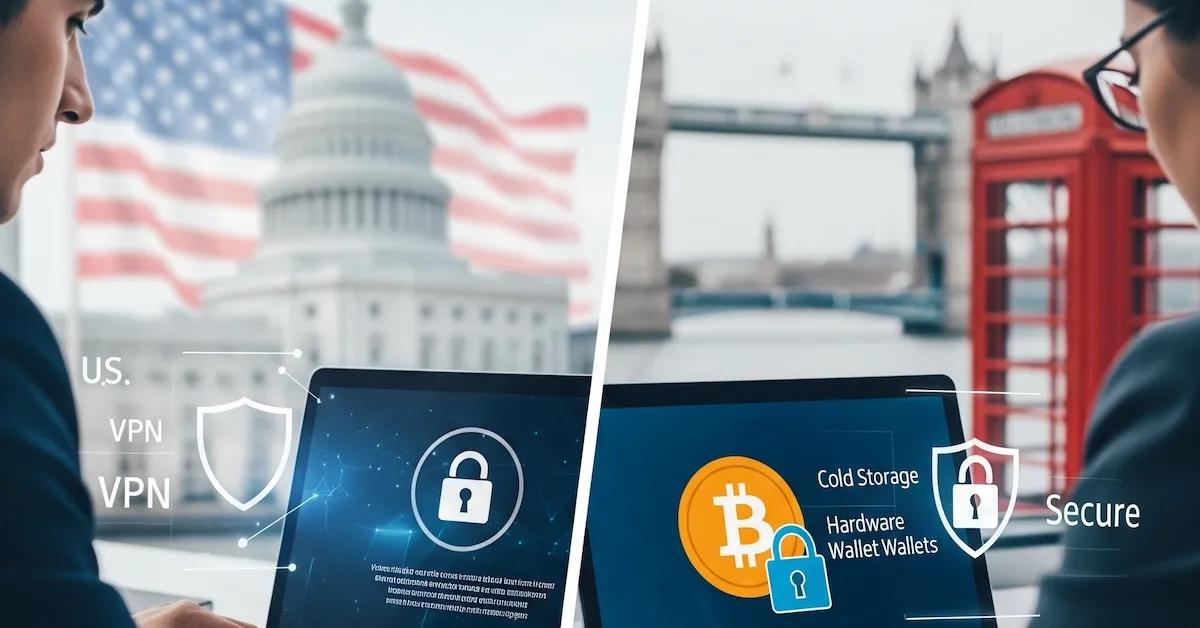


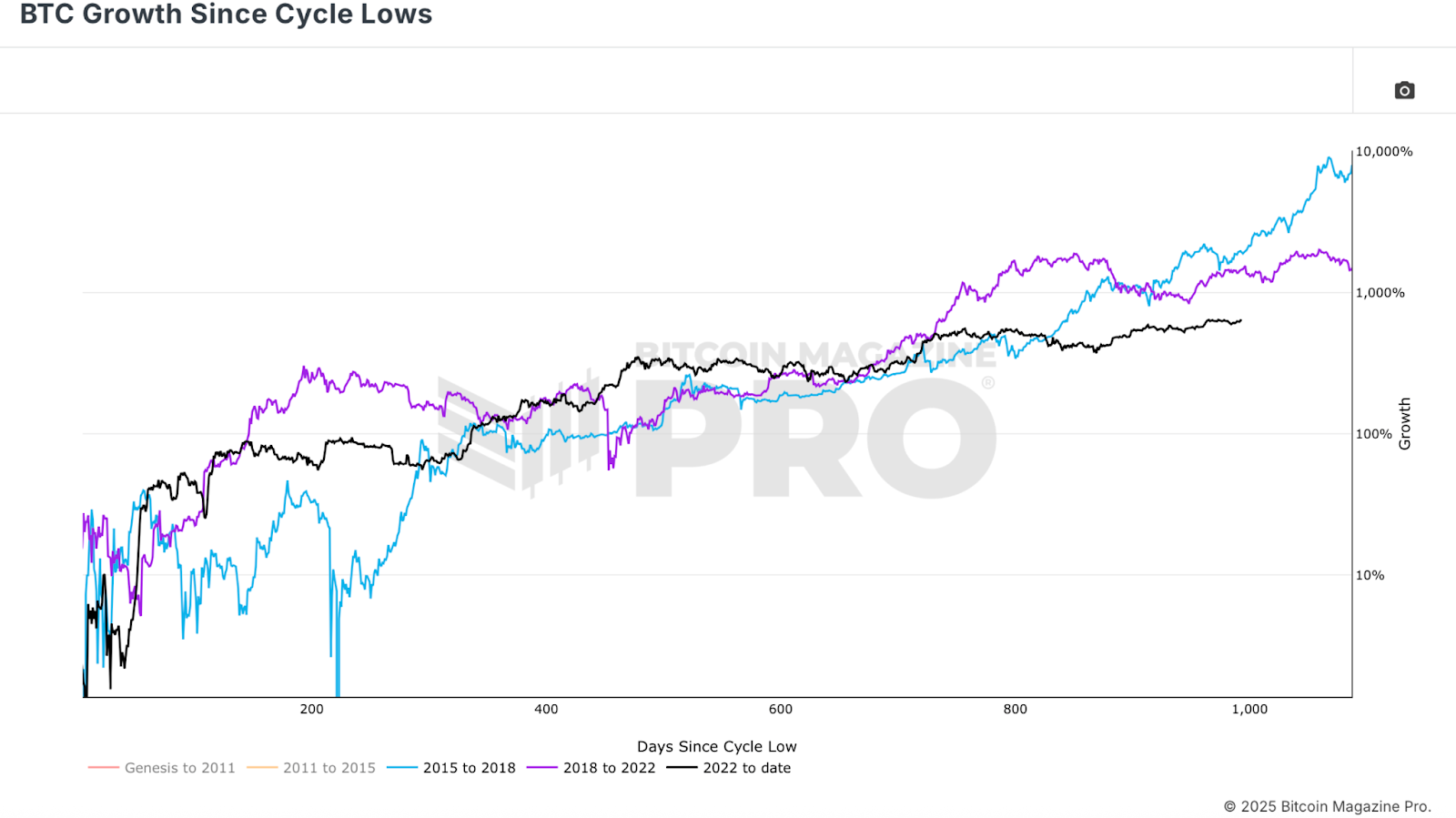
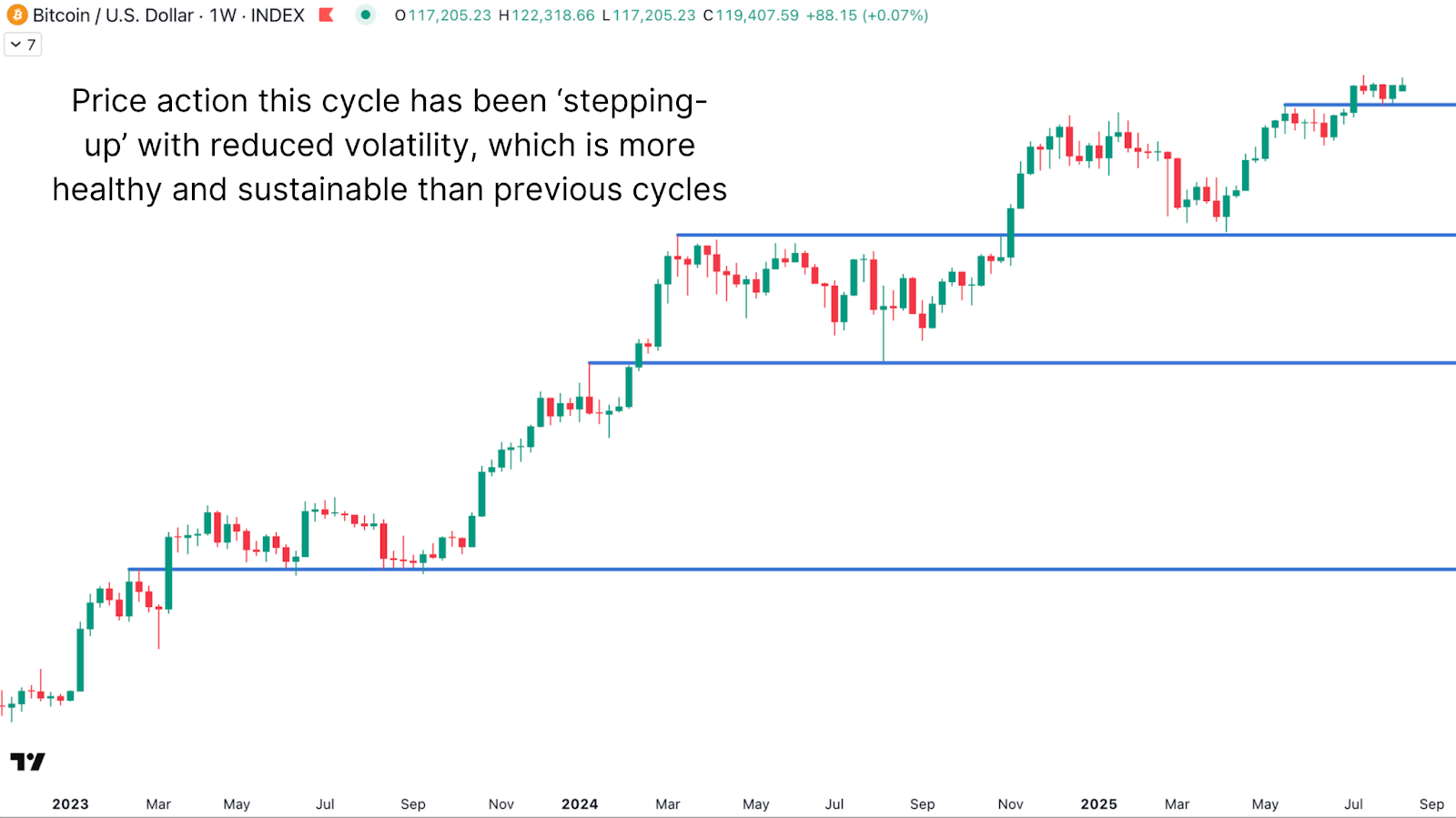
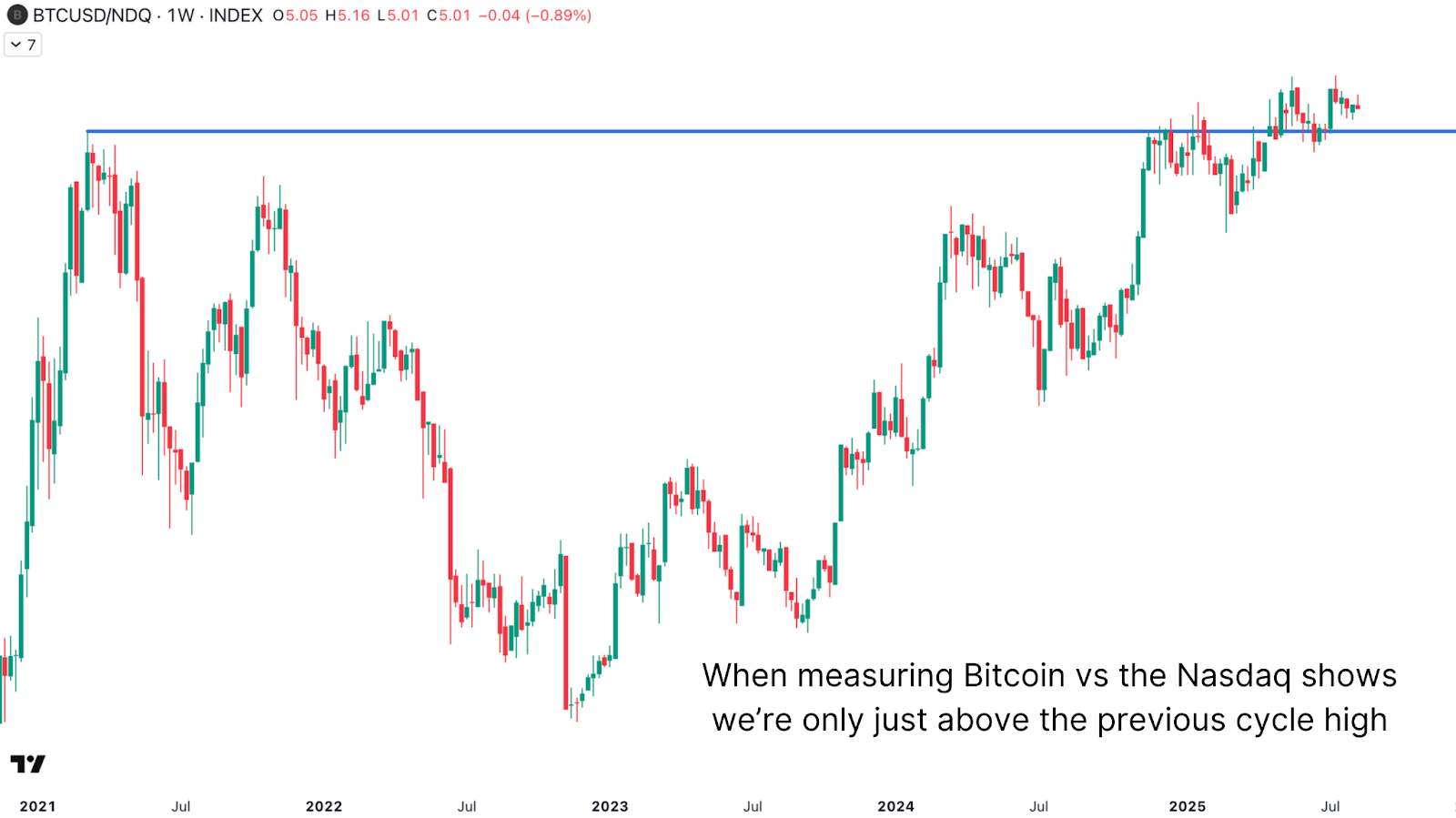
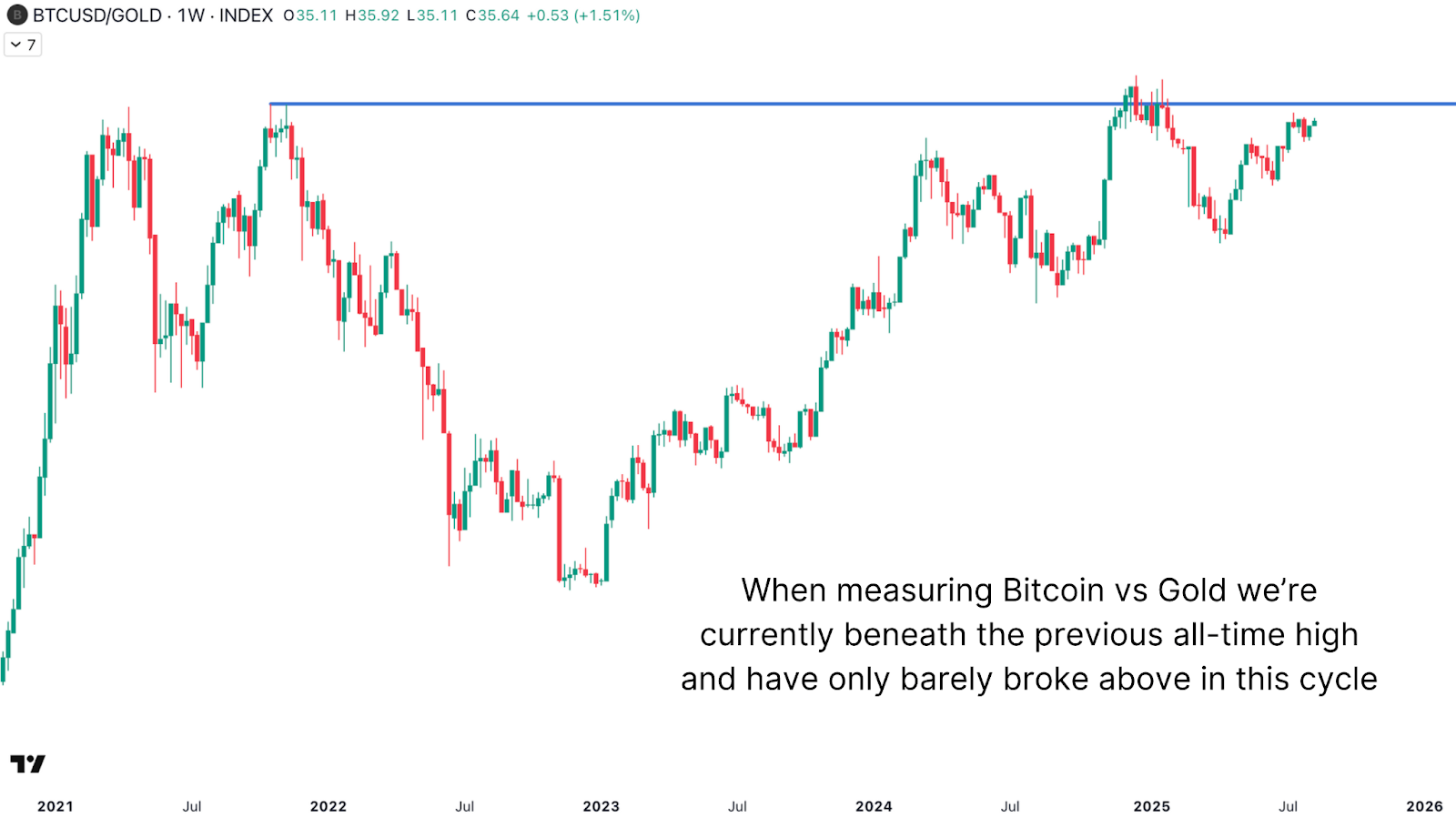
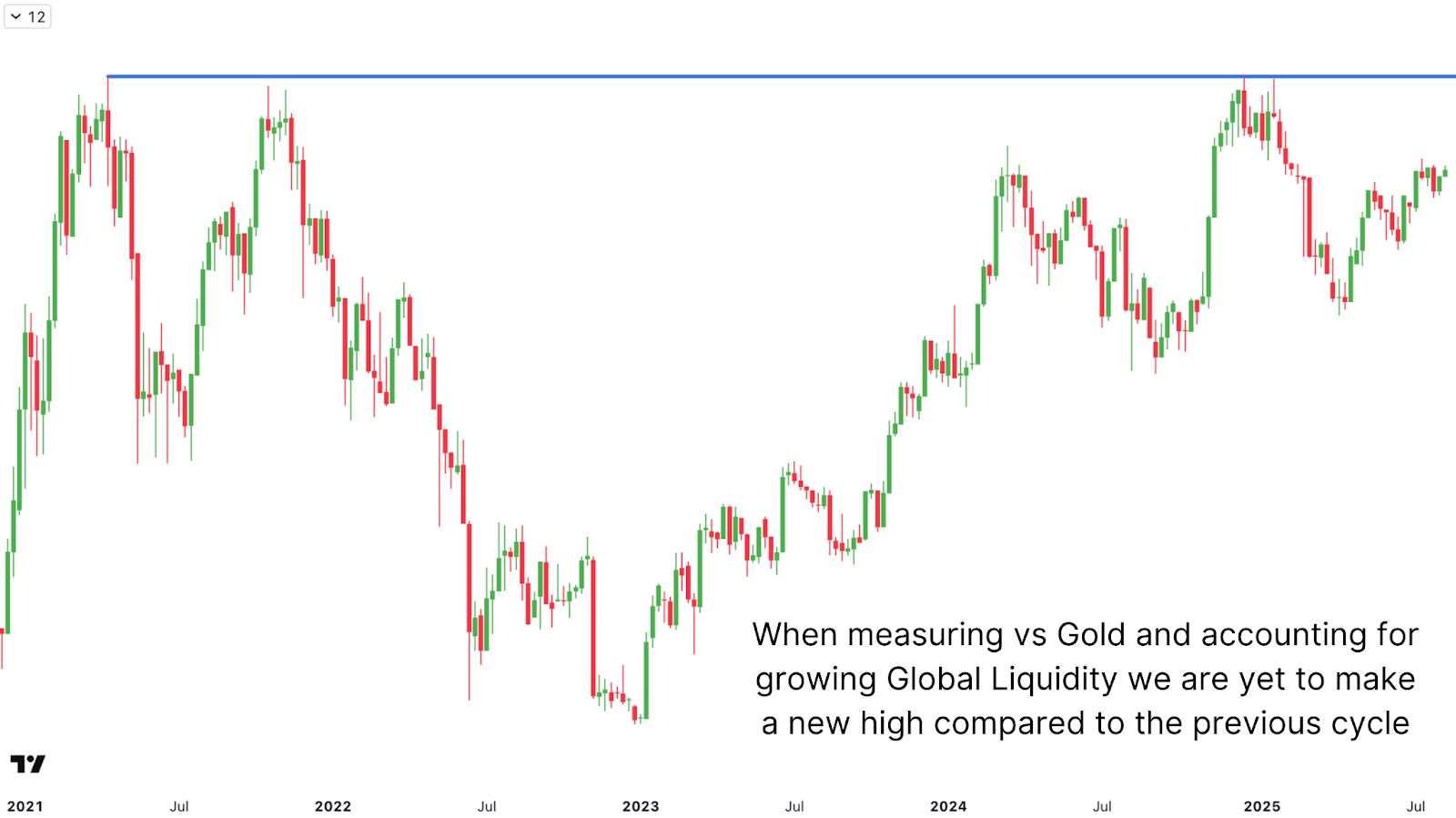





 Norway’s pension fund increases its


 (@HODL15Capital)






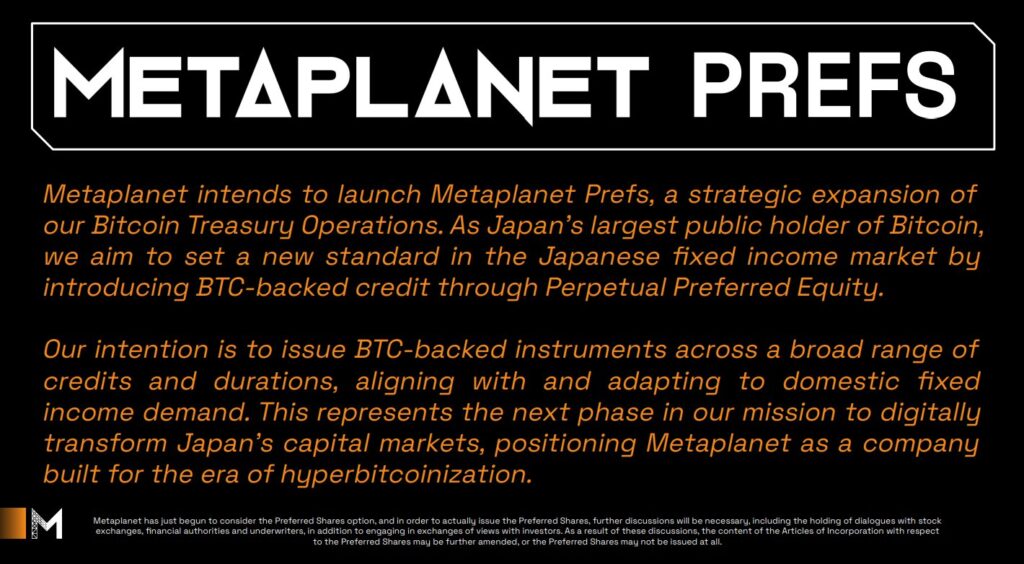
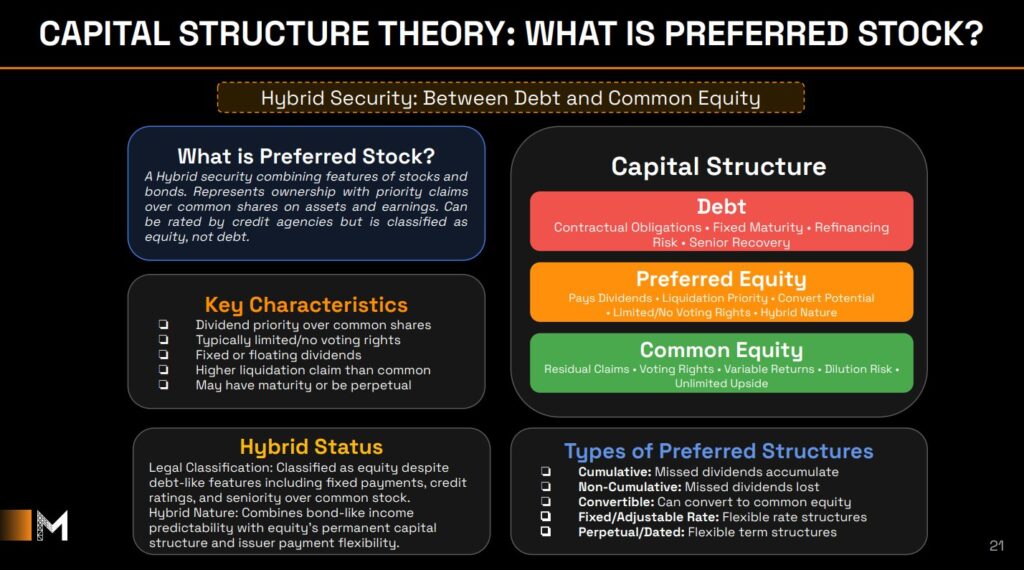

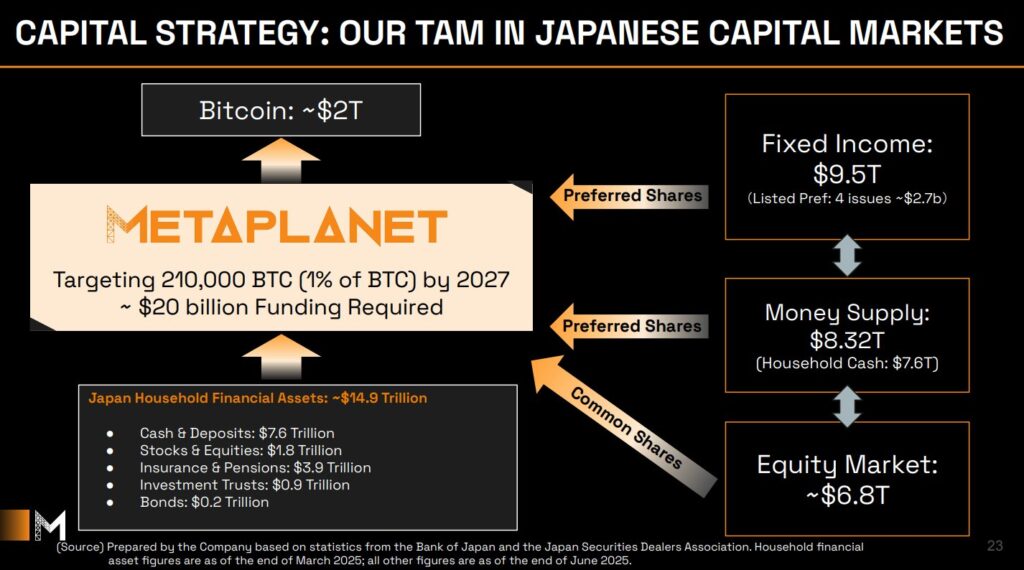


 $1.0mm/btc is the floor (@DavidFBailey)

 Metaplanet bought another 518



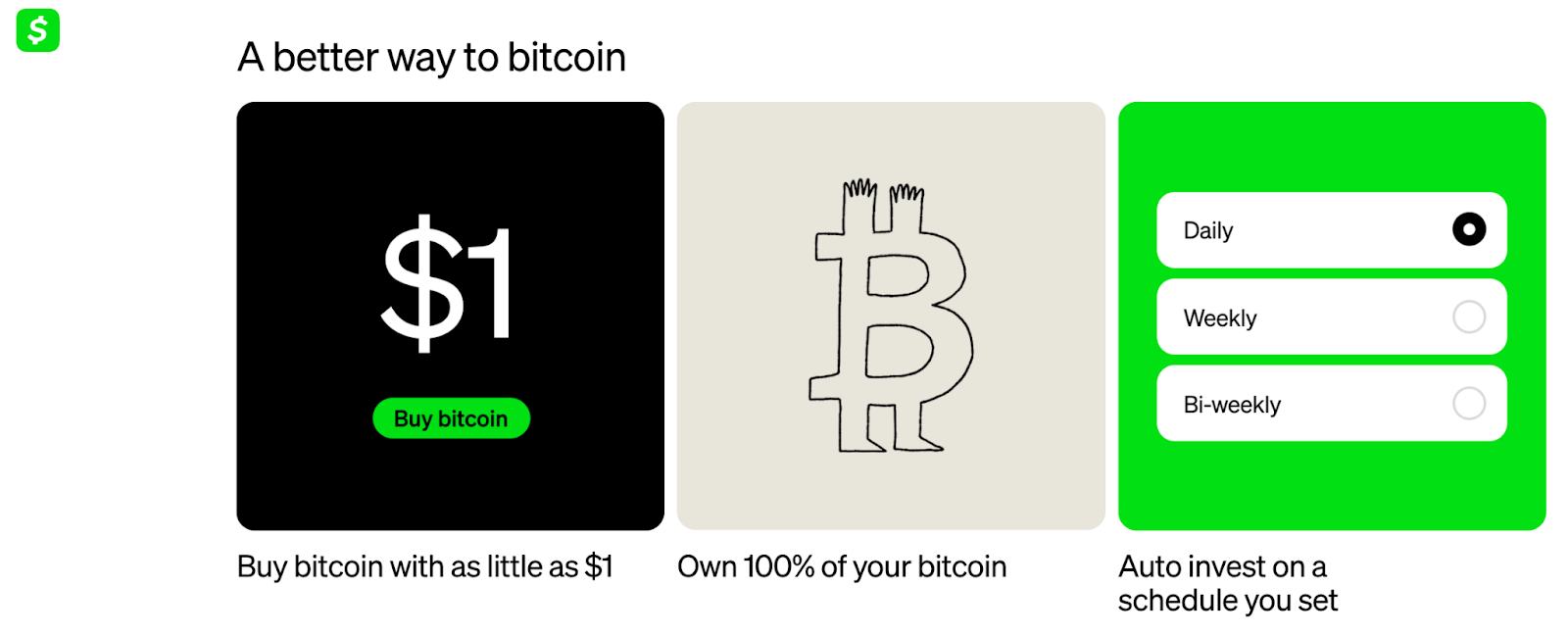
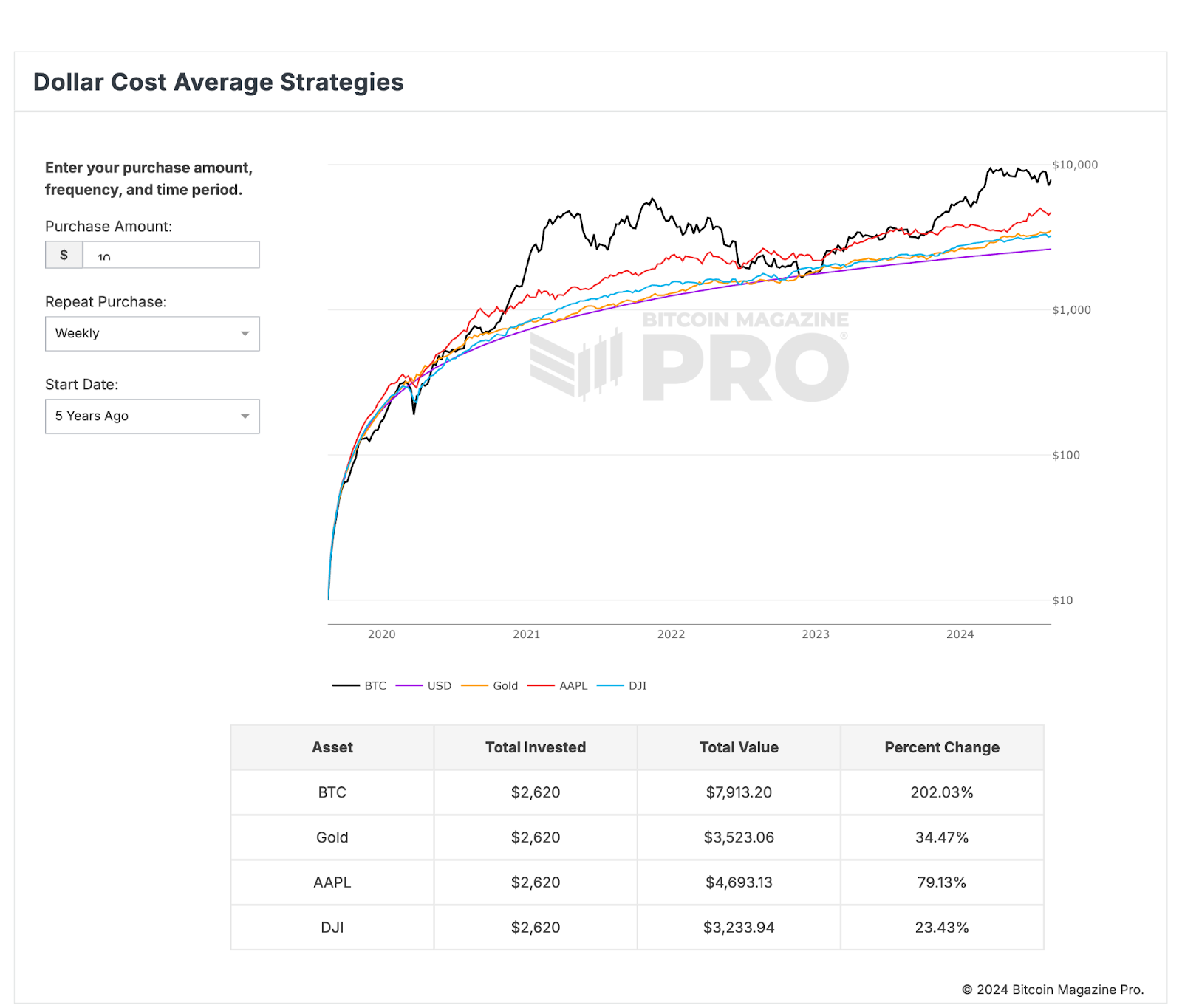
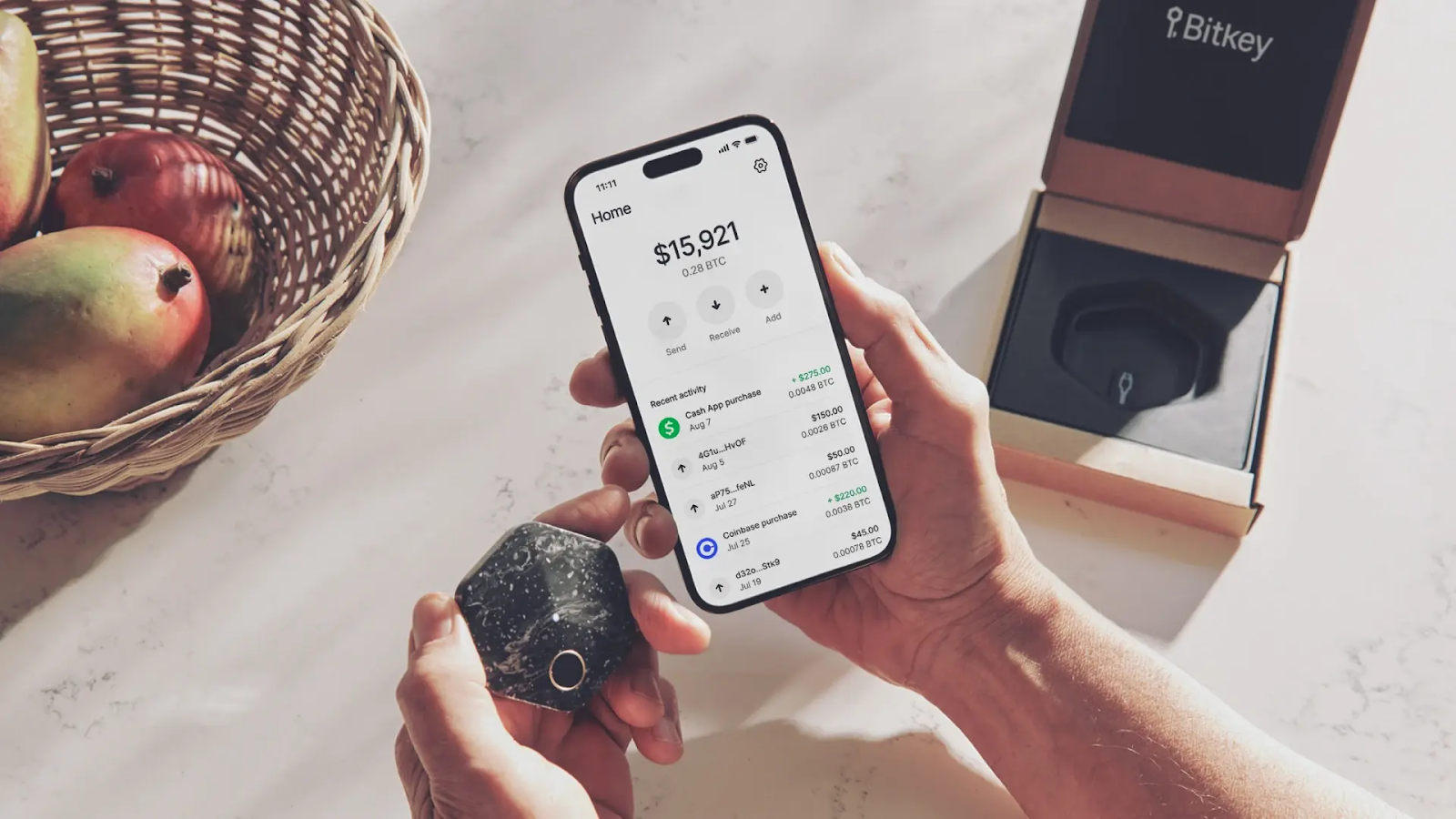




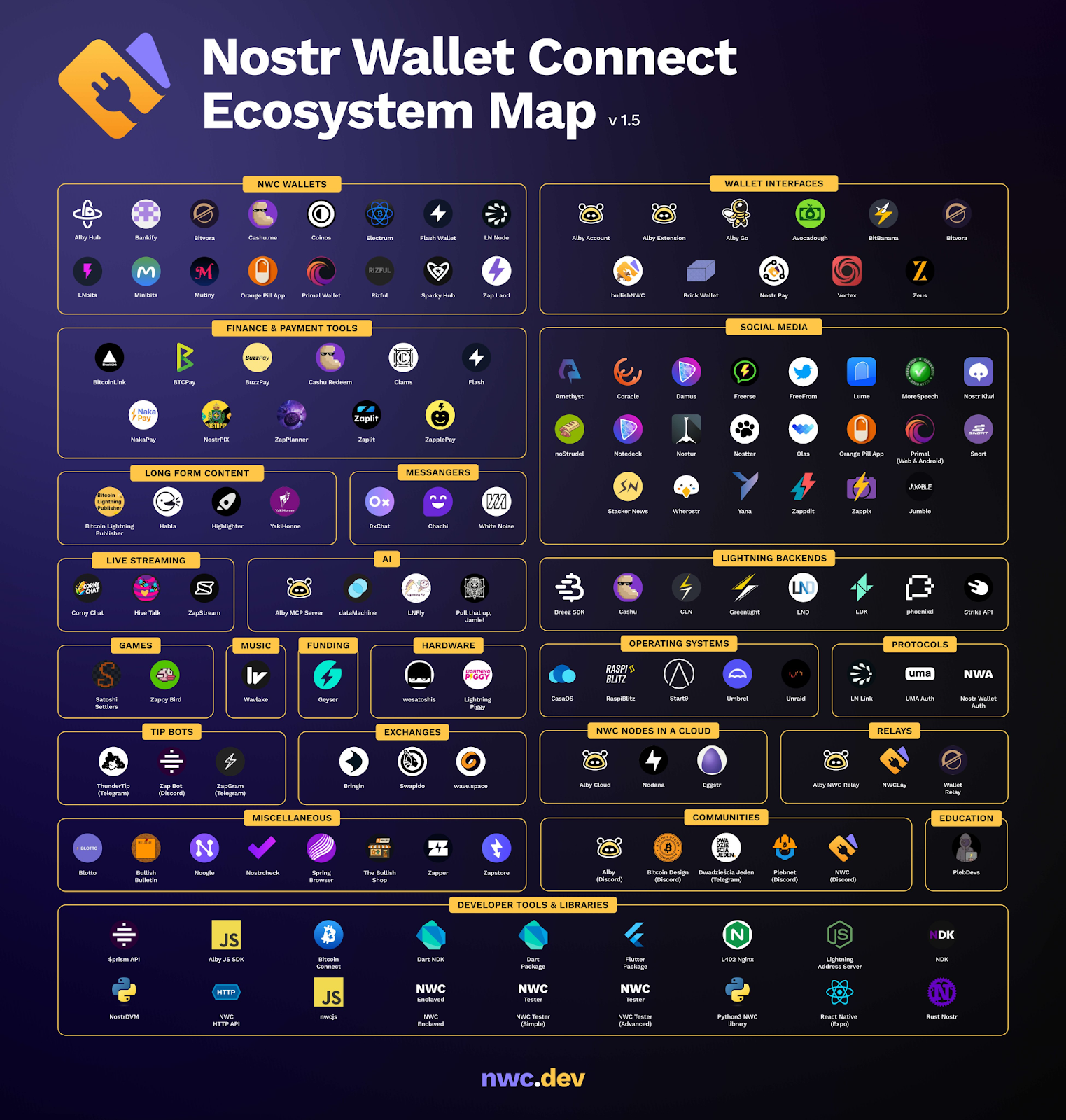










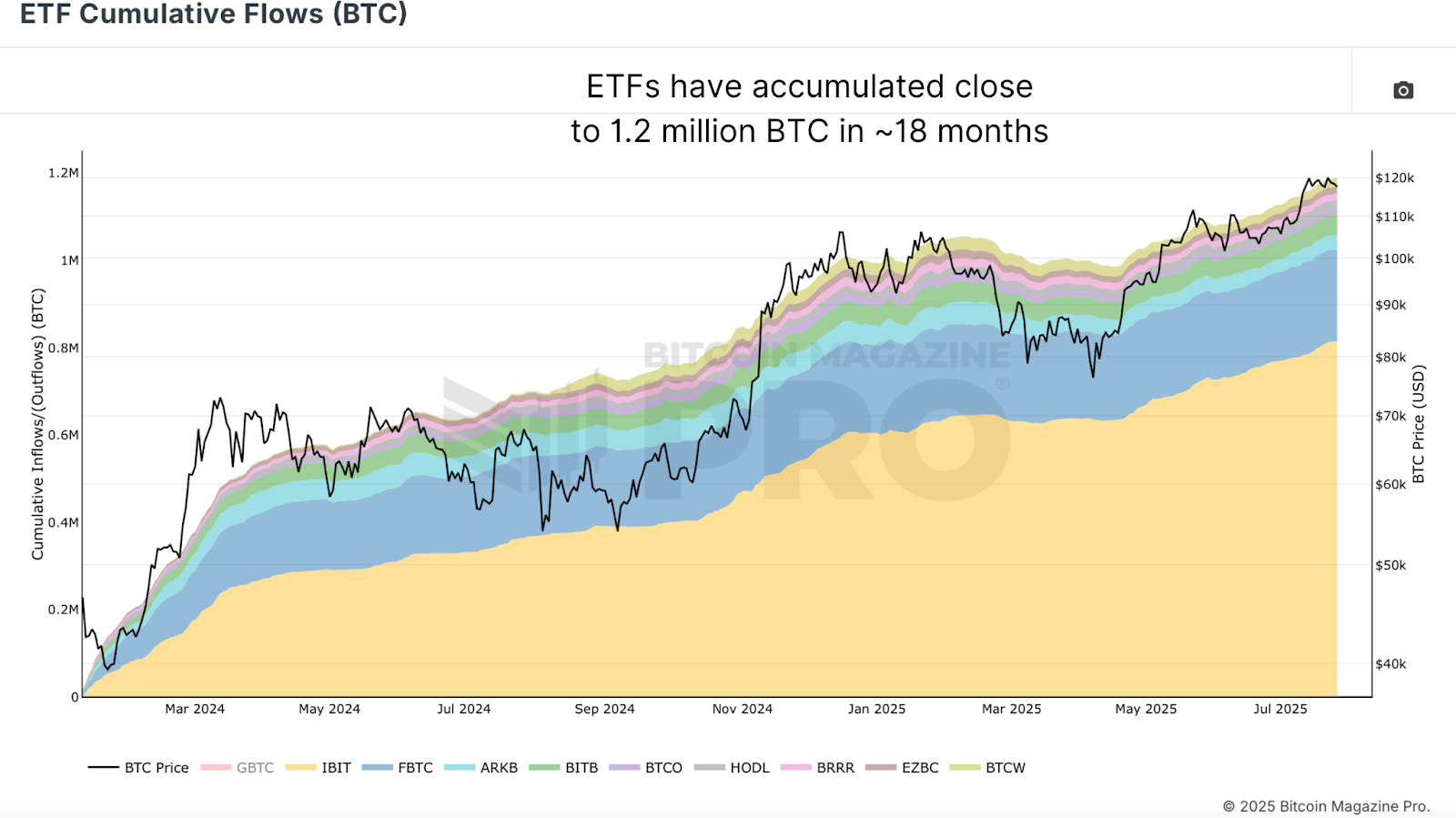
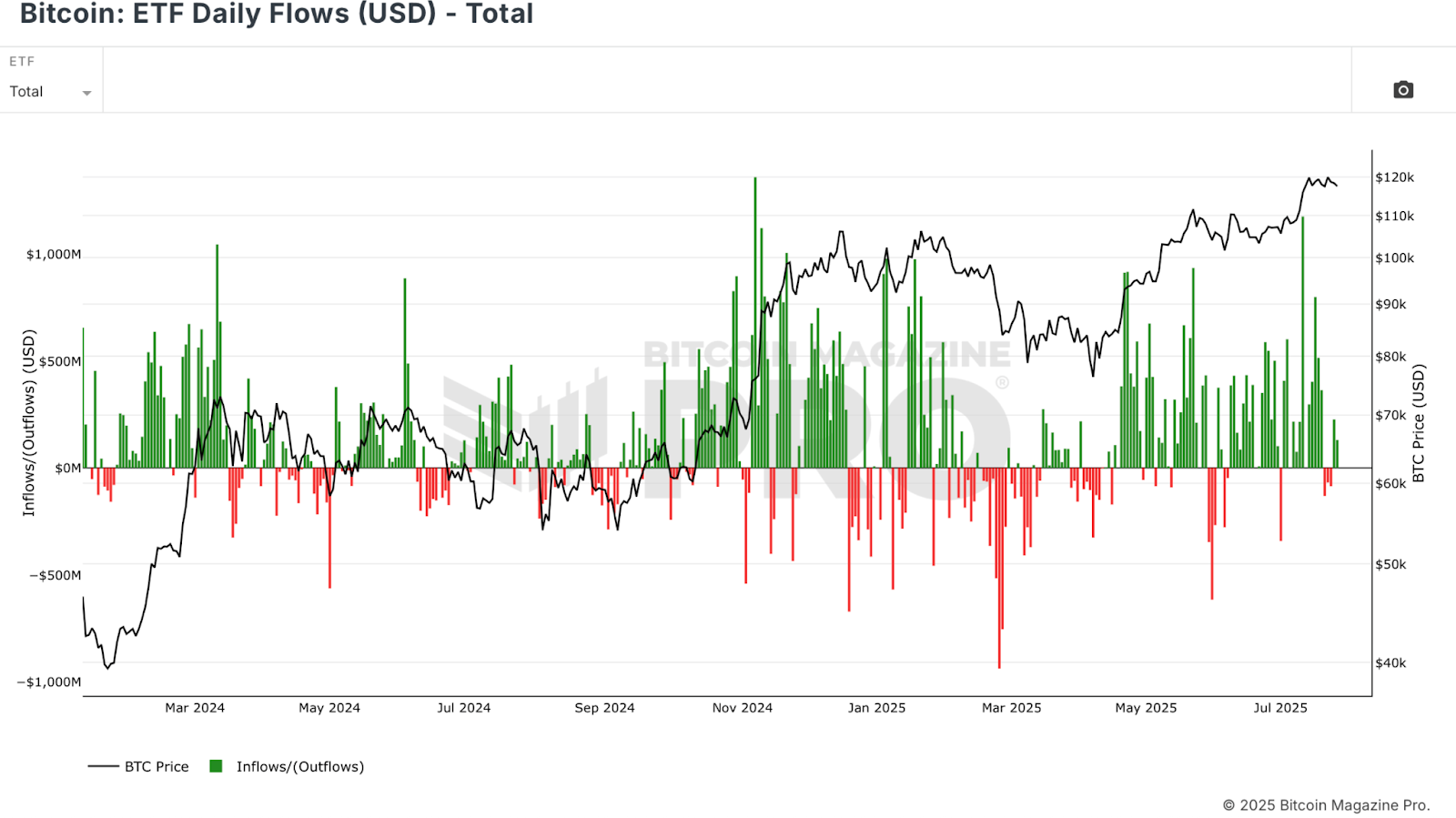
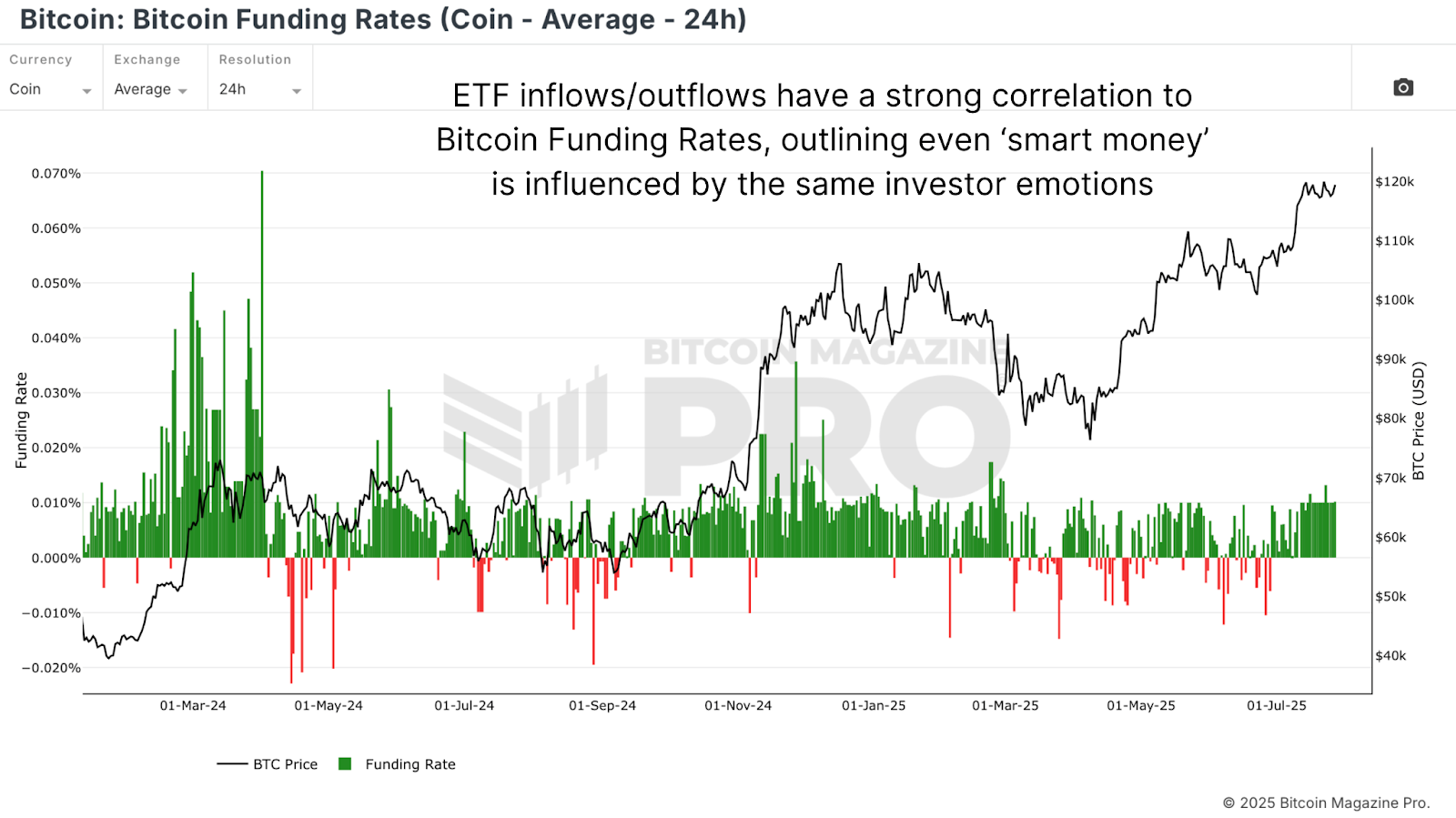
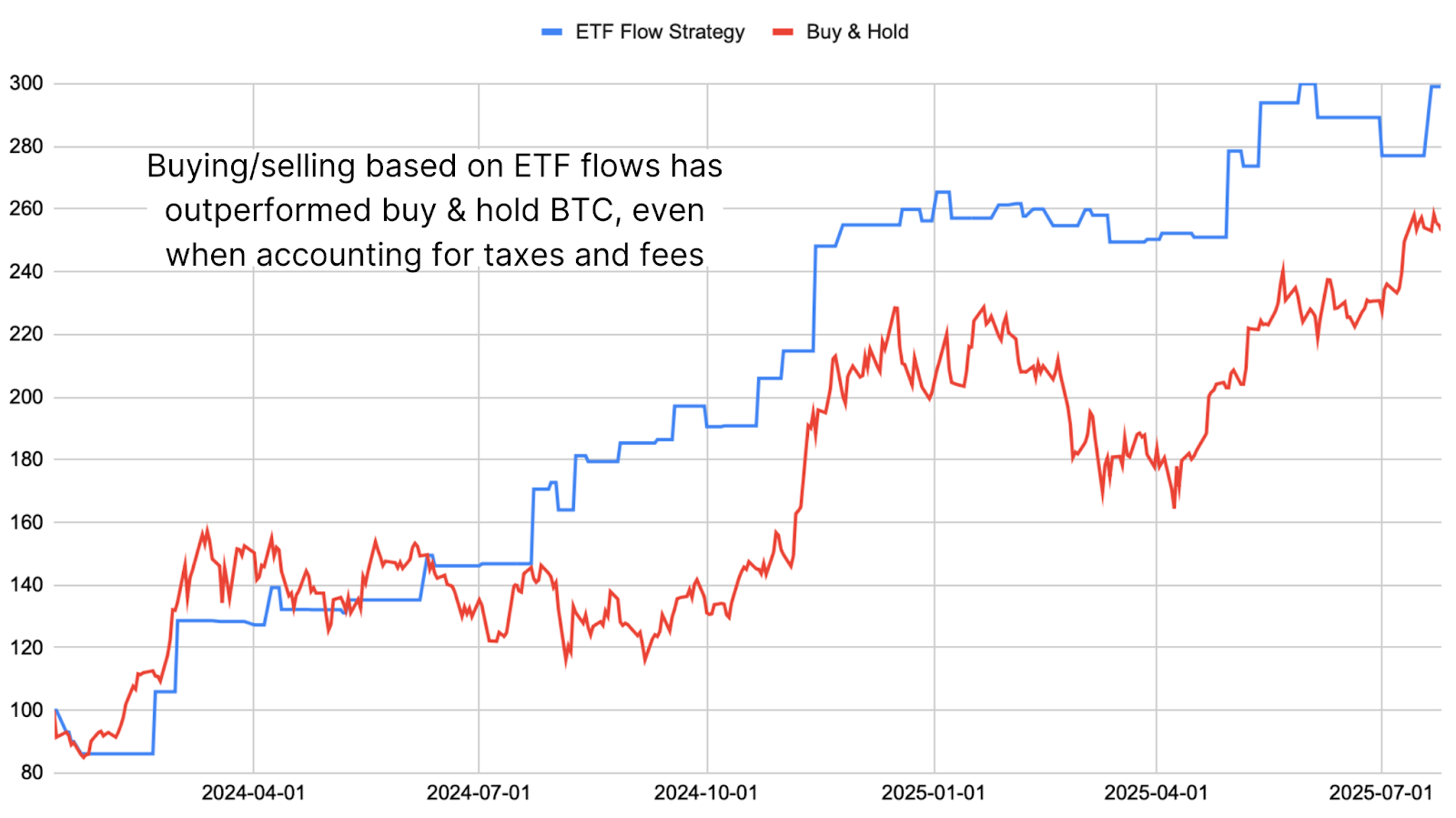

 (@Andre_Dragosch)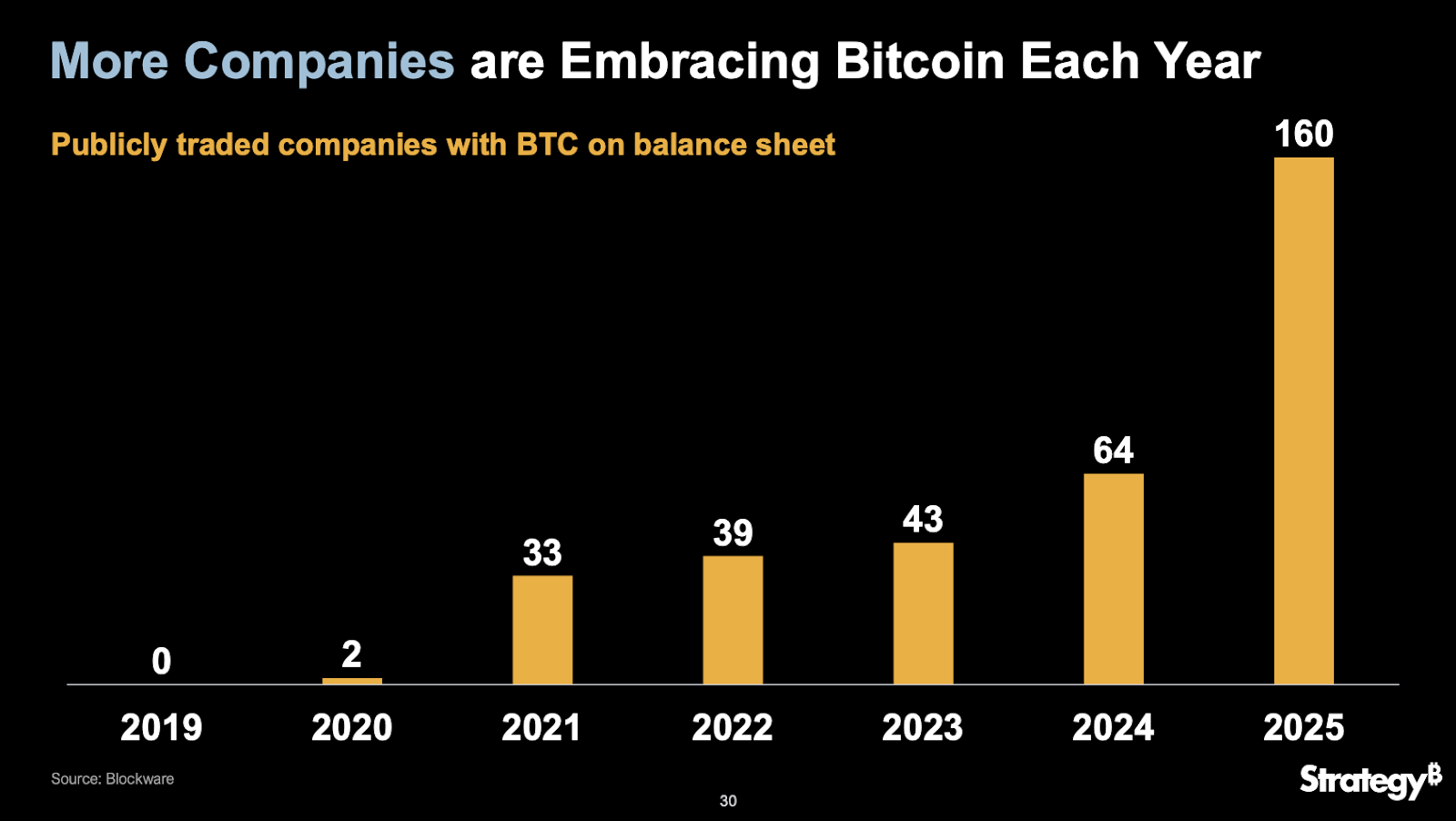



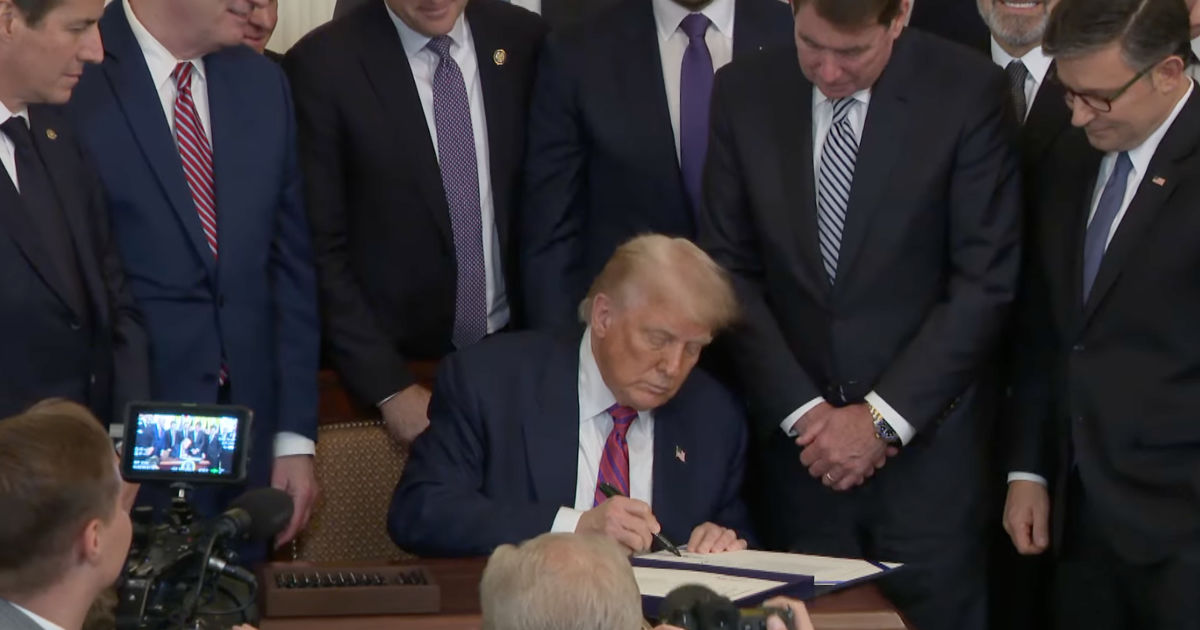





 The Great Monetary Reset Is Already Here













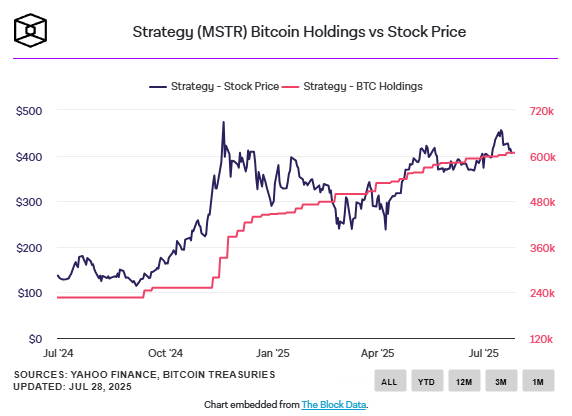


 BNB (@cz_binance)

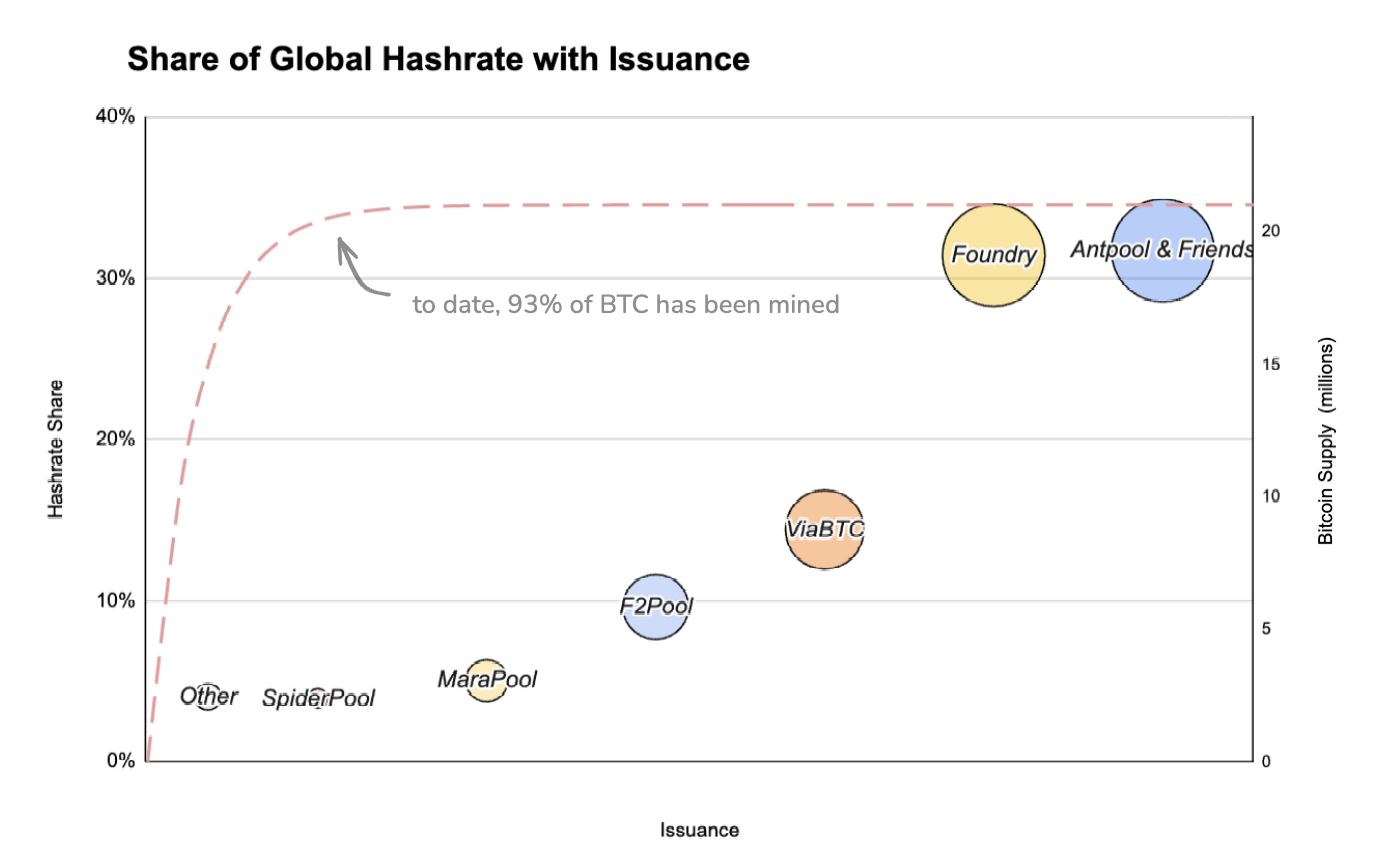
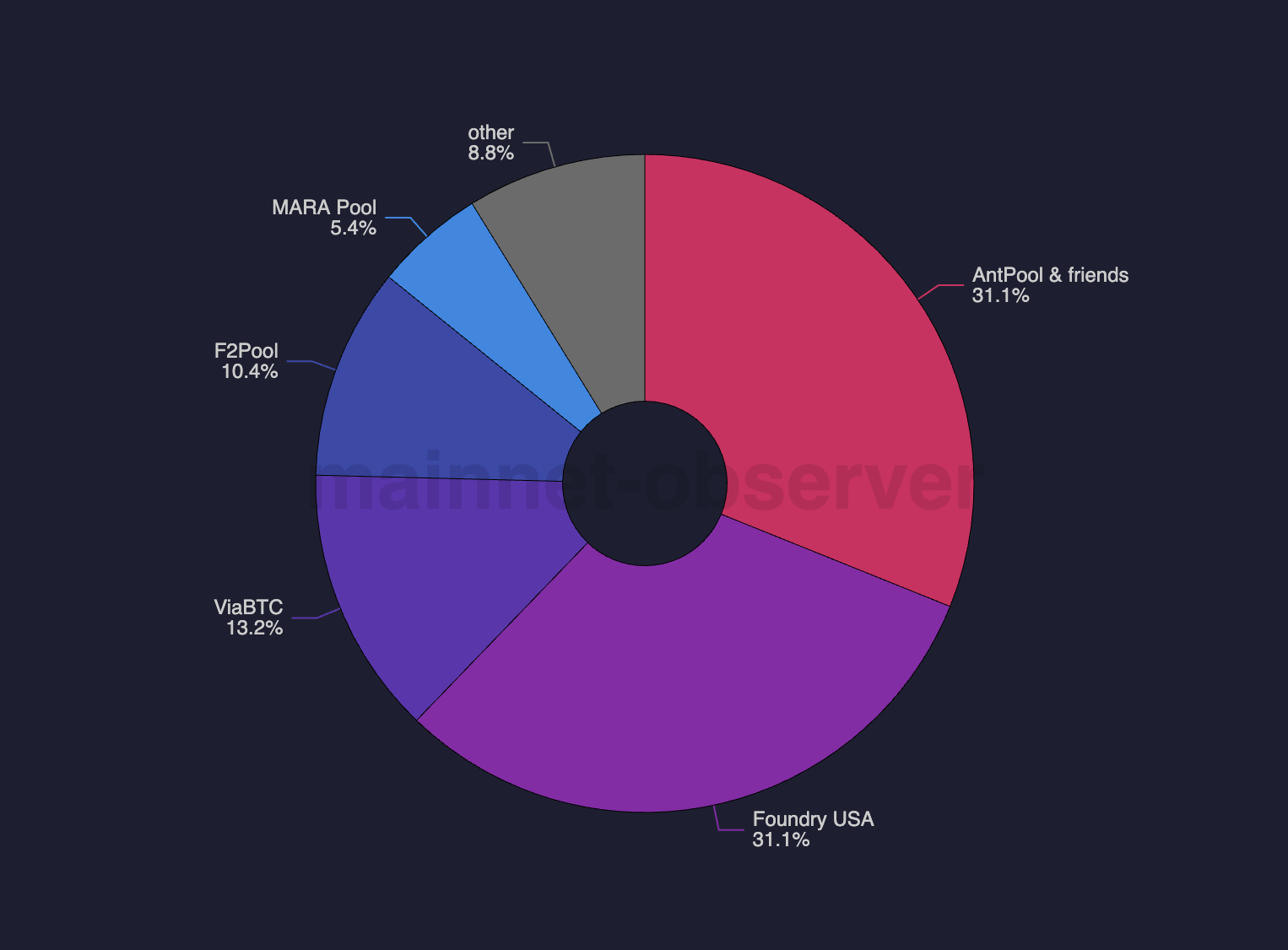
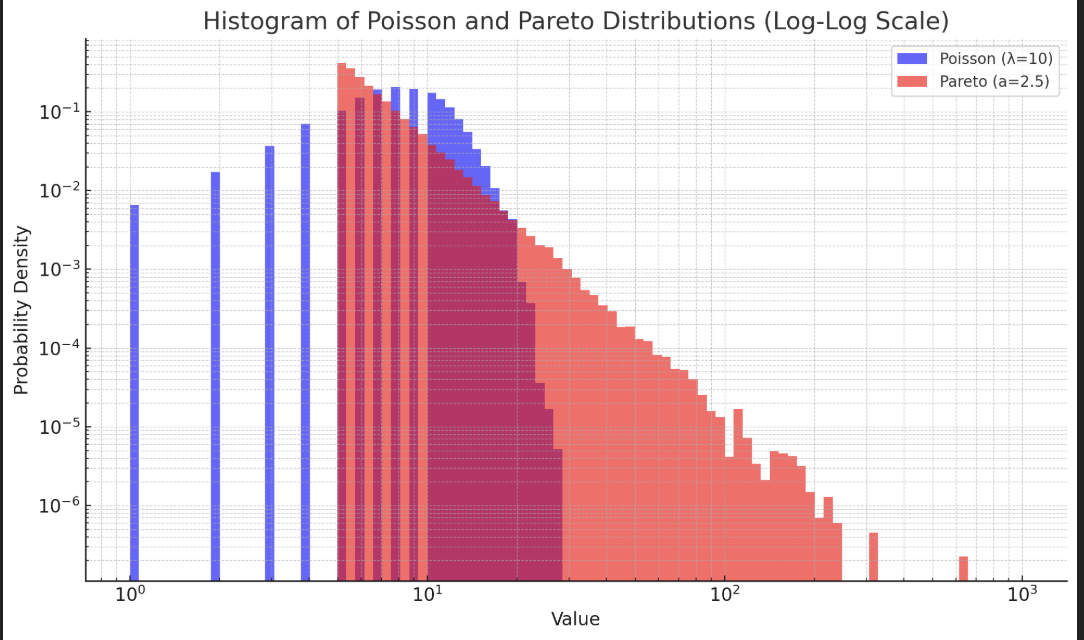
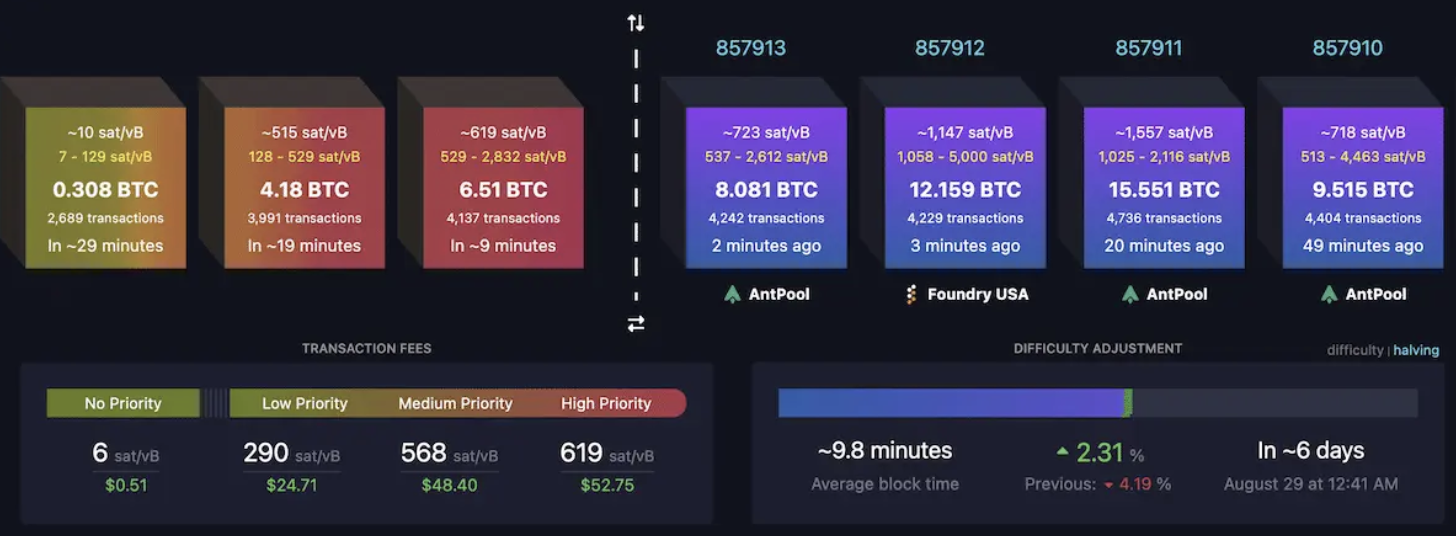







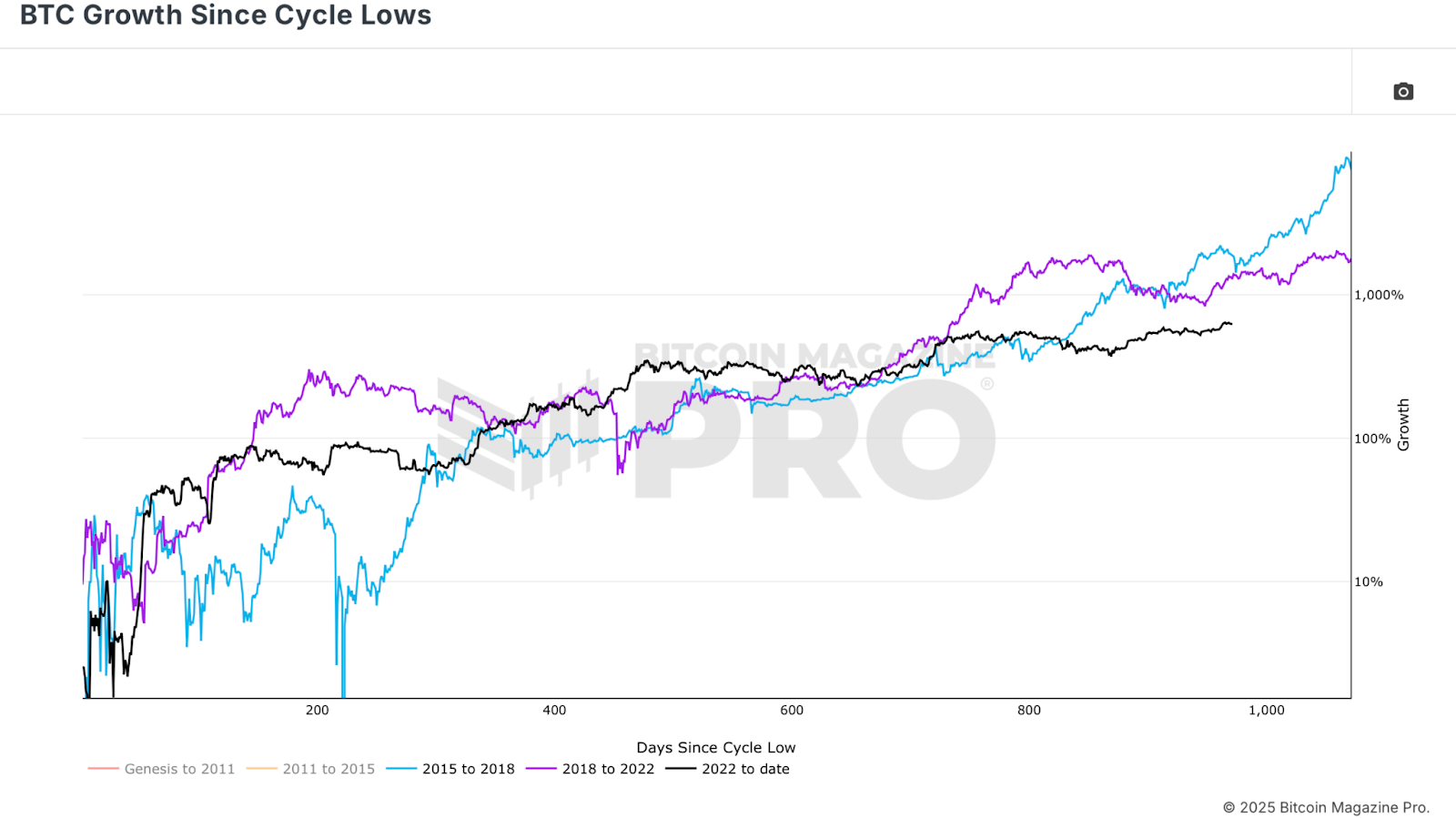
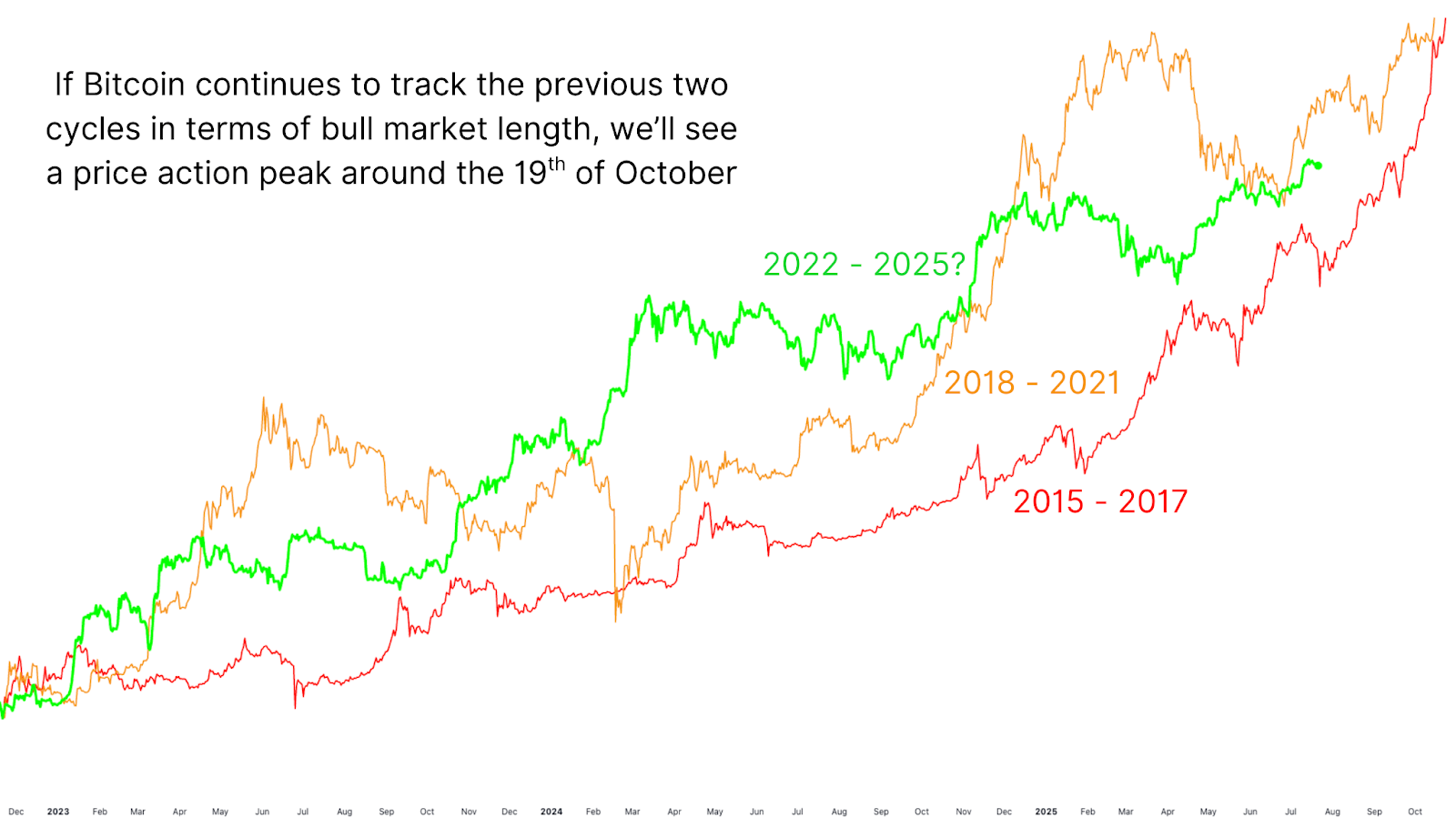
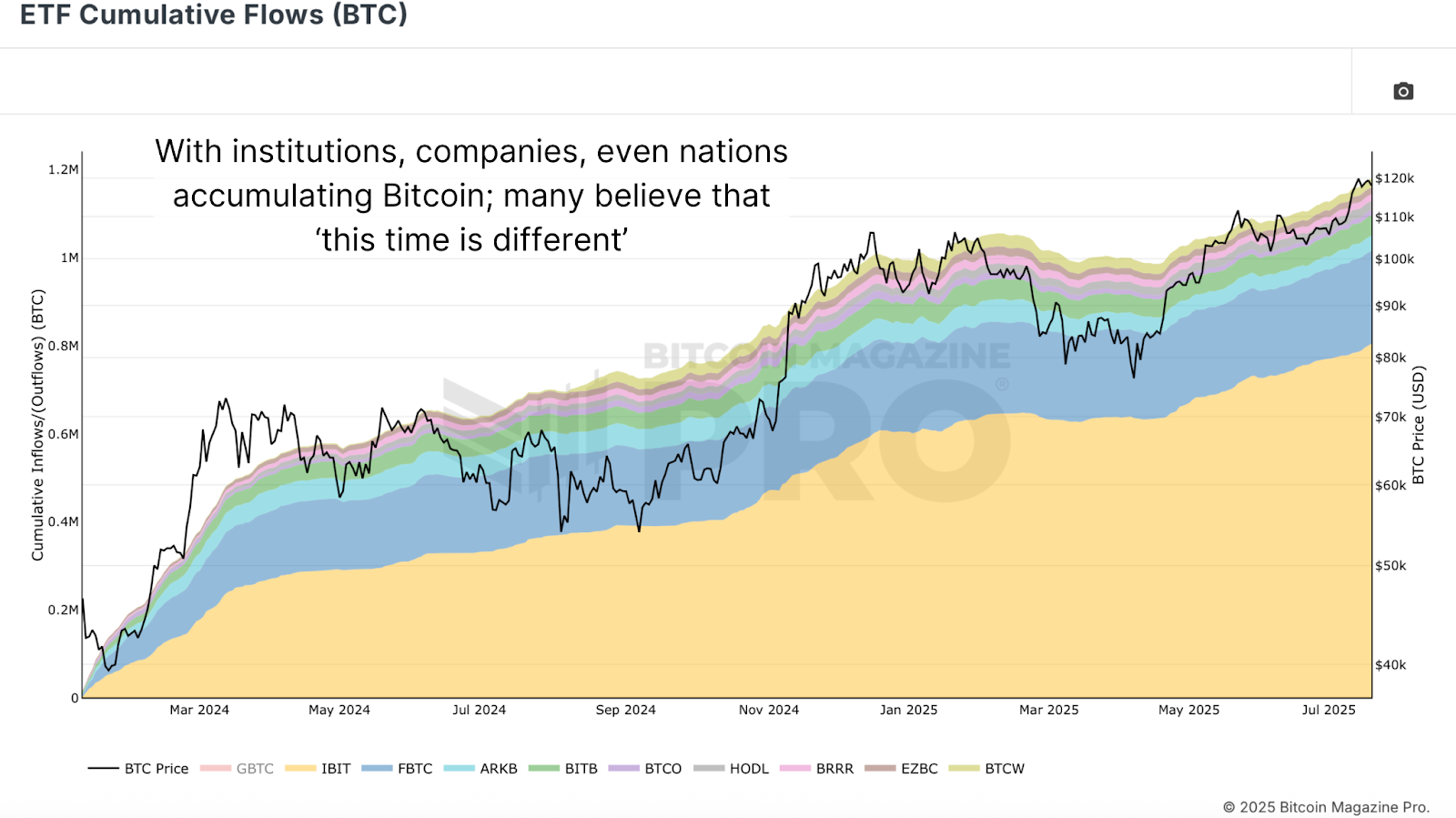
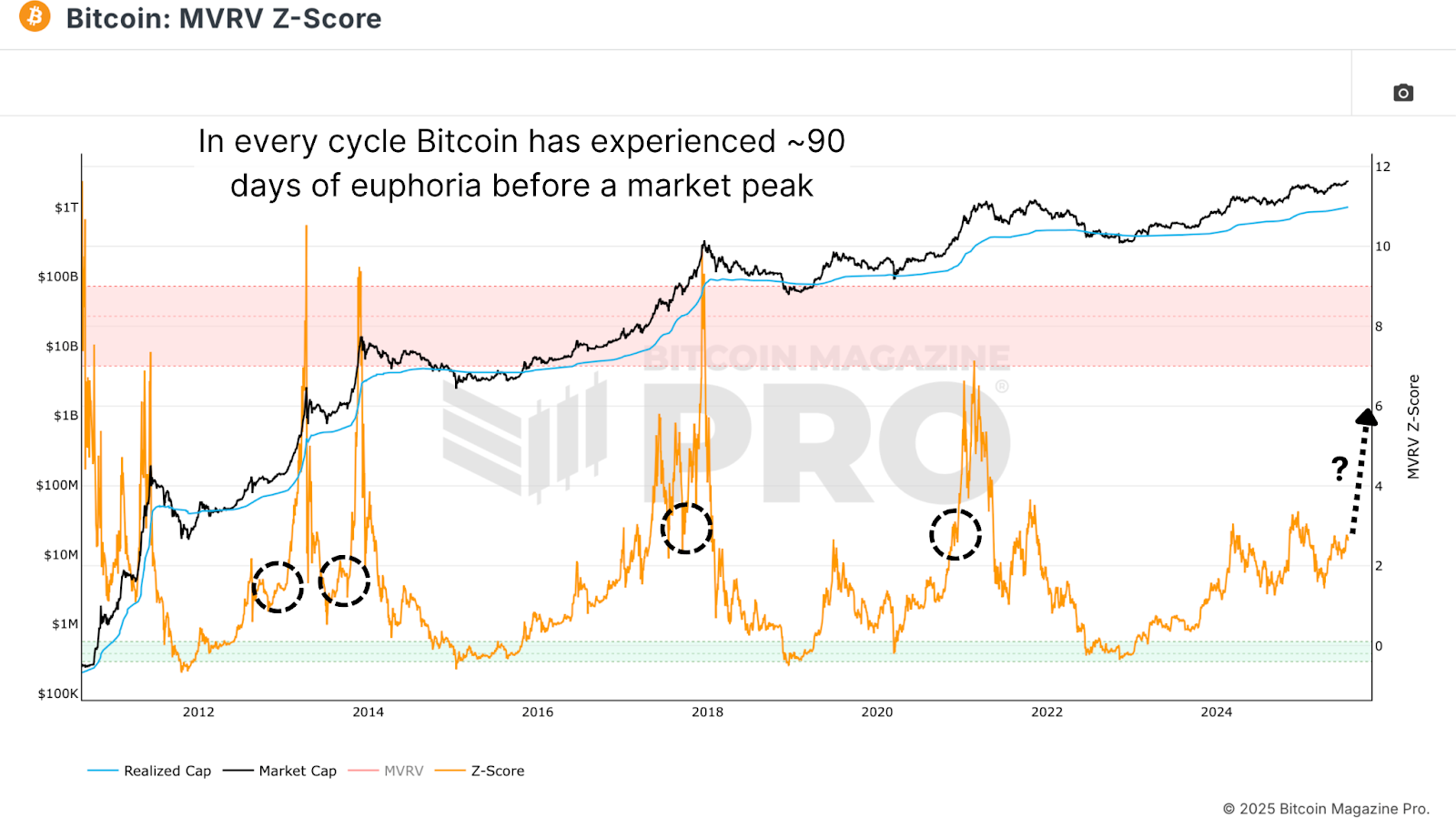
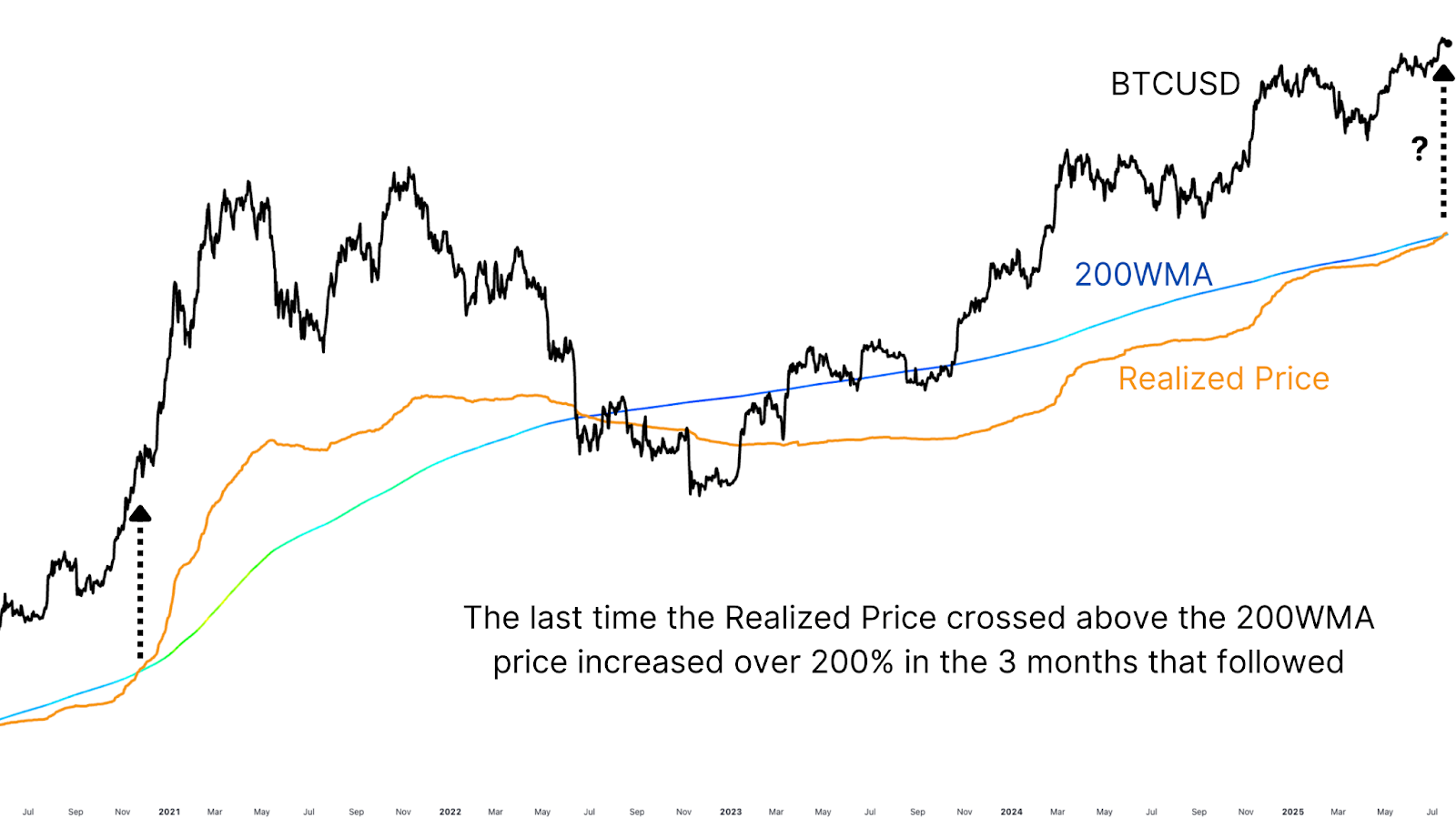
 Loved this deep dive into bitcoin price dynamics?


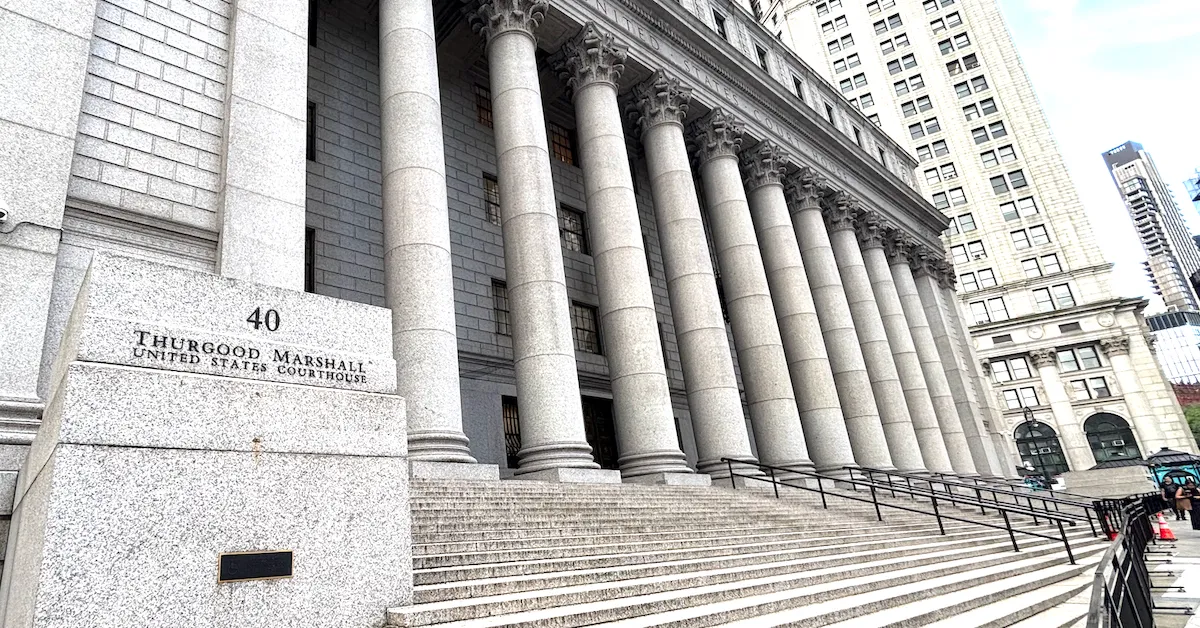




 Bitcoin miner MARA Holdings to raise $850 million to buy more












 (@tayvano_)












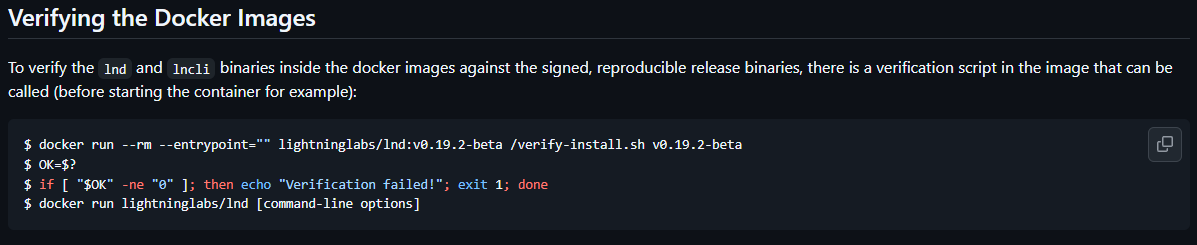



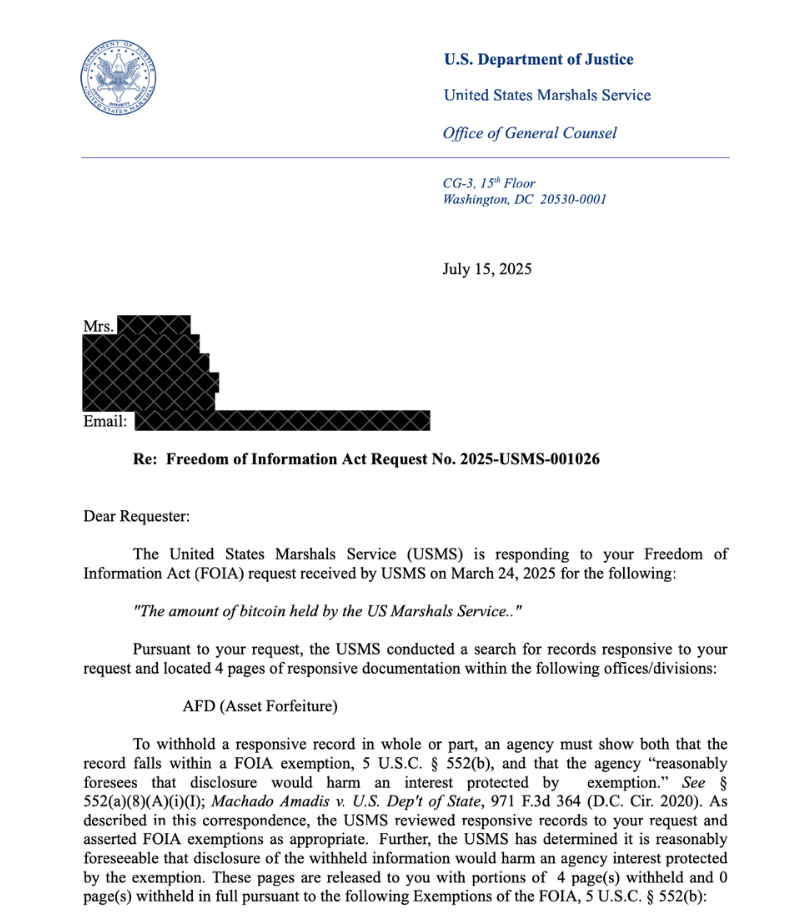


 President Nayib Bukele met with Pakistan’s Minister of Crypto








Social Media